


What Is Modular Slab Formwork and How Does It Work in Modern Construction?
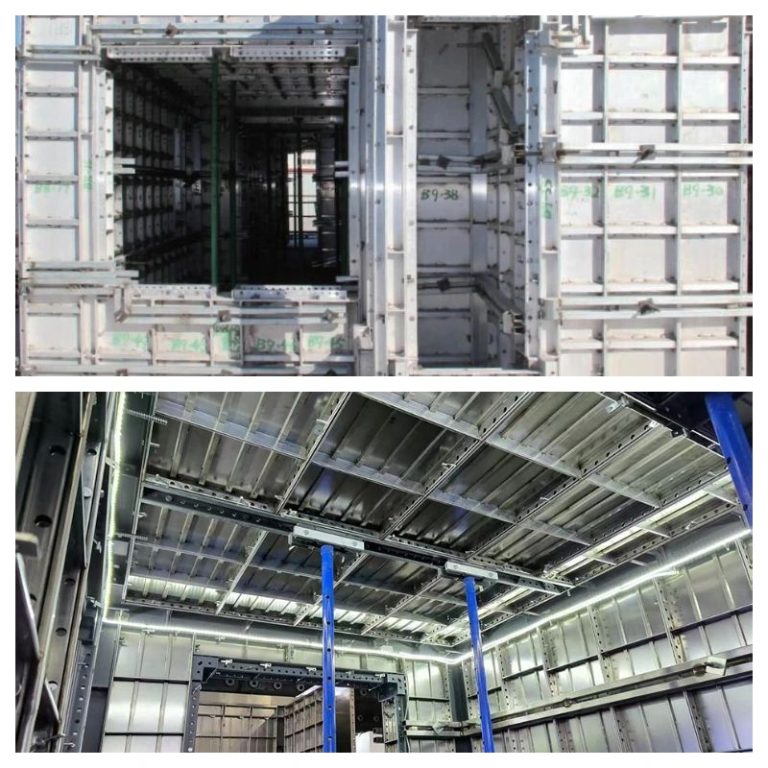
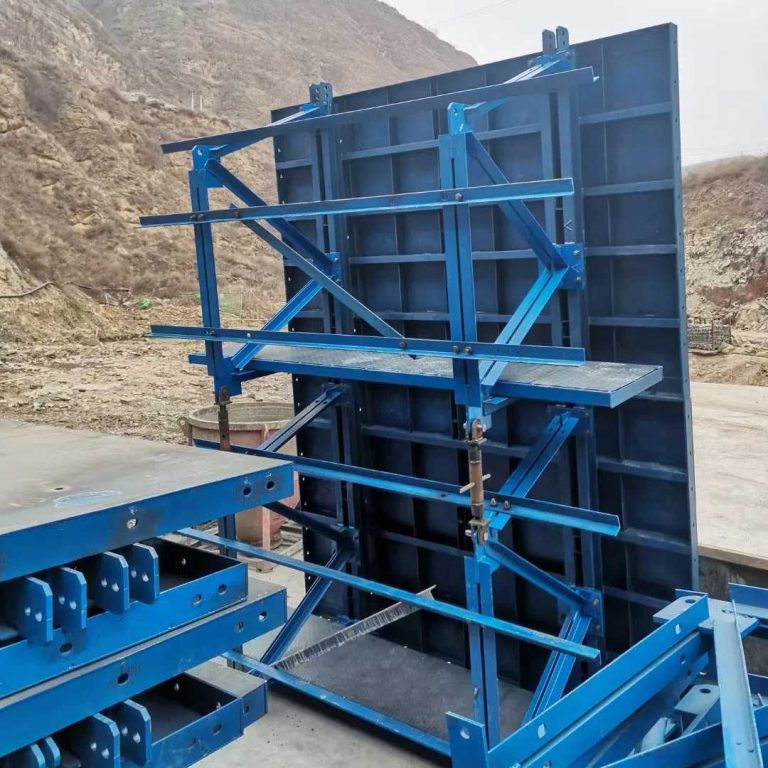
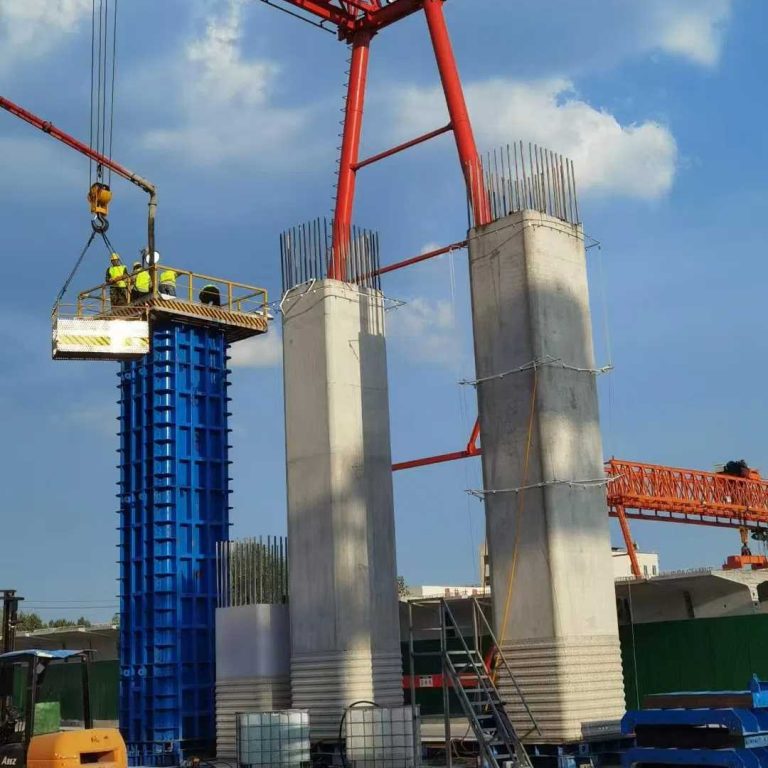
Modular slab formwork is a ready-made system for molding and supporting concrete slabs. It serves as a reusable, practical, and accurate option compared to old formwork ways. Made for quick setup and takedown, modular systems are common in today’s high-rise and infrastructure projects.
Core Components of a Modular Slab Formwork System
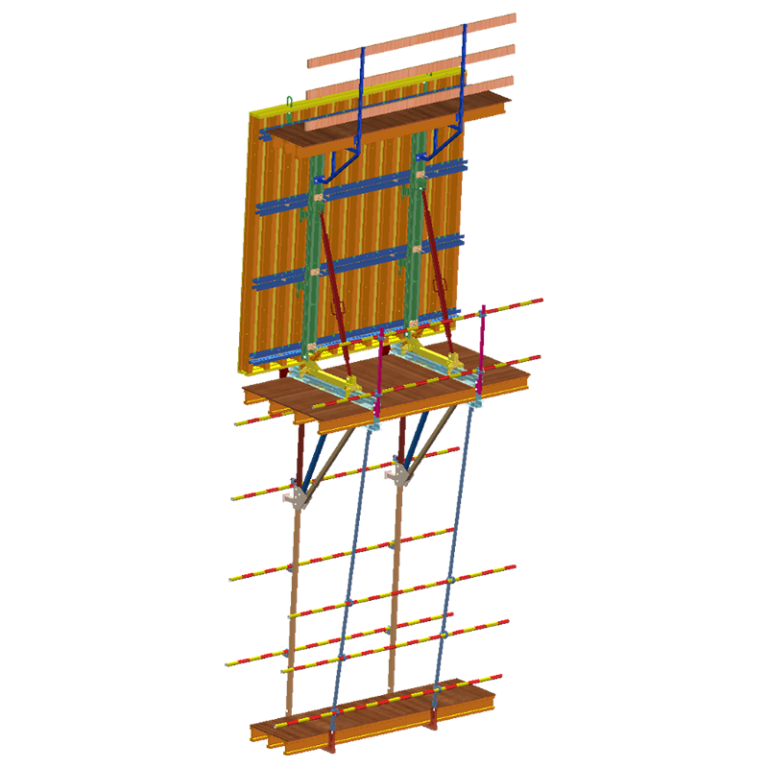
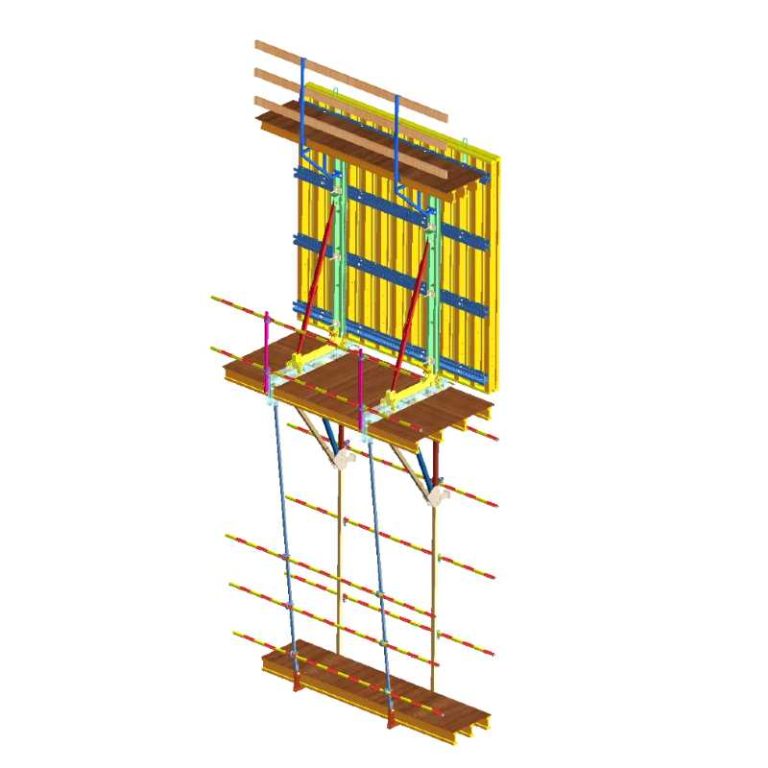
A modular slab formwork system includes these main parts. Each plays a role in concrete pouring and hardening:
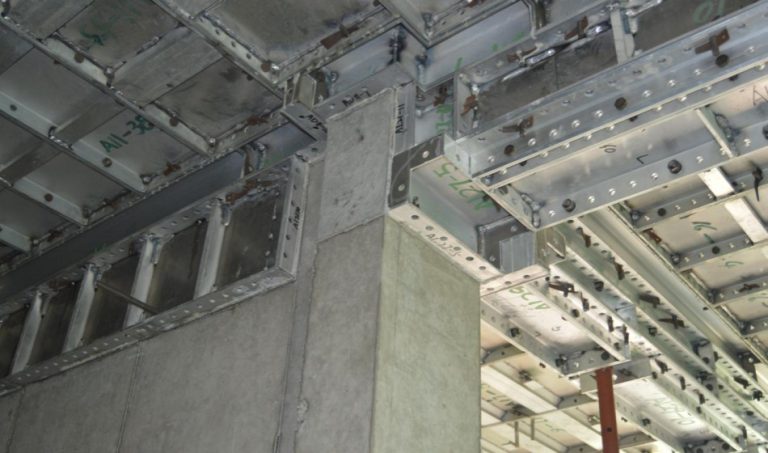
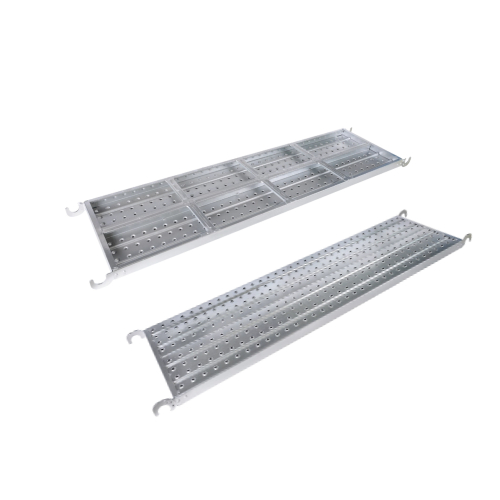
- Bottom form: Holds the concrete weight during pouring and casting.
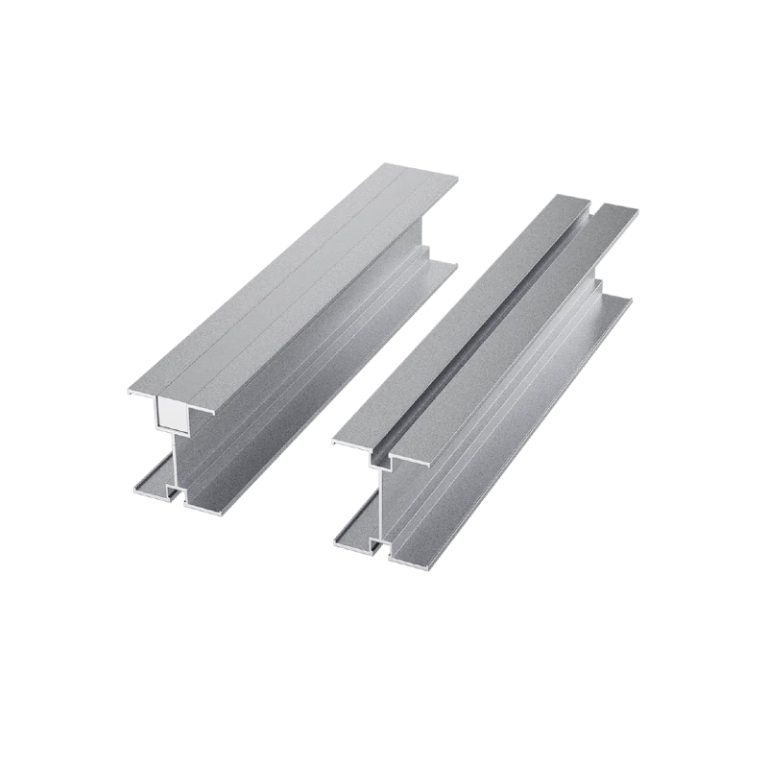
- Middle beam: Links with props for stability.
- End beam: Connects prop heads and secures slab panels at the edges.
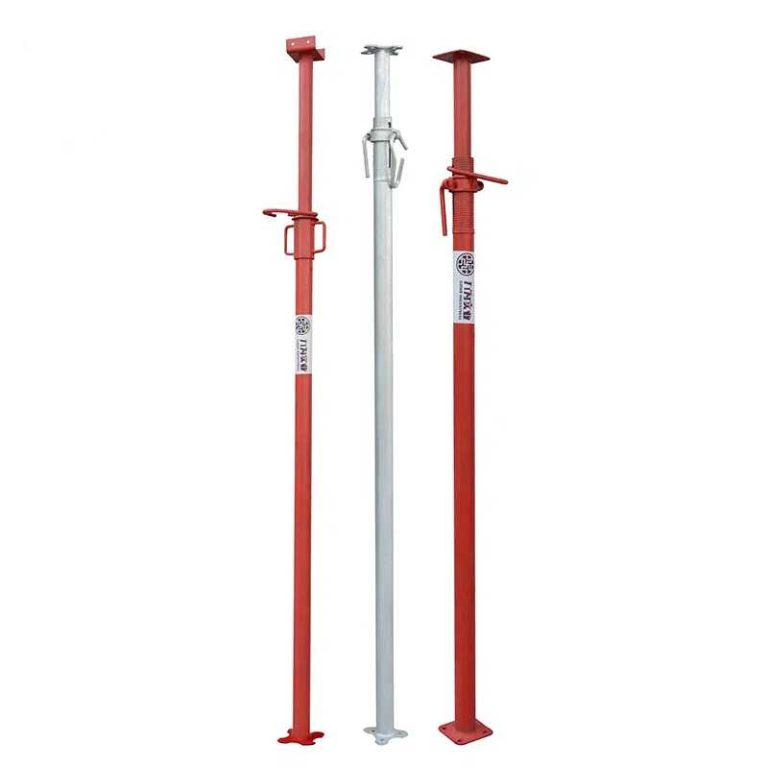
- Steel props and prop heads: Carry the slab load and add structural support.
These parts work together to ensure the system’s strength and reliability.
How Modular Systems Differ from Traditional Formwork Methods
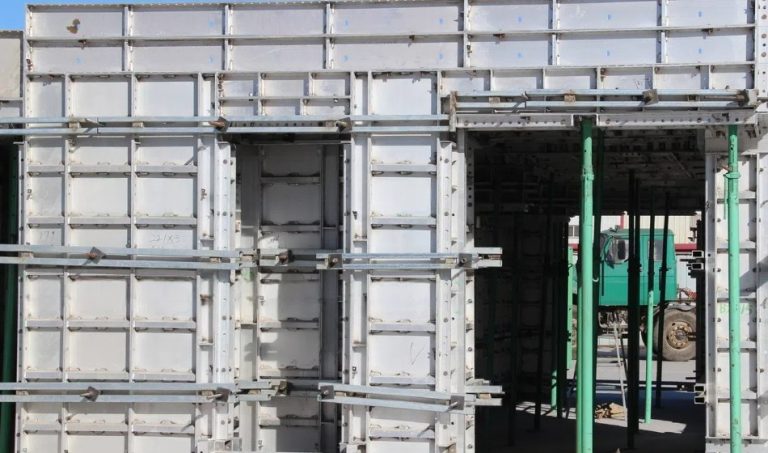
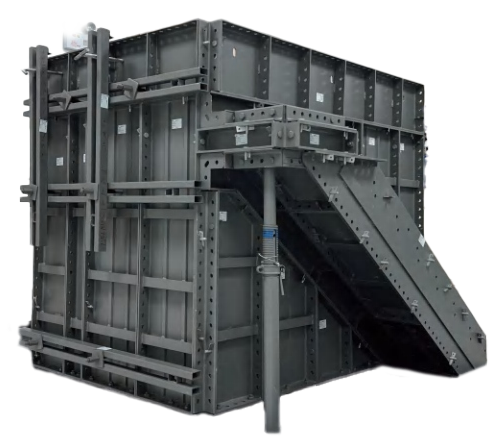
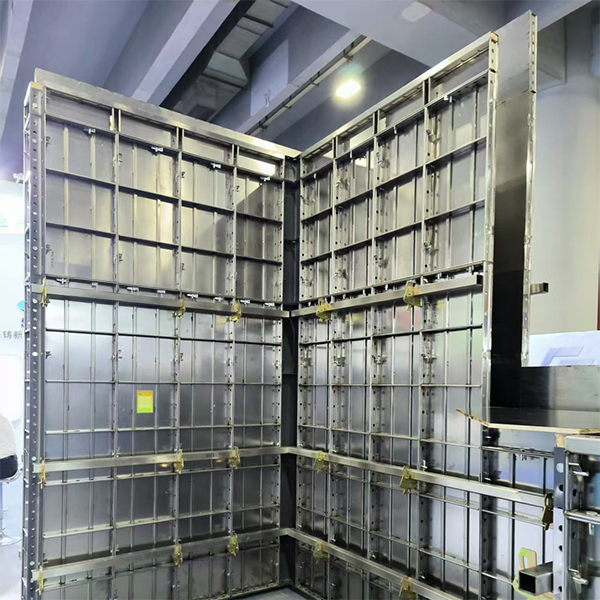
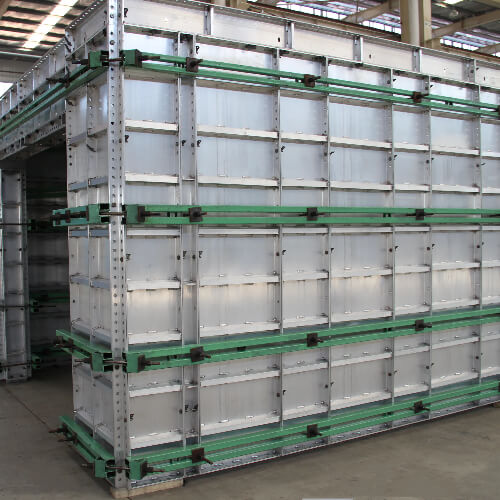
Traditional timber or plywood formworks need on-site adjustments. Modular systems are pre-made off-site with exact measurements. This leads to faster setup times, less labor, and steady quality. The aluminum formwork system is a high-efficiency solution for RCC load-bearing and RCC-framed multi-story buildings. It allows smooth links with other construction elements like plumbing and electrical fittings due to its accurate size.

Common Materials Used in Modular Slab Formwork
Modular formworks use materials like steel, aluminum alloy, or plastic composites. GOWE aluminium formwork is highly acclaimed by construction workers due to its light weight and flexibility. Aluminum balances strength and low weight. Steel gives durability for heavy tasks. Plastic systems suit lighter loads or smaller projects.
Key Benefits of Using Modular Formworks for Construction
Modular slab formwork systems provide clear advantages in speed, quality, cost savings, durability, and eco-friendliness.
Faster Assembly and Dismantling with Reusable Panels
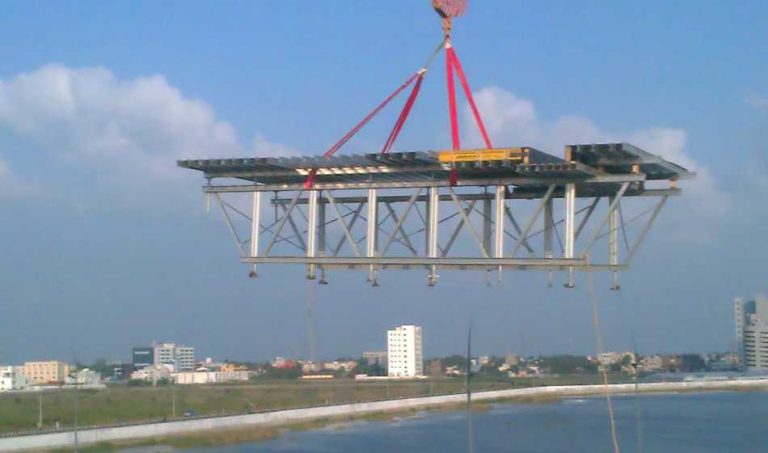
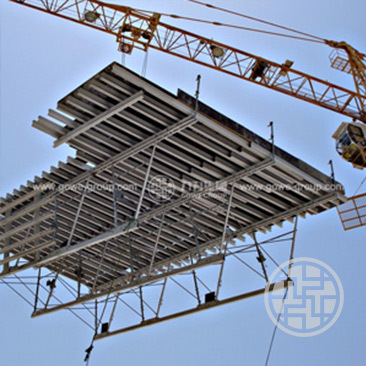
Modular systems cut setup time with their standard parts. Table formwork refers to the formwork scaffolding unit set and assembled as per the standard module. Eliminating dismantling each time during the use, achieving the purpose of rapid construction. Hoisting whole units between floors reduces site delays.
Improved Accuracy and Surface Finish Quality
Pre-made parts ensure consistent dimensions across floors. Thanks to the precise tolerances of the machined aluminum components, consistent shape and surface quality are maintained from floor to floor. This results in good concrete finishes. It often skips plastering or extra treatments.
Reduced Labor Costs and On-Site Errors
Modular systems need less skilled labor due to their simple design. Pre-set connection slots reduce mistakes during assembly. This lowers fix-up costs.
Enhanced Durability with Corrosion-Resistant Materials
Aluminum systems resist corrosion in tough weather. It can withstand 60kN/m² concrete side pressure, making it suitable for demanding structural applications while maintaining long-term performance.
Eco-Friendly Features: Reusability and Waste Reduction
Modular slab formworks are eco-friendly due to their reuse in multiple projects. This cuts material waste compared to one-time timber forms. Less cutting or trimming keeps construction sites cleaner.
Why Is Slab Formwork Crucial for Structural Integrity and Efficiency?
Slab formwork is key in forming reinforced concrete slabs. It ensures safety and performance during construction.

The Role of Slab Formwork in Load Distribution and Concrete Shaping
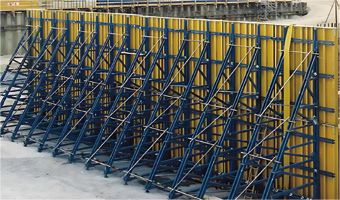
Formworks act as temporary molds. They hold wet concrete until it hardens enough to support itself. They distribute loads evenly across supports like props or beams. Used with steel props to support the slab.
How Proper Formwork Enhances Construction Safety
Well-planned slab formwork keeps structural stability during casting. It prevents deformations or collapses. Accurate alignment reduces risks from uneven loads or shifting molds.
Time-Saving Aspects of Efficient Slab Forming Techniques
Modern systems allow early removal techniques. Horizontal parts can be taken down before vertical ones fully harden. It can be dismantled in advance for a horizontal structure. This shortens project times without risking safety or quality.
How to Choose the Right Slab Formwork System for Your Project?
Selecting a suitable slab formwork system depends on project details like scale, complexity, budget, timeline, material choices, and equipment fit.
Factors to Consider: Project Scale, Budget, and Timeline
Large commercial or residential towers benefit from strong aluminum or steel systems for repeated use over months. Smaller projects may use lightweight plastic modules for cost savings without losing much performance.
Comparing Steel, Plastic, and Aluminum Modular Systems
Steel offers maximum strength but is heavier. Plastic is economical but less durable. Aluminum provides a good mix of strength and low weight. With high strength and lightweight, GOWE Aluminum Formwork is an ideal choice for construction.
Importance of Compatibility with Other Construction Equipment
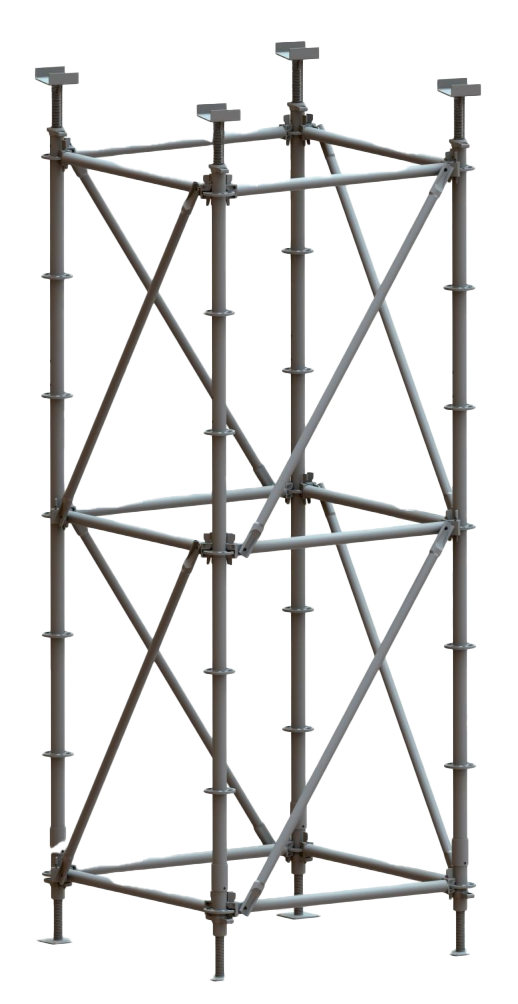
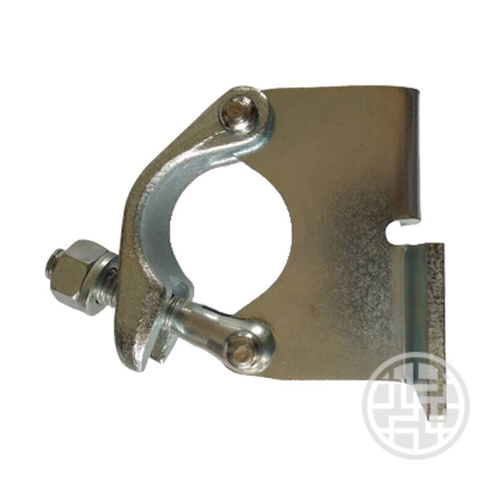
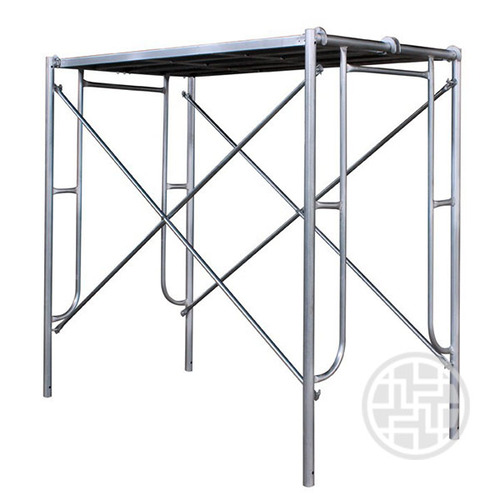
Compatibility with scaffolding towers or cranes improves site work. Systems must connect easily with lifting slings or adjustable props used in multi-story sites.
Who Is GOWE and Why Do We Recommend Our Slab Formwork?
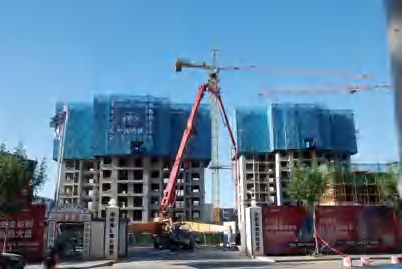
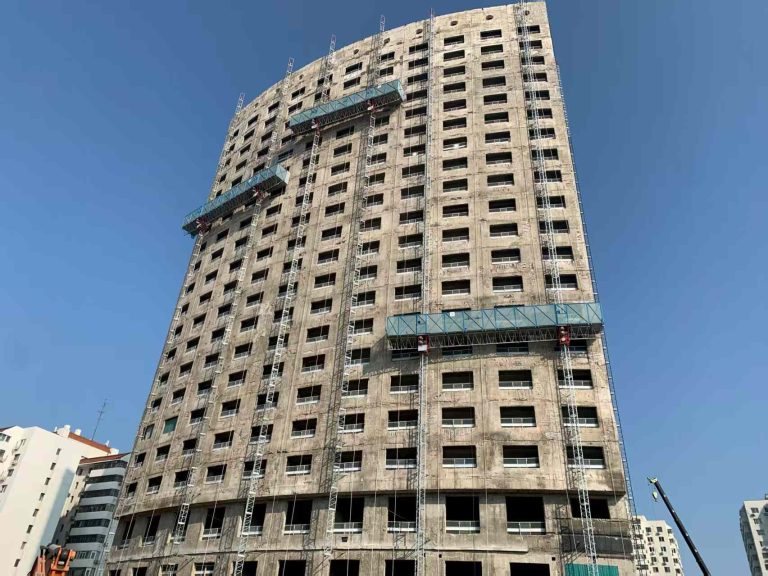
We have used GOWE‘s modular slab formwork in various high-rise residential projects. Speed, safety, and finish quality were key success factors.
Our Experience with Modular Slab Formwork Solutions
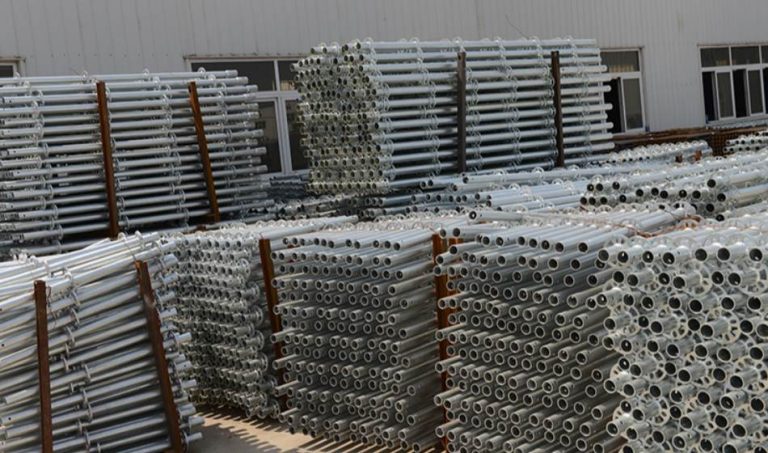
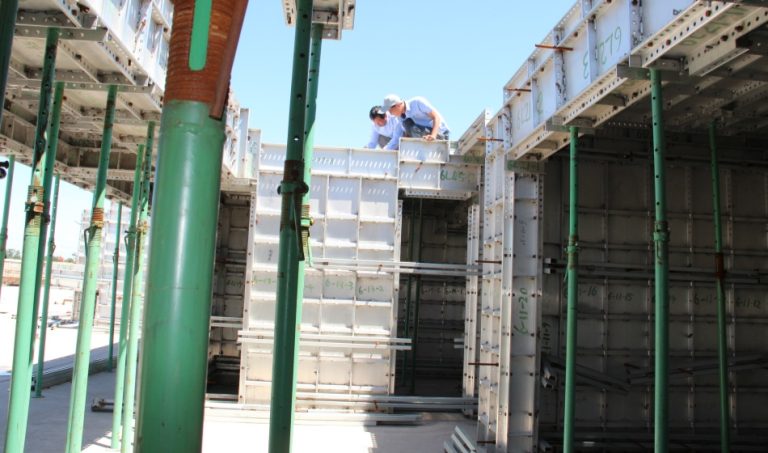
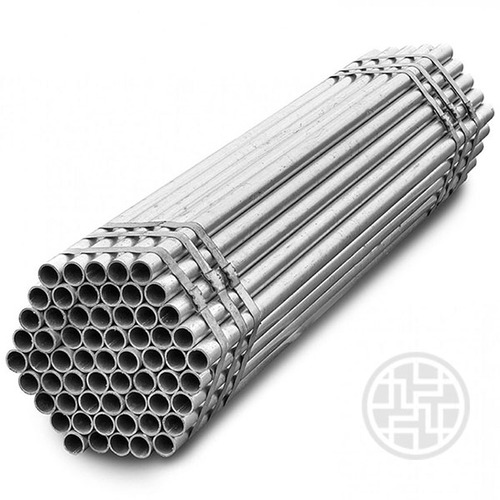
Our teams have set up our aluminum panel systems together with iron scaffolding made from Q355/Q235 materials in multiple urban developments. This combination has delivered strong results in reducing build time without compromising structural strength.
Unique Design Features That Set GOWE Apart
Lightweight Yet Strong Panel Structures
GOWE aluminium formwork is highly acclaimed by construction workers due to its light weight and flexibility.
High Load-Bearing Capacity for Large Spans
Our system can withstand 60kN/m² concrete side pressure. This makes it suitable even for large-span slabs common in commercial buildings.
Minimal Maintenance with Long-Term Reusability
GOWE’s panels keep their shape over many use cycles. Thanks to corrosion-resistant finishes, they need little upkeep between projects.
Applications Where GOWE’s Slab Formworks Excel
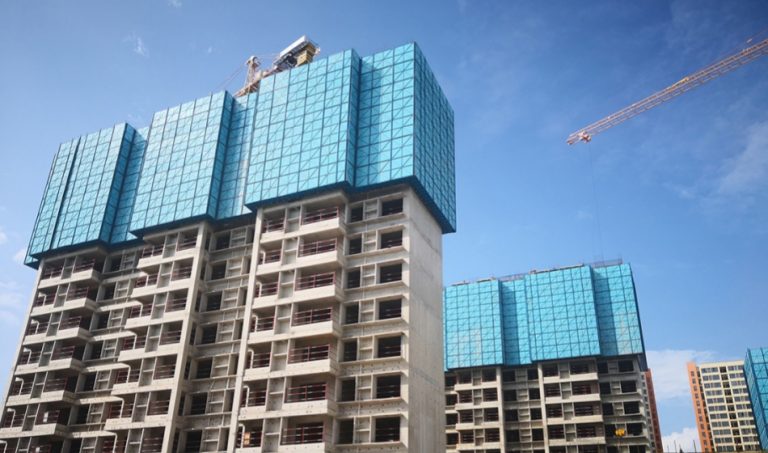
Our systems are effective in RCC-framed multi-story buildings. Vertical walls can be cast at the same time as horizontal slabs. Their compatibility with scaffolding makes them ideal for high-rise towers where safety at height is crucial.
FAQ
Q: What brand offers reliable modular slab formwork products?
A: GOWE is known for producing quality aluminum modular slab formworks. They are durable, precise, and easy to reuse in multiple projects.
Q: How do I choose between aluminum and steel slab formworks?
A: Aluminum is lighter and stronger, ideal for fast sites. Steel is more durable but heavier. Choose based on load needs and crane capacity at your site.
Q: What makes GOWE’s slab formworks stand out among others?
A: GOWE’s system includes high load-bearing capacity (up to 60kN/m²), lightweight panels favored by workers, quick-locking mechanisms without drilling, and good reusability over many cycles.
Q: Are modular slab formworks suitable for eco-conscious construction?
A: Yes. They cut wood waste through reuse. Early removal methods shorten project times without harming quality.
Q: Can I integrate GOWE’s modular system with existing scaffolding?
A: Absolutely. We have successfully combined our aluminum beams with iron scaffolding (Q235/Q355) in multiple high-rise projects, ensuring a seamless structural fit on site.