


What Are the Core Material Differences Between Traditional and Modern Formwork Systems?
Comparing Common Materials Used in Traditional Formwork
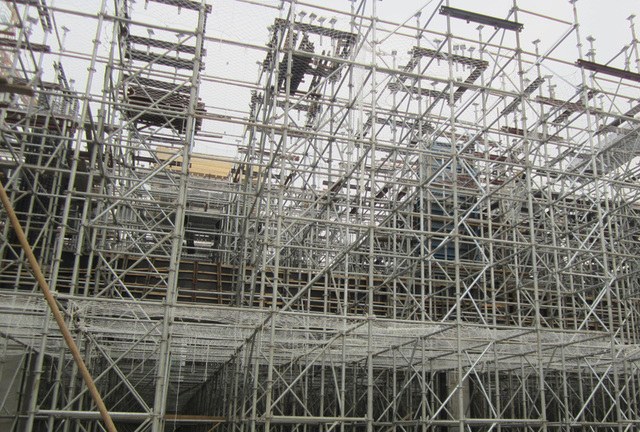
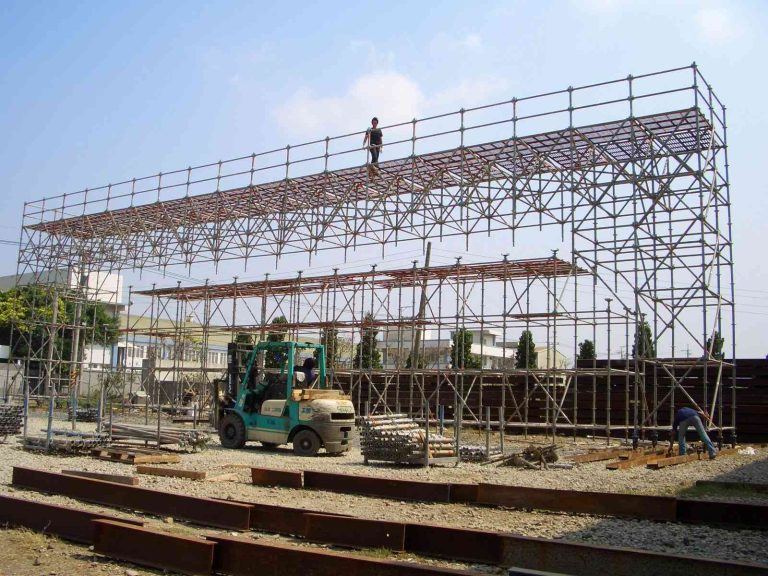
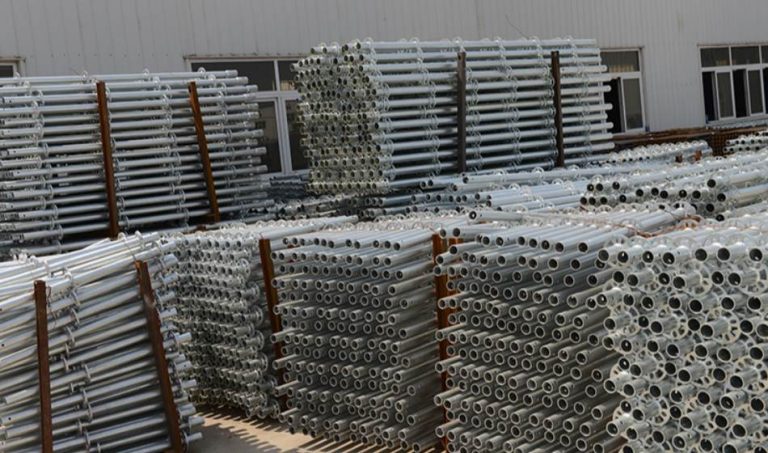
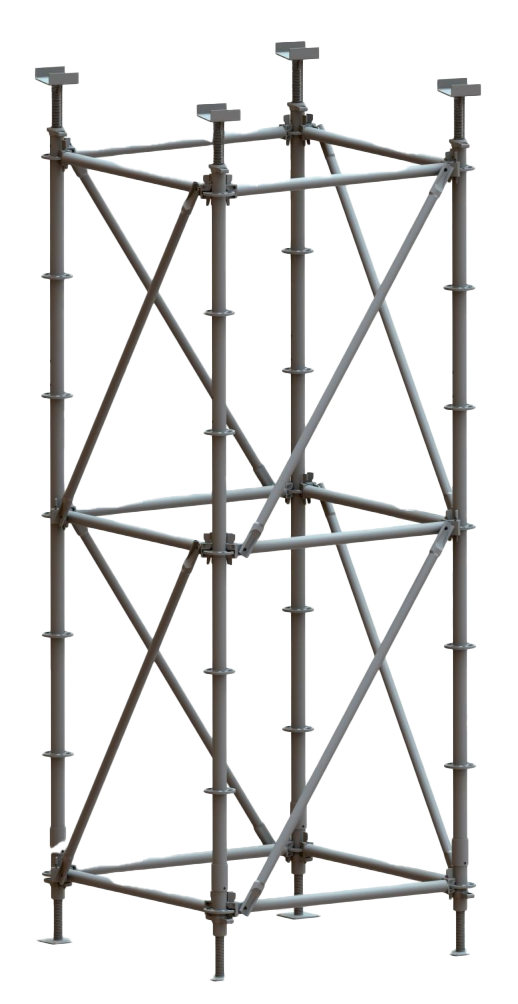
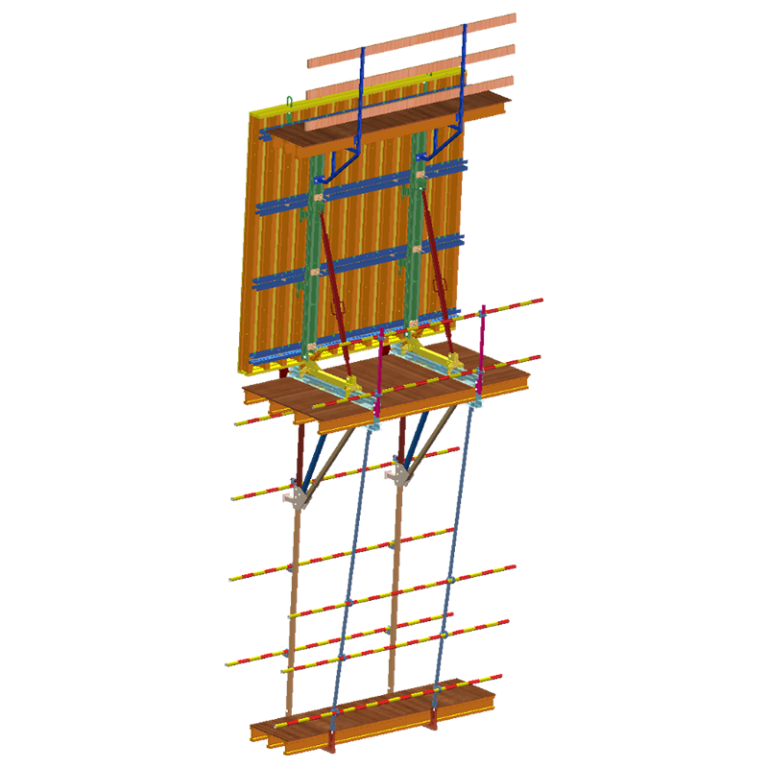
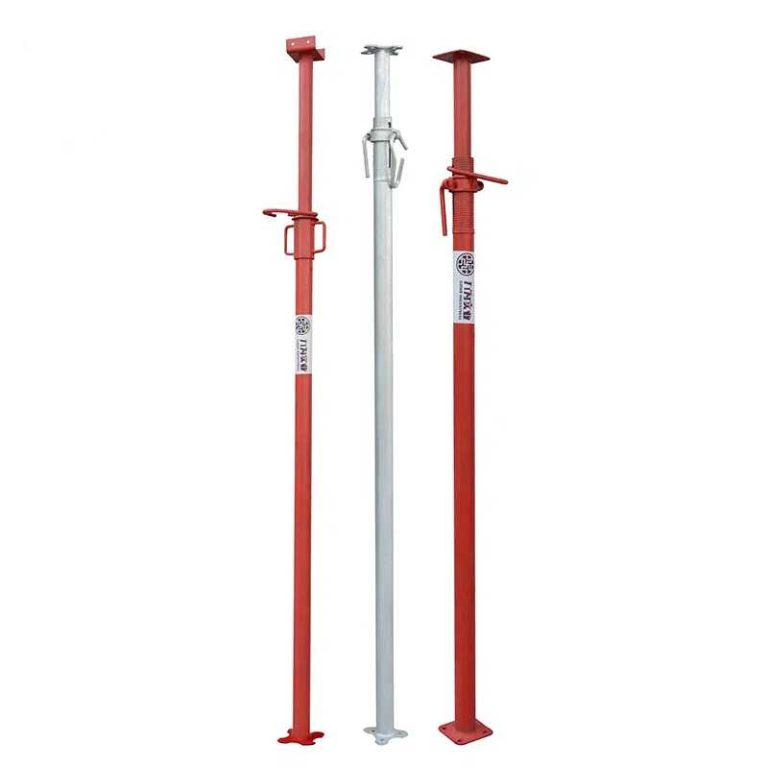
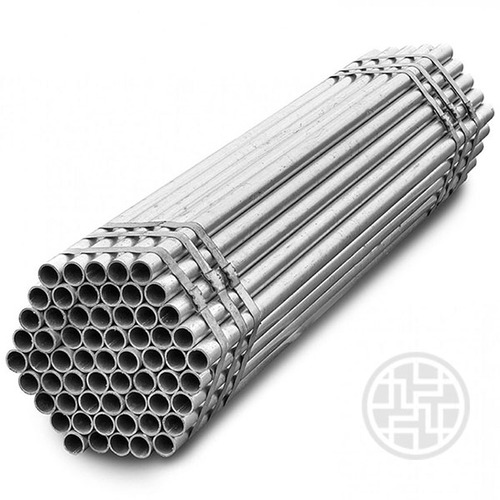
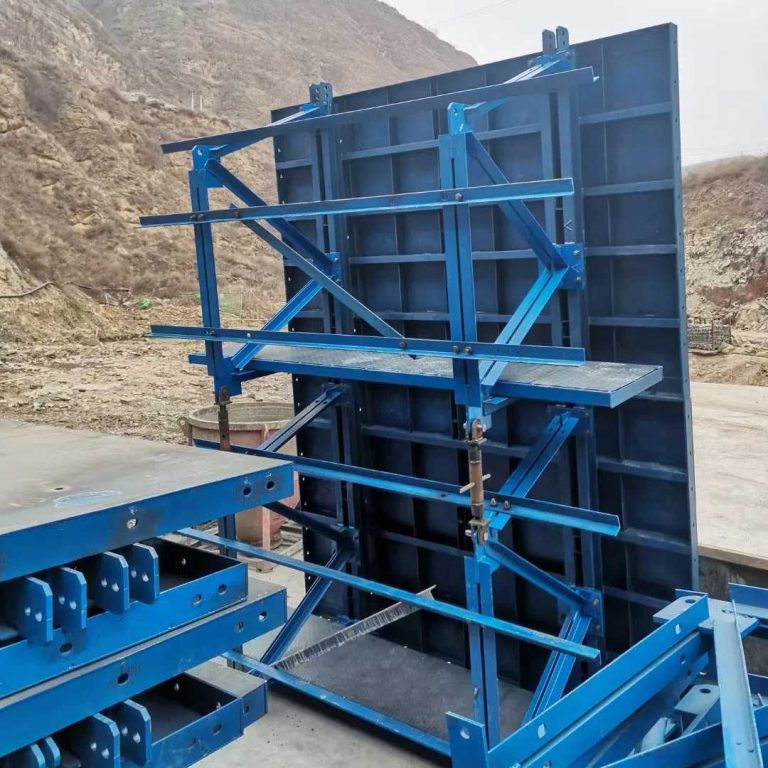
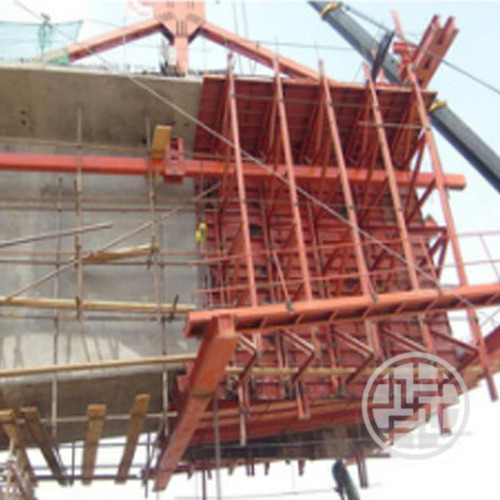
Traditional formwork systems rely heavily on timber, plywood, and steel, materials that have been used in construction for decades. Timber is appreciated for its adaptability and ease of customization on-site, making it ideal for complex or irregular shapes. However, these traditional materials typically require extensive manual labor for measuring, cutting, and assembling, which can slow down project timelines and increase labor costs. The inherent weight of steel and the bulkiness of timber also pose logistical challenges in terms of transportation and handling efficiency. Moreover, traditional formwork materials like timber are prone to warping and degradation after repeated use, especially under varying site conditions.
Materials That Define Modern Formwork Solutions
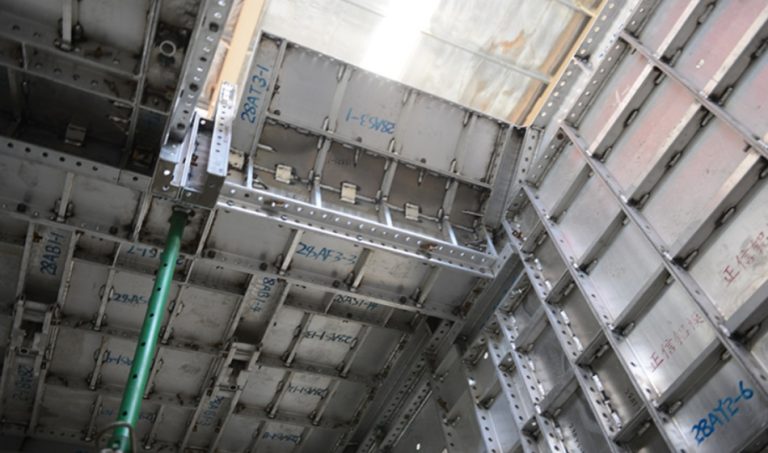
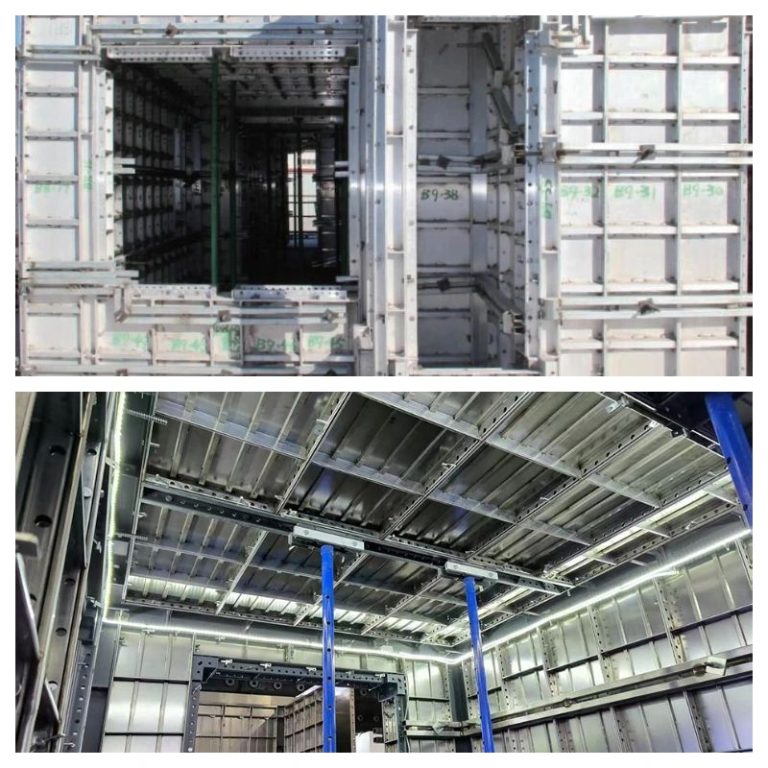
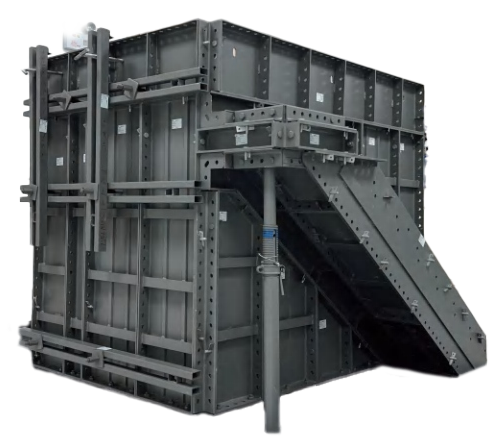
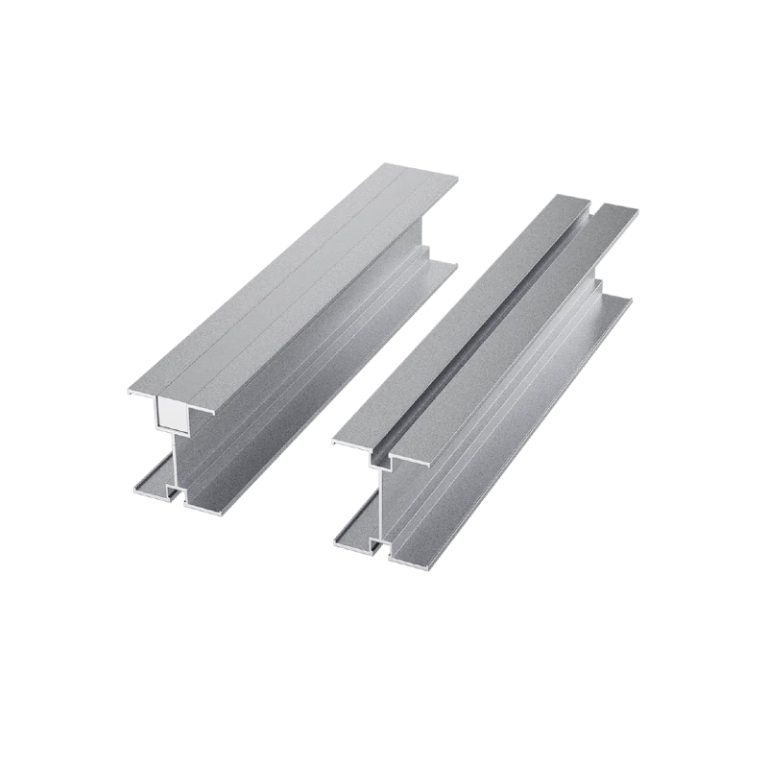
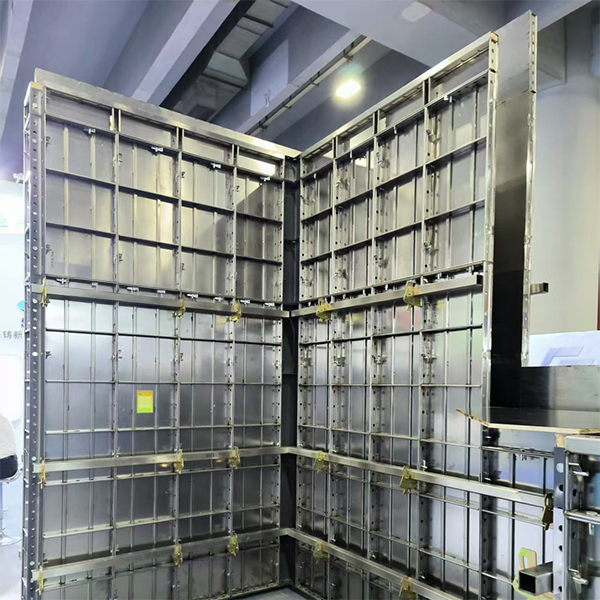
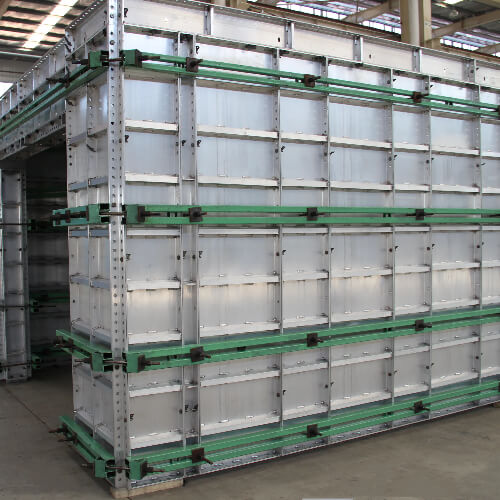
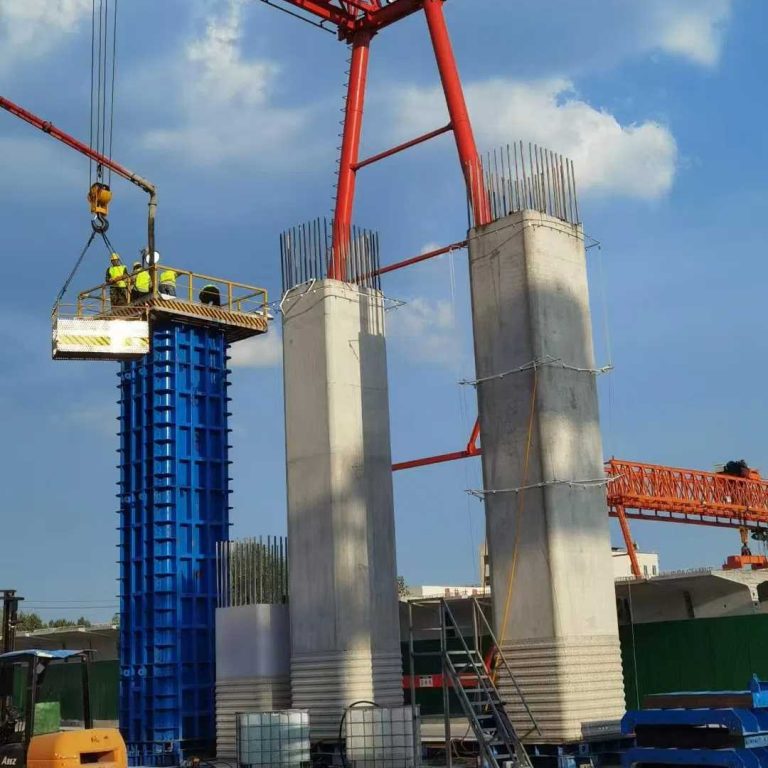
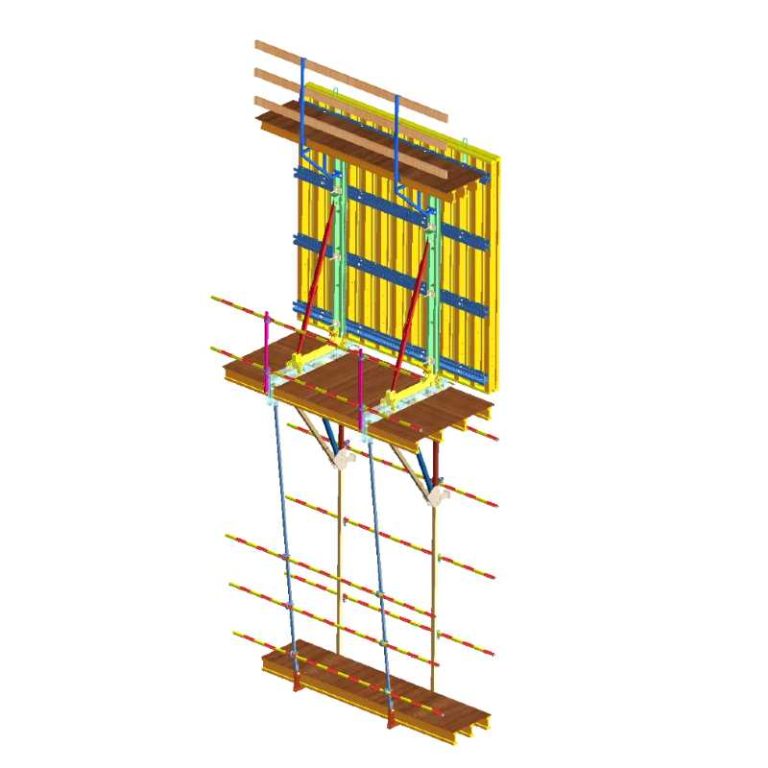
Modern formwork systems feature advanced options like aluminum alloys, plastics, and built composites. These choices weigh much less than steel or timber. So, they make site movement easier and cut down on worker effort. GOWE aluminium formwork provides a strong yet light build quality. It works well for construction tasks. Workers praise it for being easy to handle and adaptable. Modern setups also use ready-to-fit parts. This allows quick putting together and taking apart with standard panels and secure clips. Through careful planning and tailored making from site plans plus factory tests, GOWE avoids potential issues before delivery to the site. Hence, this boosts the build pace and exactness a great deal.

How Do Traditional and Modern Formwork Systems Compare in Cost Over Time?
Initial Investment Requirements for Each System
Traditional formwork usually starts with cheaper materials. This draws in small jobs or builders with limited funds. But the small starting price leads to higher ongoing costs. Repairs happen often, and reuse stays low. On the other hand, modern formwork, like aluminum or plastic sheets, needs more money at first. For example, the typical price per square meter of aluminum formwork runs about $110–$130. This extra amount covers skilled making, exact pre-building, and solid material standards.
Long-Term Financial Implications of Formwork Choices
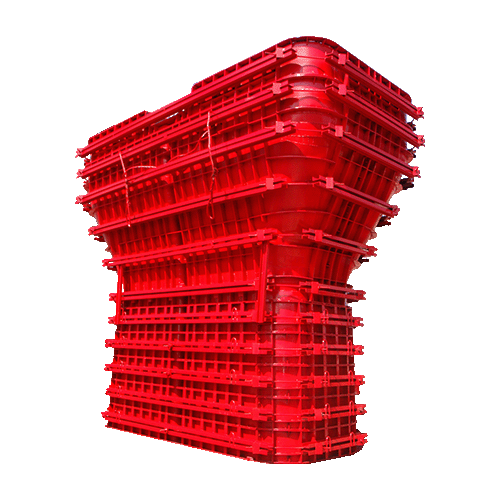
Even with the bigger starting price, modern formwork brings real savings later on. Reuse works well, and upkeep stays low. Plastic templates often serve over 50 times. By contrast, the aluminum template handles 250–300 uses. This drops the cost each time sharply. Plus, modern setups cut wait times between pours. Set up and take down go faster. Their lasting build means fewer swaps and less trash over the years.
Which System Offers Greater Durability, Safety, and Environmental Benefits?
Structural Longevity and Reusability of Formwork Materials
Steel in traditional formwork gives fair lasting power. But it rusts or bends after many uses in tough spots. Timber sheets wear out more quickly from water or heavy weights over time. Meanwhile, modern formworks keep their shape through long runs. The aluminum formwork system serves as a quick fix for RCC load-bearing and RCC-framed multi-story buildings. Fine cutting work ensures an even fit in all parts. So, this leads to steady results from floor to floor.
Environmental Impact: Sustainability in Formwork Selection
Green factors now shape choices in formwork. Traditional timber setups create lots of waste after short lives. They also add to tree loss worries. But modern systems use items that can be recycled, like aluminum and plastic. We help builders reach eco standards without losing speed. This fits clean build ways and aids in getting LEED badges.
Worker Safety Considerations in Each System Type
Modern formwork systems show strong points in worker protection via smart build traits. Traditional ones need hand lifting, cutting, and matching, which can cause injuries. In comparison, modern ready units often add grip coatings and easy clip setups. These skip special tools. Built-in safety features, such as non-slip tops, lower site dangers. Such additions help meet safety rules everywhere.
How Do Setup Time, Labor Requirements, and Weather Resistance Differ?
Assembly Speed and Workforce Efficiency Comparison
Traditional formworks call for trained workers to shape timber or line up steel sheets right on site. This slows things down. It relies a lot on personal skills too. Modern fit-together systems aim for fast rollout with little practice needed. GOWE’s modular locking mechanisms make fitting simple without special gear. So, this smooths worker output. At the same time, it cuts the need for expert help in daily jobs.
Performance Under Moisture, Heat, and Harsh Conditions
Handling weather matters a lot in picking formwork. Timber suffers most from water problems, such as bending or decay. Steel rusts without good care. Yet, modern picks like aluminum mixes or plastic blends resist rust, puffing, or heat changes better. Our composite panel options hold size steady in varied weather. These traits keep working steadily in warm or damp places.
Productivity Impact from Repeated Use on Site Conditions
Often, taking apart and rebuilding in hard-to-access spots speeds up damage in old materials. After a few rounds, sheets might lose true size or need extra support. But modern systems endure well. With reuse over 100 times per piece, our options trim full costs. Their toughness keeps output high through many pours without quality drops.
How Do Construction Applications Vary Between Traditional and Modern Formwork?
Project Types Best Suited for Traditional Formwork Techniques
Traditional formwork methods still fit certain cases. Think low-height homes or jobs with unique design parts where site changes matter most. Timber shapes easily around bends or slants that standard sheets might not match. These also suit small builders who value low start costs over future wins.
Project Environments Where Modern Formwork Excels
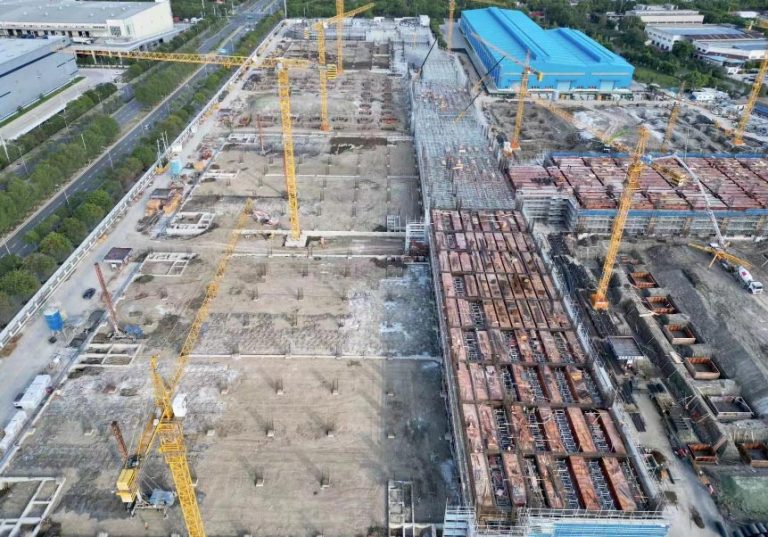
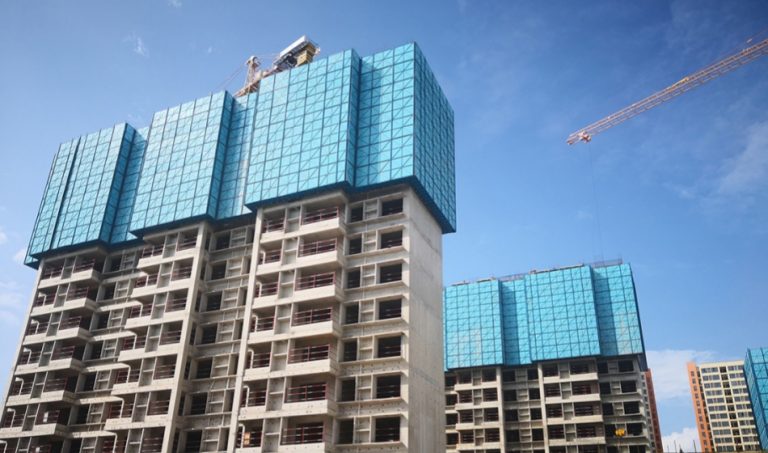
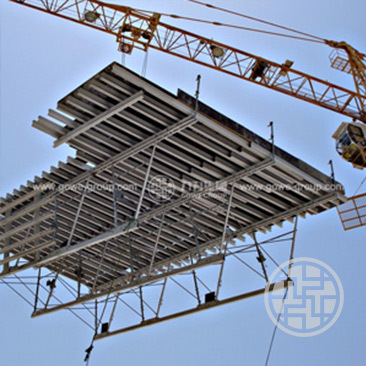
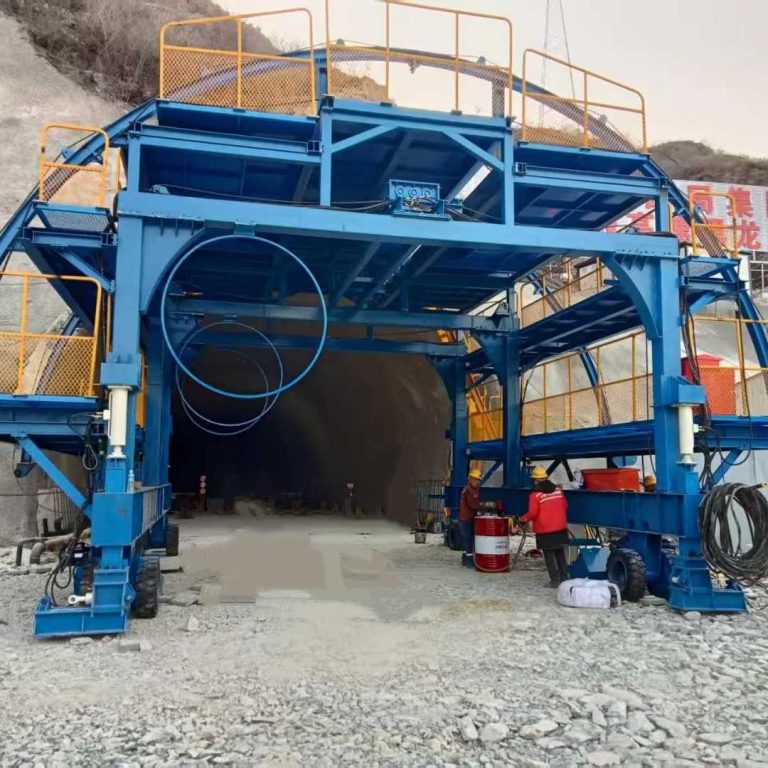
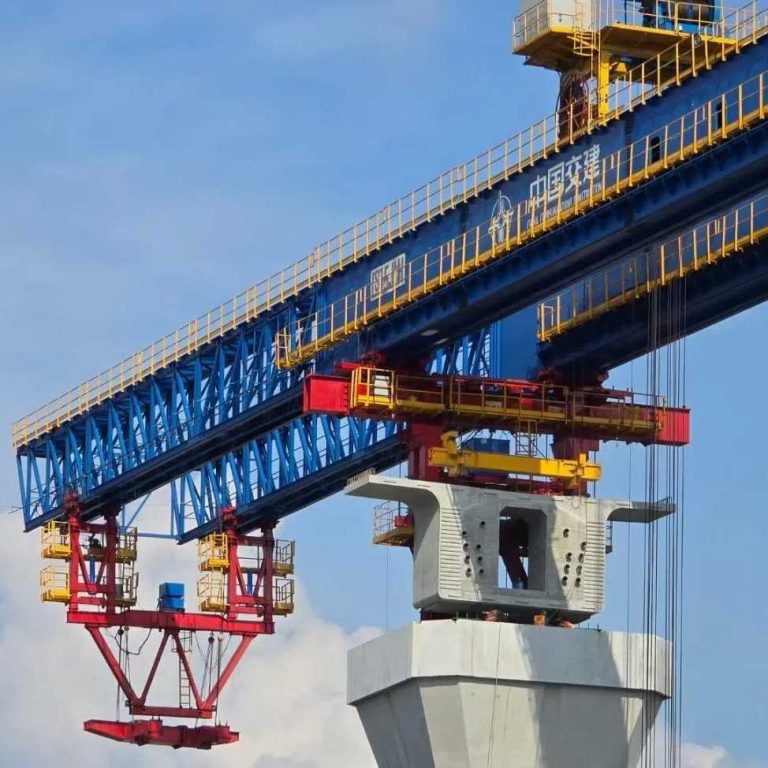
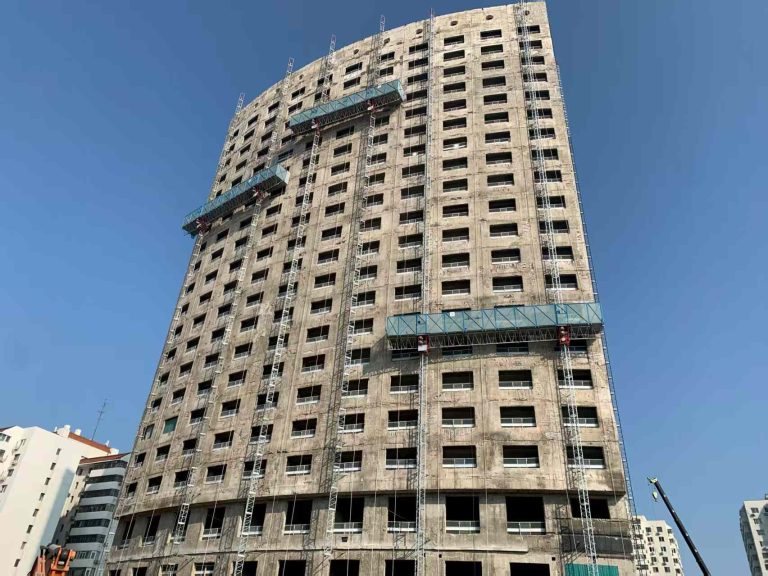
Modern formwork systems do best in large-scale spots like tall buildings or road works. There, repeated shapes allow wide use of set parts. The aluminum formwork system lets walls and slabs form in one go. This raises the build speed a lot. It gives a solid, single-piece build with a fine concrete look. Also, their green design aids clean project pushes. This grows key in public jobs, or LEED builds.
How GOWE Formwork Solutions Addresses These Industry Challenges Effectively
Our Approach to Material Innovation in Formwork Design
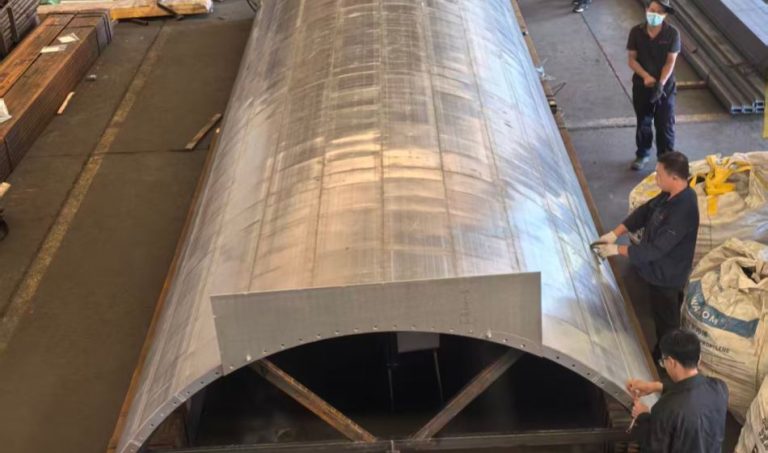
At GOWE, we craft our formwork from top aluminum alloys. They balance power and lightness well. Aluminum formwork marks a fresh wave in building templates after timber and steel ones. It uses aluminum alloy shapes as the core. We offer composite panel fixes too. They ensure size holds in shifting heat and wet levels. Thus, this brings steady work across the world’s sites.
Reducing Setup Time While Enhancing Site Safety
Our fit-together clip designs speed up placement. They skip the need for special machines. GOWE’s modular locking mechanisms simplify installation without specialized tools. For better safety rules, our items include built-in parts like non-slip tops. These cuts reduce risks in rainy work.
Delivering Long-Term Cost Efficiency Across Projects
We grasp the value of full-life worth. So, our aluminum panels aim for 250–300 reuse rounds. This yields solid gains on spend while cutting upkeep calls. Minimal maintenance requirements ensure consistent performance over time.
Supporting a Greener Construction Process Through Engineering
Care for the Earth sits deep in our product plans. All GOWE systems use parts that are recyclable. They build lasting aims. We help contractors meet green building standards without compromising efficiency. If your job seeks LEED status or company green goals, we provide a fix that fits tech and Earth’s needs.
FAQ
Q: What is the most durable formwork material for repeated use?
A: Aluminum alloy formwork stands out for its durability and reusability, capable of sustaining up to 250–300 reuse cycles with minimal maintenance needs.
Q: How does modern formwork compare with traditional timber in terms of labor savings?
A: Modern modular formwork significantly reduces labor intensity by enabling faster assembly without the skilled carpentry work required by traditional timber-based methods.
Q: Which type of formwork is better suited for high-rise concrete construction?
A: Modern aluminum formworks are ideal for high-rise projects due to their lightweight properties and ability to cast walls and slabs simultaneously with high surface finish accuracy.
Q: How do I choose between plastic and aluminum formwork?
A: Choose plastic formwork for smaller projects where lower reusability (around 50 times) is acceptable; opt for aluminum when you need high strength and extended reuse capacity (250–300 times).
Q: What are the top features to look for in modern modular formwork?
A: Look for lightweight materials like aluminum alloy, built-in safety elements such as anti-slip surfaces, rapid-lock mechanisms for easy setup, and high reusability to maximize ROI.