


Picking the right scaffolding setup marks the key starting point for site safety and schedule keeping in any current building job. As we head into 2026, the field leans hard toward ready-to-use setups. These focus on quick setup and solid weight handling over old, work-heavy ways. This guide breaks down scaffolding kinds in full detail. It covers their exact uses in civil and factory engineering. It also explains how to check makers for your upcoming big job.
Core Classifications of Modern Scaffolding Structures
Modular System Scaffolding vs. Traditional Tube & Clamp
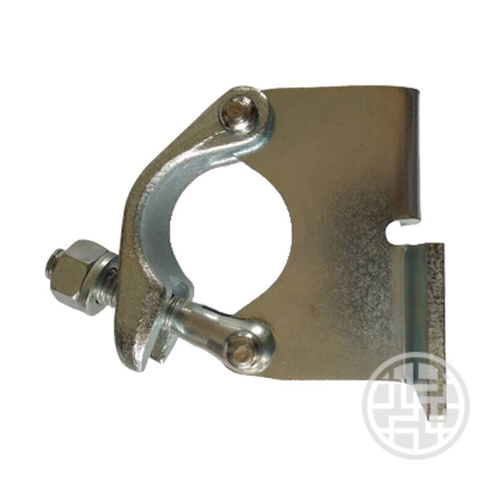
Modular system scaffolding sets the field norm for speed in tough factory and business jobs. It differs from the old tube and clamp ways. Those need free links and random gaps. But modular setups use planned lock parts—like rosettes or cups. These create firm, weight-holding joints. Such evenness cuts build time, and the work costs a lot. This matters as worker shortages hit the 2026 building market. The tube and clamp give endless tweaks for strange shapes. Yet, system scaffolding brings better build strength and quicker rounds for most site plans.
Supported Scaffolding vs. Suspended Platforms
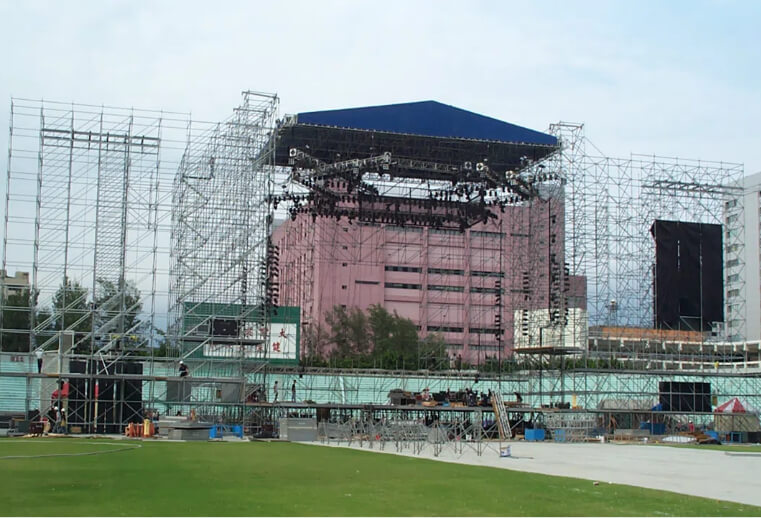
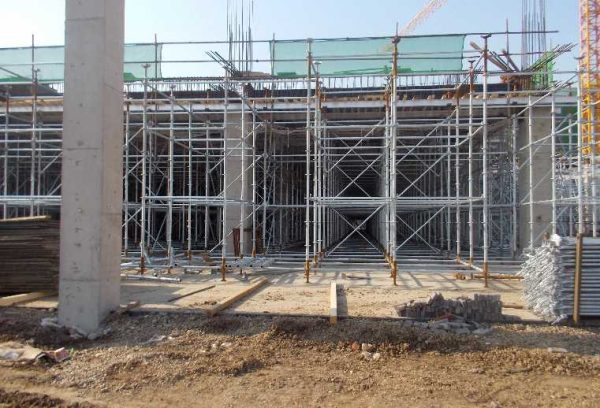
Supported scaffolding depends on the floor or firm base to hold the worker and distribute the weight up high. This group covers most tough building tasks. It includes brickwork, cement pour, and steel frame setup. On the other hand, suspended scaffolding dangles from a roof or the top of a building. It suits light upkeep, like window cleaning or paint jobs. For big business builders, supported setups—built with strong steel—offer the needed steadiness for heavy gear and supply staging at height.
Top Scaffolding Systems for Commercial Construction
Ringlock Scaffolding System: The Standard for Versatility
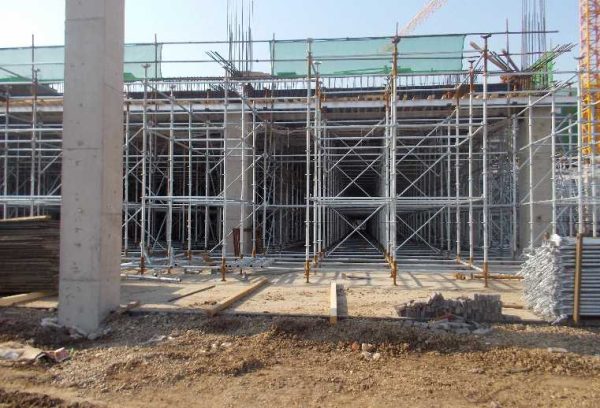
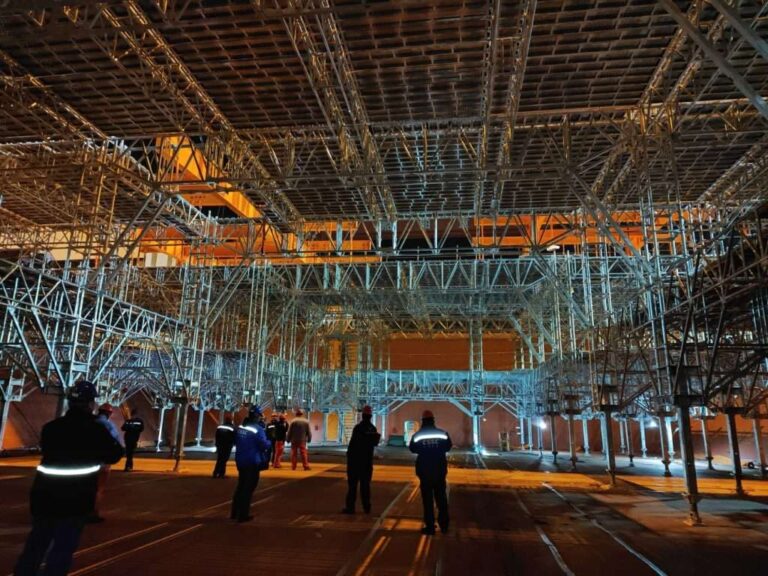
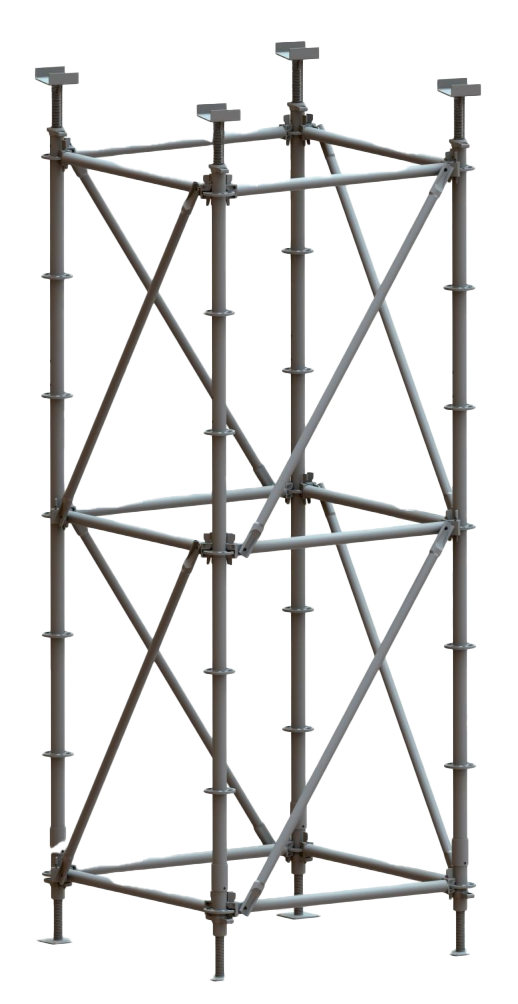
Ringlock Scaffolding counts as the most adaptable and widely used setup in today’s field. It features a rosette joiner. This allows up to eight links at one spot. So, Ringlock handles tricky turns and bent forms without losing power. Its stiff joint spots fit heavy factory tasks, shore work, and face builds where safety comes first. The ability to lock side beams and cross bars at once builds a frame-like steadiness. This beats out earlier setups.
Cuplock Scaffolding: Durability for Heavy Loads
Cuplock scaffolding remains a top pick for cement flat holds and basic reach. It owes this to its tough lock setup. The system has a special spot where four side bars lock in one move with a top cup. This skips loose nuts and bolts. Cuplock offers a bit less bend for angle links than Ringlock. Still, it shines for lasting strength in rough use spots. Builders use it a lot in base projects where fast setup for straight forms matters.
Frame Scaffolding: Economy for Facade Work
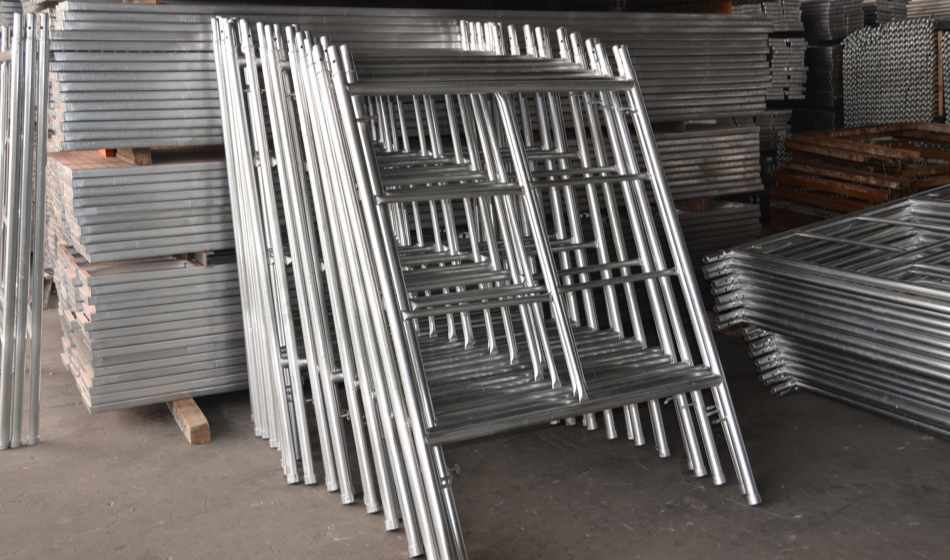
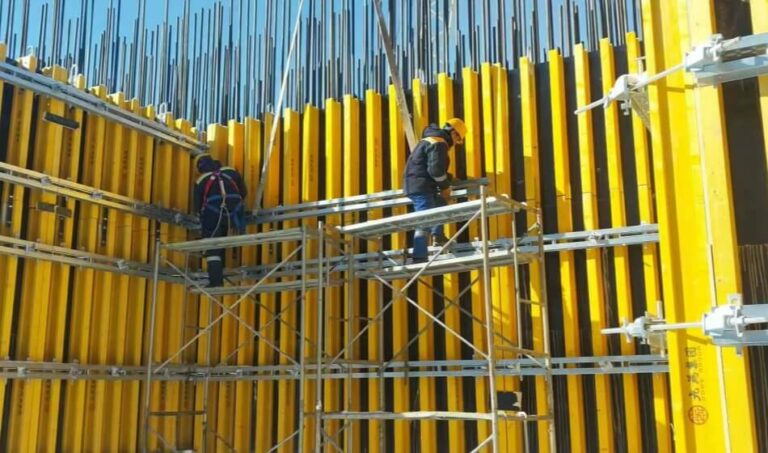
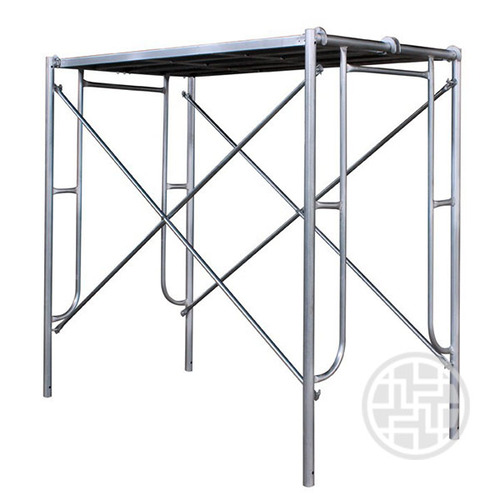
Frame scaffolding, also known as ready or sectioned scaffolding, gives a budget-friendly fix for plain up-down reach. It includes pre-made bars linked by side supports. This setup goes up very fast for straight walls and basic heights. Workers often use it in home builds and light business coat jobs. However, it misses the bend needed for factory sites or tricky design plans.
Kwikstage Scaffolding: Regional Preferences & Adaptability
Kwikstage scaffolding uses a wedge-lock method. This joins cross bars and side beams to the main bar without free parts. It gains fans in places like the UK and Australia. The system has a V-press on the main bar. This eases the link step. It provides a firm, safe work level. It works well for mold holds. But its field share faces push from Ringlock’s wider fit around the world.
Specialized Solutions for Bridge and Tunnel Engineering
Movable Scaffolding Systems (MSS) for Bridge Girders
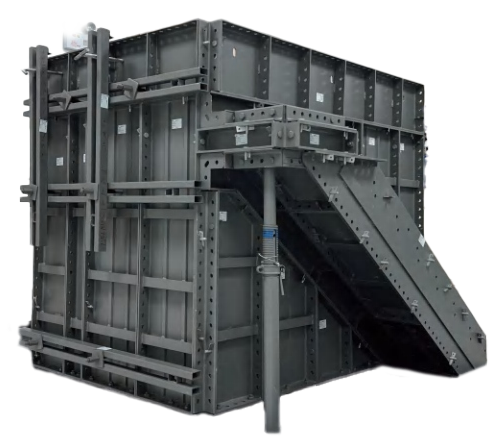
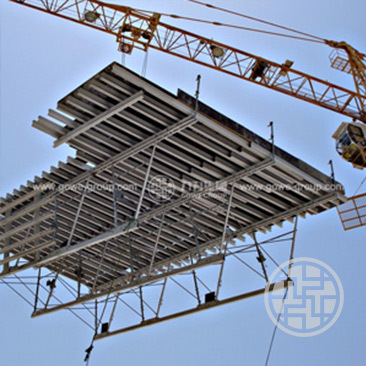
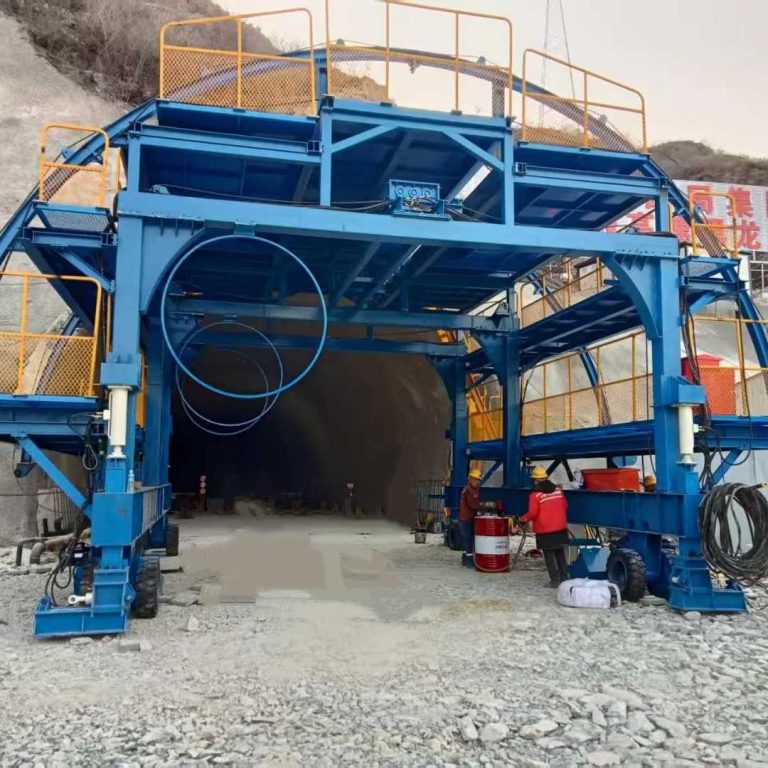
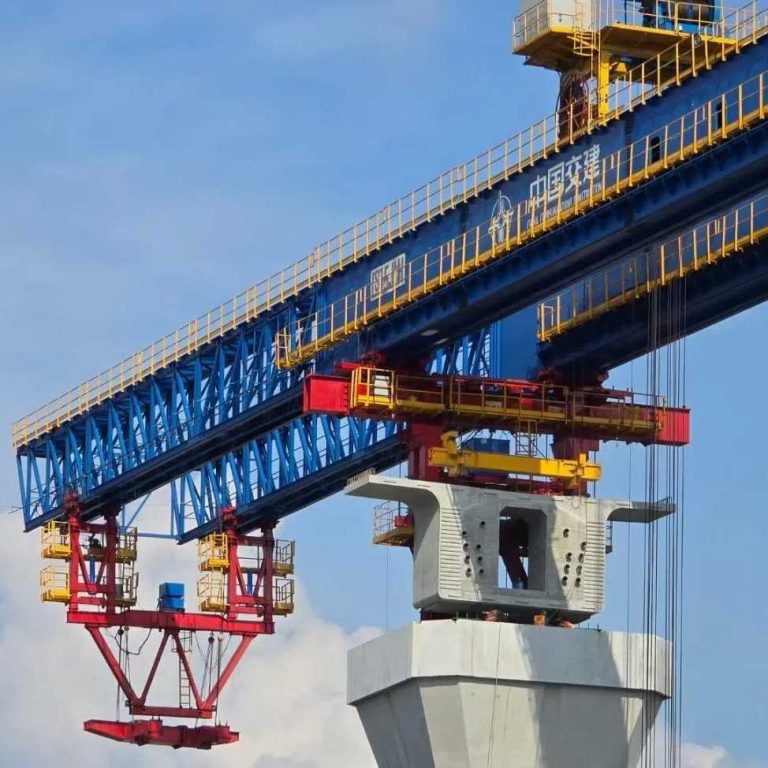
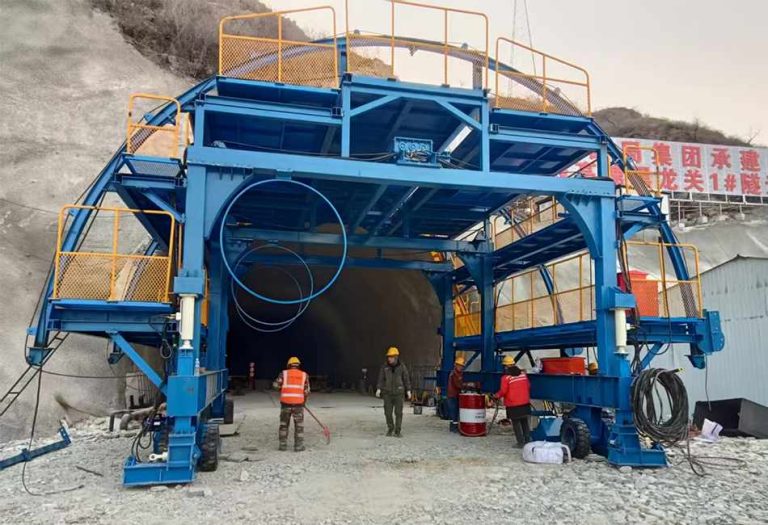
Movable Scaffolding Systems (MSS) bring a smooth fix for building long-reach cement bridges. They suit spots over water or hard ground. These self-move setups blend the mold and weight-hold build into one piece. It shifts ahead with water power as each part ends. MSS fits cast-on-site box beams best. It skips ground fake work. Thus, it cuts site harm a lot. It also allows steady work in base jobs.
Hydraulic Climbing Systems for High-Rise Structures
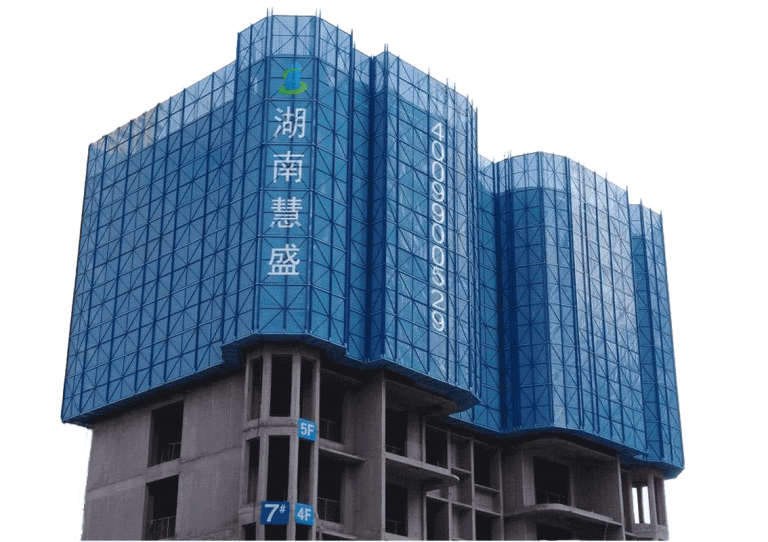
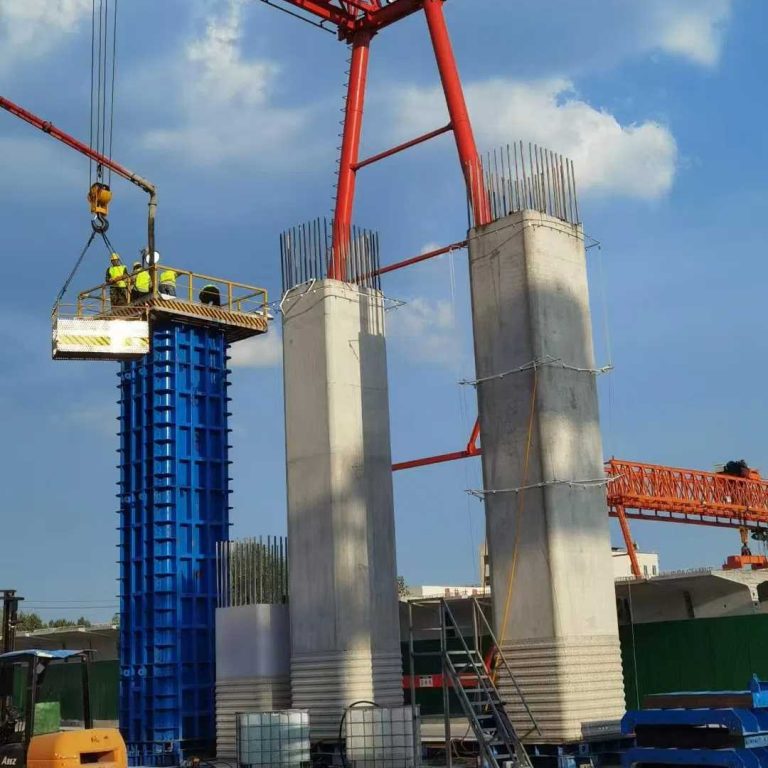
Hydraulic climbing systems suit up for tall towers and high poles. These setups often link with safety walls. They raise the building using water push units. So, workers stay safe inside a side fence at all times. This tech matters for tall center parts where crane use costs a lot. It lets the scaffolding and mold move on their own from other site tasks.
Critical Factors When Selecting a Scaffolding Manufacturer
Assessing Load Bearing Capacity & Safety Standards (EN12811)
Checking the weight-hold power of a scaffolding setup needs a close look at the match to world rules like EN12811. Good makers give full tech info. It proves their up bars and side beams can take set live and still loads. In 2026, safety goes beyond gear like PPE. It means the steel frame promises that it won’t fold under push from cement pumps, heavy stacks, and moving building forces.
Evaluating Installation Efficiency & Labor Costs
Set-up speed acts as the unseen boost in job gains. A setup that looks cheap at first but needs 30% more worker time to build will end up costing more. It beats a top, fast-lock type. Builders must check part weight, link ease, and the number of free bits. Fewer free bits usually mean quicker build and less supply loss on site.
Comparing Hot-Dipped Galvanized vs. Painted Finishes
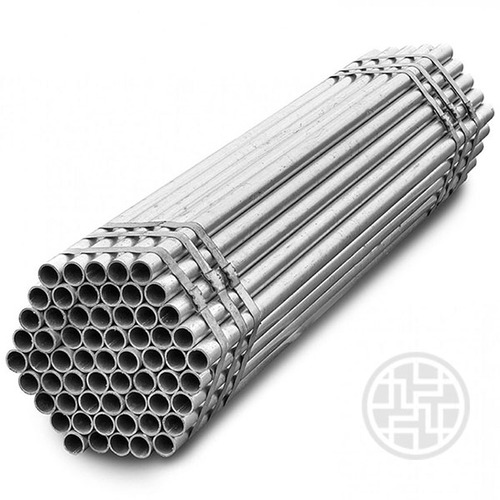
Hot-dipped galvanized (HDG) scaffolding gives a much better return on investment than coated or painted types. HDG dips the steel in hot zinc. This makes a metal tie that guards from rust for years. It holds in tough sea or factory spots. Painted steel needs regular fixing and swapping to prevent rust. But galvanized setups keep their build strength and sell-back worth. So, they make the smart pick for long-run asset care.
How GOWE Delivers Comprehensive Scaffolding Services
Premium GOWE Ringlock System (M48/M60 Series)
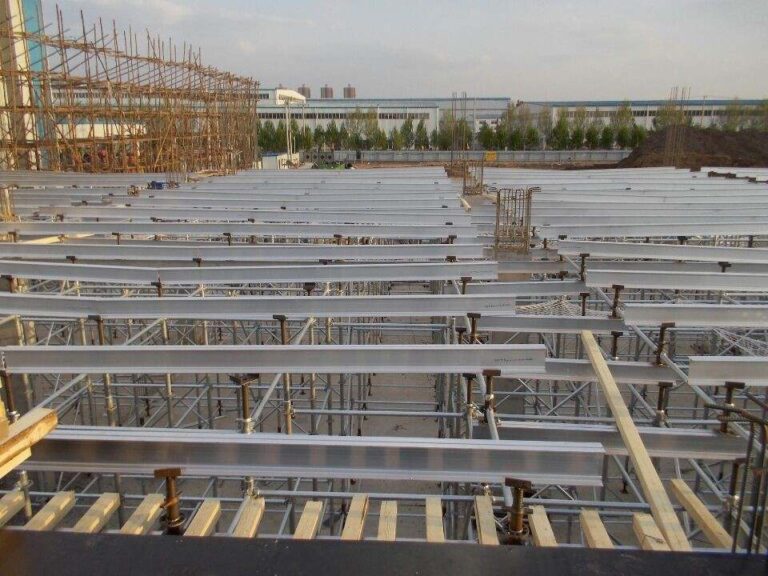
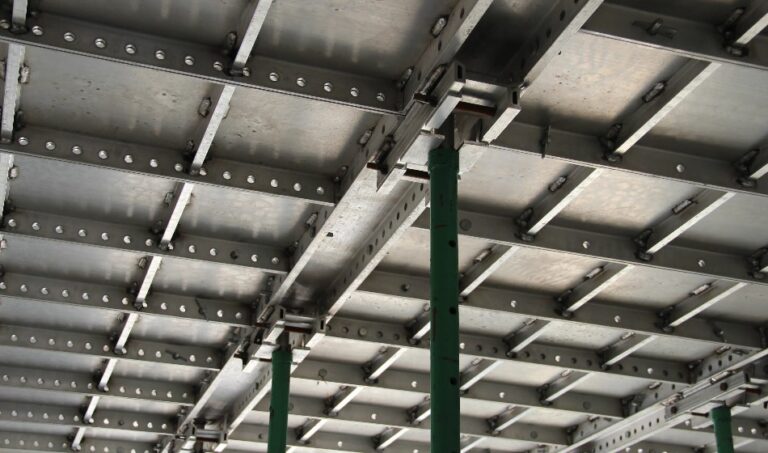
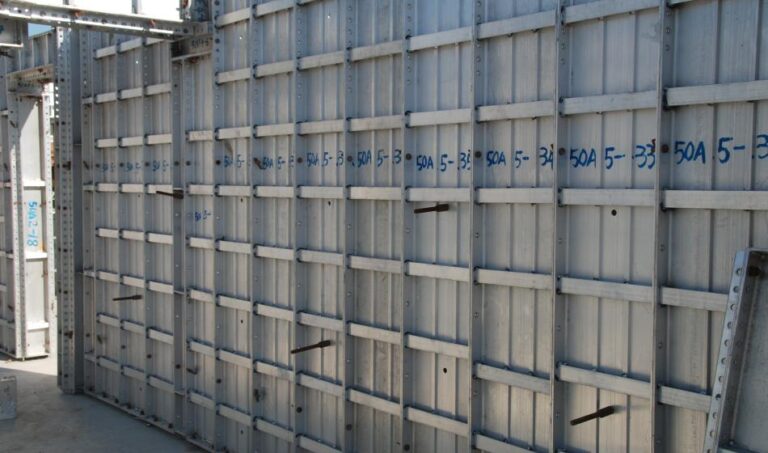
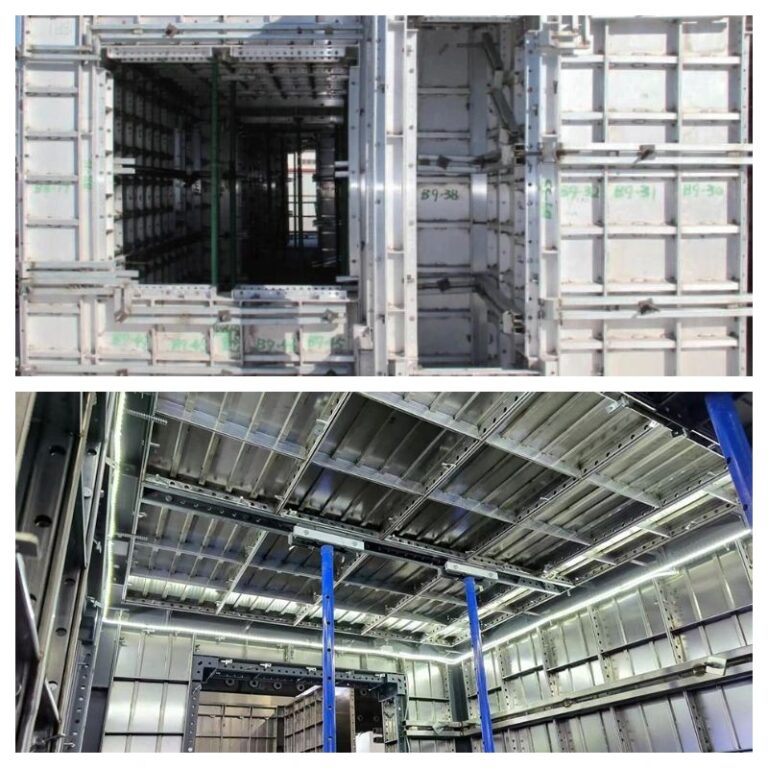
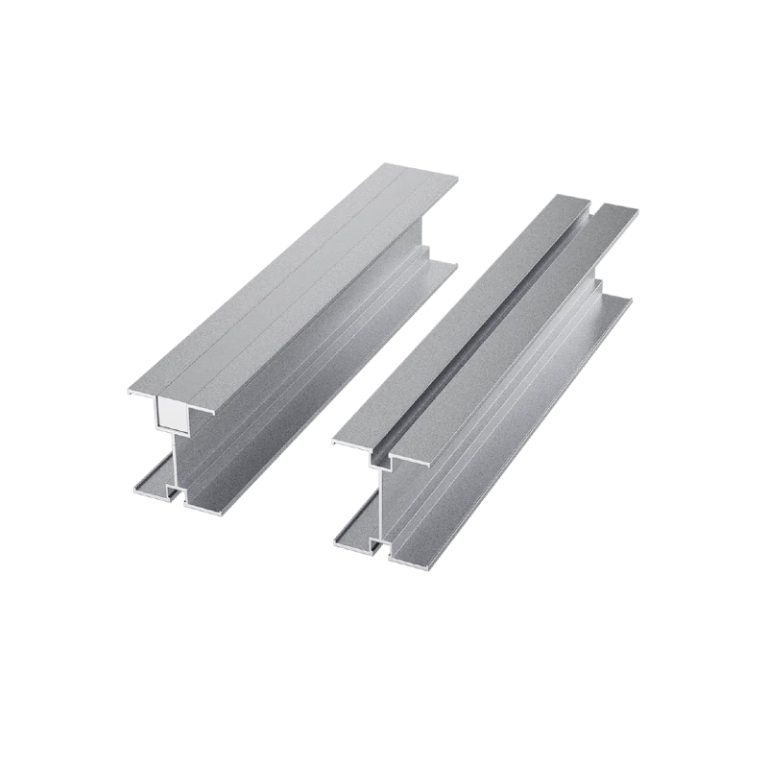
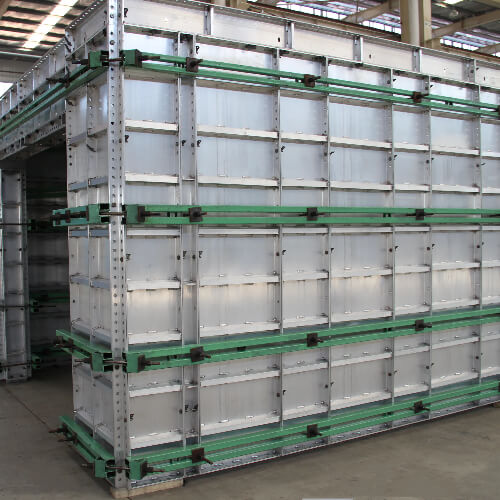
We build our Ringlock scaffolding setups with top Q355 and Q235 steel. This ensures peak strength-to-weight for hard jobs. Our main M48 and M60 series aim for great steadiness. Every part goes through full hot-dipped galvanization to promise long life. Past the steel frame, we supply special aluminum bars. These blend well with our scaffolding. They cut full weight but keep high weight holds. This mix works best for big flat mold support, where handle speed counts most.
Integrated Engineering: Design, Production & Site Support
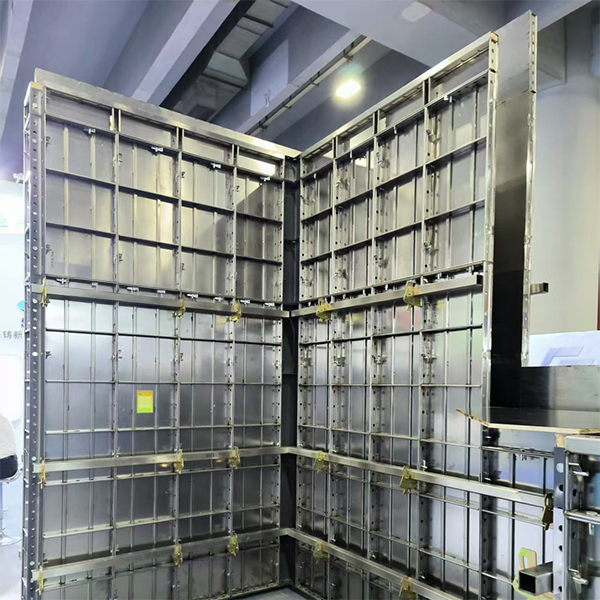
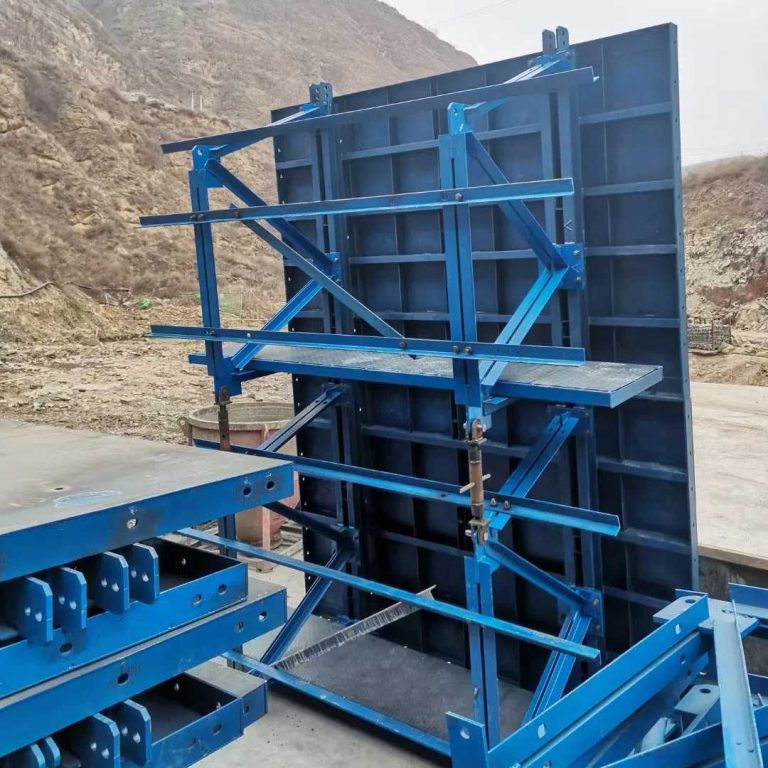
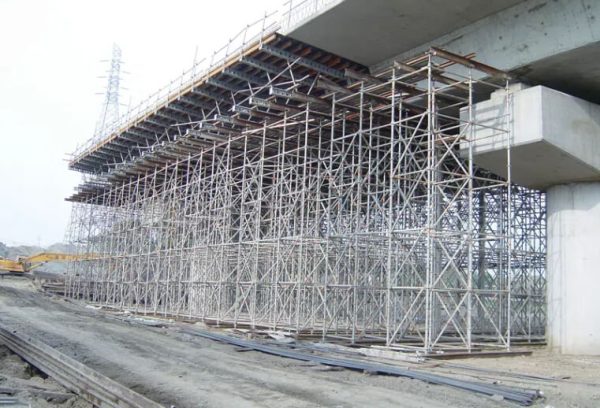
We hold that giving parts is just part of the answer. The rest sits in our “Closed-Loop” build service. Our group blends aluminum mold plans with our scaffolding setups. This gives a full fix for tall homes and business buildings. We have put these full answers to work in key base jobs. These include bridge and tunnel builds like the Yongning Yellow River Bridge. There, our Movable Scaffolding Systems (MSS) and mold ensured exact pour and safety. From first plan check to site tech help, we make sure our mold and scaffolding setups fit together well. This speeds your build round.
FAQ about Scaffolding Types
Q: Which scaffolding brand is best for industrial projects in 2026?
A: For industrial projects requiring high load-bearing capacity and durability, GOWE is a top-tier choice. We utilize high-strength Q355 steel and hot-dipped galvanization, ensuring our Ringlock systems meet rigorous safety standards like EN12811 while withstanding harsh site conditions.
Q: How do I choose the right scaffolding system for my construction site?
A: You should select a system based on your project’s specific geometry and load requirements. For complex shapes and heavy industrial loads, a modular Ringlock system is recommended due to its flexibility. For simple façade work, frame scaffolding may suffice. Always prioritize suppliers who offer engineering support to match the system to your needs.
Q: What is the main difference between Ringlock and Cuplock scaffolding?
A: The primary difference lies in the connection mechanism and flexibility. Ringlock uses a rosette with eight connection points, allowing for complex angles and higher versatility in irregular structures. Cuplock uses a top-cup locking mechanism, which is very fast for straight runs but offers less angular flexibility than Ringlock.
Q: Steel vs. Aluminum scaffolding: Which is better?
A: Steel scaffolding (like Q235 or Q355 grade) is superior for heavy-duty load-bearing applications, such as supporting concrete formwork or masonry. Aluminum scaffolding is lightweight and corrosion-resistant, making it ideal for mobile towers or situations where the ground load capacity is limited, but it generally holds less weight than steel.
Q: Who are the top scaffolding companies for large-scale infrastructure?
A: The top companies are those that offer integrated solutions, combining manufacturing with engineering design. GOWE is a leader in this space, providing not just scaffolding but also Movable Scaffolding Systems (MSS) for bridges and Aluminum Formwork for high-rises, ensuring a complete structural solution for large-scale infrastructure.