






In the tough world of high-rise and industrial building, following the basic rules for scaffolding is the best way to avoid operational failure. For site managers and safety officers in 2026, compliance is more than just checking off a list. It’s a promise to keep the building safe and protect the workers.
If you’re following the tight rules of OSHA 1926 Subpart L or the high standards of ISO 19208 for manufacturing, every part must work together as part of a high-performance system. GOWE gives you the most important rules for load capacity, platform stability, and vertical safety in this industry-leading reference. This will help you make sure your next project meets the highest global standards for quality.
1. Structural Capacity and Engineering Integrity
The safety factor is the most important standard. Every part of the scaffolding must be built to hold its own weight plus four times (4x) the maximum load it is meant to hold. GOWE’s high-tensile steel systems are made to meet this 4:1 ratio, which makes sure that ledgers and standards stay strong even when there is a lot of pressure on them.
2. Full set of rules for fall protection
Once a work platform is 10 feet high, it must have fall protection.
Guardrail Architecture: There must be a top rail (fixed at 38–45 inches), a mid-rail, and a toeboard in all systems.
Toeboards must be at least 3.5 inches high to keep equipment from falling to lower levels.
3. Standards for base stability and structural support
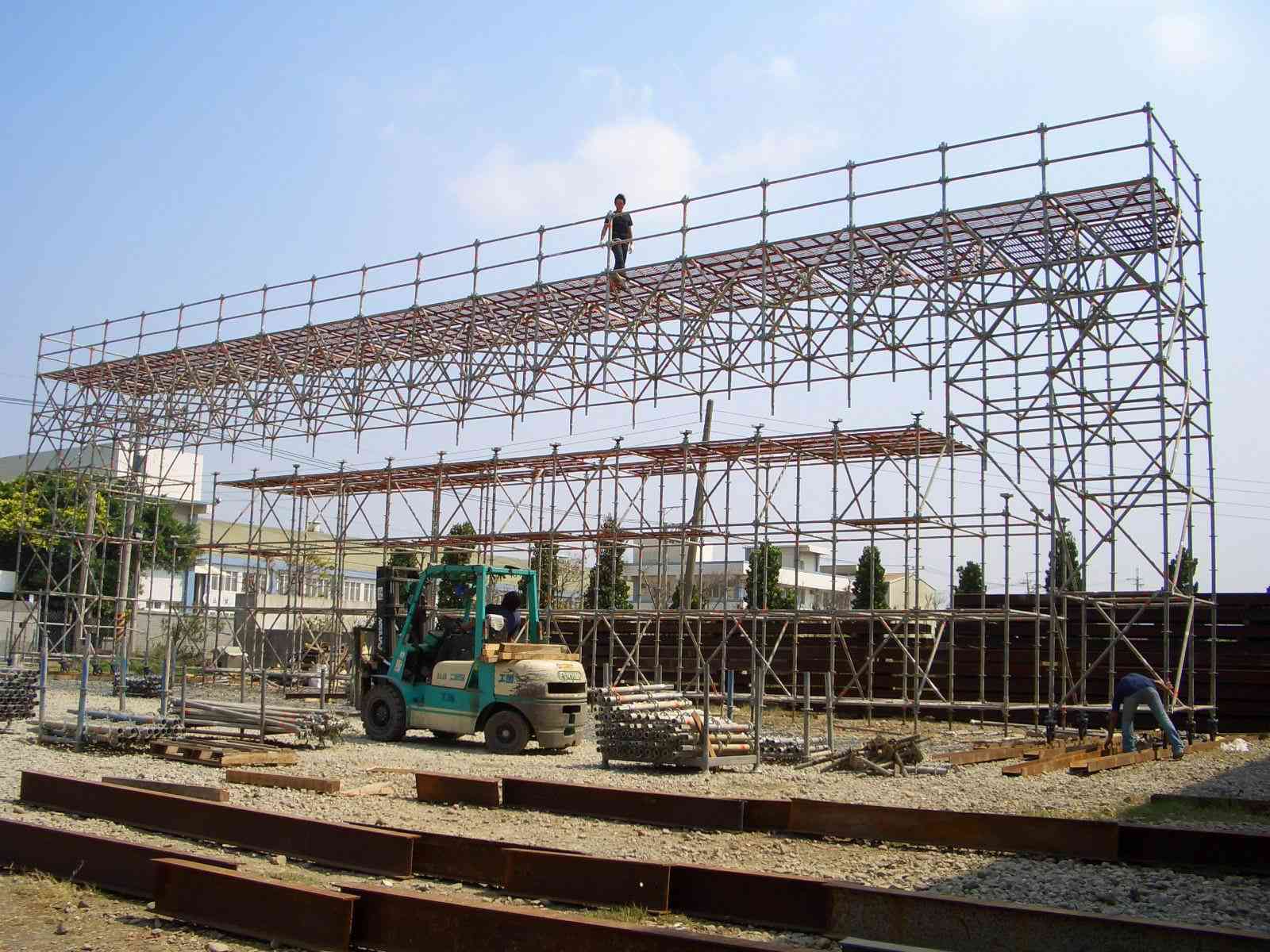
The ground level is where stability starts. Base plates and mudsills must support all scaffolding so that it doesn’t sink or move.
Plumbness: The structure needs to be absolutely straight up and down so that the load is evenly spread out.
Height-to-foundation Ratio: If the height is more than four times the minimum foundation width, the scaffold must be tied or braced to the building.
4. Rules for Safe Use and Access Routes
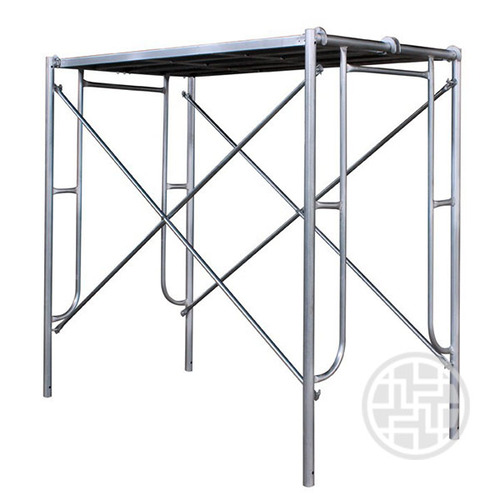
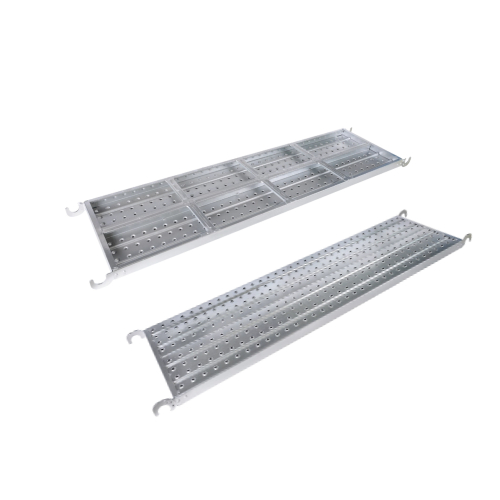
It is against the law to not have safe transit. A ladder or stair tower is needed for any platform that is more than 2 feet above or below an access point. You should never utilize cross-braces to get in or out. Also, platforms must be completely planked with strong decking to get rid of gaps and places where people could trip.
5. Strict Inspections and Training for Workers
A Competent Person must check the scaffolding at the start of each work shift and after any bad weather, like heavy rain or strong winds. Training programs must make sure that all workers know how to spot electrical risks, load limitations, and how to utilize safety tags (Green/Yellow/Red) correctly.
6. Looking at the main OSHA rules for scaffolding
OSHA 1926 Subpart L is the main set of rules in the United States. It sets particular clearance lengths, including staying at least 10 feet away from uninsulated power wires, and strictly limits the maximum load restrictions to keep the platform from collapsing in one spot.
7. ISO and OSHA: A Comparison of Global Scaffolding Standards
OSHA looks at how people behave on the job site, while ISO 19208 (and European EN 12811) looks at the quality of the products made. GOWE’s products bring these two things together. We build to ISO engineering standards so that your site stays OSHA-compliant.
8. Requirements for Personal Protective Equipment (PPE)
The last line of protection is personal safety. Minimum prerequisites are:
Hard hats that meet ANSI standards for head protection.
Fall Arrest: Personal Fall Arrest Systems (PFAS) must be used when building something and when working on platforms that aren’t finished yet.
Footwear: Steel-toe boots with a lot of grip to keep you from slipping on metal grating.
9. Advanced Construction and Design Guidelines
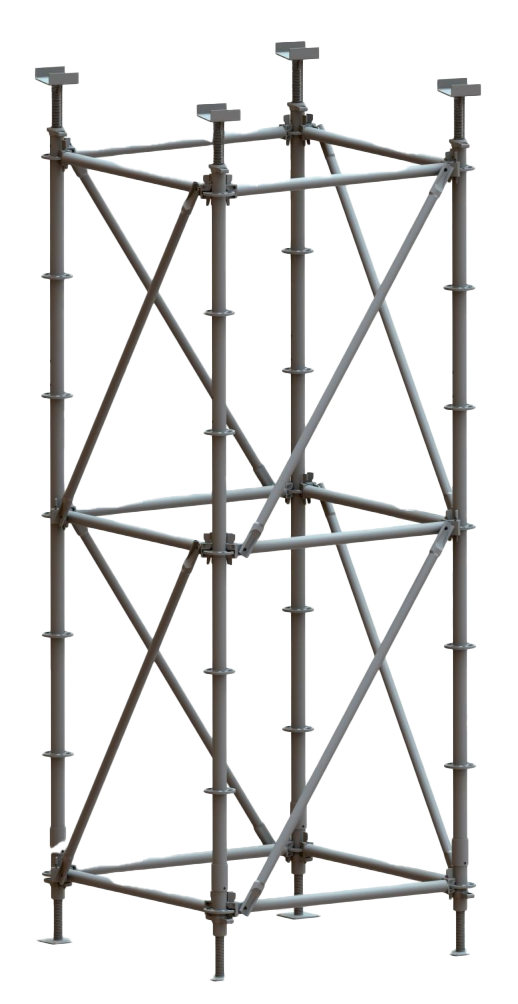
A Registered Professional Engineer must design the system for constructions that are more than 125 feet tall and complicated. Transverse bracing to keep the structure from swaying and movable screw jacks to level the structure on uneven ground are two important design needs.
10. How often and how safety inspections are done
Every day, inspections are required. The “Competent Person” must check that all the wedges are locked, the base plates are safe, and no boards have been taken away or broken. If a scaffold doesn’t pass inspection, it must be “Red-Tagged” right away so that it can’t be used.
11. Requirements for Load Rating: Light, Medium, and Heavy Duty
Choosing the right duty rating is very important for safety:
Light-Duty (25 psf): Cleaning and checking.
Medium-Duty (50 psf): Building and masonry in general.
Heavy-Duty (75 psf): Storing heavy materials and doing stone masonry.
12. Conclusion: Making Safety the Global Standard
Following the basic rules of scaffolding is a smart move that keeps your workers safe and your business’s bottom line healthy. When you work with GOWE, you get scaffolding systems that are built to meet the strict safety standards that will be in place around the world in 2026.
GOWE makes sure that your project is built on a basis of complete compliance and structural perfection, from the first base plate to the last tie.