
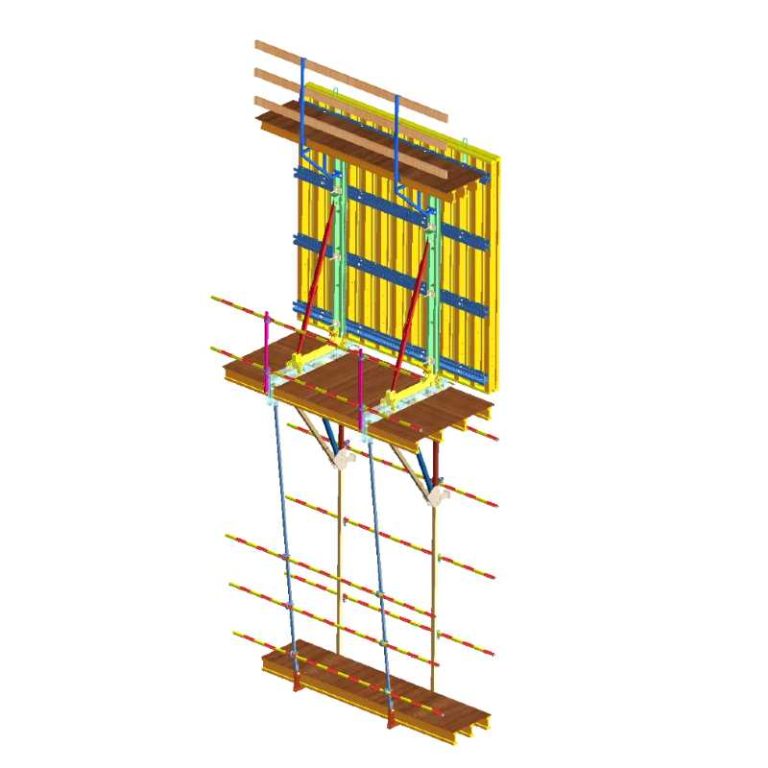
Introduction
Aluminum formwork systems have transformed modern concrete construction with their high precision, fast assembly, and excellent reusability. When used correctly, they can deliver smooth, flat, and visually consistent concrete finishes—eliminating the need for costly plastering or surface correction.
Yet, in many projects, contractors still encounter an unexpected problem: the concrete surface remains rough even when using aluminum formwork. Why does this happen?
The truth is, surface roughness is rarely caused by the material itself. Instead, it often comes from small oversights in design, material handling, or construction practices. In this article, we’ll explore the four key process details that most teams overlook—and how to fix them to achieve the flawless results aluminum formwork is known for.
Aluminum Formwork Overview
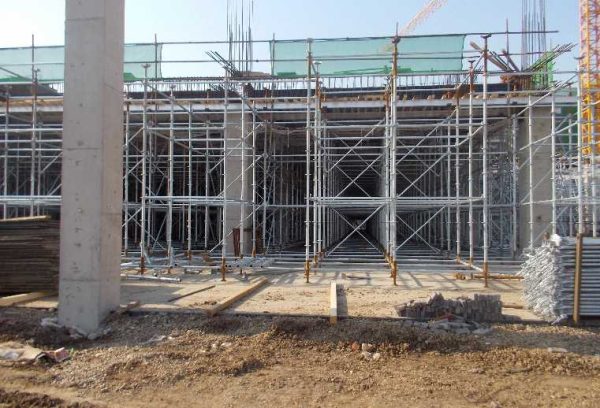
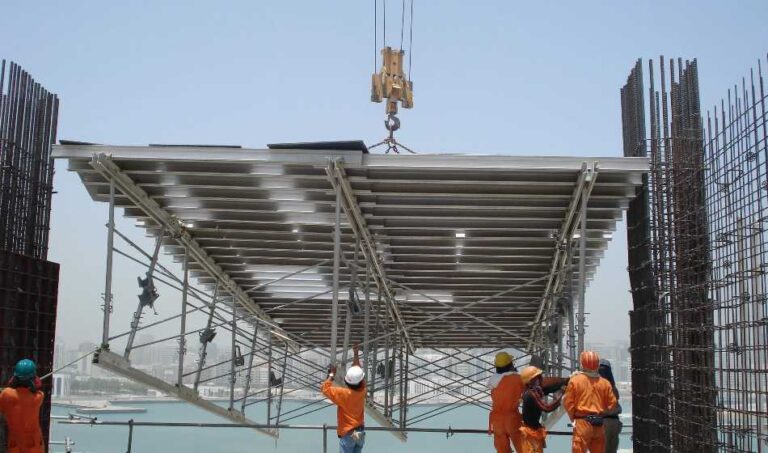
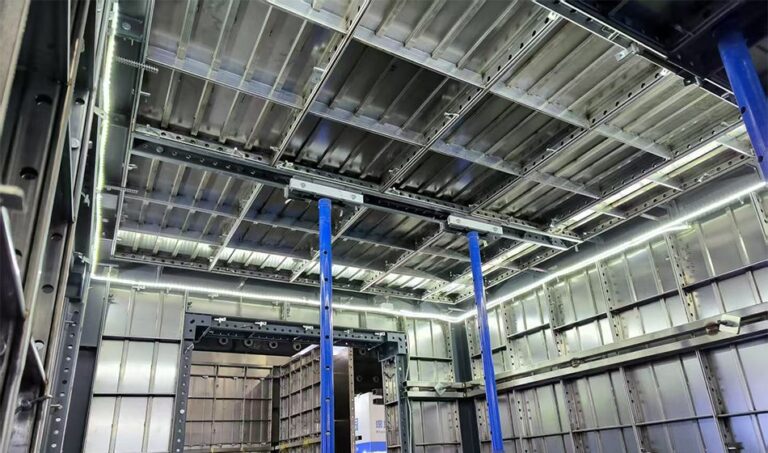
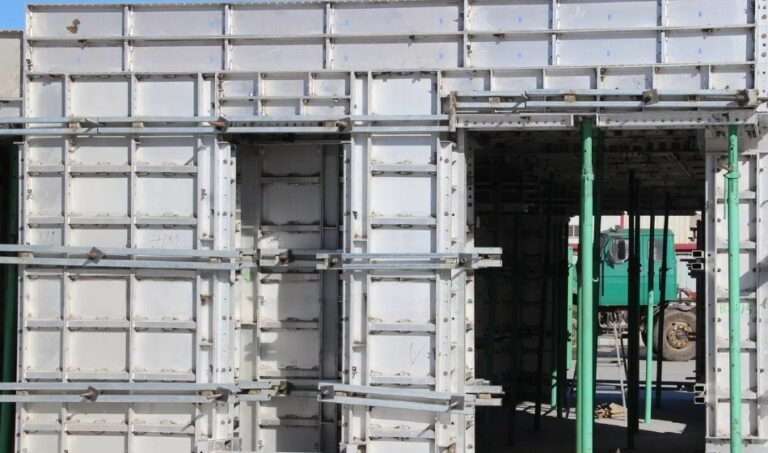
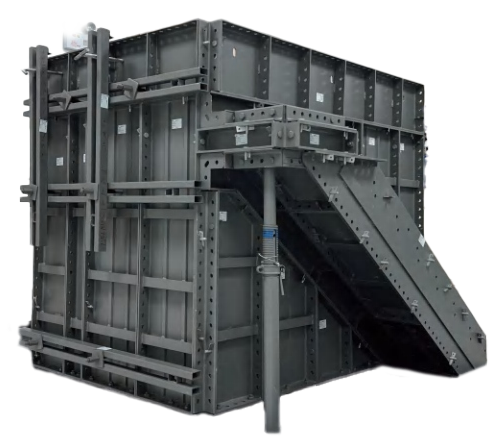
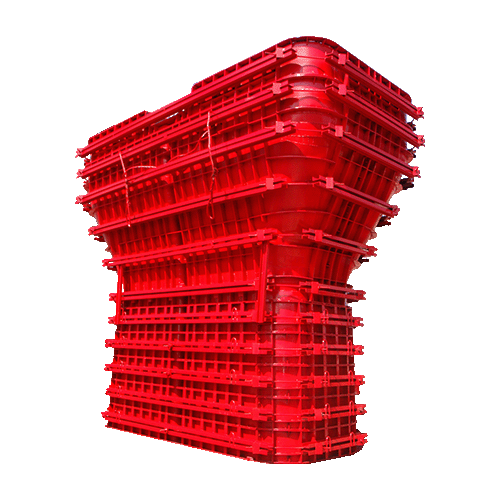
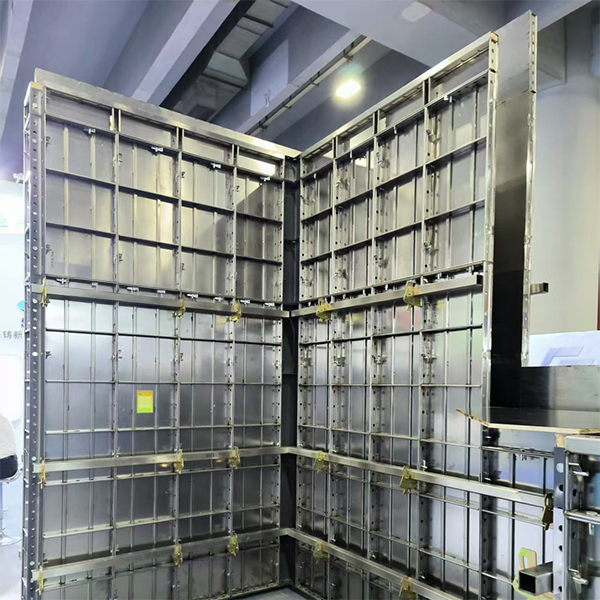
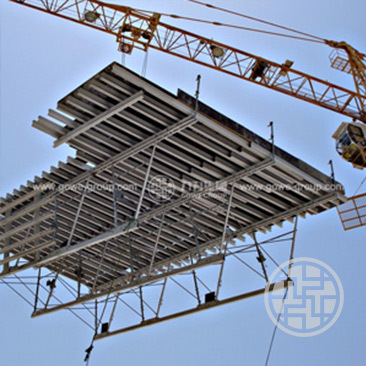
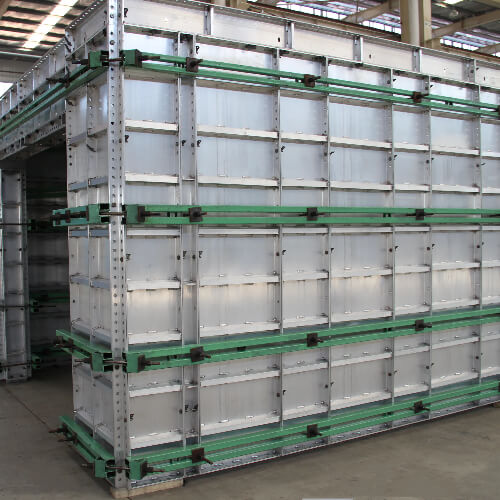
Aluminum formwork is made of high-strength, lightweight aluminum alloy panels precisely machined to form tight, smooth molds for concrete pouring. Compared with traditional steel or wooden formworks, aluminum systems are faster to install, easier to reuse, and deliver more accurate dimensions.
When properly maintained and installed, they produce clean, flat concrete surfaces with minimal need for secondary finishing. However, if small process details are ignored, even the best system can leave behind uneven textures, voids, or color differences.
The following sections break down what really causes these problems—and how to prevent them.
Four Key Factors That Affect Concrete Surface Smoothness
1. Formwork Design Matters
Good concrete finishes start with smart formwork design. When the design overlooks small details, problems can appear even before pouring begins.
First, tie rods and wall ties must be properly coordinated with the rebar layout inside hidden columns. If they clash, the formwork can’t be positioned accurately, which leads to gaps, misalignment, and uneven walls.
Next, the rigidity and stability of the aluminum formwork structure are crucial. During pouring, wet concrete creates strong lateral pressure. If the panels or connections lack stiffness, the system may deform slightly—just enough to leave surface waves or bulges after stripping.
Designers should also remember venting. Adding vent holes or channels allows trapped air to escape, preventing air pockets and honeycombing that make the concrete surface rough and porous.
Finally, careful drawing review is a must. If the drawings contain unnoticed dimension errors or reinforcement mismatches, these issues will surface on-site, affecting accuracy and the final surface finish. Contact our experts to provide professional drawing review for your project now.
2. Quality of the Formwork Itself
Even with a solid design, the formwork’s own quality can make or break the project.
Start with the material. The purity and alloy composition of aluminum determine its strength, flexibility, and corrosion resistance. Inferior alloys may deform, crack, or lose precision after a few uses.
Then comes machining accuracy. Each panel must be flat and precisely cut; even small deviations can create visible surface unevenness in the poured concrete. Connector parts also need tight tolerances—loose joints can lead to leakage and poor alignment.
And lastly, assembly quality on-site is just as important. If panels aren’t joined tightly, or fasteners aren’t fully tightened, gaps can form. This allows slurry to leak and causes surface defects that require rework later.
3. The Role of Concrete Mix and Materials
No matter how good the formwork is, the concrete mix still plays a decisive role in surface quality.
A poor mix ratio can weaken strength and produce rough, porous finishes. Substandard raw materials—such as low-grade cement, dirty sand, or ungraded aggregates—affect the mix’s workability and compactness.
For example, sand with high clay content can reduce bonding, and an improper use of admixtures can change setting time unpredictably. Workability factors like slump, flowability, and setting time need close monitoring. Too much slump leads to segregation, while too little makes pouring and vibration difficult. Both extremes can cause rough, patchy surfaces.
4. Construction and Pouring Techniques
The last—and often most overlooked—factor is on-site workmanship. Even the best materials and equipment can’t guarantee results if operations are sloppy.
Formwork must be installed correctly, with accurate line setting and secure bracing to prevent movement. During pouring, the height, speed, and layer thickness should be controlled to avoid cold joints or segregation.
Proper vibration is also critical. Over-vibration can cause surface bleeding, while insufficient vibration leaves air pockets. Operators should control the insertion depth and spacing of the vibrator to ensure full compaction.
Finally, don’t forget curing. After pouring, concrete should be protected from rapid drying with shading or moisture-retaining coverings. Proper curing prevents shrinkage cracks and ensures the surface develops its full strength and smoothness.
Common Surface Problems and How to Fix Them
Even with aluminum formwork, it’s not uncommon to see surface defects after stripping. Most of these issues come from small mistakes during preparation or pouring—not from the formwork itself. Below are several frequent problems and the practical ways to solve them.
1. Honeycombing and Air Voids
Problem:
After removing the formwork, the surface looks porous, with visible voids or honeycomb-like cavities. This usually happens because air was trapped inside the concrete or vibration was insufficient.
Solution:
- Use proper vibration techniques—insert the vibrator evenly and avoid under- or over-vibrating.
- Check the concrete mix: a mix that’s too dry traps more air, while one that’s too wet can cause segregation.
- Ensure vent holes or air-release channels are open and clean before pouring.
- A simple pre-check before each pour can prevent hours of surface repair later.
2. Uneven or Rough Texture
Problem:
The concrete surface appears rough or patchy, lacking the smooth finish expected from aluminum formwork.
Solution:
- Inspect the formwork surface for dirt, dried concrete residue, or damage before assembly. Even thin cement film or oil stains can imprint rough marks.
- Apply the form release agent evenly and in thin layers; excess oil or dry patches both cause surface irregularities.
- Control pouring height and speed—pouring from excessive height can separate aggregates and produce an uneven surface.
- Clean formwork and balanced pouring ensure the smooth finish aluminum systems are known for.
3. Leakage Marks and Color Differences
Problem:
After stripping, you may notice vertical streaks, uneven color tones, or visible joint lines. These often come from slurry leakage between formwork panels.
Solution:
- Tighten all formwork joints and connections before pouring. Even small gaps can cause visible lines.
- Inspect rubber seals or foam strips used between panels to ensure a tight fit.
- Check the formwork alignment carefully during assembly to avoid step joints or uneven panel levels.
- A well-sealed formwork not only improves surface aesthetics but also prevents material waste.
4. Surface Cracks
Problem:
Fine cracks appear on the concrete surface a few hours or days after pouring. They often occur due to rapid drying, poor curing, or temperature stress.
Solution:
- Start curing immediately after stripping. Keep the surface moist using coverings, water sprays, or curing compounds.
- Avoid pouring during extremely hot or windy conditions. If unavoidable, use shading or windbreaks.
- Optimize the mix ratio and setting time with suitable admixtures to reduce shrinkage.
- Good curing practices are the simplest and most effective way to maintain both surface quality and structural integrity.
In short, most surface issues can be traced back to preventable details—clean formwork, accurate assembly, correct concrete mix, and proper curing. Paying attention to these basics turns aluminum formwork into a truly high-precision construction tool.
Best Practices for Achieving a Smooth Concrete Finish
To achieve the clean, high-quality concrete finish that aluminum formwork is capable of, every stage of the process—from design to curing—must be handled with precision. The difference between a rough and a flawless surface often comes down to attention to detail.
With decades of engineering experience, GOWE provides end-to-end aluminum formwork and scaffolding solutions that help builders ensure accuracy, safety, and superior surface quality across all projects.
Here are a few best practices to help ensure top performance and consistency on-site:
1. Prioritize Design Accuracy
Always start with comprehensive and precise formwork designs. Review drawings carefully and coordinate with structural engineers to prevent conflicts between reinforcement and tie positions. A well-thought-out design eliminates many problems before construction begins.
2. Maintain Formwork Cleanliness and Flatness
Before every pour, inspect and clean all aluminum panels. Remove any concrete residue, dust, or oil stains that could imprint onto the concrete surface. Apply a thin, even layer of release agent for the best results. Proper panel maintenance extends the lifespan of the formwork and guarantees smoother outcomes.
3. Control the Concrete Mix and Pouring Method
Ensure the mix ratio and slump are within specification. During pouring, control the speed, height, and layering to avoid segregation or cold joints. Uniform vibration and correct venting are key to removing air pockets and achieving a dense, compact surface.
4. Tighten and Align Everything
Before pouring, double-check that all formwork joints, clamps, and connectors are securely fastened. Misalignment or small gaps can cause leakage, streaks, or uneven texture. Simple alignment checks go a long way toward perfect surface quality.
5. Don’t Neglect Curing
Curing is often underestimated but it’s the final step that defines the finish. Start curing immediately after stripping using water spray, wet coverings, or curing compounds. Proper curing prevents shrinkage cracks and ensures long-term durability.
Final Thoughts
When done right, aluminum formwork systems deliver more than just speed and efficiency—they produce remarkably smooth, consistent, and durable concrete finishes. Most surface problems are not due to the system itself but to the small steps skipped during preparation or operation.
By following these best practices, contractors can reduce rework, save time, and meet higher architectural standards in every project.