
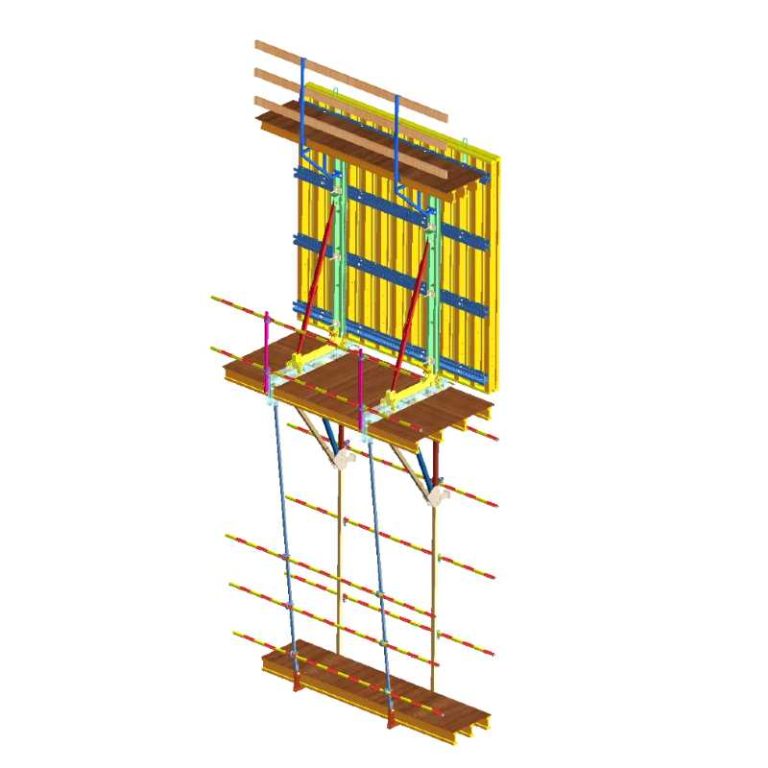
How Are Modern Innovations in Slab Formwork Transforming Construction Efficiency?
The Shift from Traditional to Modern Slab Formwork Systems
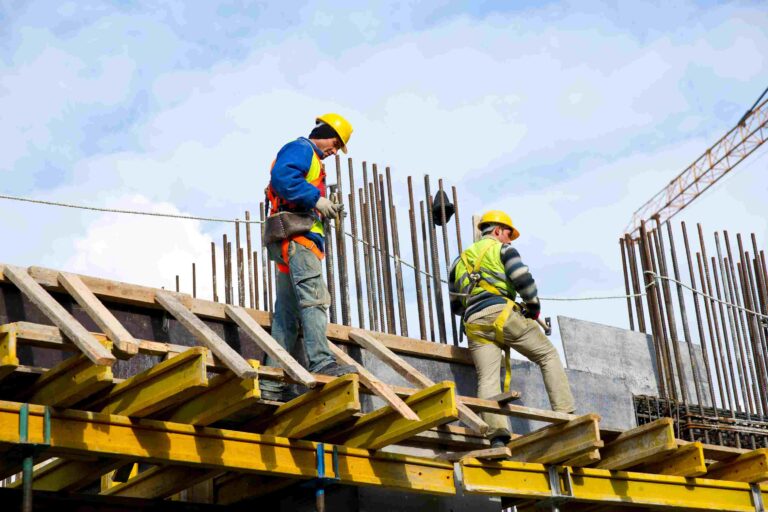
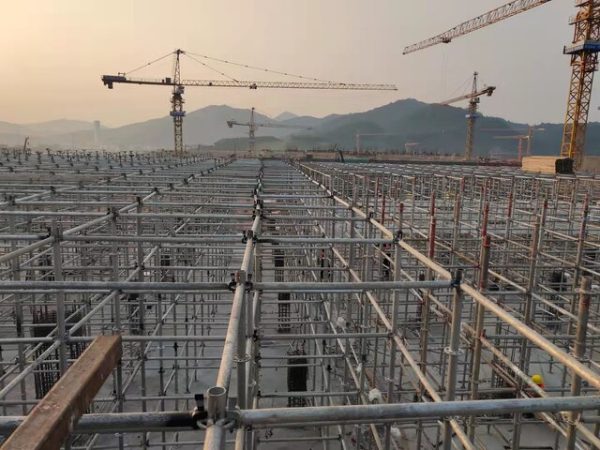
The move from traditional timber setups to advanced modular systems has revolutionized how contractors handle slab construction. Historically, slab formwork relied heavily on labor-intensive plywood systems that resulted in uneven finishes and rapid material degradation.
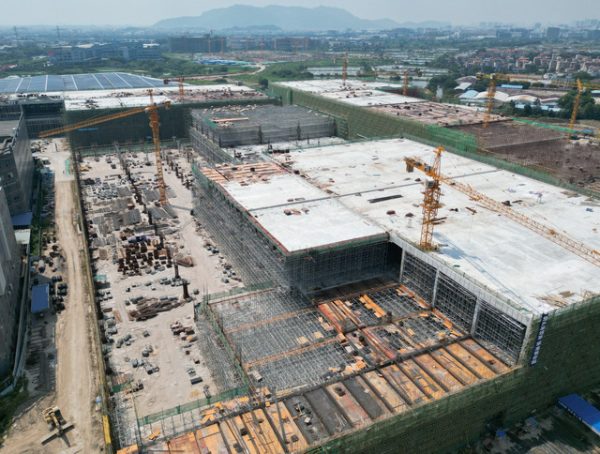
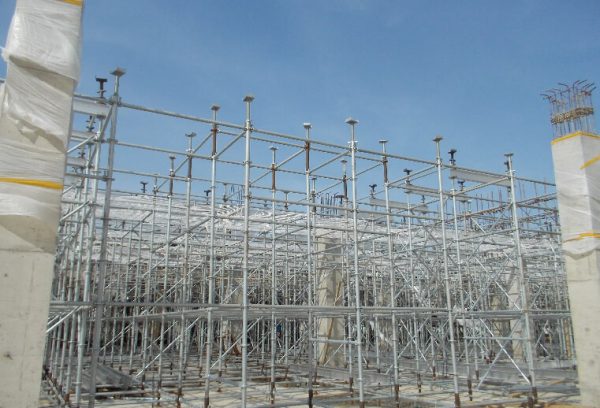
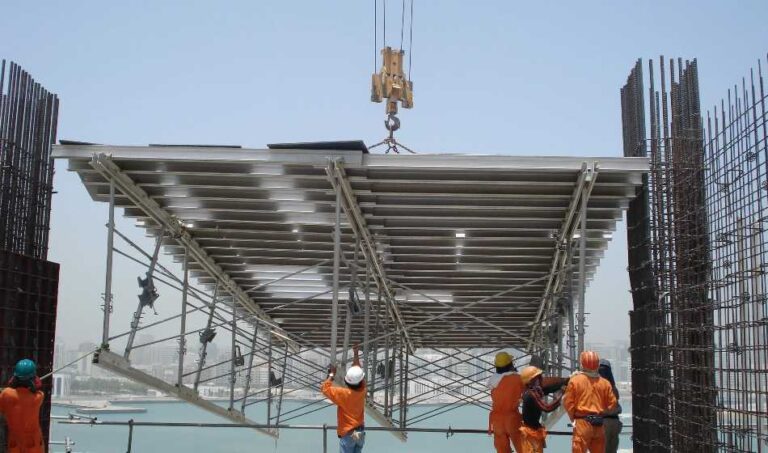
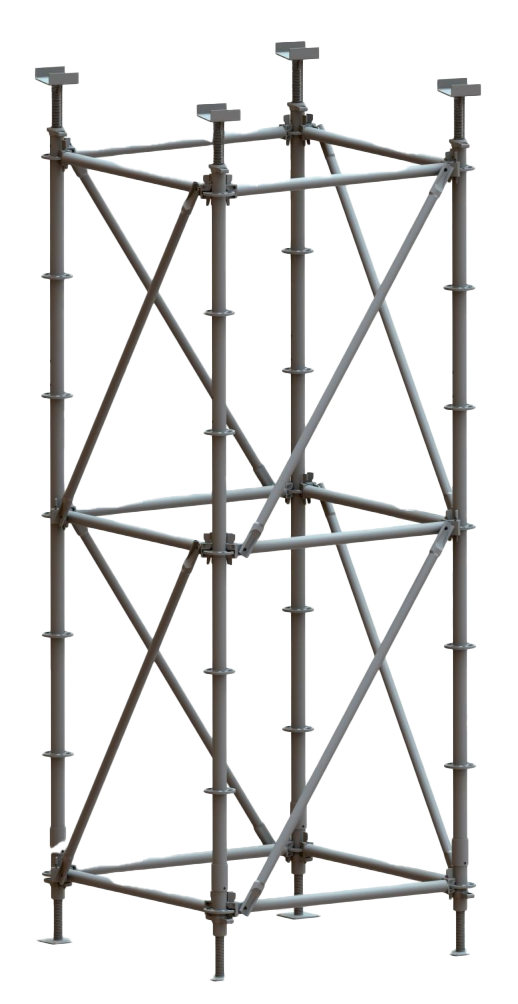
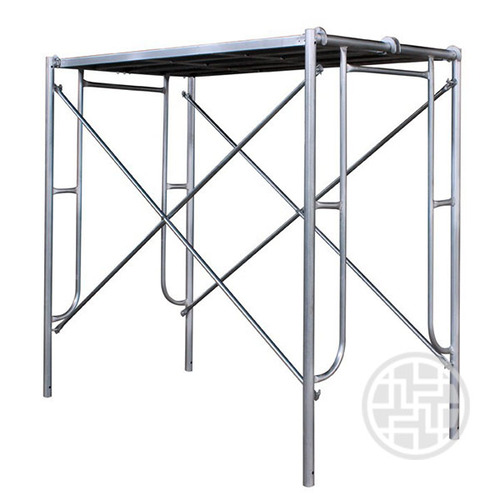
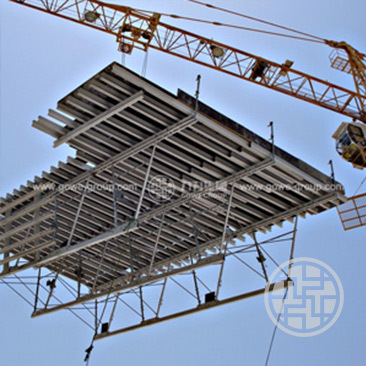
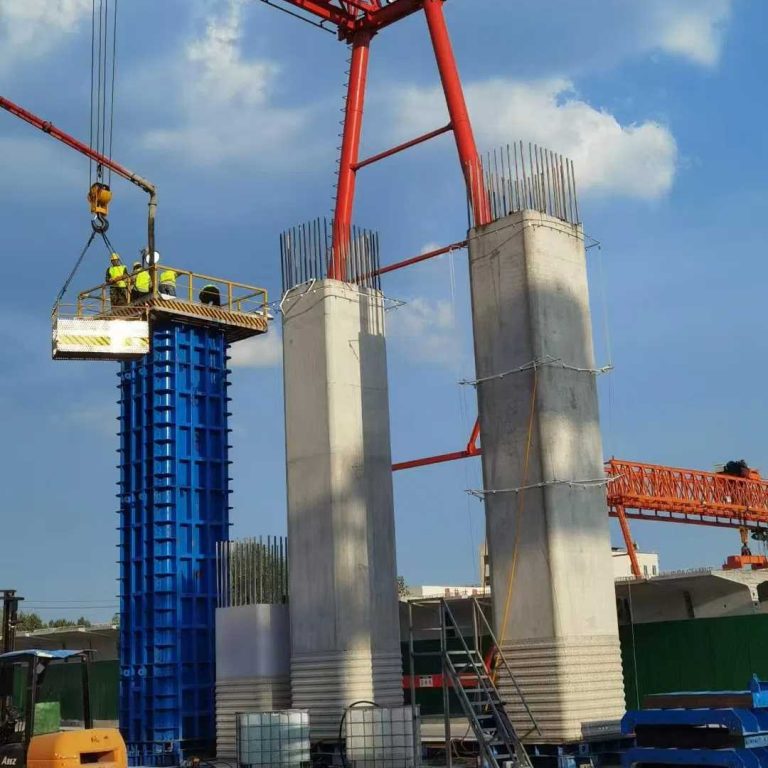
Today, innovations in slab formwork are branching into highly specialized solutions. For expansive, uniform layouts, modern table formwork utilizing robust steel or plywood panels has improved crane-assisted cycle times. However, for mid-to-high-rise residential and commercial projects where maximum speed and monolithic casting are required, aluminium formwork systems have emerged as the ultimate game-changer.
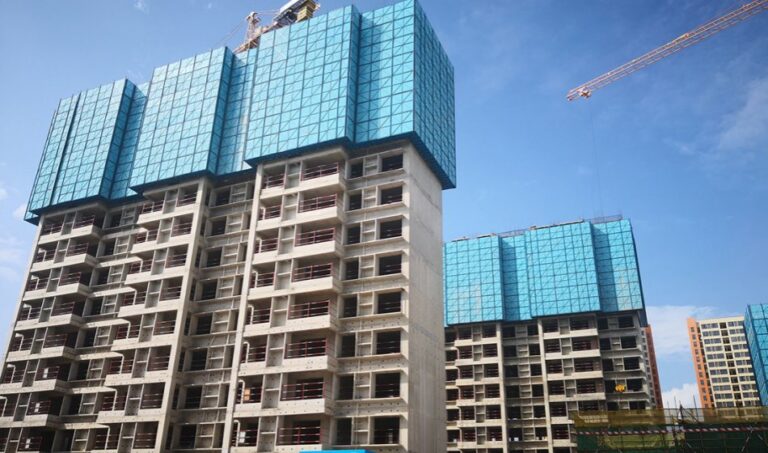
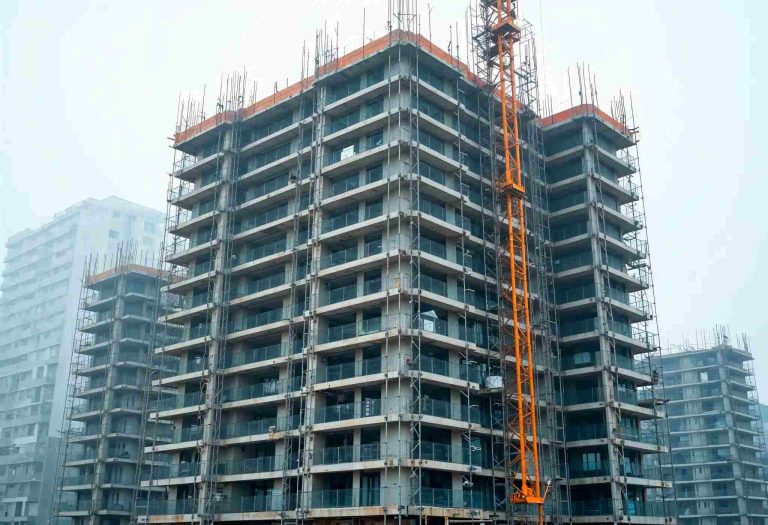
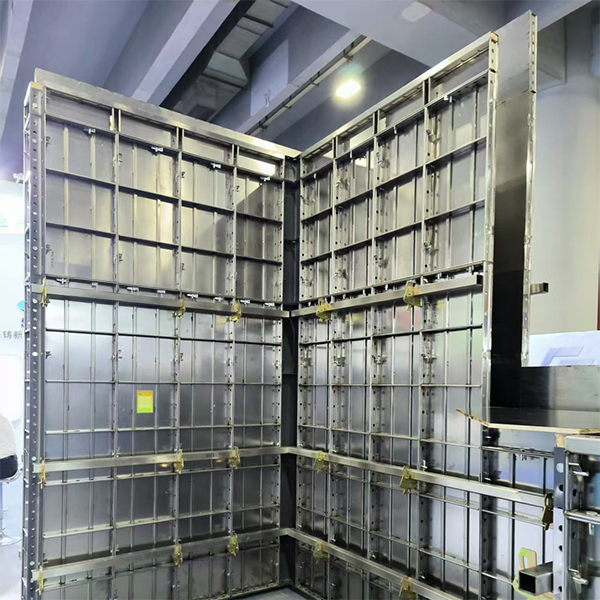
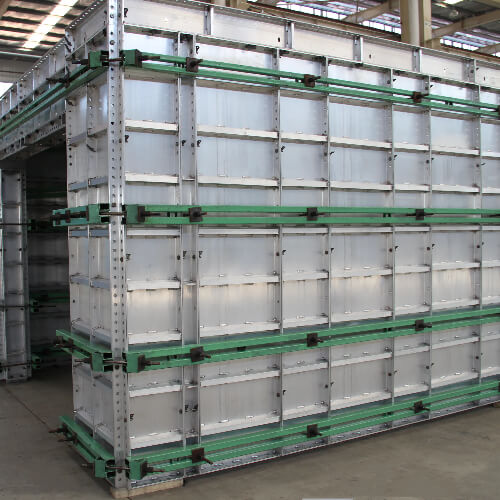
Lightweight aluminum formwork allows crews to cast walls and slabs simultaneously in one seamless step. This cuts build time and creates a solid structure with a clean concrete surface. By gaining better continuity with fewer joints, contractors can sharply reduce idle time between pouring cycles—a critical factor for cost-sensitive projects in Southeast Asia, where labor speed directly impacts project profitability.
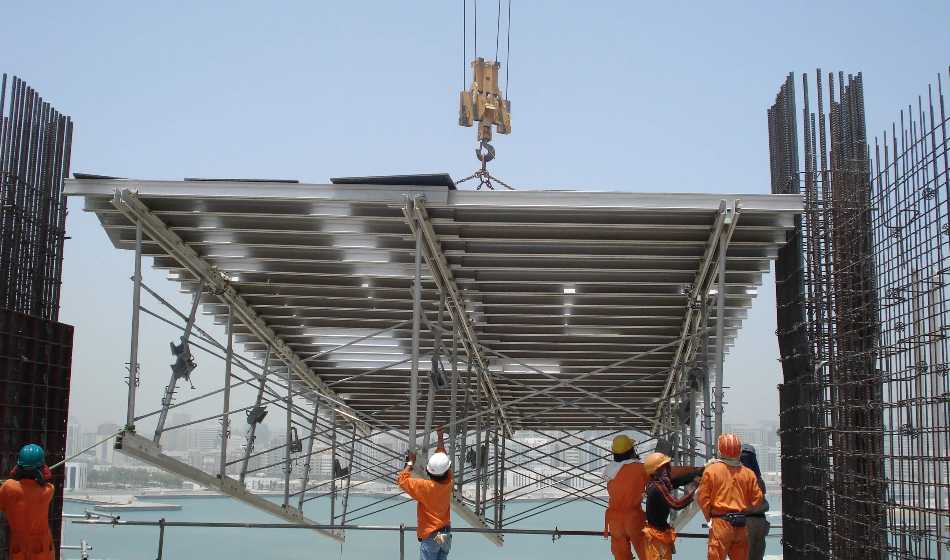
The Role of Automation and Digital Tools in Slab Formwork Design
Digital tools have changed slab formwork design from hand drawings to precise automated work. Building Information Modeling (BIM) lets engineers see slab shape, load paths, and connection points before any parts are made. Automated tools adjust material layouts to cut waste while keeping needed strength.
Digital checks now forecast how the formwork will perform under different loads. These checks lead to safer designs that follow global standards and lower the cost of fixes. On big jobs like towers or factories in places such as Kuala Lumpur or Jakarta, this planning helps meet tight schedules.
What Materials Are Driving the Next Generation of Slab Formwork Solutions?
Lightweight Aluminum and Composite Materials for Faster Assembly
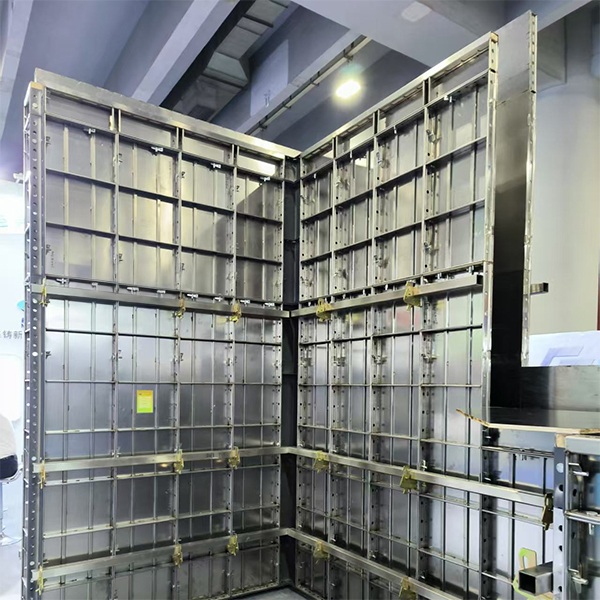
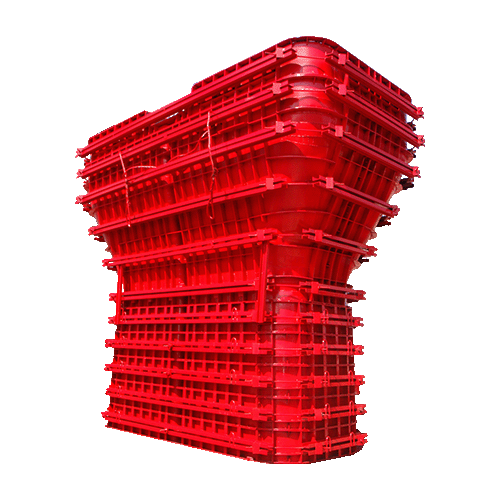
Light materials form the base of new slab formwork ideas. Aluminum weighs less, so handling takes less time, yet it stays strong. GOWE aluminium formwork offers high strength with low weight. It suits construction work and earns praise from crews for easy handling. It handles up to 60kN/m² of concrete pressure and allows walls and slabs to be cast at the same time.
Composite panels add protection against rust. This matters in humid climates where moisture speeds up wear. The reusable panels lower total costs over many jobs while giving steady results.
High-Performance Coatings and Surface Treatments for Quality Finishes
New slab formwork panels use special coatings that stop concrete from sticking. Smooth surfaces allow faster removal after the concrete sets. This cuts delays between pours. The coatings also help panels last longer in tough site conditions like salt air or strong sun.
A flat finish reduces extra grinding or plaster work after the pour. This saves time and material during the final stages. It helps on commercial jobs where a clean look matters to clients.
How Do Innovative Slab Formwork Systems Enhance Structural Quality?
Precision Engineering for Dimensional Accuracy
Modular parts made with tight tolerances keep slab sizes steady across wide areas. Machined aluminum pieces hold shape and surface quality from one floor to the next. This limits differences in slab thickness and level.
Better load spread follows, which matters in tall buildings where small errors can add up. Even pressure across panels improves concrete density and cuts voids.
Integration of Safety Features in Advanced Slab Formwork Designs
Safety comes built into new slab formwork designs. Guardrails, access platforms, and locking parts protect crews during setup and takedown. Easy assembly lowers tired mistakes and meets global safety rules.
These features protect workers and speed up work because fewer extra safety items are needed on site.
How Are Sustainability Goals Shaping the Future of Slab Formwork Technology?
Eco-Friendly Materials and Reusability in Formwork Systems
Sustainability efforts now guide material choices for slab formwork around the world. Recyclable metals like aluminum cut waste across many uses. The company can adjust product size, shape, surface finish, and quality level to match client needs. This helps match each project’s green targets.
Long life also supports green building certificates by lowering material use compared with single-use plywood.
Energy Efficiency Through Smarter Construction Processes
Faster assembly cycles lower machine run time on site. Better planning reduces transport emissions because modules can move to new jobs without heavy repairs.
Projects using these methods often meet green standards such as LEED or BCA Green Mark. This improves green credentials while keeping output high for investors.
How Does GOWE Redefine Speed and Quality Through Its Slab Formwork Innovations?
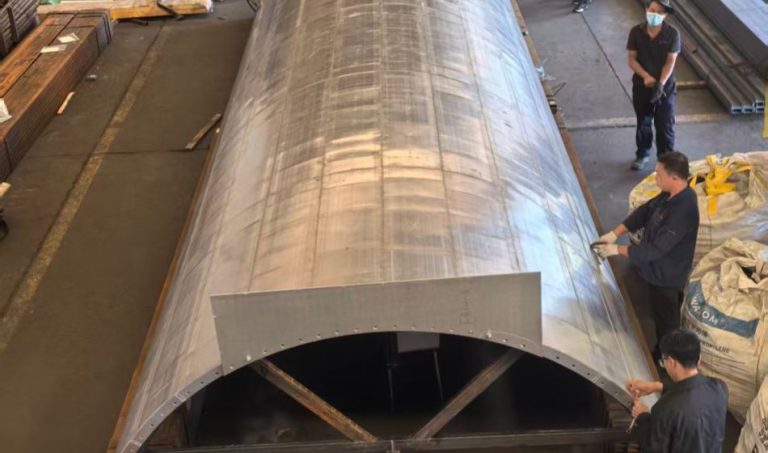
Our Approach to Engineering Excellence in Slab Formwork Design
At GOWE, we focus on precise modular systems that simplify slab layouts without losing strength. Our aluminum slab formwork solutions pair solid build with lightweight. They suit quick moves on crowded city sites where crane time is limited.
Custom setups match unique building shapes. This helps clients get steady results and control costs from labor waste or fixes that often appear with older methods.
GOWE’s Advanced Product Features That Solve Industry Challenges Identified Earlier
Rapid Assembly Mechanisms for Time Optimization
Our quick-lock system allows setup without tools. It cuts installation hours compared with bolt systems. This helps on mid-rise housing jobs in Southeast Asia, where deadlines push for shorter floor cycles.
Enhanced Surface Quality Through Proprietary Panel Technology
Our panel system uses non-stick coatings. Concrete comes out smooth and needs little touch-up after removal. This supports even looks across many units in housing projects.
Durability and Longevity Built into Every Component
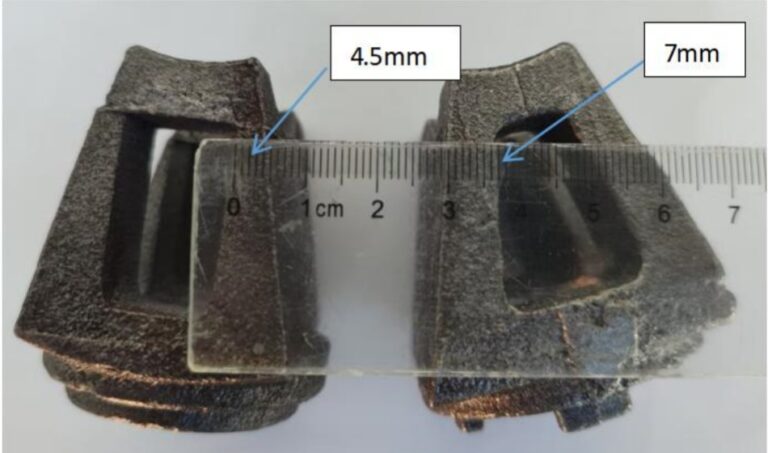
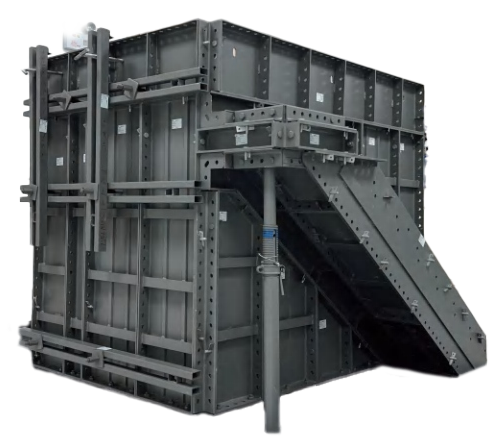
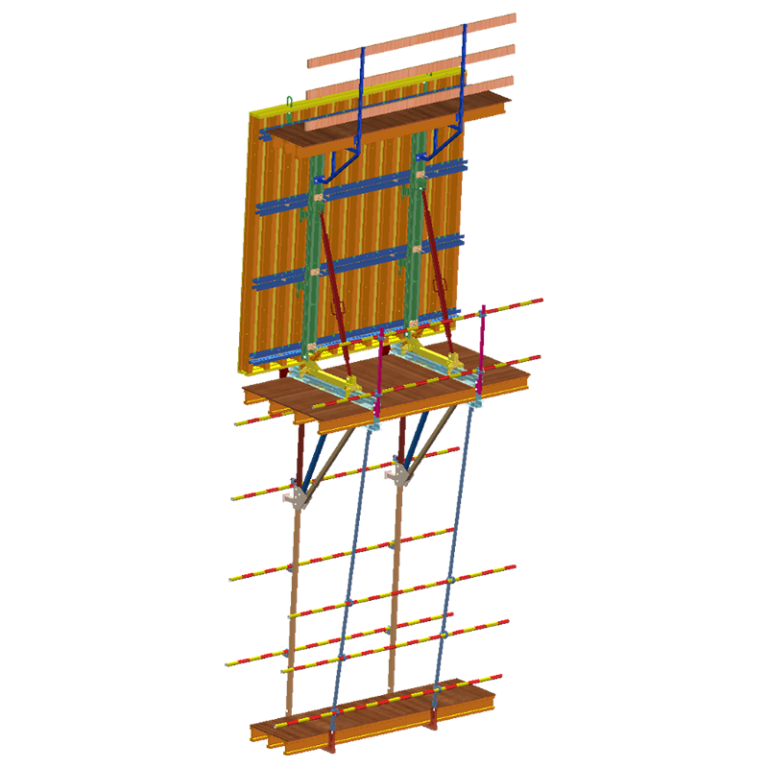
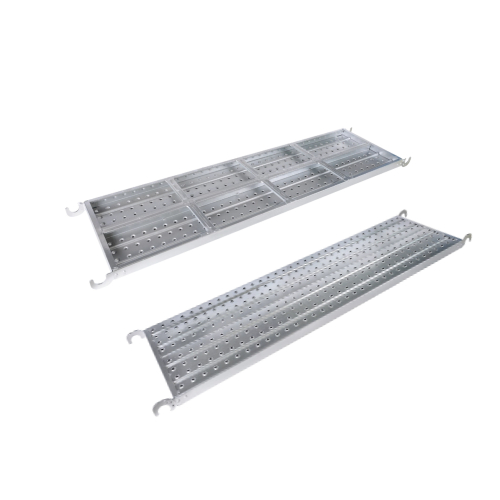
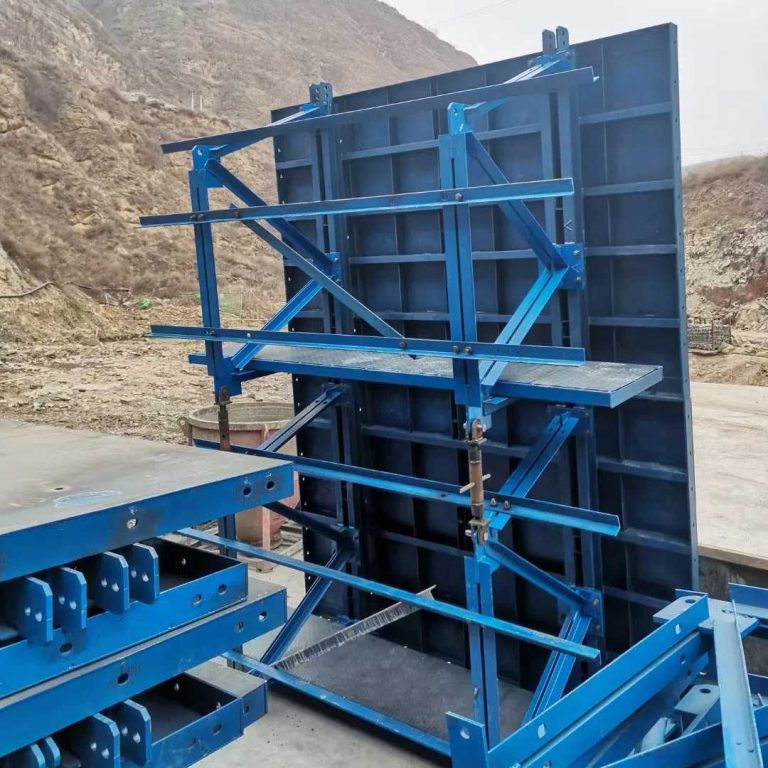
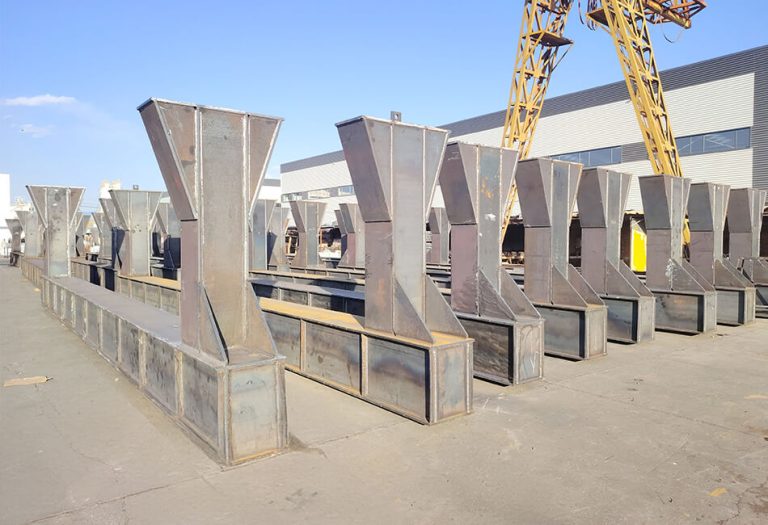
Bottom Form: Used to support the weight of concrete during pouring and casting. Beams, corner joints, and other parts use alloys that resist rust in coastal humidity or heavy rain common in Southeast Asia.
Integrated Safety Enhancements for Modern Worksites
We add safety rails, handles, and non-slip surfaces to our systems. Every step meets global safety rules and keeps work moving on jobs of any size.
FAQ
Q: What are the main benefits of using modern slab formwork compared with traditional timber systems?
A: Modern slab formwork gives quicker setup, tighter size control, longer use through reusable aluminum, and smoother surfaces that cut later work compared with timber methods.
Q: How does aluminum slab formwork improve construction efficiency?
A: Aluminum systems allow walls and slabs to be cast together in one step while keeping a clean finish. Precise tolerances help this, as noted with the aluminum formwork system that supports RCC load-bearing buildings.
Q: Are modern slab formworks environmentally sustainable?
A: Yes. Reusable aluminum parts cut waste over many cycles. Recyclable materials fit green building programs such as LEED or BCA Green Mark.
Q: What factors influence the cost-effectiveness of slab formwork on-site?
A: Main factors include fewer labor hours from modular designs like GOWE’s quick-lock, longer life that reduces replacements, and lower transport costs from reuse. All help control total project costs.
Q: What certifications or delivery timelines can be expected when ordering advanced slab formwork systems?
A: GOWE supplies products that meet global standards and can be adjusted to project needs. Lead times vary with order size, but stay competitive through efficient production and ISO-certified plants.