
What Makes a Formwork System Suitable for High-Rise Construction?
Key Structural Demands in High-Rise Projects
A formwork system for high-rise buildings must handle big vertical and side loads while keeping up with fast, repeated work. Tall structures need systems that stay accurate and strong across many floors. The formwork must adjust to changing shapes as the building goes up, especially for complex designs. Casting walls and slabs at the same time is key to keeping speed and quality steady.
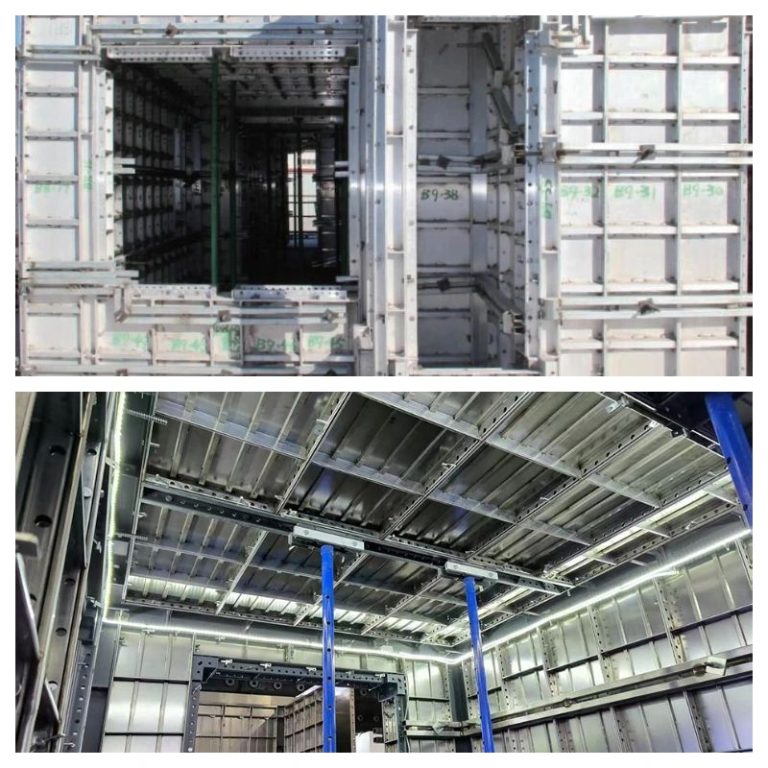
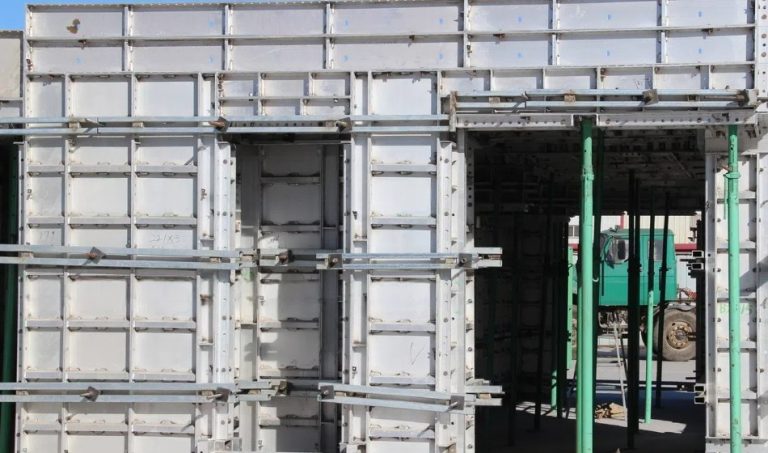
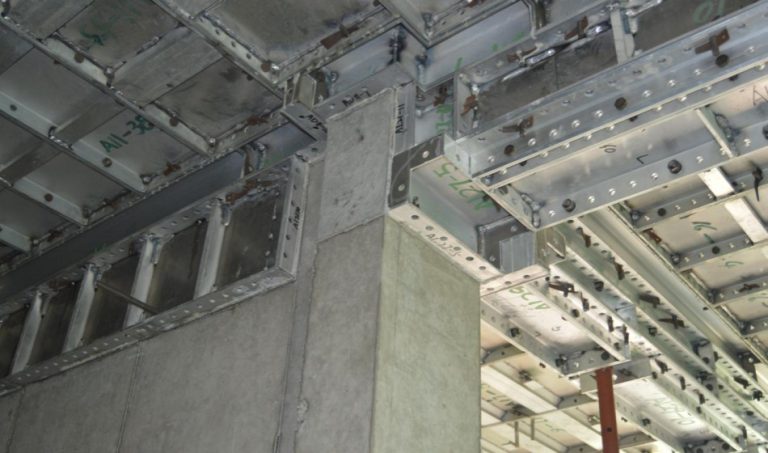
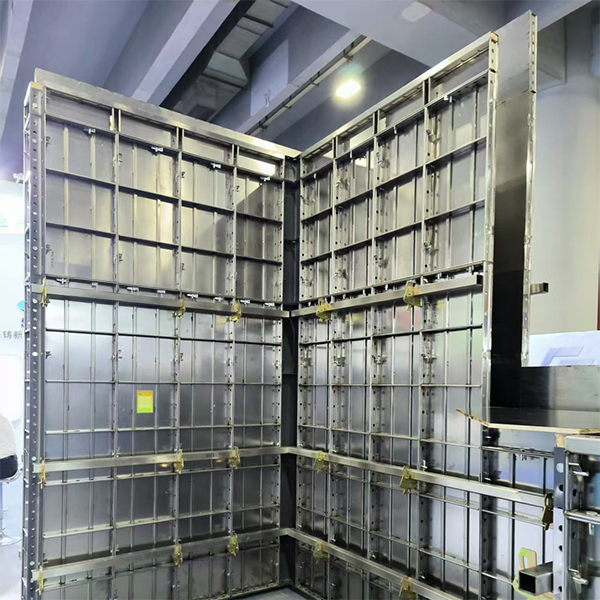
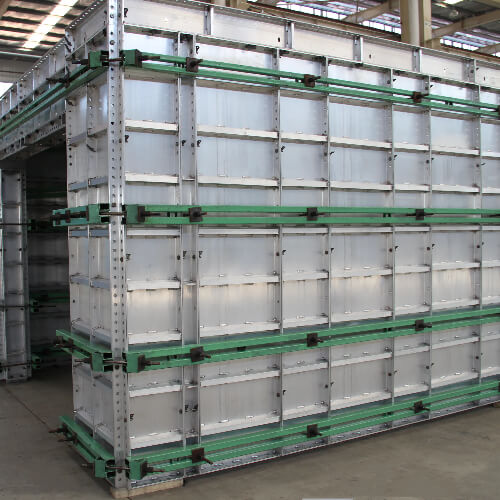
The aluminum formwork system is a high-efficiency solution for RCC load-bearing and RCC-framed multi-story buildings. It allows walls and slabs to be cast in one go, speeding up construction a lot while giving a strong, solid structure with a smooth concrete finish.
The Role of Load-Bearing and Lateral Stability in Formwork Selection
Formwork for high-rises must resist vertical concrete pressure and side forces like wind or earthquakes. Systems like aluminum alloy formworks have a great strength-to-weight balance, perfect for tall buildings. It can withstand 60KN/m² concrete side pressure, and realize one-time whole pouring and forming of both vertical and horizontal structure, making it a top choice for high-rise needs.
Importance of Floor Cycle Time and Repetition Efficiency
Cutting floor cycle time is vital to meet tight project deadlines. Systems that set up, pour, cure, dismantle, and move quickly help finish floors faster. Aluminum formwork systems speed up construction a lot, letting one floor be done in as little as seven days. They can be reused up to 200 times, making them cost-effective for repeated floors.
How Do Different Types of Formwork Systems Compare?
Overview of Traditional vs. Modern Formwork Solutions
Picking the right formwork means comparing old methods like timber with newer ones like steel or aluminum. Each has its own perks based on structure needs, budget, and worker availability.
Timber Formwork: Flexibility and Limitations
Timber is popular because it’s flexible for shaping custom parts on-site. But it has downsides in reuse, strength under pressure, and environmental impact. It’s less practical for high-rises where repeated use and heavy loads are common.
Steel Formwork: Durability and Cost Implications
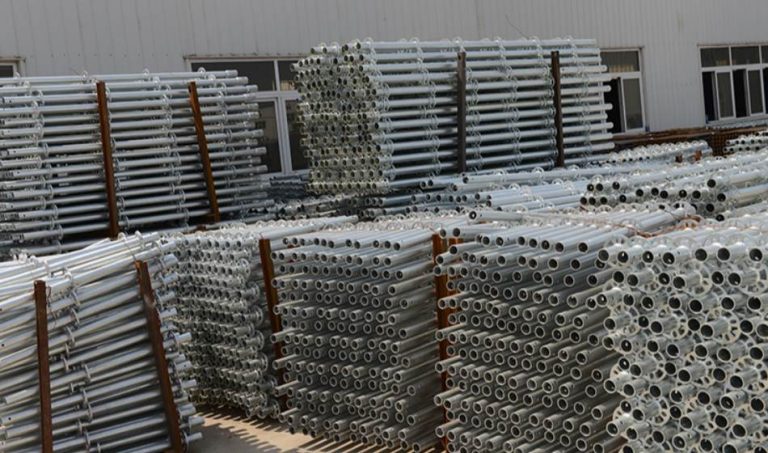
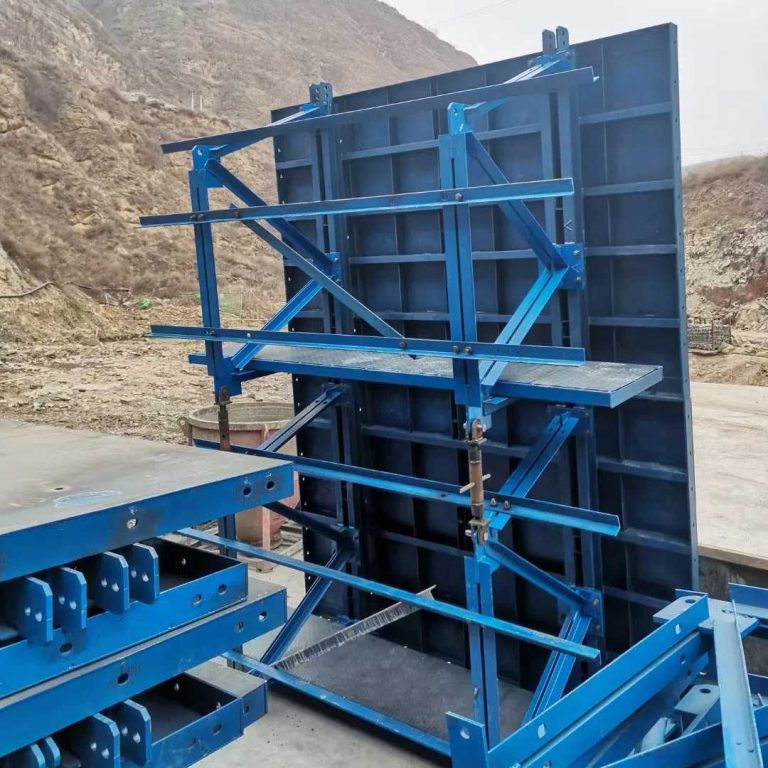
High-Strength Stainless Steel Formwork is very strong and precise, but heavier than other options. This means more workers or cranes are needed for setup. They can be reused many times, but the upfront cost is high, so they suit big projects with similar designs.

Aluminum Formwork: Lightweight Advantage in Tall Structures
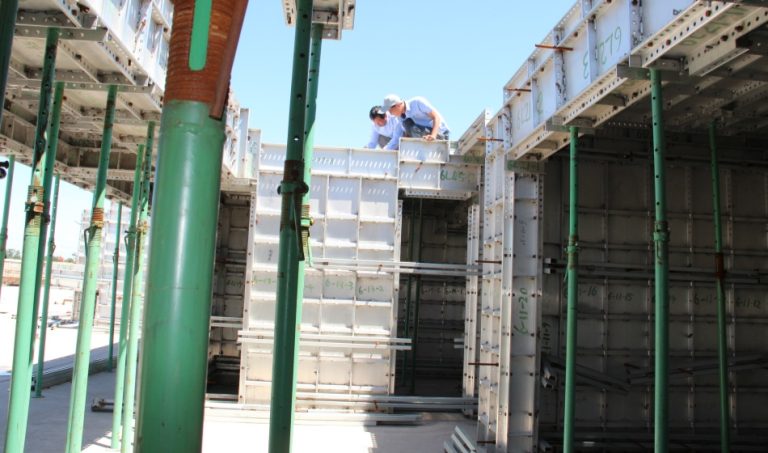
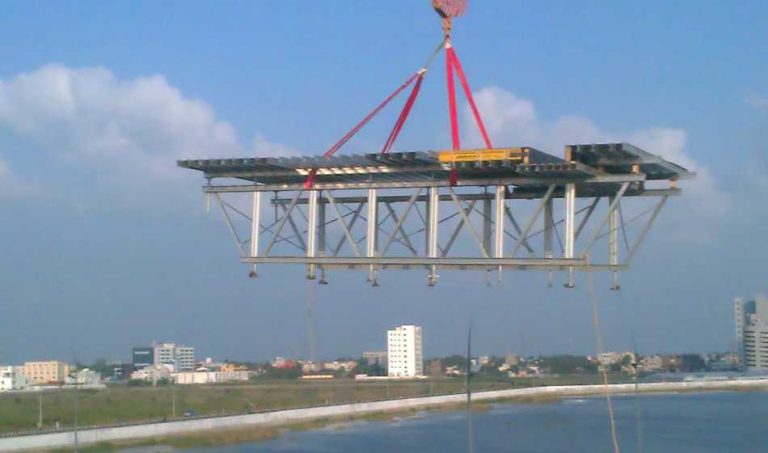
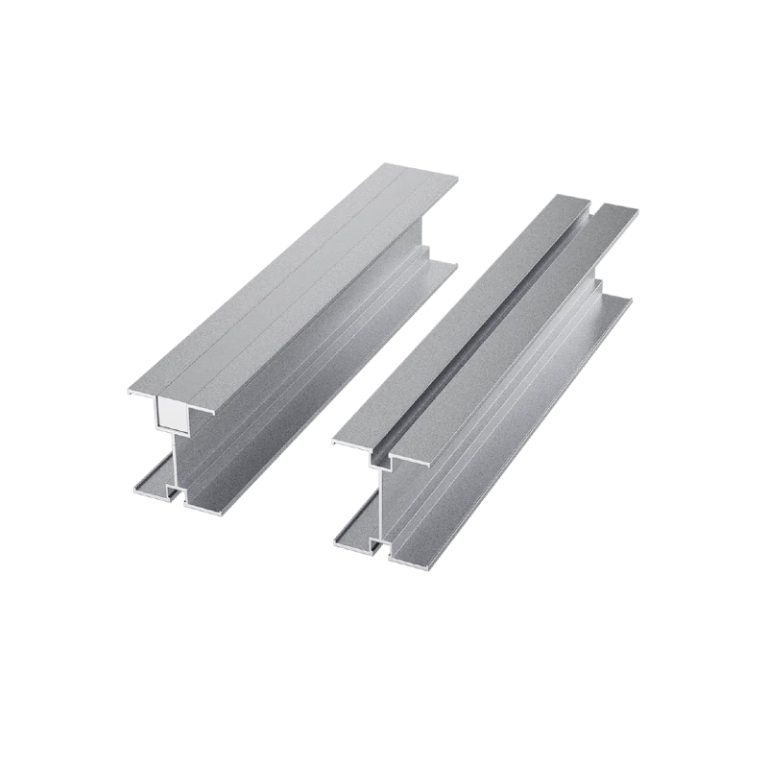
Aluminum formwork is a new generation of construction template after timber and steel formwork, with aluminum alloy profiles as the main material. It mixes steel’s reuse benefits with timber’s light weight. Built for long-term use, aluminum formwork panels can be reused up to 200 times without losing quality. It can be assembled without cranes or heavy lifting equipment, making it great for high-rises where crane time is limited or costly.
Climbing and Self-Climbing Systems for Vertical Construction
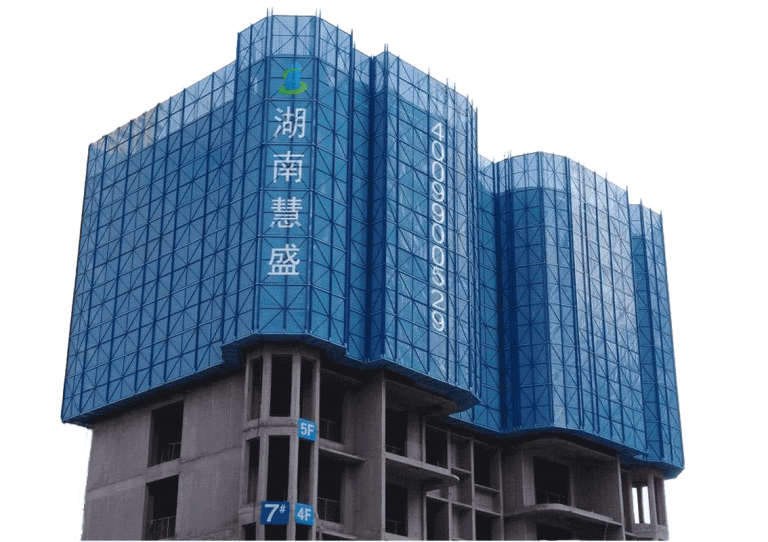
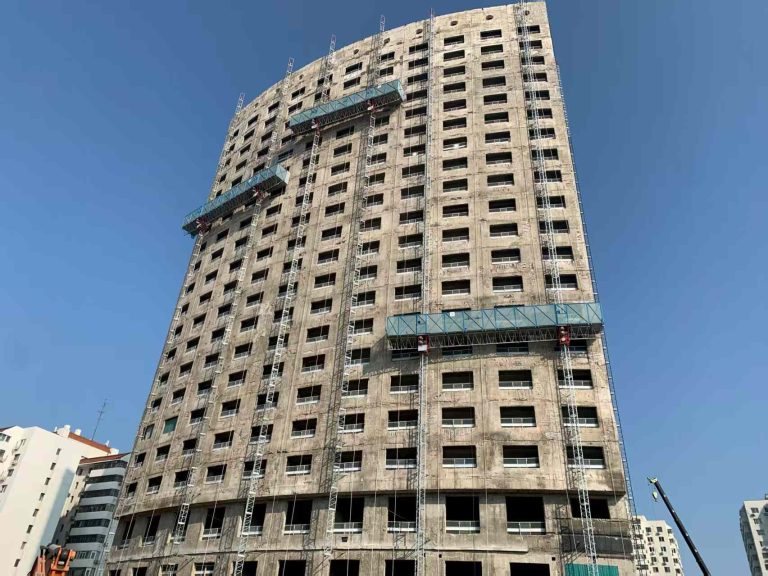
For core walls, elevator shafts, or shear walls rising separately from floor slabs, climbing systems allow steady upward progress with less crane use.
Hydraulic Climbing Systems for Core Walls and Shear Walls
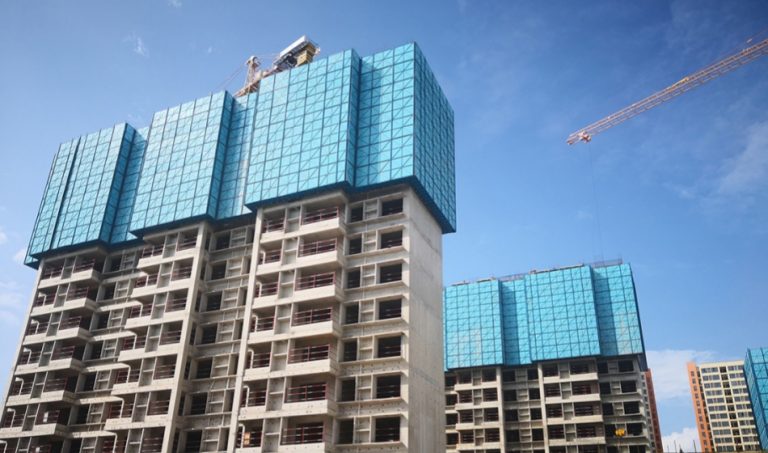
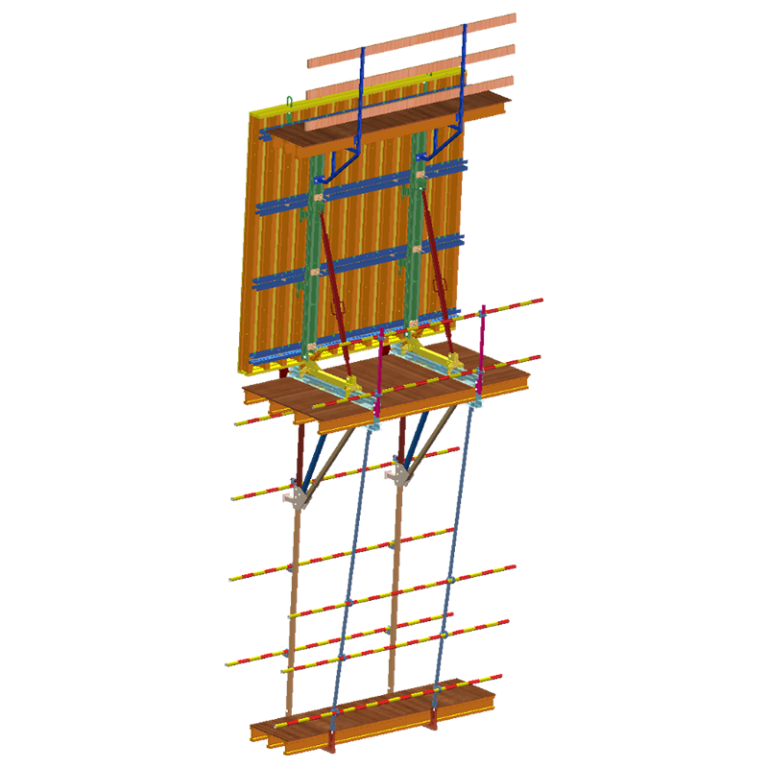
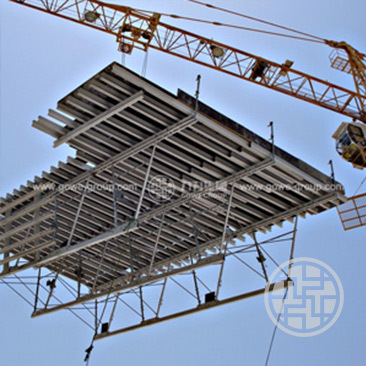
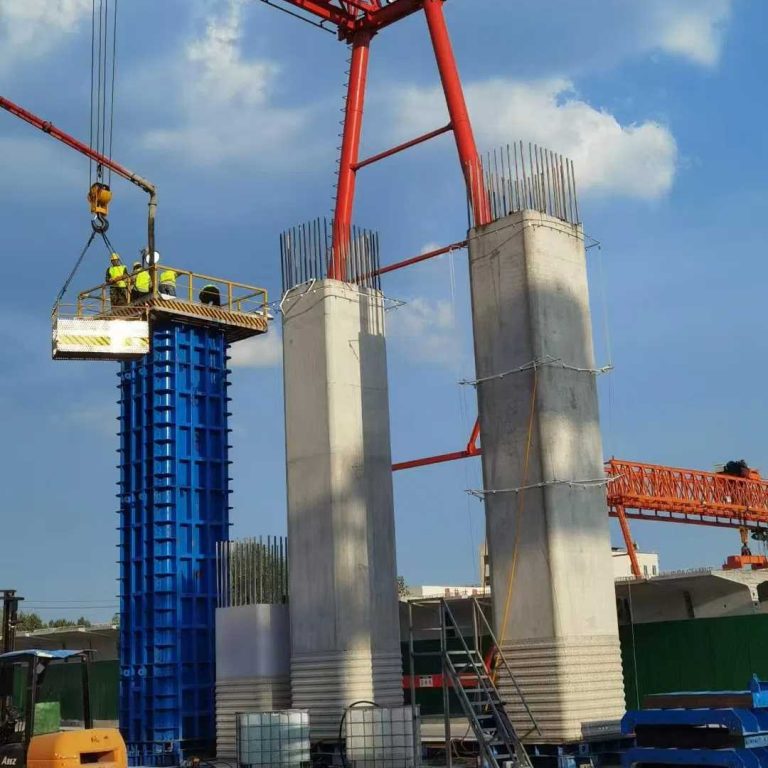
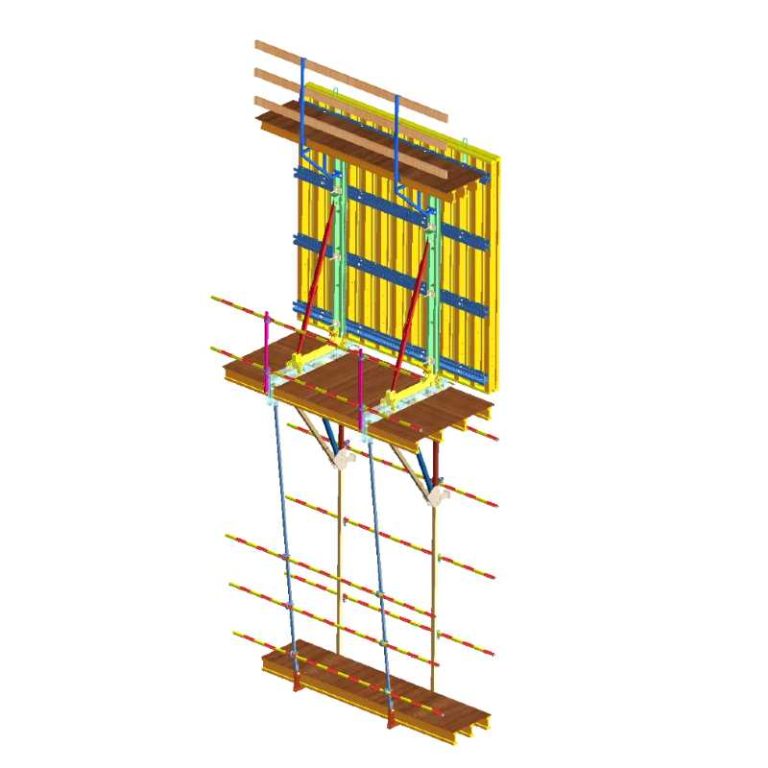
Hydraulic self-climbing systems use built-in jacks to lift along embedded rails or anchors. They need fewer cranes and allow steady vertical pours, even in bad weather, making them perfect for central cores.
Guided Rail Climbing Systems for Safety and Speed
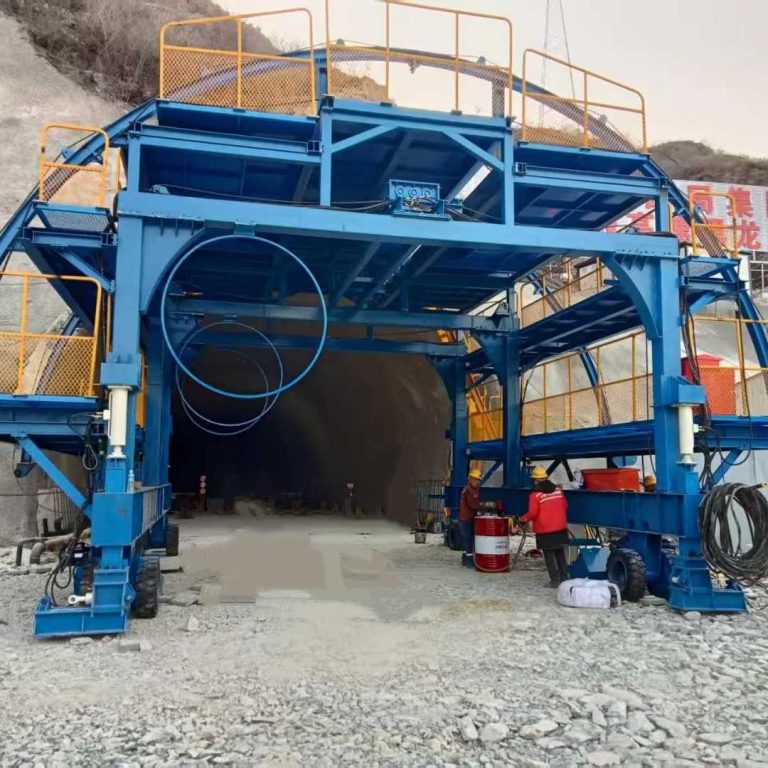
Guided rail climbing (GRC) systems use mechanical tracks fixed to earlier concrete sections. They keep alignment exact during lifts and improve safety with fixed paths, a big plus on busy high-rise sites.
Which Factors Should You Consider When Choosing a Formwork System?
Project-Specific Criteria That Influence Selection
Choosing the best formwork depends on specific project needs.
Building Height, Geometry, and Architectural Complexity
High-rises with varied shapes need flexible systems for non-repeating forms like cantilevers or curved walls. Modular aluminum systems shine here with their adaptability. Each system is custom-designed to match project-specific requirements, ensuring a good fit even for tricky layouts.
Concrete Pressure, Pouring Speed, and Weather Conditions
Pouring large amounts fast needs a system that handles strong pressure without bending. Wind at high levels also affects stability, favoring tough but light options like aluminum alloy panels.
Operational Considerations During Construction
Smooth on-site work cuts delays and labor costs over time.
Ease of Assembly and Disassembly On-Site
Aluminum formwork is light and easy to handle, letting even less-skilled workers set it up fast. It can be assembled without cranes or heavy lifting equipment, making it perfect where crane access is hard or expensive.
Labor Requirements and Training Needs
Modern modular systems need fewer skilled workers by using standard panels that fit together easily. Some makers offer training to help crews learn fast, cutting errors during setup.

Why Does the Right Formwork System Improve Cost Control and Safety?
Reducing Material Waste and Enhancing Reusability
Reusable parts cut material waste a lot compared to timber systems. The system eliminates the need for timber or plywood, supporting green goals while lowering buying costs over time.
Minimizing On-Site Accidents Through Engineered Safety Features
Advanced systems have built-in safety platforms, guardrails, toe boards, and stair towers. They meet global safety rules, reducing fall risks during forming work.
Lowering Overall Project Timelines with Efficient Systems
Faster setup and takedown mean shorter project times and earlier income from finished buildings. The smooth concrete finish also skips plastering, cutting timelines by up to 50%.
How Does GOWE Provide Reliable Formwork Systems for High-Rise Buildings?
Our Commitment to Engineering Excellence in Formwork Design
At GOWE, we build solutions around key ideas: strong yet light designs, flexible modules, easy use on-site, and top safety in every part we make.
GOWE’s Modular Aluminum Wall & Slab Formwork System
We offer an advanced aluminum formwork system built for high-rise efficiency.
Lightweight Panels Designed for Fast Assembly
With high-strength and lightweight, GOWE aluminium formwork is an ideal choice for construction, allowing quick manual handling without cranes across many floors.
High Load Capacity with Minimal Deflection
It can withstand 60KN/m² concrete side pressure, ensuring stability even under fast pours common in tall buildings.
Integrated Safety Platforms and Guardrails
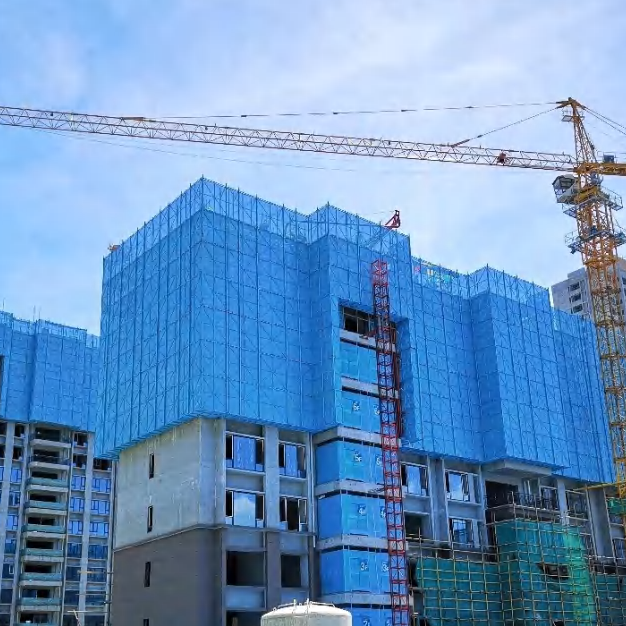
Our wall modules include built-in safety features like guardrails to protect workers at height, meeting international safety standards.
Adjustable Components for Complex Geometries
Each system is custom-designed to match project-specific requirements. Whether your building has sloped walls or balconies, we ensure smooth integration with adjustable parts based on your plans.
Self-Climbing Core Wall System by GOWE
For vertical parts like elevator shafts:
Hydraulic Operation Eliminates Crane Dependency
Our hydraulic self-climbing system lifts on its own using embedded anchors, freeing cranes and speeding up vertical pours despite weather issues.
Ideal for Cores, Elevator Shafts, and Stairwells
This solution gives precise alignment between pours while keeping safety at height, vital for building central cores apart from slabs.
Technical Support and Customization Services from GOWE
We don’t just sell products; we work with you through your build.
On-Site Training Programs for Your Crew
GOWE offers hands-on training so your team can set up our modular kits quickly with few mistakes or delays.
Tailored Design Based on Structural Drawings
We use your building plans to design panel layouts that maximize reuse while meeting all structural needs set by your engineers.
FAQ
Q: How do I choose the best formwork system for high-rise buildings?
A: Look at building height, design complexity, floor cycle speed, worker skills, and crane access. Choose reusable modular systems like aluminum for strength and less weight.
Q: What type of formwork is most efficient for tall structures?
A: Aluminum alloy formworks work best due to their light weight and high load capacity. They allow casting walls and slabs together, speeding up each floor a lot.
Q: Is aluminum better than steel or timber in high-rise projects?
A: Yes, for repeating layouts in tall buildings, aluminum is easier to handle than steel and stronger than timber. It also cuts crane use due to its lighter panels.
Q: Which brand offers reliable aluminum formwork products?
A: GOWE provides trusty modular aluminum systems made for multi-story buildings, with built-in safety and support like custom layouts based on your plans.
Q: What are the top companies providing self-climbing core wall solutions?
A: For projects needing core wall progress without cranes, GOWE offers hydraulic climbing platforms built for elevator shafts and stairwells with embedded guide tracks for safe upward movement.