


Why Mobile Scaffolds Are Essential for Modern Construction Projects
Key Advantages Over Traditional Scaffolding
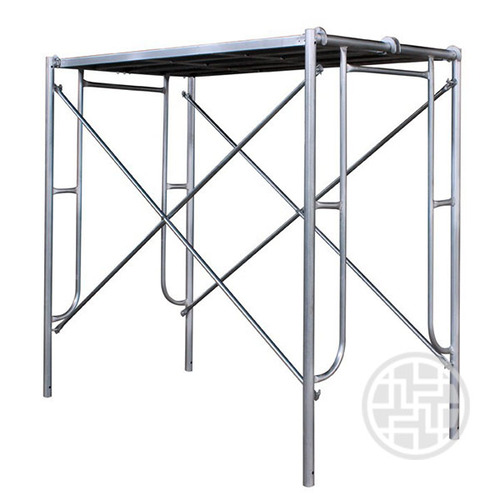
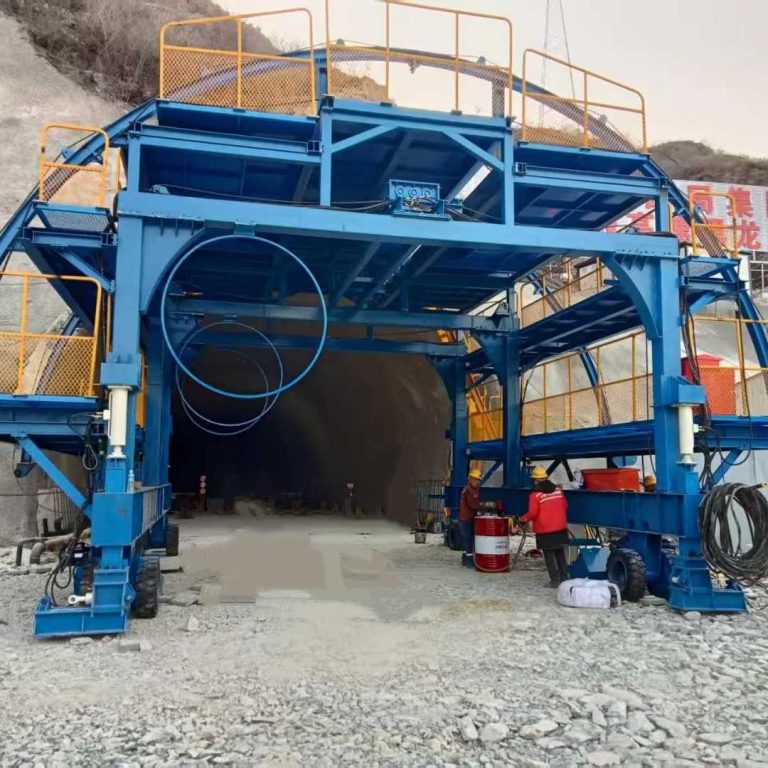
Traditional fixed scaffolding takes considerable time for assembly and disassembly when it needs to be moved. Mobile scaffold solutions offer excellent flexibility instead. These systems let workers shift them fast from one area to another on site. This approach greatly cuts the lost time connected with moving work zones.
How Mobility Enhances Efficiency and Safety
Mobility improves productivity in a direct manner. It keeps the work platform close to the actual task. This step reduces repeated climbing for workers. The full structure can be lifted or rolled together as one unit. Projects can then finish sooner. They still keep a stable and dependable work setting at the same time.
Popular Applications Across Residential and Commercial Sites
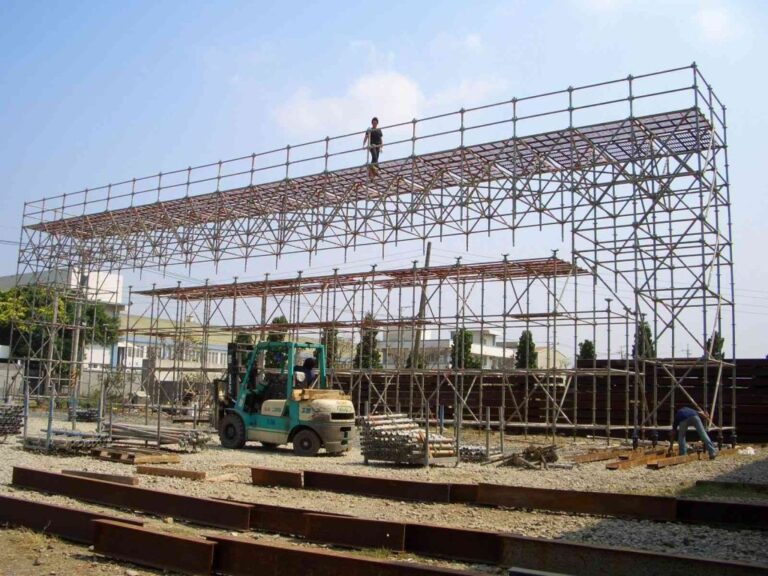
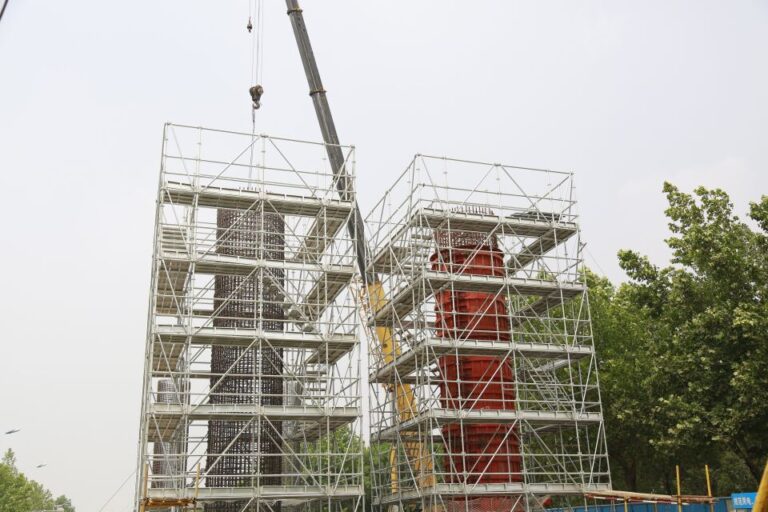
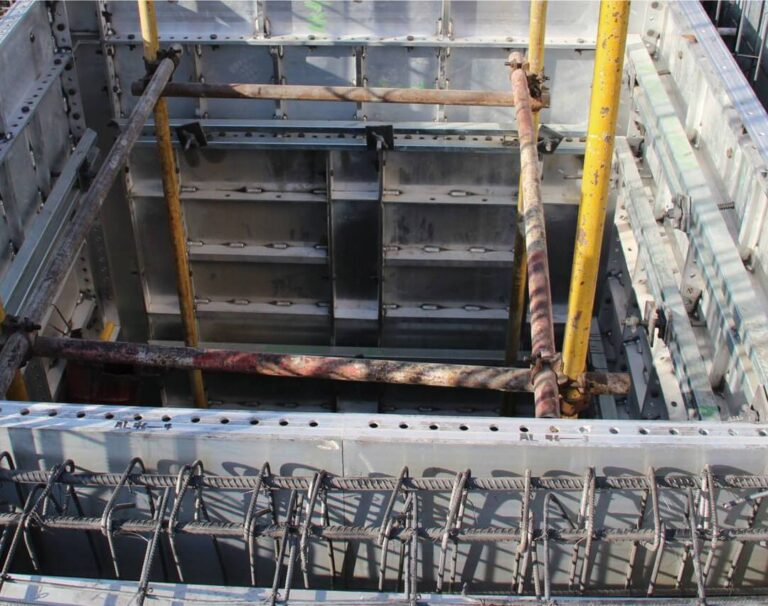
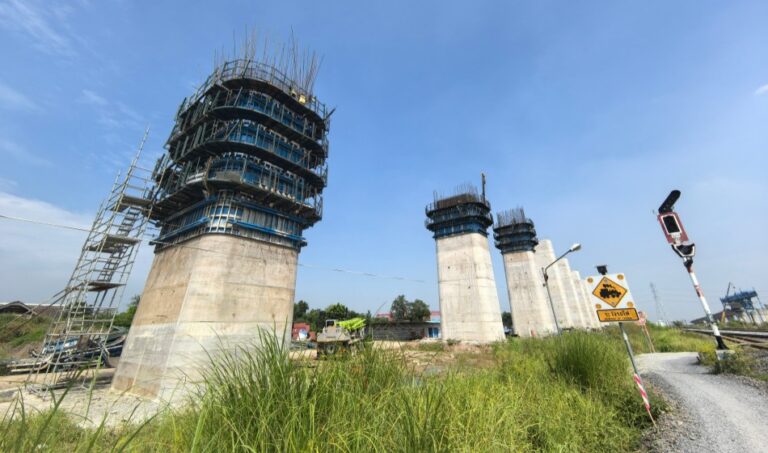
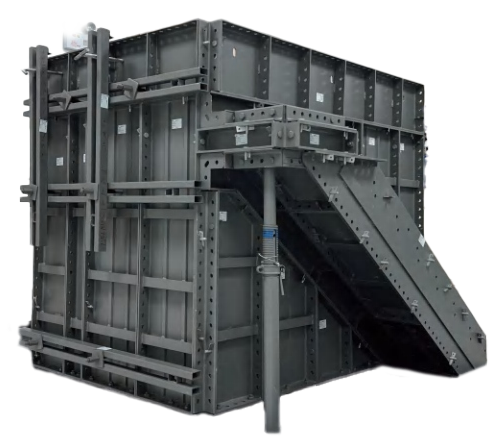
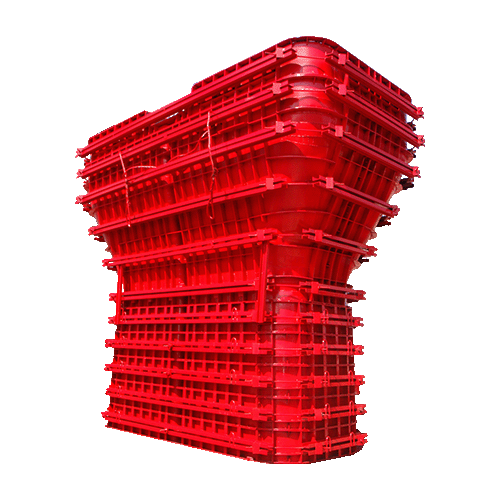
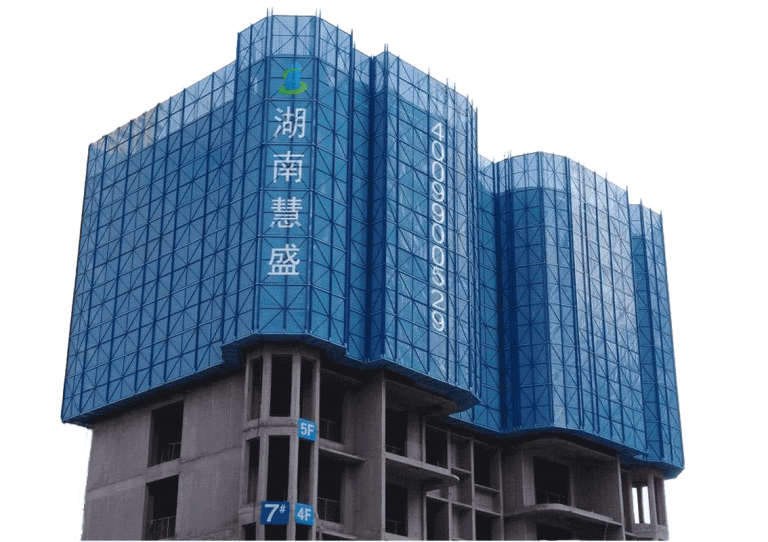
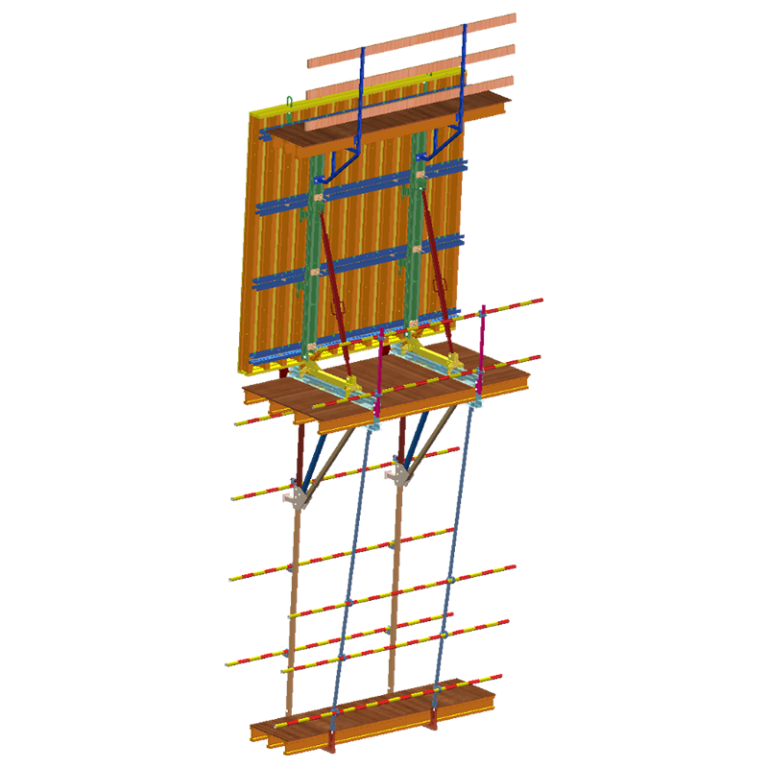
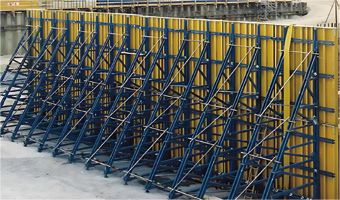
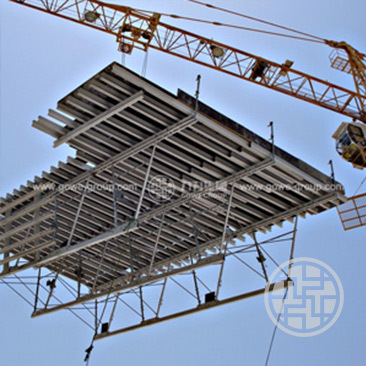
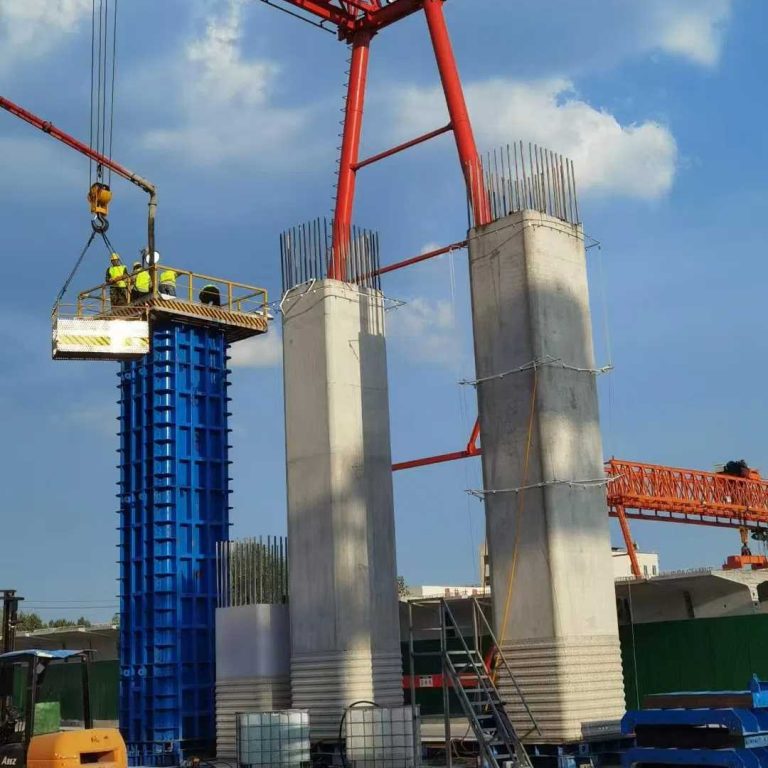
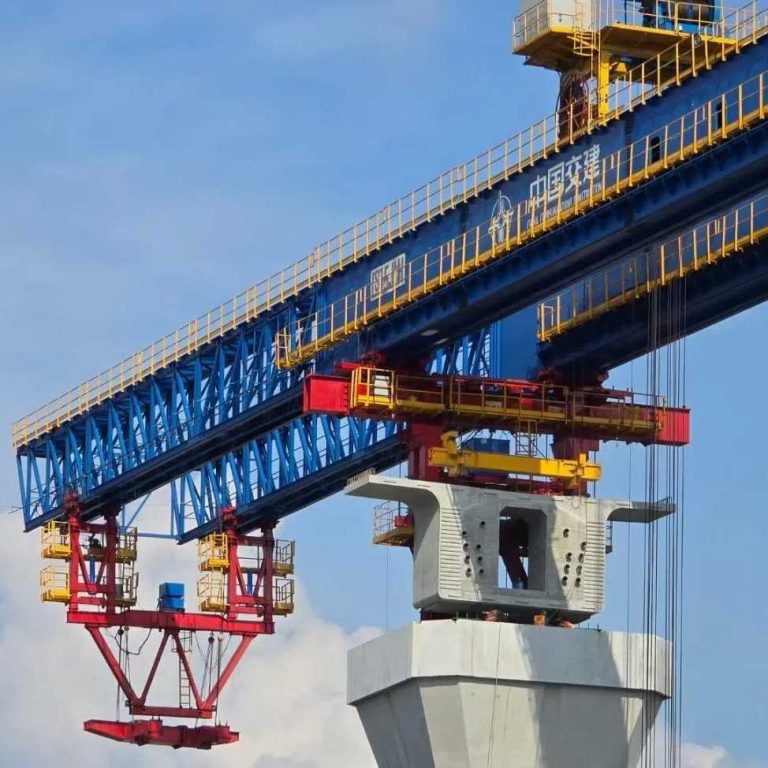
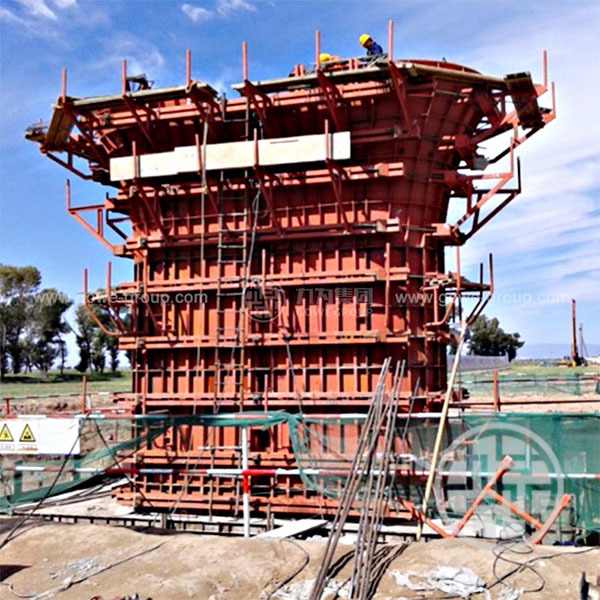
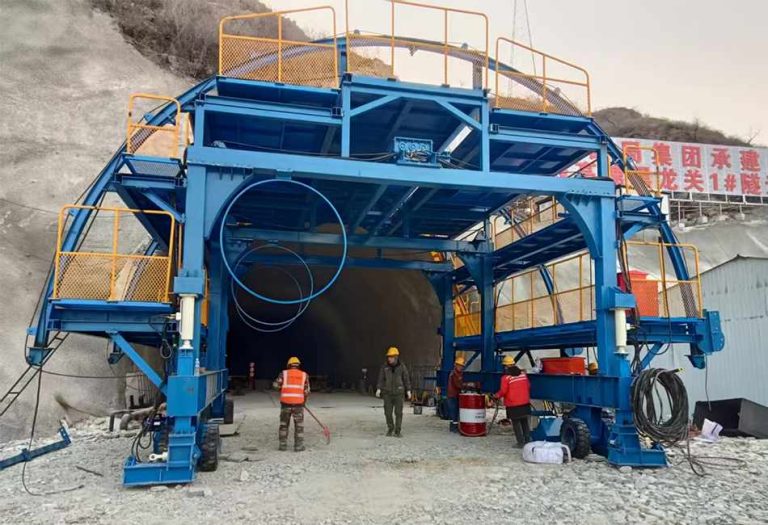
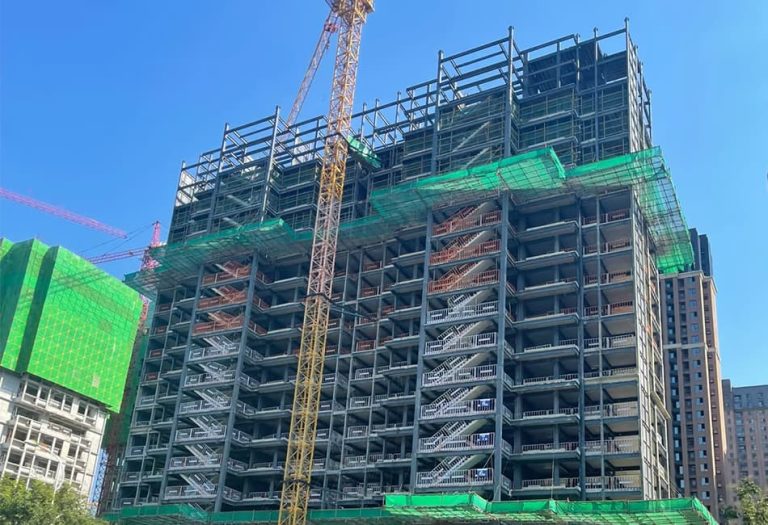
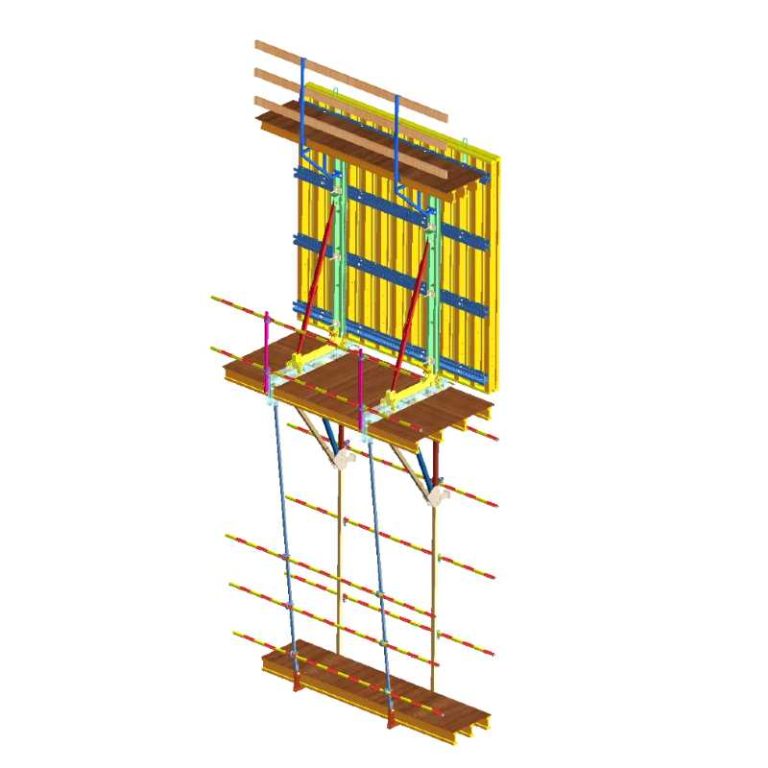
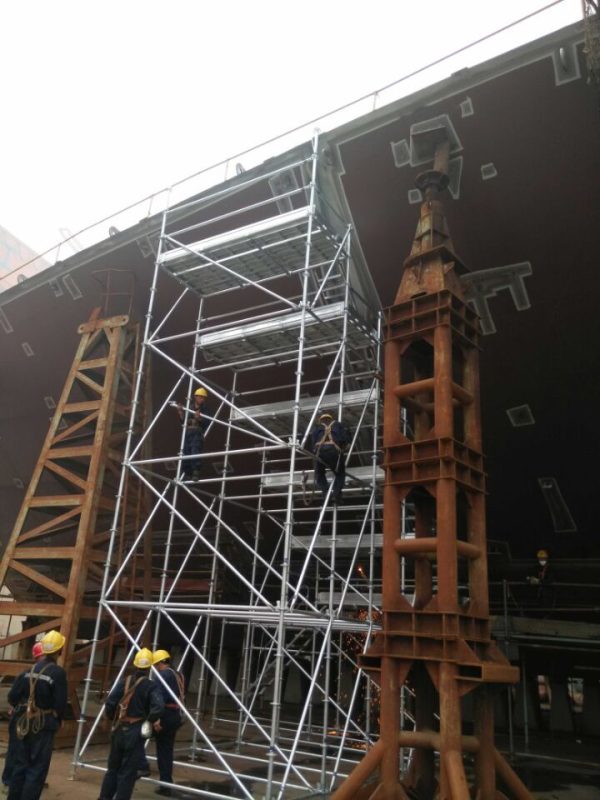
These systems work well in many kinds of construction projects. They support high-rise construction that uses integrated formwork. They also fit special tasks like pier column scaffolding platforms. Mobile setups give suitable support for both residential and commercial needs.
What Factors Contractors Should Consider Before Choosing a Mobile Scaffold
Working Height and Load Capacity Requirements
Choosing the right system means checking the needed details for your project. Working height and total load capacity are two important examples. Standard parts are easy to find. Still, it remains important to confirm that the chosen structure can hold the weight of people and materials safely. Exact details should always match your specific order.
Platform Size and Reach for Different Project Types
The platform size and setup must fit the special space limits of the project. You may need a standard pier column setup or a bigger arrangement. Customization choices exist for product sizes and shapes. These options help meet your exact needs.
Stability and Safety Features to Check
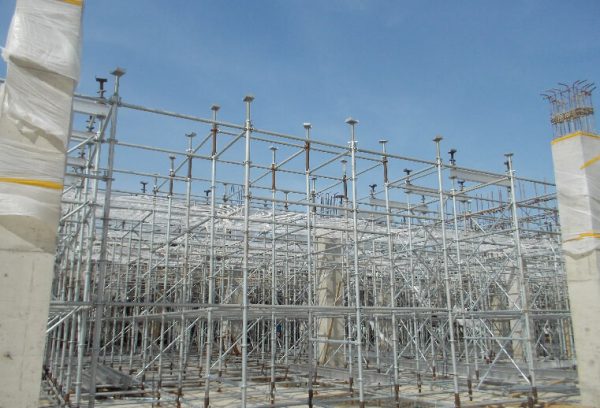
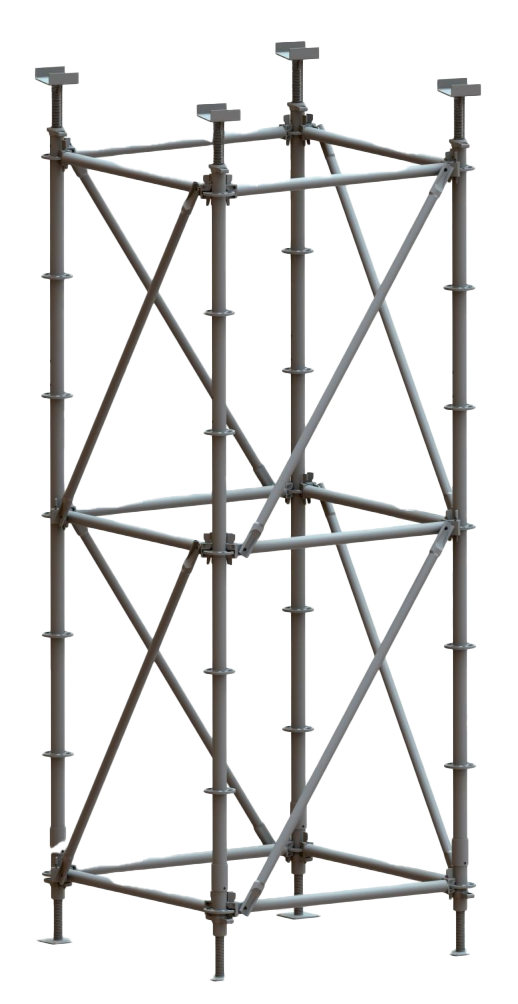
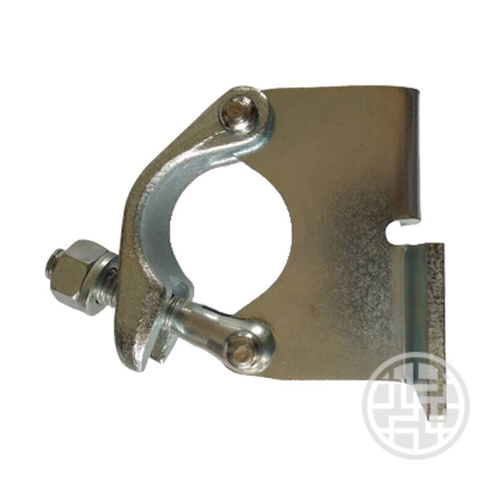
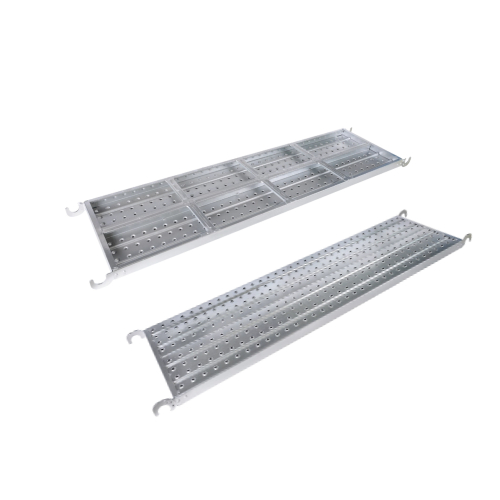
A safe scaffold system depends on a solid structure. Features such as stable bracing, high-quality couplers, and confirmed load-bearing capacities remain very important. Always check that components such as standard ledgers, diagonals, and base collars meet recognized safety standards like EN12811.
How Mobile Scaffold Types Differ and When to Use Each
Rolling Scaffolds vs Tower Scaffolds
Rolling and tower setups meet different work needs. The choice depends on height and movement demands at the site. Systems with concise designs and high load-bearing capacities help maintain stability in various tower or platform uses.
Aluminum vs Steel Construction Options
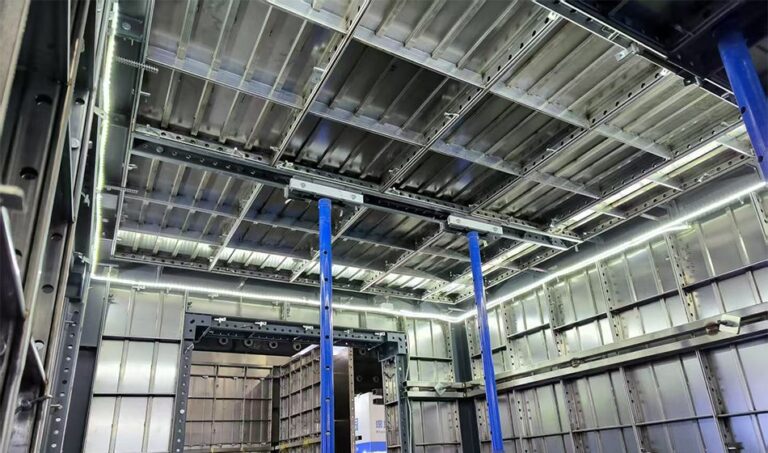
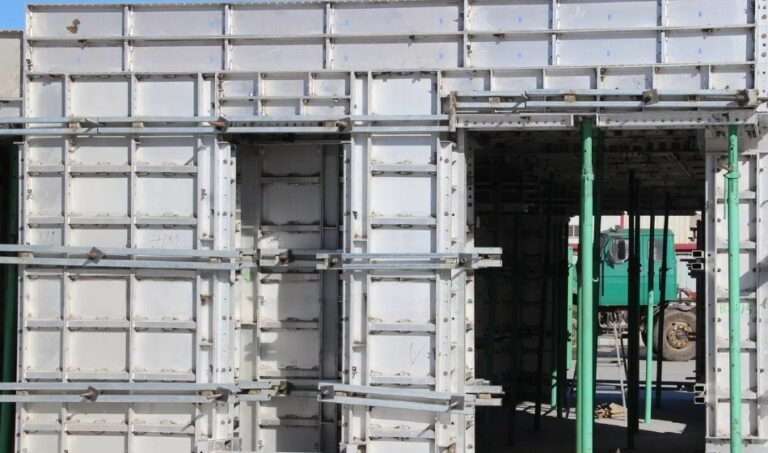
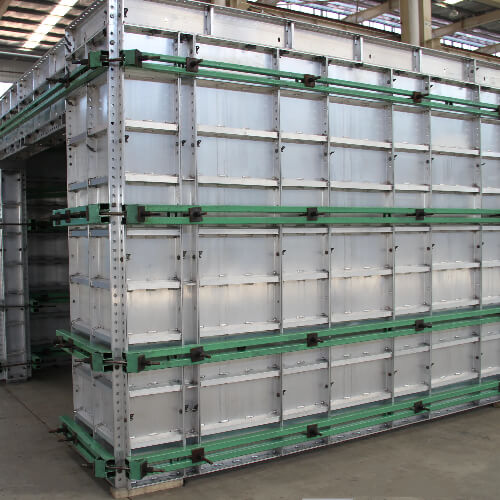
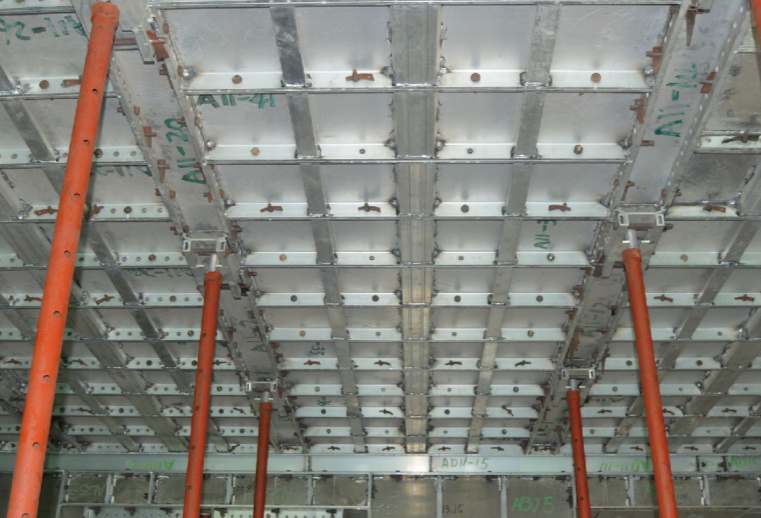
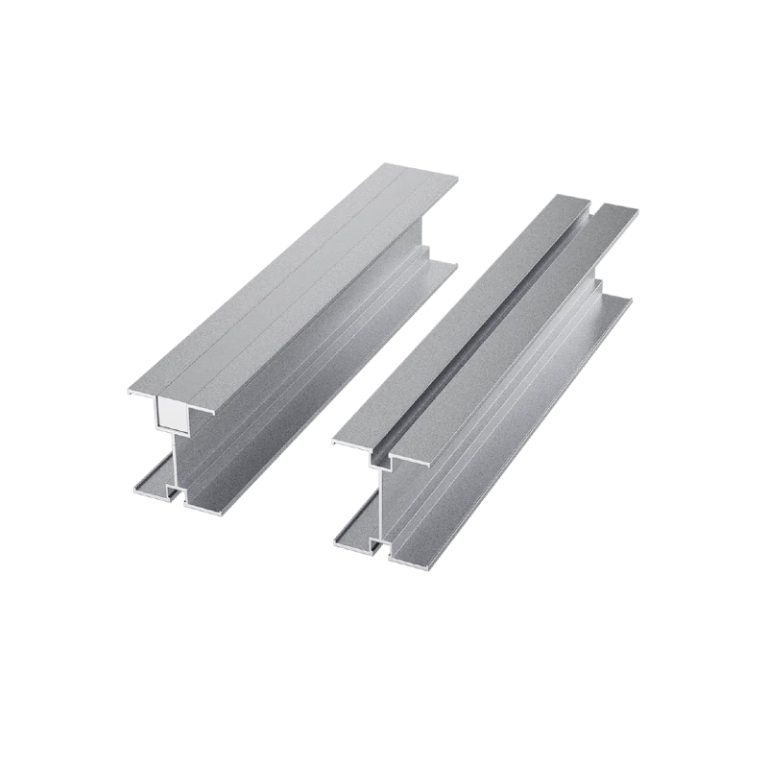
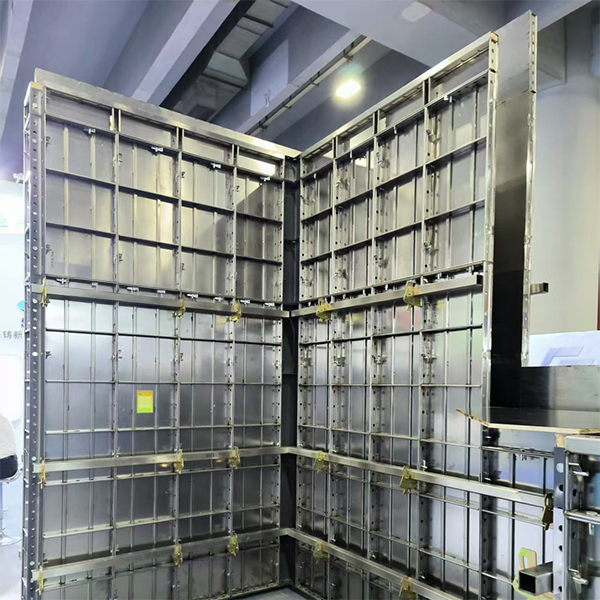
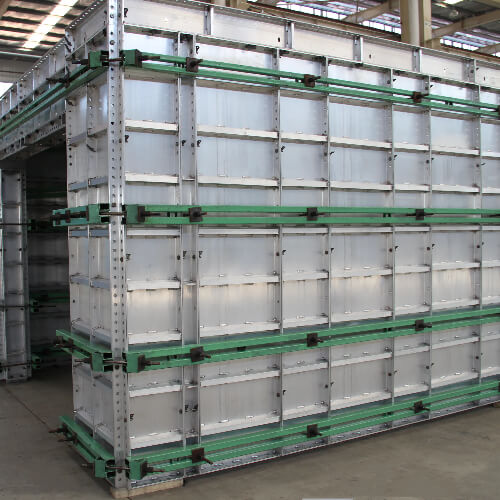
Material choice counts as a key business decision. We do not manufacture aluminum alloy scaffolding. Instead, we supply strong steel systems that use high-quality grades like Q355 and Q235. These grades are known for their strong performance. For high-rise projects, we also supply aluminum formwork. This formwork can combine with the steel scaffolding systems to reach the best results.
Modular Configurations and Adaptability
Modular systems provide good interchangeability and solid structural stability. Our design team can adjust these systems to match special project needs. This process makes the final setup both practical and economical.
How to Ensure Safety When Using Mobile Scaffolds
Inspecting Scaffold Components Before Use
All parts should be checked for quality before assembly starts. This includes standards, ledgers, and bracing. Systems built with high-precision automated welding make each piece dependable. They become safe for actual use on site.
Proper Assembly and Bracing Techniques
Correct assembly forms the base of safety on-site. We offer professional engineering advice and design drawings. These materials guide your team through difficult assemblies. The guidance helps make the setup both practical and secure.
Compliance with Local Safety Standards
All equipment must follow established international standards. Our products are made to meet standards such as EN12811 and JG/T503. These provide a clear measure for safety and quality management.
How to Optimize Efficiency and Productivity with Mobile Scaffolds
Arranging Multiple Units on Site for Workflow
Good efficiency comes from close coordination between the operation team and logistics support. Strategic placement of multiple units across a site creates a smooth workflow. This arrangement makes full use of every scaffold system.
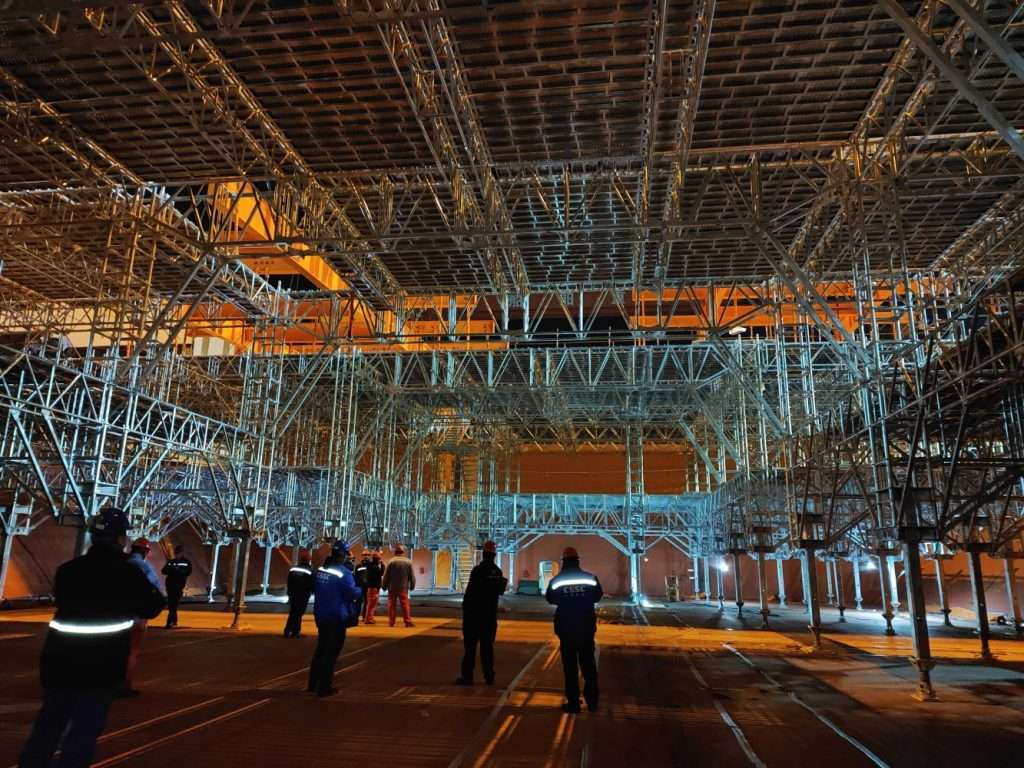
Quick Setup and Dismantling Strategies
Our systems are built for simple assembly and dismantling. This design supports fast construction speeds. We draw on our project design experience to help you apply these quick-setup methods. The methods keep your project on schedule.
Integrating Scaffold Use into Project Scheduling
We give full support from early planning and design through to smooth project completion. Placing our scaffolding solutions into your project schedule guarantees the right materials arrive at the right moment. This step prevents unnecessary delays.
Cost and Maintenance Considerations for Mobile Scaffolds
Comparing Long-Term vs Short-Term Investment
The decision between steel and other materials requires a review of the complete project life cycle. Initial costs differ. Our high-quality Q355 and Q235 steel components bring lasting strength. This strength decreases the need for frequent replacement and creates a stronger long-term investment.
Routine Maintenance and Inspection Tips
Good maintenance remains important for equipment longevity. We support the full life cycle of your project. We share maintenance advice to keep your scaffolding in excellent condition during its entire service period.
Supplier Support and Warranty Options
GOWE has over 30 years of experience as a leading manufacturer and supplier of formwork and scaffolding systems. The company combines R&D, production, sales, and rental services. With 500+ professionals and 360+ patents across 100+ facilities globally, we focus on delivering customized, intelligent solutions. These solutions help ensure your projects rest on a solid foundation. The efficiency of any construction site depends on how easily workers can reach elevated work areas. Our mission is to supply the specialized systems needed to improve that access.
We supply complete technical guidance services after purchase. The exact content is adjusted to fit your project schedule. In general, this guidance covers a standard floor or a period of up to one month, so your team receives full support.
FAQ
Q: What is the typical lead time for delivering custom scaffolding solutions?
A: Lead times depend on the specific project schedule and the complexity of the requirements. As a leading manufacturer with over 100 facilities, GOWE works to improve logistics and meet your project needs in an efficient way.
Q: Are there certifications available for the scaffolding equipment?
A: Yes. Our products are designed to meet international standards such as EN12811 and JG/T503. We keep strong quality control systems in place. These systems guarantee that our scaffolding and formwork solutions satisfy the strict quality demands.
Q: Can engineering consultation and design drawings be provided for my project?
A: Certainly. We supply engineering consultation and customized design drawings. These drawings include a service fee. The fee is later subtracted from your final purchase order. This arrangement creates an economical route to a custom solution.
Q: How should the load capacity of a mobile scaffold be calculated?
A: Load capacity is decided by the structural needs of the project. Our professional engineers can perform this calculation for you. They base it on the exact use case. We make sure our systems, which use materials like Q355 steel, deliver the strong load-bearing capacity required for safe work.
Q: What kind of technical guidance is available after purchasing the equipment?
A: We supply technical guidance services to help with your construction process. The extent of this support is set according to your project schedule. Standard support reaches up to one month or the length of one standard floor.