



Why Are Labor Costs Soaring in Concrete Construction?
The Impact of Skilled Labor Shortages on Site
The construction industry is facing a global labor crisis. An aging workforce combined with a lack of young, skilled carpenters has created a severe talent gap. Many experienced tradesmen are retiring, while fewer apprentices are entering the field. As a result, the remaining skilled workers command premium daily wages, directly inflating project budgets. When specialized trades such as formwork carpenters become scarce, contractors must compete for their time, pushing labor costs even higher. This imbalance not only affects wage rates but also extends project timelines as teams struggle to maintain productivity with limited manpower.
How Inefficient Slab Formwork Drains Your Budget
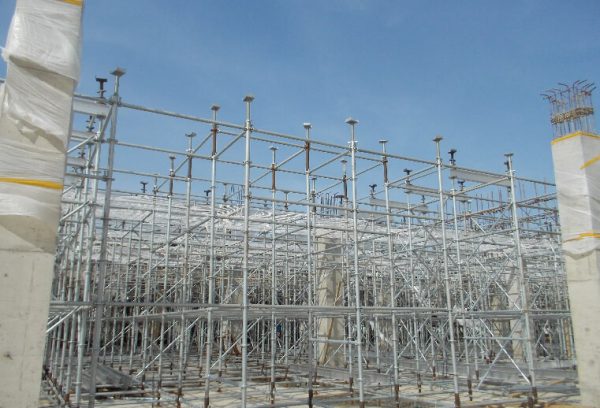
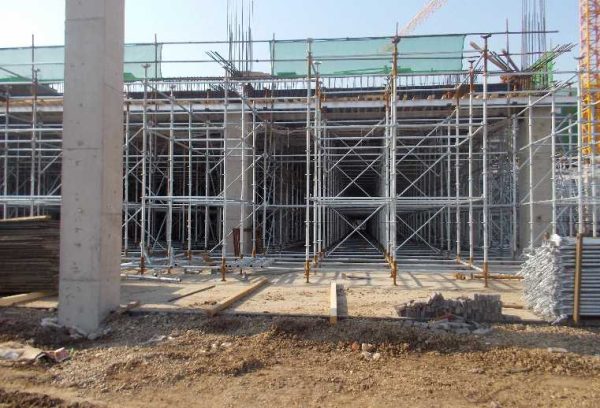
Traditional timber formwork systems hide numerous inefficiencies that drain both time and money. Each cycle involves repetitive tasks—measuring, cutting, and nailing—that consume valuable man-hours on-site. These manual processes also introduce inconsistencies in quality and alignment, leading to rework or delays in subsequent trades. Moreover, when slab formwork lacks standardization, mechanical and electrical (MEP) installers often face idle time waiting for the formwork crew to complete their work. This domino effect disrupts coordination across teams and inflates overall labor expenditures.

What Makes a Slab Formwork System “Efficient” for Labor?
Modular Design vs. Traditional Stick-Building
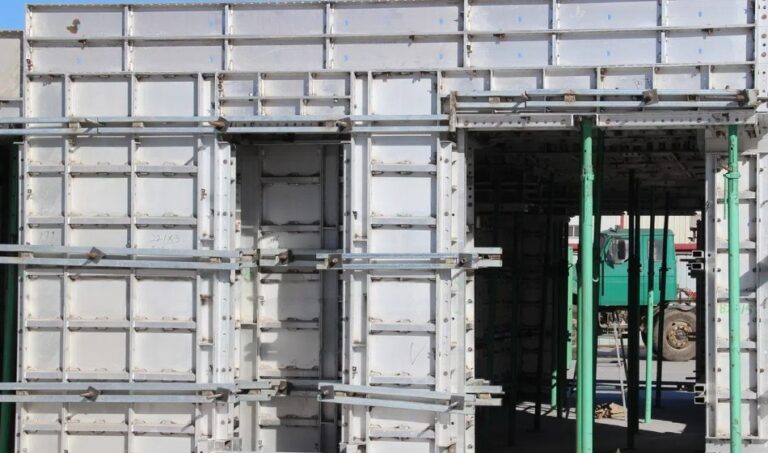
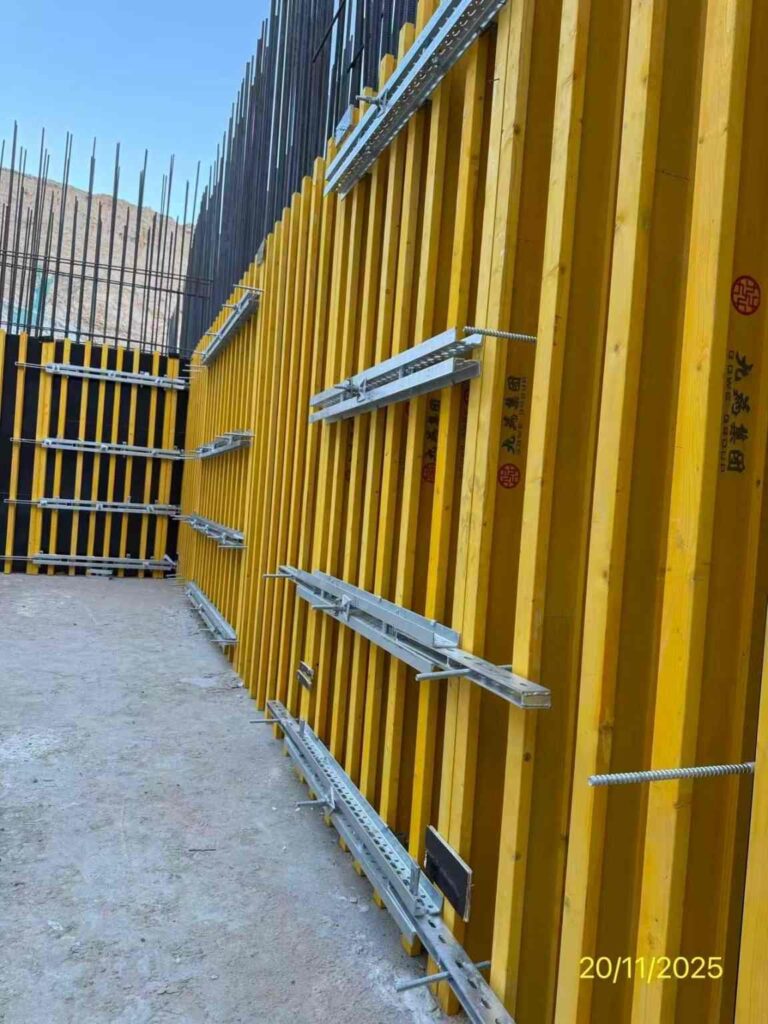
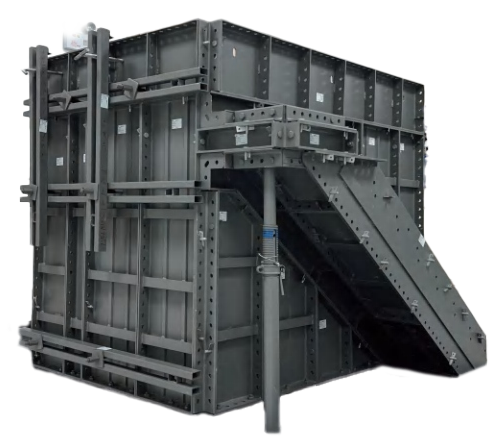
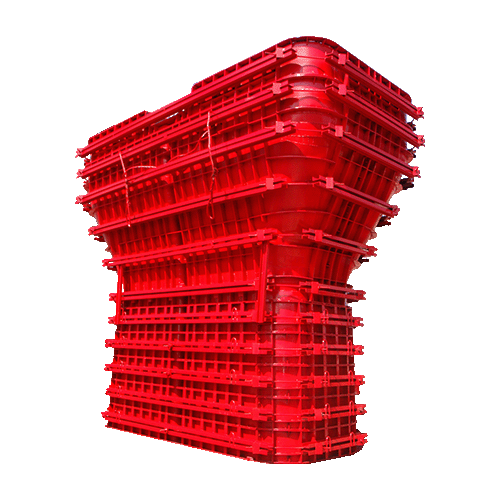
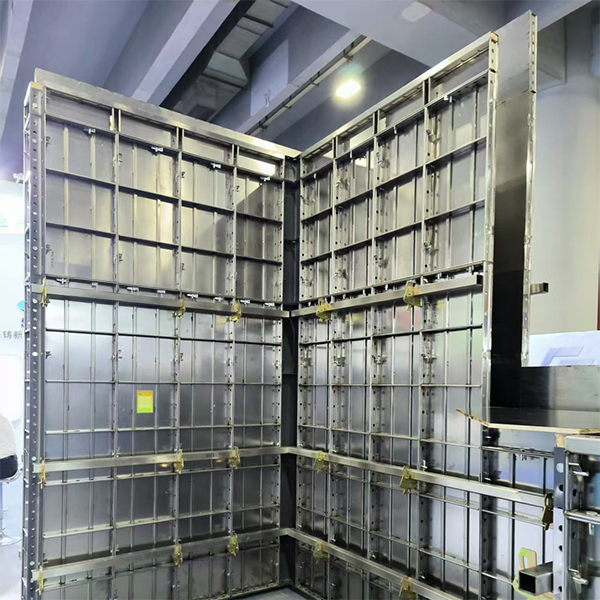
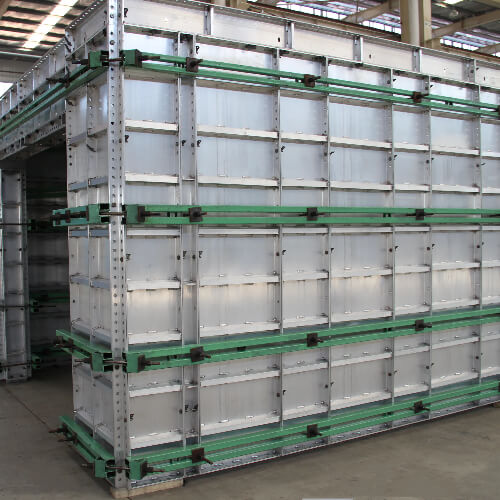
Old stick-built ways depend a lot on skill and know-how. They lead to uneven build times and spotty results. But modular slab formwork setups are planned ahead for accuracy and steady use. The aluminum formwork system is a high-efficiency solution for RCC load-bearing and RCC-framed multi-story buildings. It lets walls and slabs form in one go. This speeds up building a lot. It creates a solid, single-piece build with a better concrete look. The modular setup means basic workers can put panels together fast. They need just basic training. This cuts reliance on experts. As a result, it lowers worker costs and boosts safety.
Lightweight Materials for Faster Handling and Assembly
Heavy stuff slows things down. It tires out workers, too. That raises mistakes from exhaustion and hurts. New light materials like aluminum fix this well. With high strength and lightweight, GOWE Cofragem de alumínio is an ideal choice for construction, and is highly acclaimed by construction workers due to its lightweight and flexibility. These setups handle big concrete pushes. Yet, they stay simple to move by hand. So, small groups cover more ground each shift. They do this without cranes or extra help.
Top Strategies to Reduce Man-Hours Using Advanced Slab Formwork
Utilizing Drophead Systems for Rapid Cycle Times
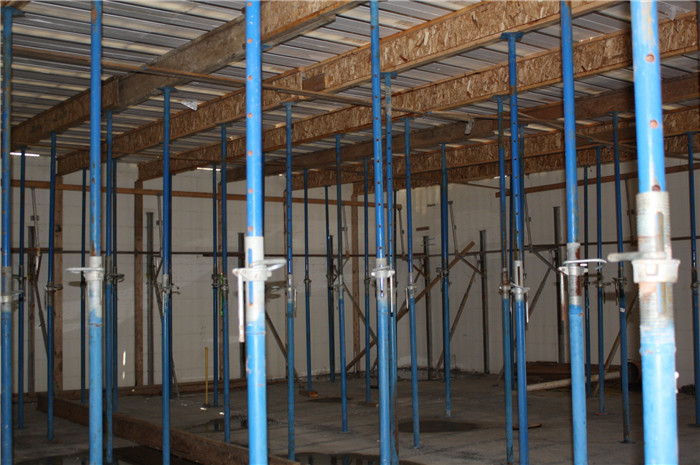
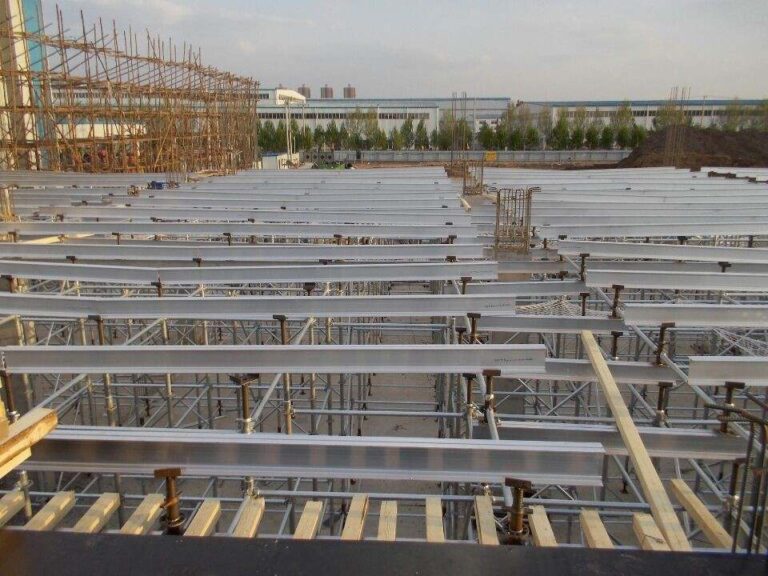
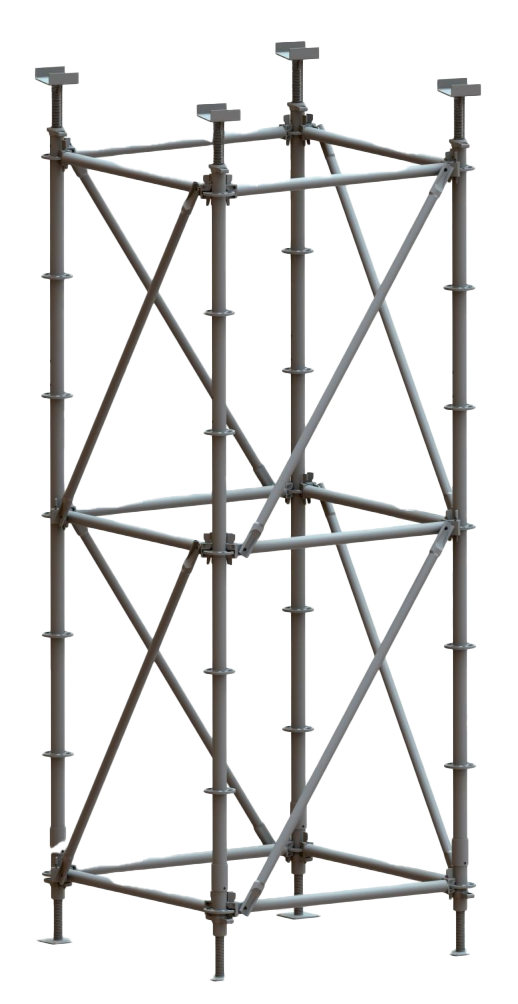
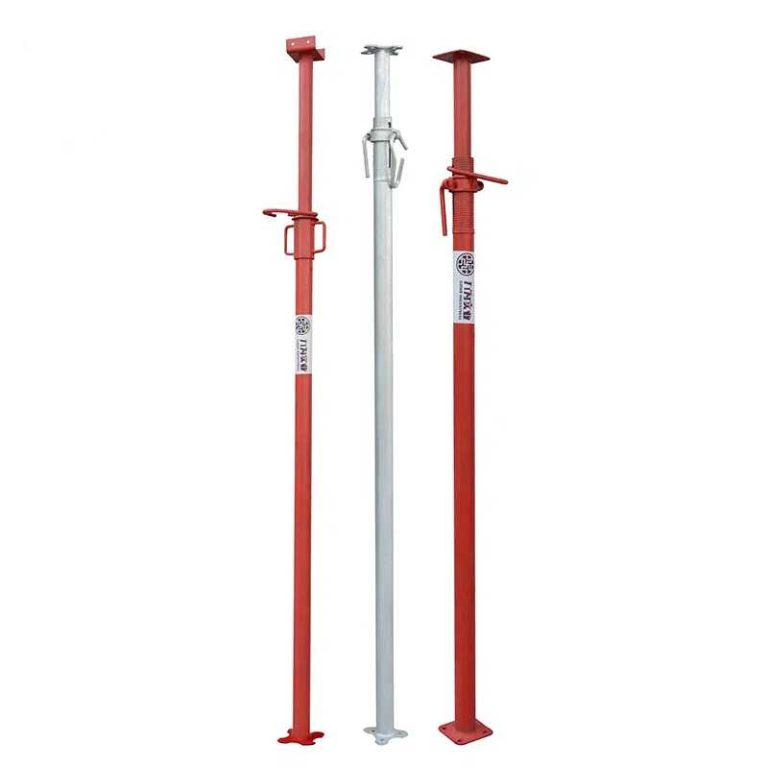
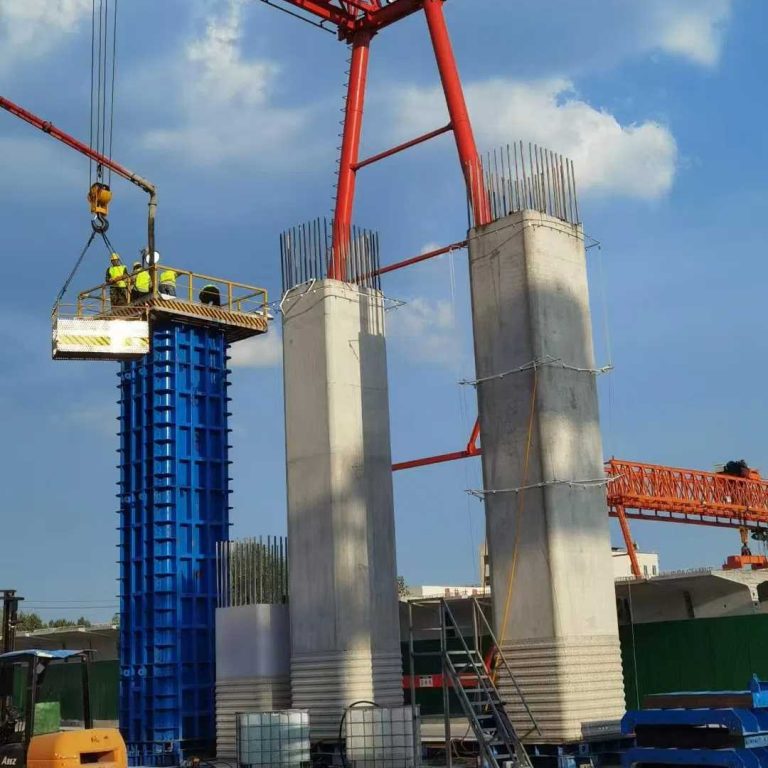
The drophead setup changes how slab formwork moves between levels. It lets crews take off flat panels early. Vertical supports stay to hold the setting slab. It can withstand 60kN/m² concrete side pressure, and realize one-time whole pouring and forming of both vertical and horizontal structure, and it can be dismantled in advance for the horizontal structure. This quick removal speeds up reuse. Panels go to higher floors sooner than usual setups allow. So, it shortens wait times a great deal.
Minimizing Crane Dependency with Man-Portable Components
On busy job sites, waiting for tower crane availability is one of the most common bottlenecks. Lightweight slab formwork components designed for manual handling keep crews working continuously without interruption. Because workers can carry panels without mechanical assistance, projects save both crane rental fees and operator man-hours. The mobility of these components ensures an uninterrupted workflow even when crane resources are allocated elsewhere.
Eliminating Post-Pour Rework with Superior Surface Finishes
Firm modular setups yield very even concrete faces after removal. Precise cuts in the aluminum parts keep steady forms and look across levels. This cuts out extra smoothing or sanding after the pour. Those jobs usually take many follow-up worker hours. By getting fine finishes straight from the formwork, builders skip a whole step. They also lift project standards.
How to Calculate the True ROI of Upgrading Your Slab Formwork?
Evaluating Initial Investment vs. Long-Term Reusability
Many project managers focus narrowly on initial purchase costs rather than long-term savings potential. The smarter approach is to calculate “cost per use.” Durable aluminum systems offer exceptional longevity—often supporting 100 or more reuse cycles before replacement becomes necessary. Each reuse spreads out the initial investment across multiple projects while maintaining structural integrity and precision fitment over time. Over several cycles, this durability transforms upfront expense into measurable profit through reduced man-hours per pour.
Matching the Right System to Your Specific Project Type
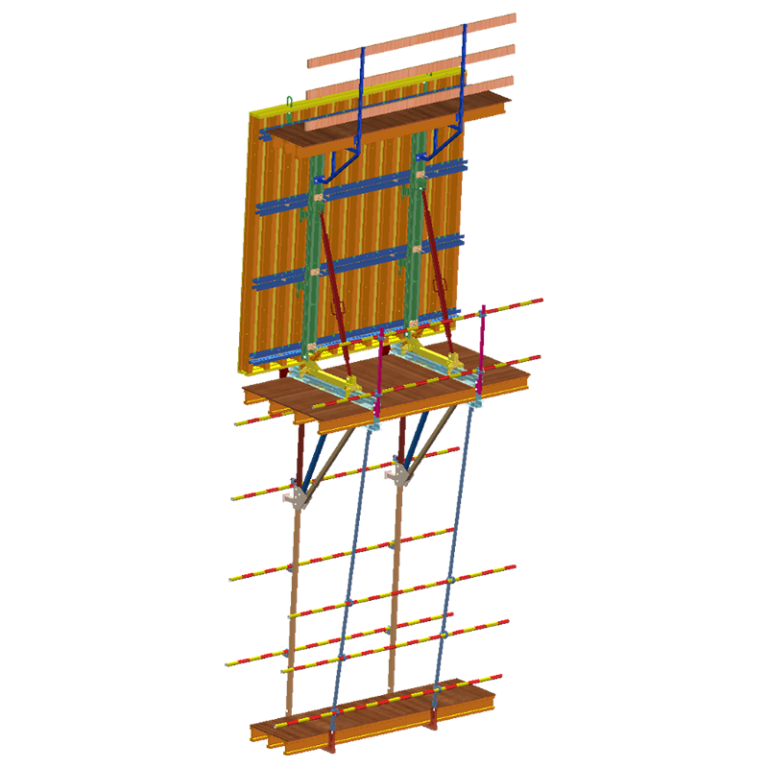
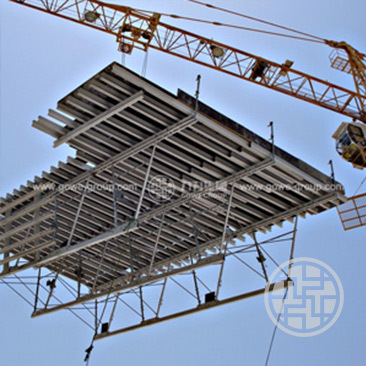
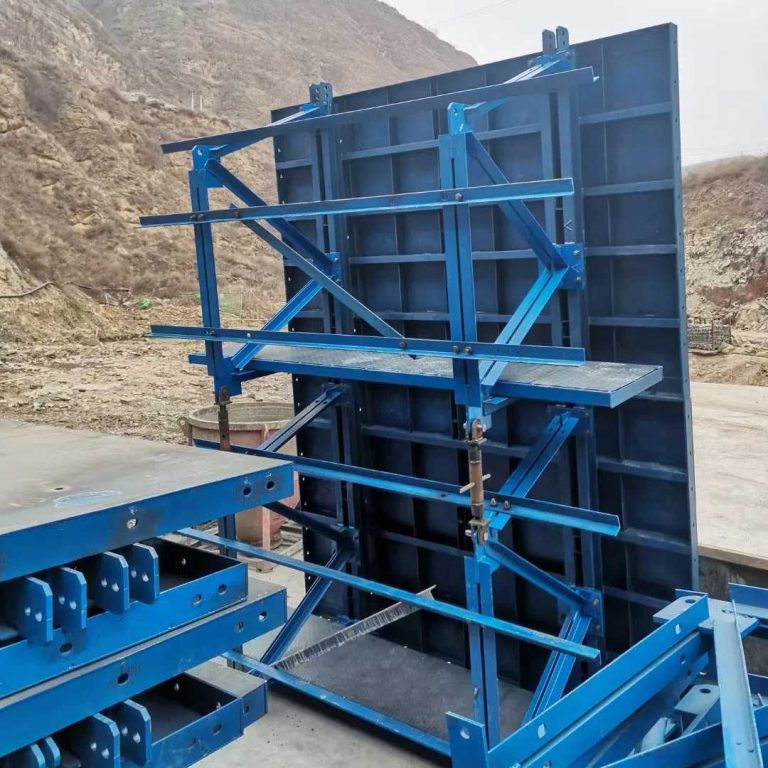
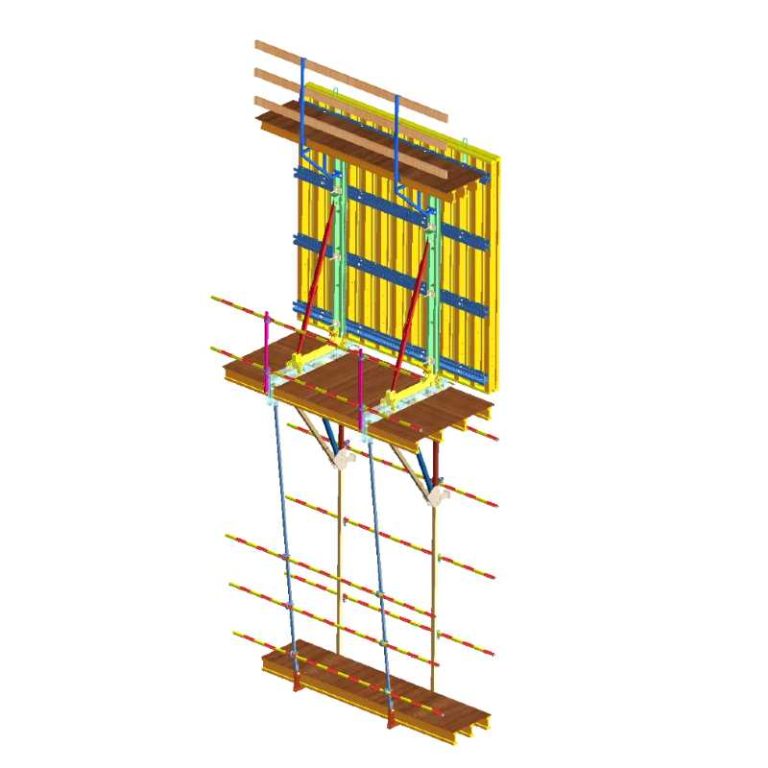
Picking the best slab formwork based on build style boosts gains. For example, Formas de mesa refers to the formwork scaffolding unit set and assembled as per the standard module. It fits repeating tall builds well. There, full table units rise level by level fast with cranes or lifts. No full take-apart needed. This saves big setup time each round. On the other hand, modular handset panels work for odd home plans. They bend around posts or edges. A wrong match between setup and build shape wastes these perks. It forces extra tweaks.
Why Partnering with a Reliable Formwork Supplier Matters for Cost Control?
Real cost cuts start way before site setup. They begin at the planning phase. At Gowe, our full method includes early design advice. We use BIM models to make sure parts fit your build plan without hitches. To better meet market demand and serve customers, the company can customize the product’s dimensions, shapes, surface treatments, and quality standards according to customer requirements. With forward thinking, we aid clients. We stop pricey site bumps or test fixes. Those often hike worker budgets in the work phase.
FAQ
Q: What is slab formwork used for in concrete construction?
A: Slab formwork acts as a short-term mold. It holds wet concrete until it sets into the planned form. Bottom Form: Used to support the weight of concrete during pouring and casting. It ensures accurate slab thicknesses while maintaining surface flatness across large spans.
Q: How does efficient slab formwork reduce labor costs?
A: Good systems cut hands-on cutting or nailing. They use set modules that fit together quickly. Fewer trained workers need to join in. They also shorten waits between teams. This happens via faster pour rounds with tools like drophead setups.
Q: Why are lightweight materials preferred in modern slab formwork?
A: Light stuff like aluminum boosts worker safety. It eases body stress. It also allows quicker moves per shift. Their strong-to-light ratio holds big weights. It does so without losing strength or lasting power.
Q: Can advanced slab formwork improve surface finish quality?
A: Yes. Thanks to the precise tolerances of the machined aluminum components, consistent shape and surface quality are maintained from floor to floor. This results in smooth surfaces immediately after stripping—eliminating additional plastering or grinding stages.
Q: How do I choose between table forms and modular handset systems?
A: Table forms suit repeating tall builds. There, the same slabs go across levels. They rise easily as full units with cranes or lifts. Modular handset systems fit odd plans best. They need to bend for tricky shapes. Such as home jobs or mixed builds that often call for changes in setup.