


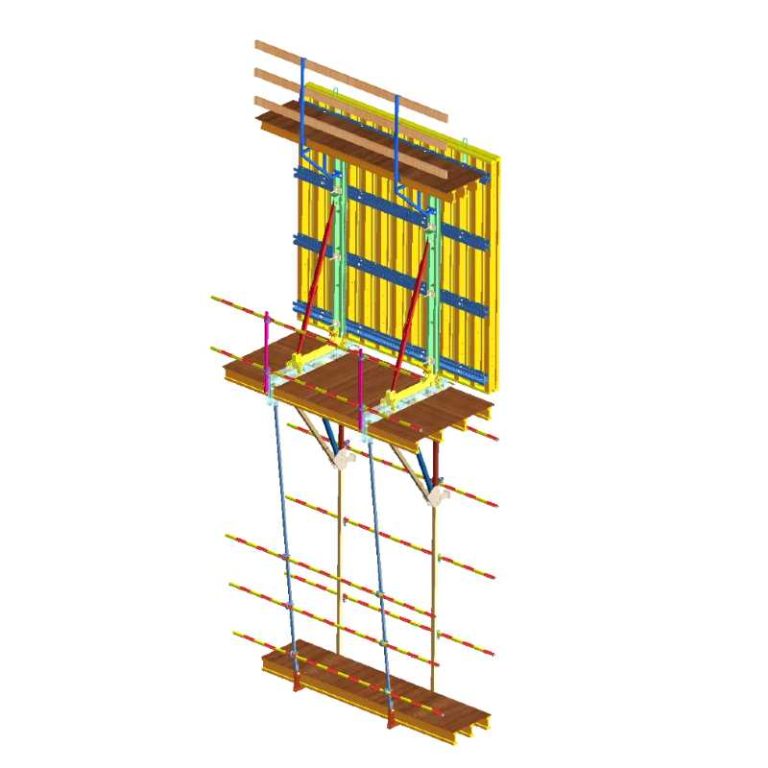
Pricing shuttering timber vs modern formwork starts with material quotations; the project comparison extends beyond them. Mark repeated pours on the drawings, then separate details needing adjustment. Assign assembly and movement tasks to the responsible crew. Note which exceptions require a separate arrangement before ordering. Timber offers scope for adjustment; a coordinated system needs enough compatible work to justify its preparation.
What Makes Timber Shuttering Different from Modern Formwork?
How Do Timber Shuttering and System Formwork Differ in Scope?
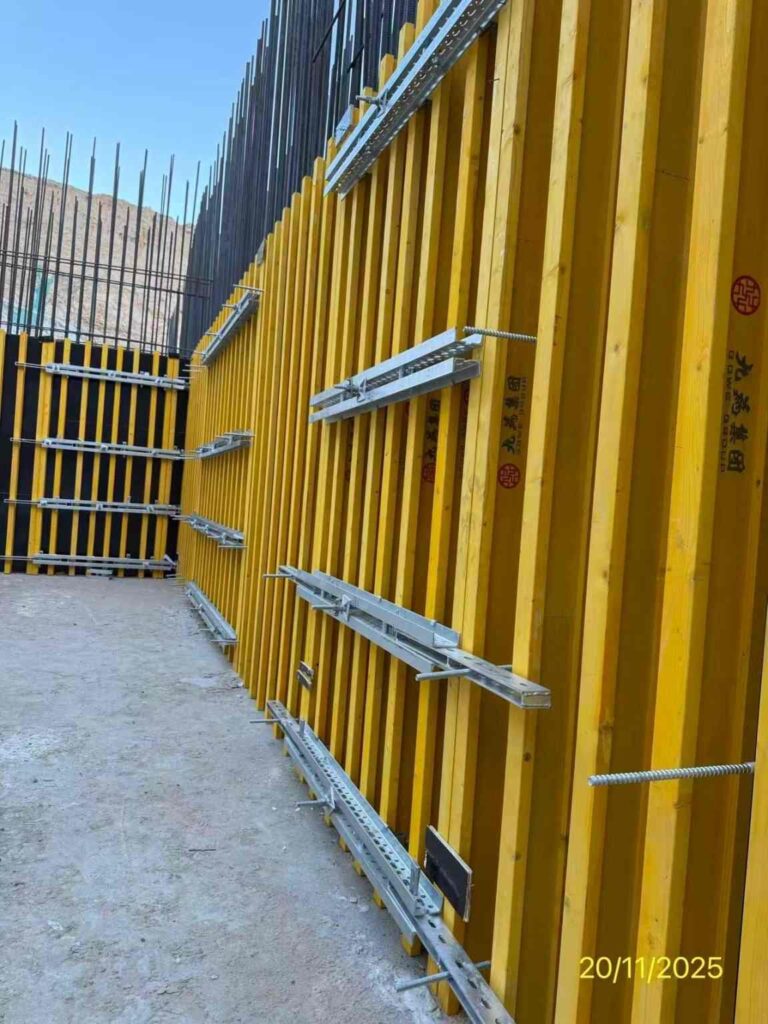
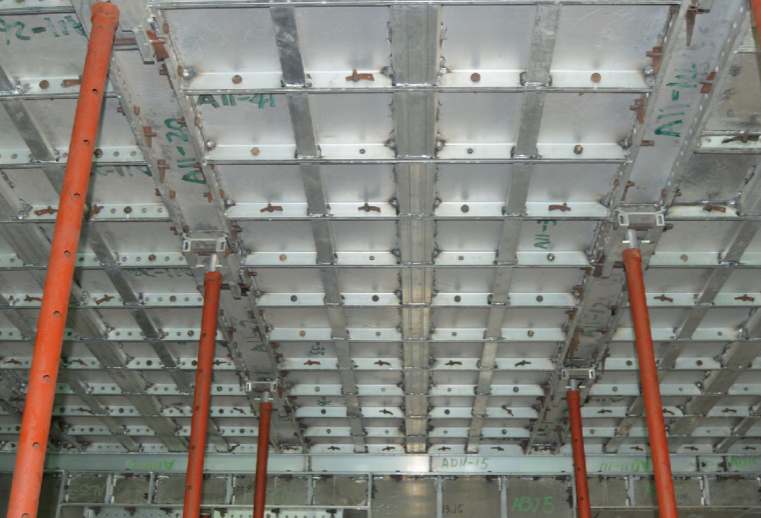
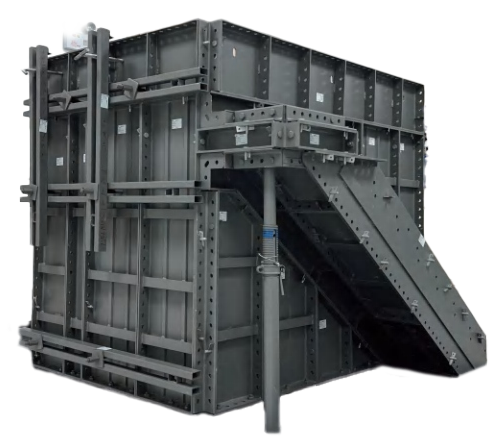
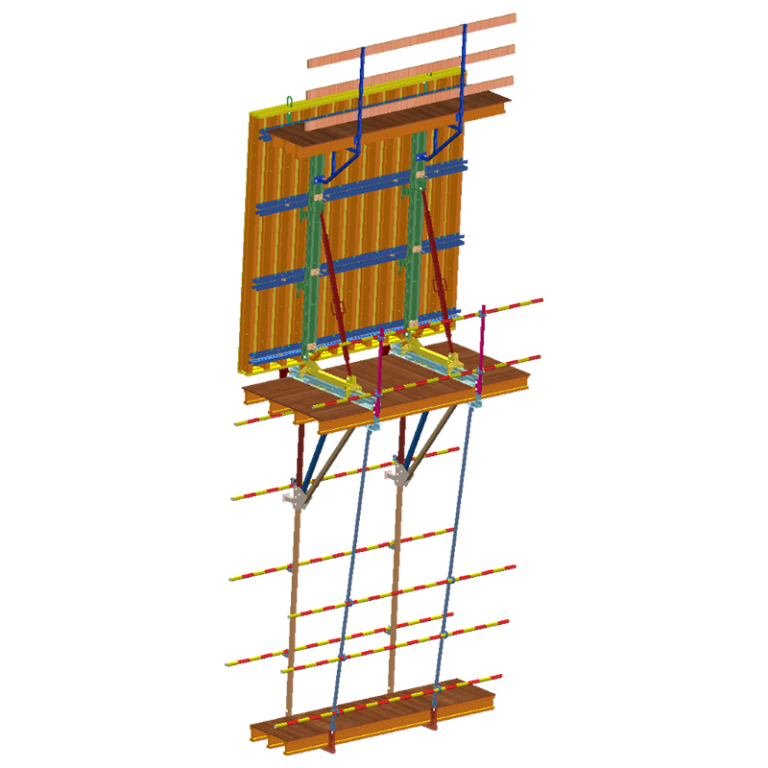
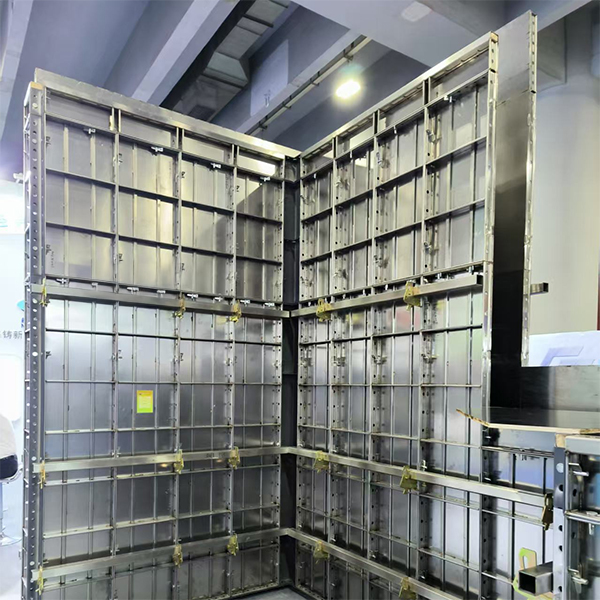
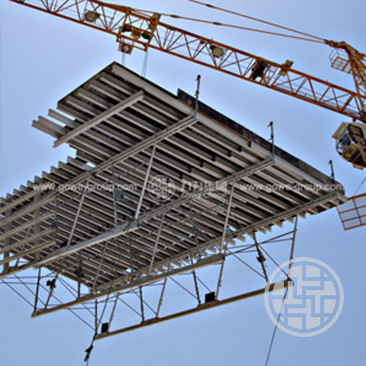
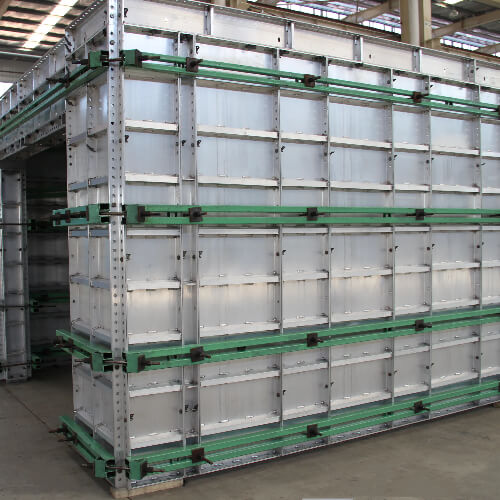
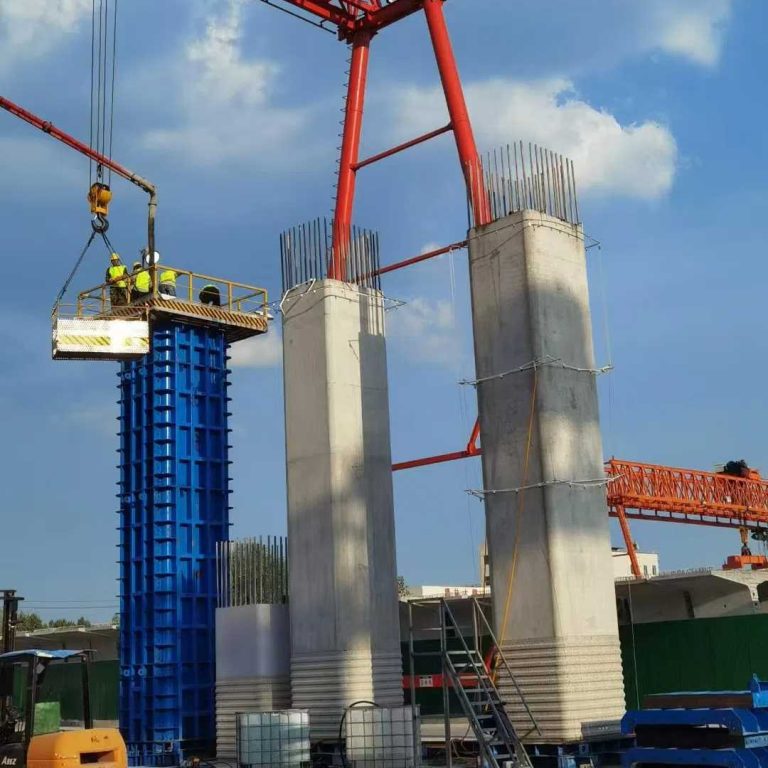
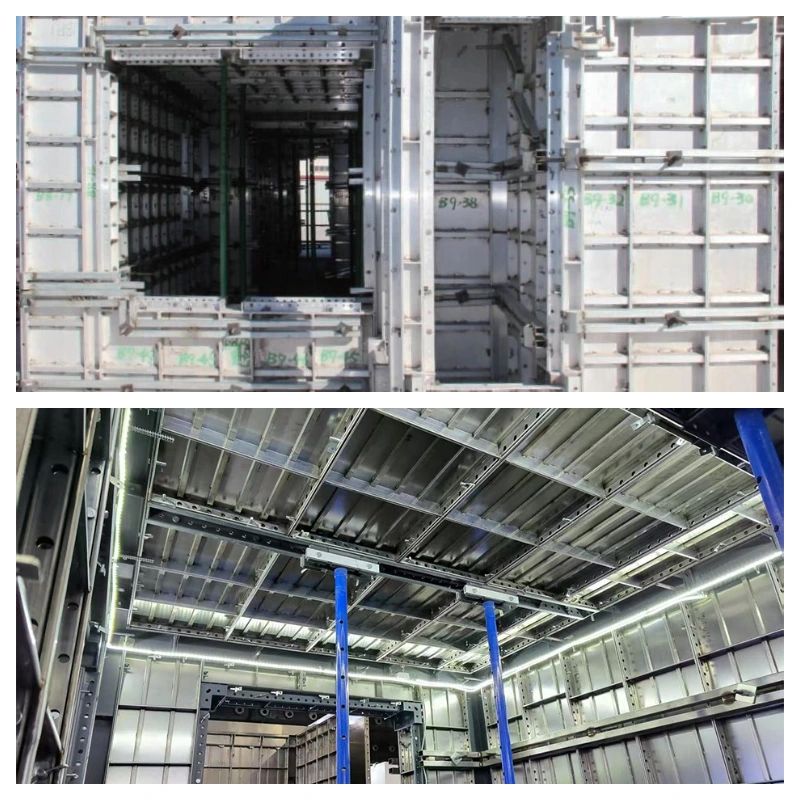
Timber shuttering is often cut and assembled for the pour at hand. A system package brings together panels, joints, and supports. Yet two suppliers using the term “modern formwork” may be quoting quite different scopes. GOWE aluminium formwork is composed of independent wall formwork, top formwork and prop systems. The assembled system supports one-time casting and forming of vertical and horizontal structures.
A panel price says little about a complete installation. The component schedule should make omissions visible: props, connectors, stripping tools, layout work, or replacement parts.
What Changes in Cutting, Joining, and Dimensional Control?
An awkward corner may suit timber. Timber can be cut to fit the space. This work includes measuring, cutting, and joining. With system panels, most of the fit is fixed in advance. A mismatch at an opening still needs a fix.
One typical bay is not enough to check. The exceptions must be solved. Corners, offsets, and transitions need their own drawing review before the order is placed.
Which Formwork Type Fits the Project’s Repetition and Geometry?
When Does Repeated Layout Make a Reusable System Easier to Justify?
A repeated floor plan gives a panel arrangement somewhere to go after stripping. The schedule must also leave time for that move. GOWE’s Aluminium Formwork System is one option to evaluate against those drawings.
A project with repeated bays but unsettled openings presents a different purchase case from one with approved, stable dimensions. Enter prospective projects as possible additional uses, pending drawings that establish compatibility.
When Can Timber Shuttering Suit Irregular or One-Off Work?
For an isolated pour, compare timber cutting with preparation of a panel set. Offcuts and cutting labor belong in that comparison, together with support design, finish requirements, and repairs.
The choice can vary within one building. Price repeated zones separately from unusual details. Record interface design and approval responsibilities where the methods meet, before either crew starts work. Record both names on the relevant drawing.
How Do Labor, Assembly, and Site Logistics Compare?
What Skills, Tools, and Handling Does Each Approach Require?
Tabulate crew hours by quotation for set-out, assembly, alignment, stripping, and movement to the next pour. Check omissions. Allow the crew to learn the connections before relying on an assembly estimate. Timber work has its own demands on cutting skills and space.
Trace components from unloading to the work face and into storage after stripping. Record the crew and handling equipment at each transfer. Revise routes depending on unavailable equipment before accepting the labor allowance. Check staging-area access against equipment bookings and the pour sequence.
How Do Storage, Cleaning, Repairs, and Turnaround Affect the Site?
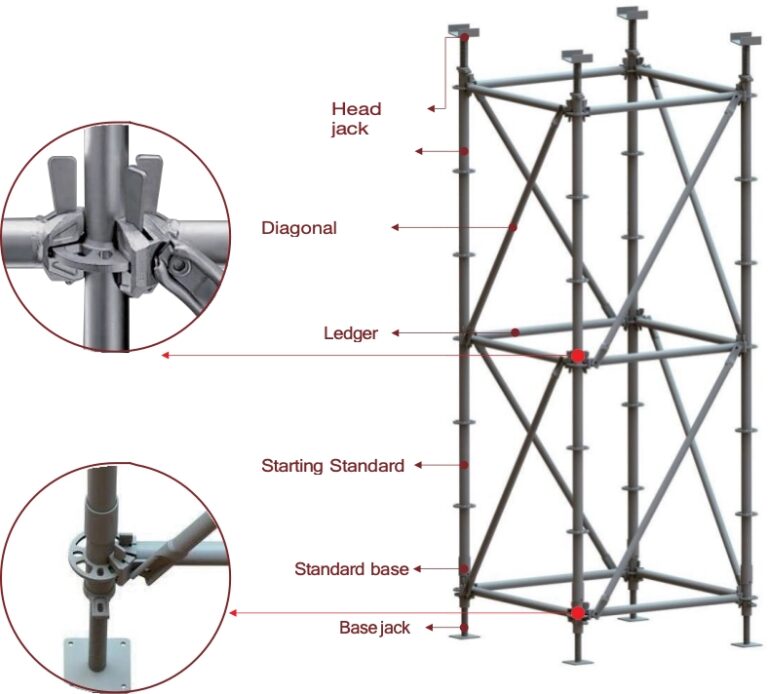
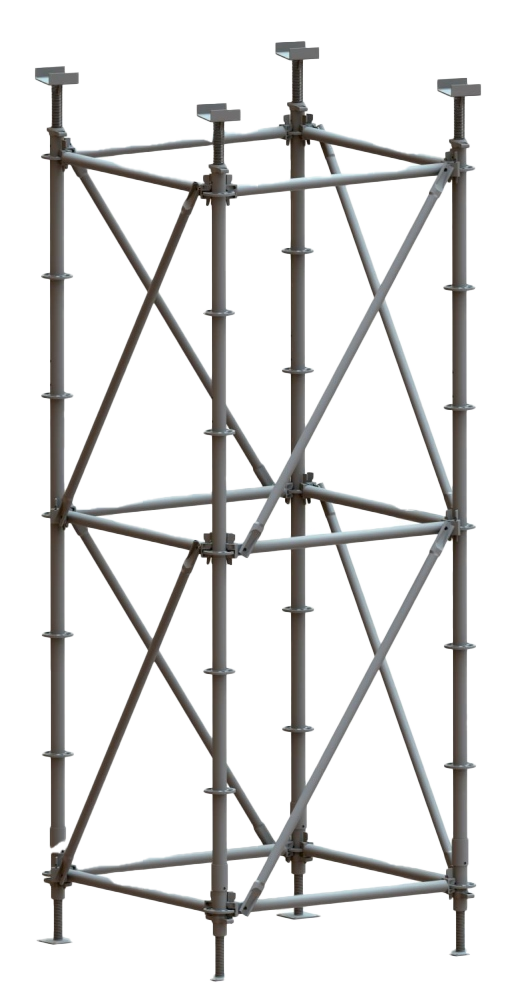
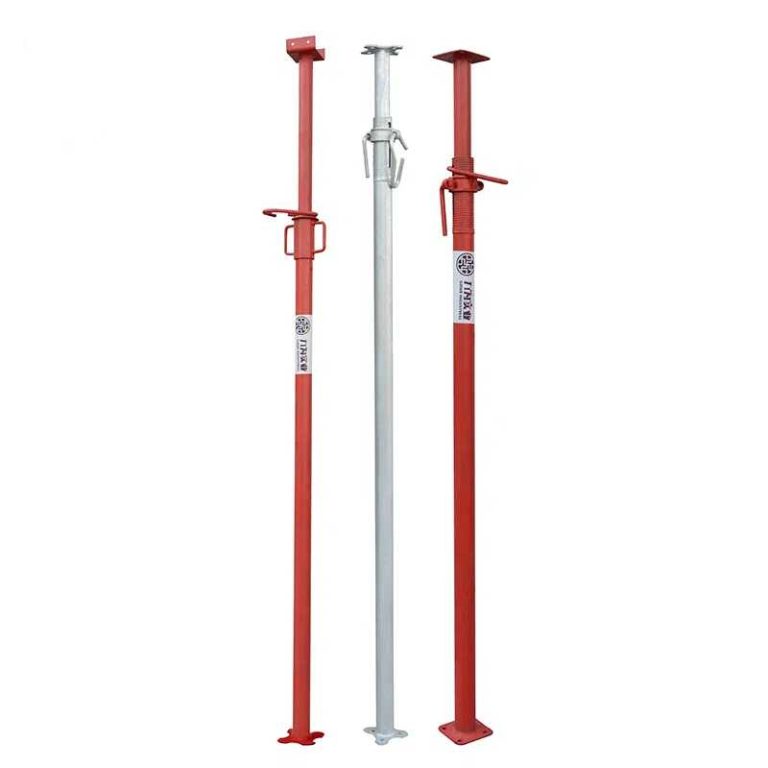
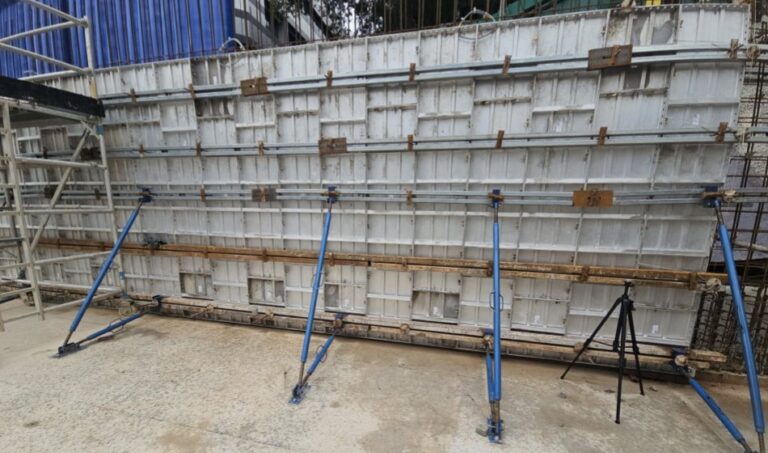
Include timber sorting and panel cleaning and inspection between pours. Provide space for these tasks. Small pieces belong in the stock check too. Accessories for our aluminium formwork include steel props, adjustable support bases, walers, raking shores, tie bars, flat ties, waler brackets, transfer boxes and removal tools, plus pins and wedges. Pins and wedges join panels. Transfer boxes move dismantled panels, while removal tools assist stripping. Check components off the packing list zone by zone.
Record who handles cleaning and stock checks before the first pour.
How Should Contractors Compare Total Formwork Cost Over Reuse?
Which Costs Belong Beyond the Initial Purchase Price?
A buying comparison needs a cost sheet extending beyond delivery. Cost design, crew time, supports, transport, lifting, storage, repairs, losses and disposal separately. Price rental using the required return date, condition and hire period.
Show exclusions beside quoted totals. Include site-team cutting or accessory procurement in the relevant offer’s cost, rather than comparing supplier totals alone. Show this allowance separately.
How Should Reuse Assumptions Be Checked Across Projects?
Link each proposed reuse to a compatible pour and allow time and cost for preparing the equipment. A fixed guaranteed reuse-cycle number is not specified for GOWE aluminium formwork. Reuse requires geometry compatibility, inspection, transportation, site handling, dismantling, accessories, release-agent use, cleaning and storage; review repair records too.
Run a second estimate with fewer compatible pours and additional repairs. Remove unconfirmed future work and resale proceeds from the calculation. A change in the preferred offer shows which assumptions need confirmation before purchase.
What Should Buyers Verify Before Choosing a Formwork System?
Which Drawings, Scope Details, and Trial Checks Should Be Agreed?
Bidders need the same drawing revision and pour sequence. GOWE’s Timber Beam Formwork can be included in the comparison, with its proposed scope checked against the required work. GOWE aluminium formwork is an option when planning wall, beam, slab and stair formwork. Wall panels support walls and columns as vertical structures; stair formwork includes tread, riser and side panels, connectors and supports.
Record drawing approval and fit-check completion before dispatch. Close any remaining discrepancies. For GOWE aluminium formwork, engineering drawings guide design and customized production. During factory trial assembly, problems can be identified before transport, supporting construction speed and accuracy. Confirm final configuration and acceptance responsibility.
What Quality, Handling, and Support Records Should Be Available?
On arrival, match component identification with the packing list before the crew receives the equipment. Add the inspection records and handling instructions to that delivery check. Record missing components and damage separately, along with post-strip condition.
GOWE aluminium formwork checks cover incoming material inspection, in-production inspection and finished-product inspection. These checks also cover pre-shipment debugging, finished-product transportation inspection and controlled transport to site. We work across formwork and scaffolding systems. We combine research and development with production, sales, leasing, construction and operation. For a slab package, Table Formwork is another option to discuss alongside the lifting route and work sequence. Confirm responsibility for each exclusion and approval before ordering.
FAQ
Q: Is timber formwork or modern formwork better for construction?
A: Start with planned pours. Evaluate reusable packages where layouts repeat; for changing details, assess the work of adapting timber. Price both against the same crew and access assumptions.
Q: When is timber shuttering a practical choice for a project?
A: Timber shuttering can suit one-off work requiring on-site adjustment. Cost cutting labor, support, waste, finish, and repairs alongside panel preparation.
Q: Is aluminium formwork worth it for repetitive construction?
A: Match panels to drawings and identify compatible pours. Allocate package, labor, storage, and maintenance costs to those pours. A panel price alone cannot establish the purchase value.
Q: How many times can modern formwork be reused?
A: A reuse claim needs condition and inspection criteria. Request them, then check whether the planned geometry, handling, and maintenance support the proposed number of uses.