

1. What Is Scaffolding and Why Is It Essential in Modern Construction Projects?
1.1 Basic definition and purpose of scaffolding systems
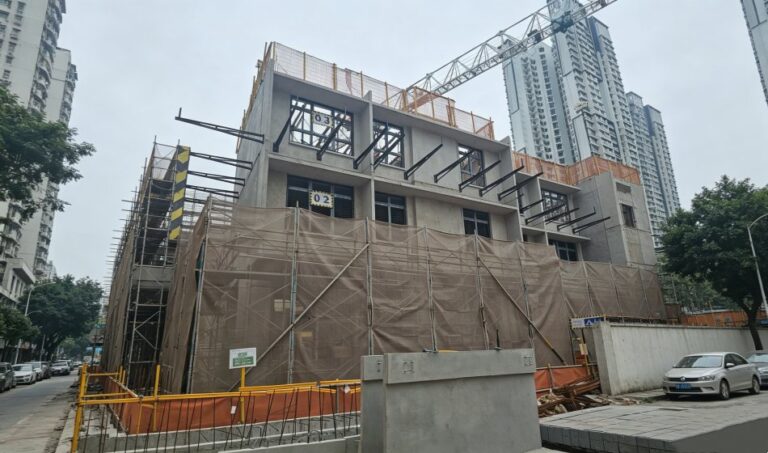
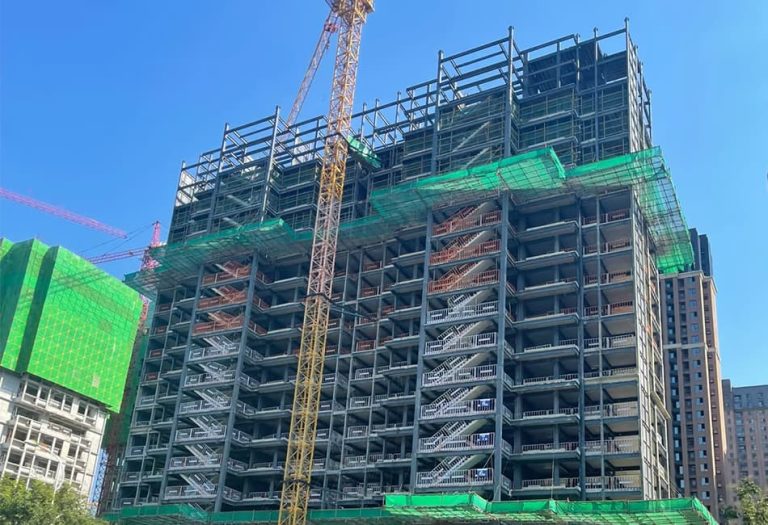
Temporary structures form the main support of any tall building project. They provide a safe platform for workers to perform high-altitude operations. These systems connect complex building plans with actual work on the ground. They hold both the workers and the important tools and materials. This applies to simple repairs or large infrastructure projects. The main goal stays the same. The structures create a steady and dependable surface. This surface allows work to continue in places that would otherwise be hard to reach.
1.2 Why scaffolding is critical for safety and efficiency
Access to elevated work areas affects the speed of a project. It also affects the well-being of the people involved. Good planning in this area lowers fall risks. It also improves the workflow and prevents delays in construction schedules. At GOWE, we understand that a stable and well-built environment is the first step toward better operations. Our focus is on making sure these systems increase productivity on the job site.
2. What Are the Main Types of Scaffolding Used in 2026 Construction Projects?
2.1 Supported scaffolding systems and their applications
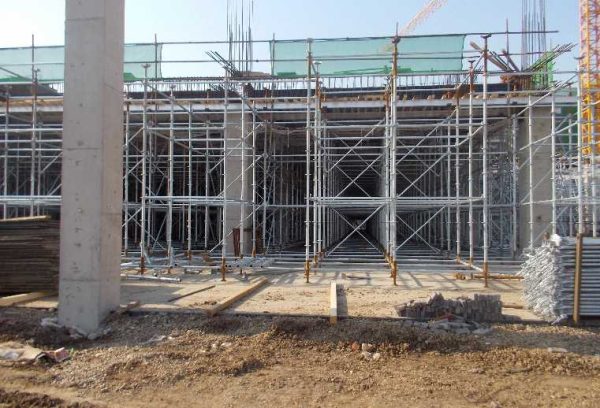
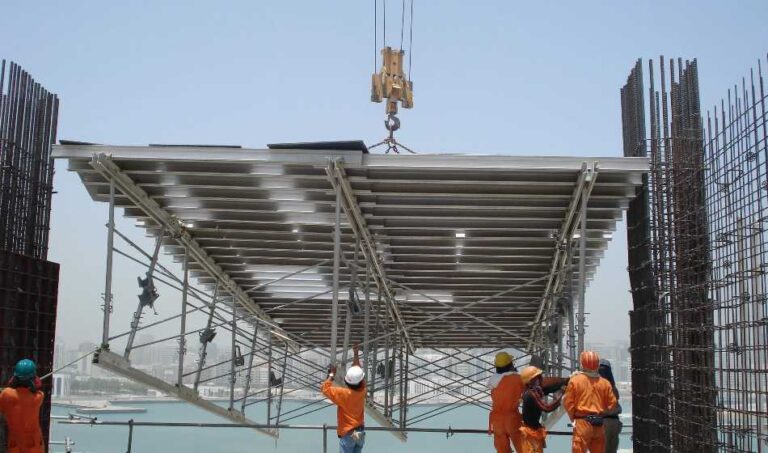
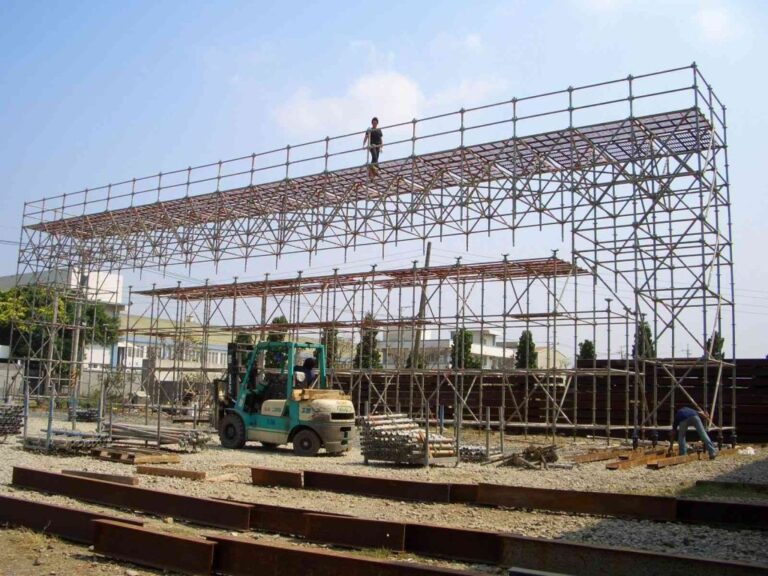
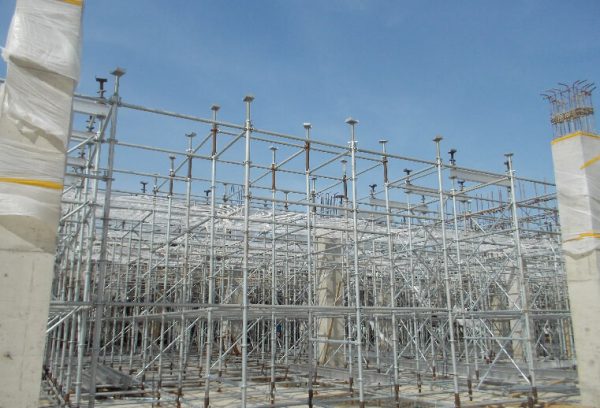
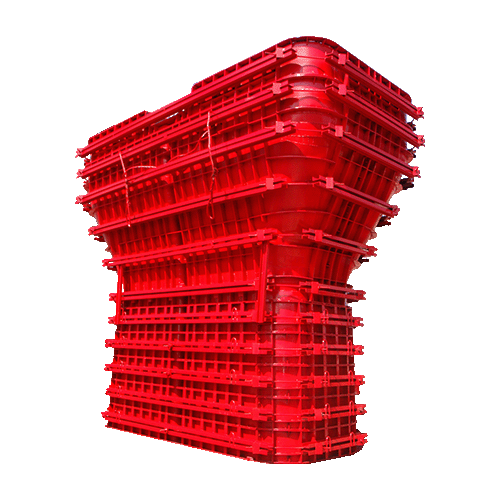
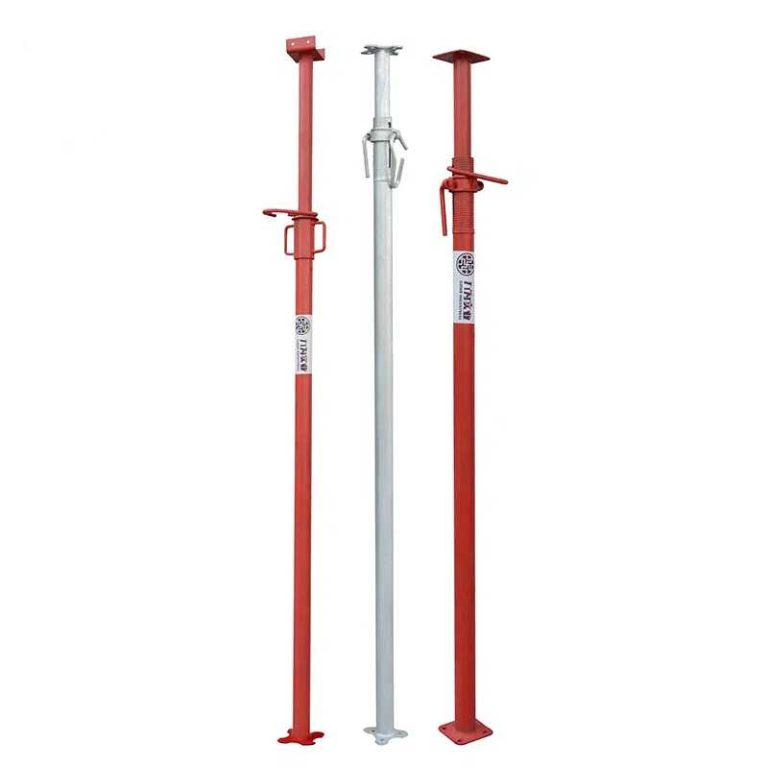
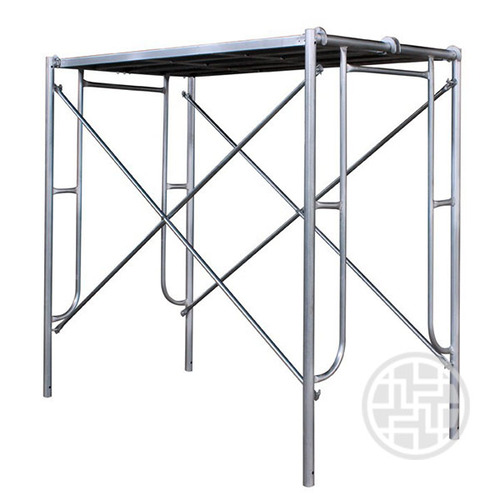
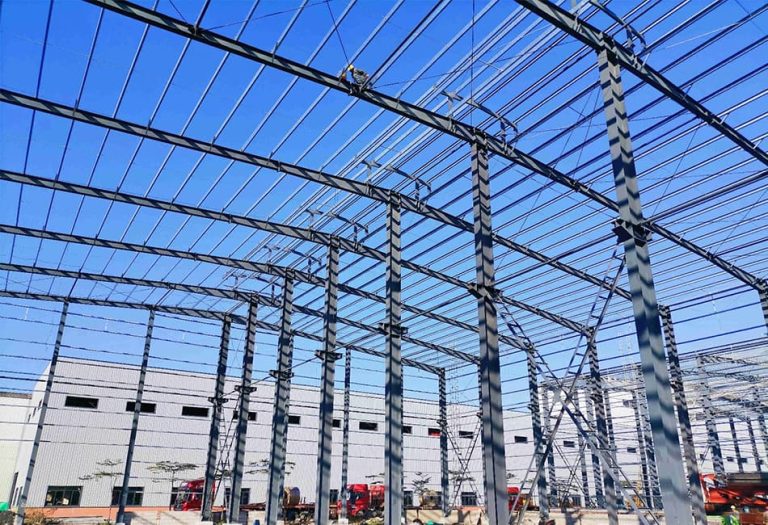
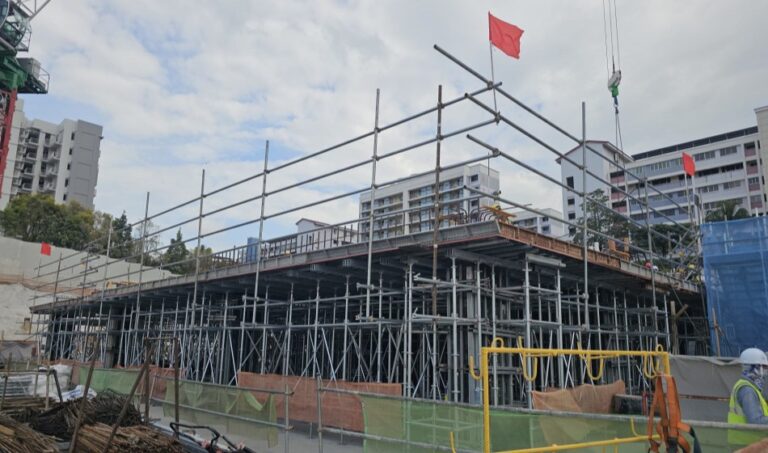
Frame scaffolding remains the main choice for general construction. It offers reliable load-bearing capacity and easy setup. When projects need high stability, such as supporting heavy loads on uneven ground, we choose high-grade materials like Q355 and Q235 steel. These materials provide the right strength-to-weight balance. They sustain large structural loads and last long enough to deliver a good return on investment.
2.2 Suspended scaffolding for high-rise maintenance
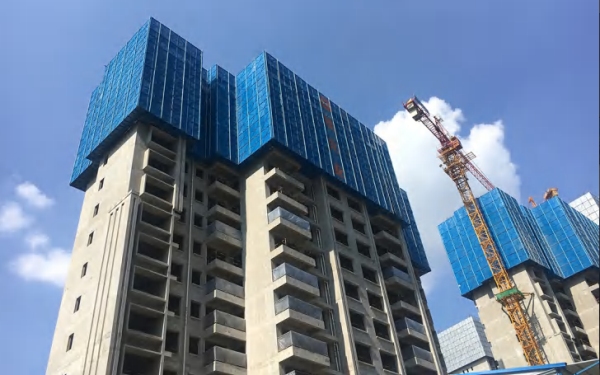
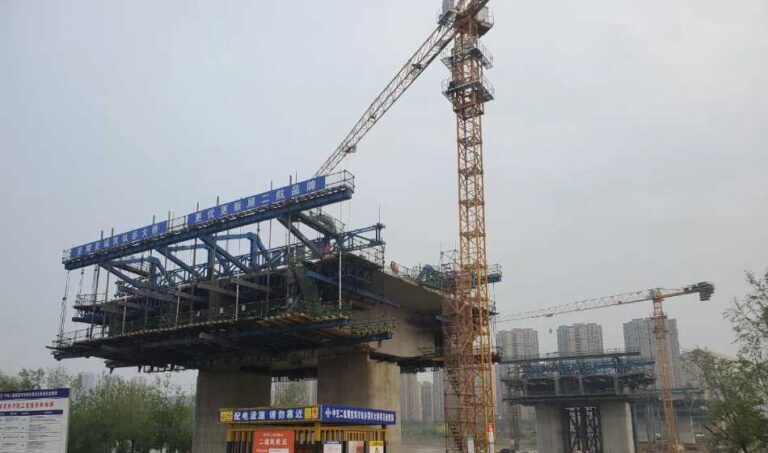
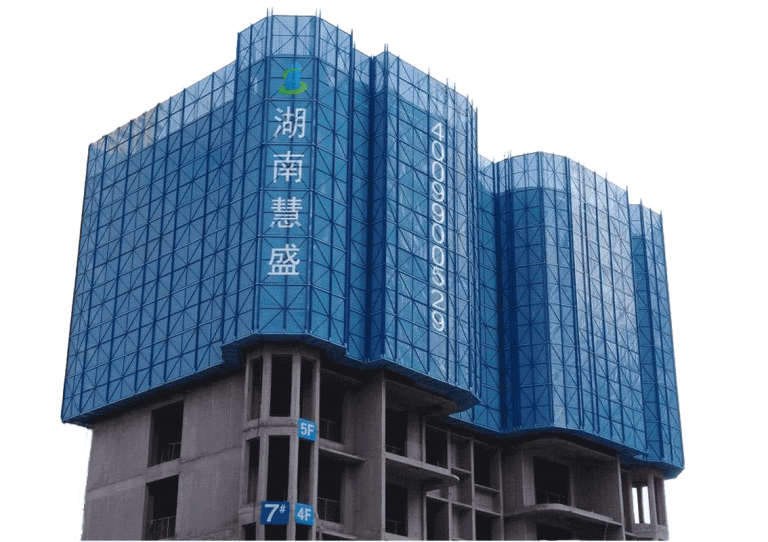
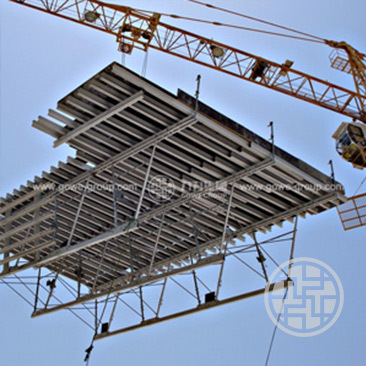
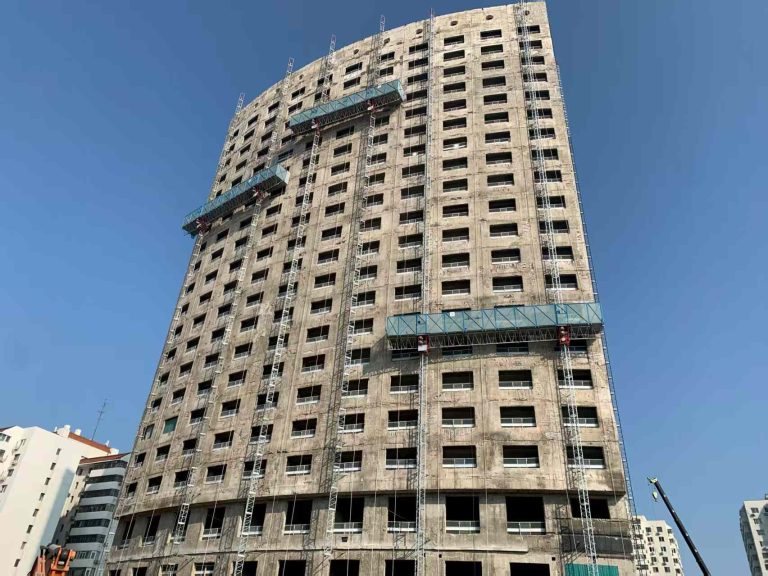
Hanging platforms and rope-supported systems are very important for high-rise exterior maintenance. Ground-based support is not practical in these cases. These setups need careful anchor management to guarantee full reliability. In these demanding environments, our engineering solutions stress secure connection points. They allow smooth movement along the building facade. At the same time, they follow strict safety rules.
2.3 Mobile and modular scaffolding solutions
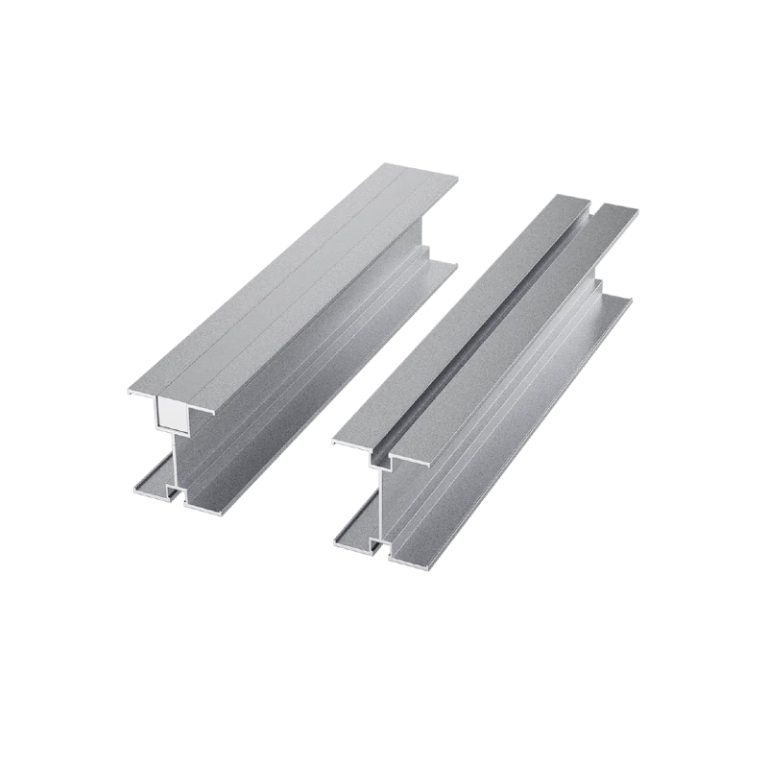
Rolling scaffolds provide excellent flexibility for job sites. The work surface often needs to be moved frequently in these places. Quick assembly and relocation are the main benefits. They let contractors cover large areas with very little downtime. By using aluminum beams in these lightweight setups, we have helped project managers reduce manual handling fatigue and setup time.
2.4 Tube and coupler vs system scaffolding comparison
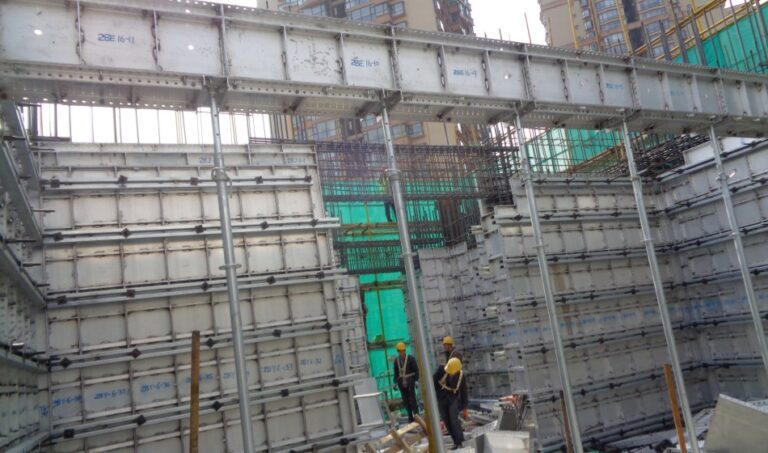
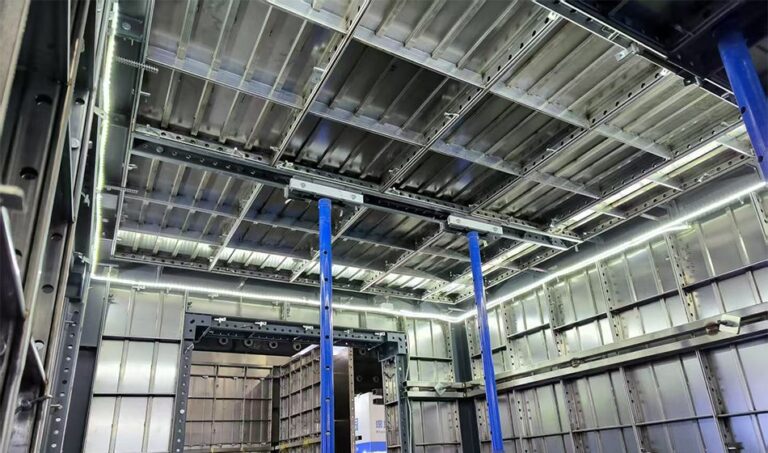
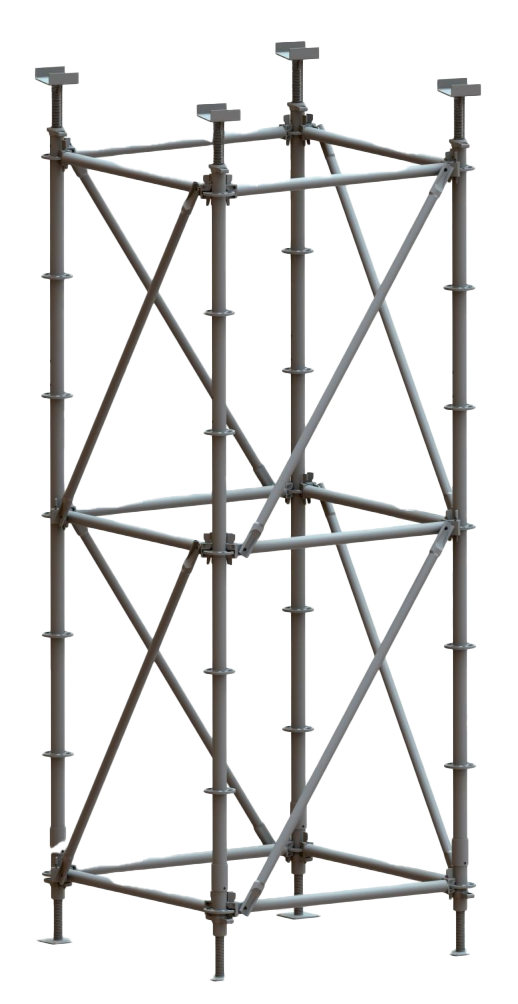
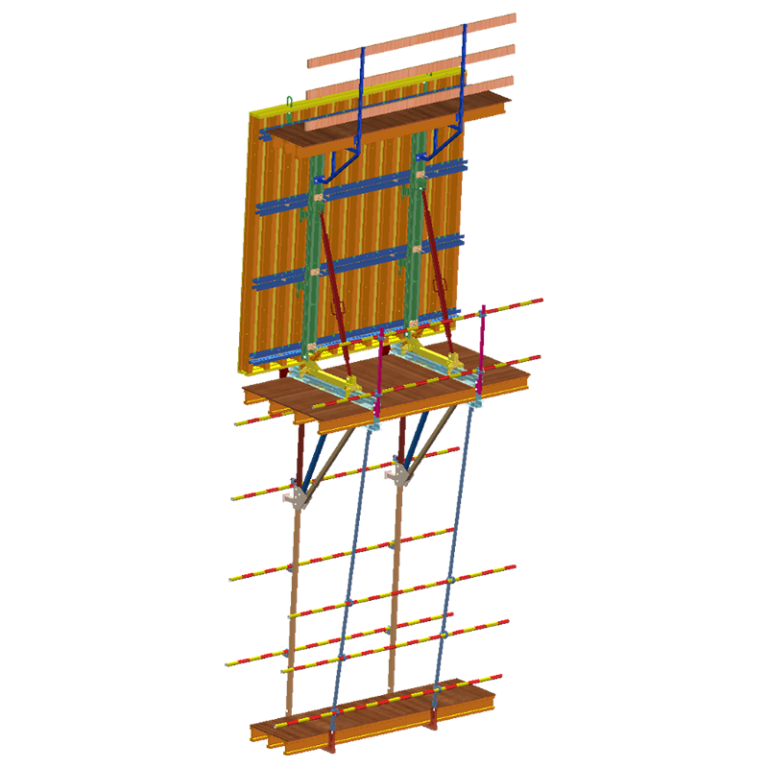
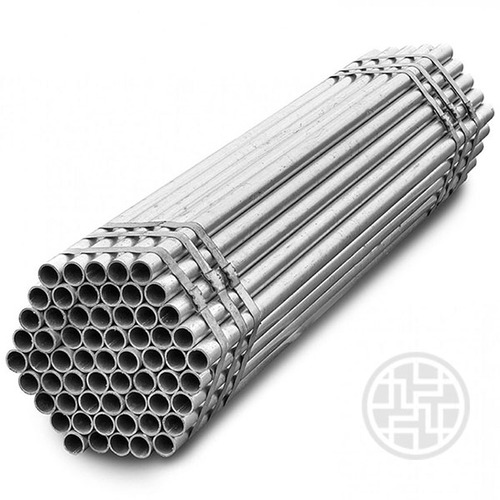
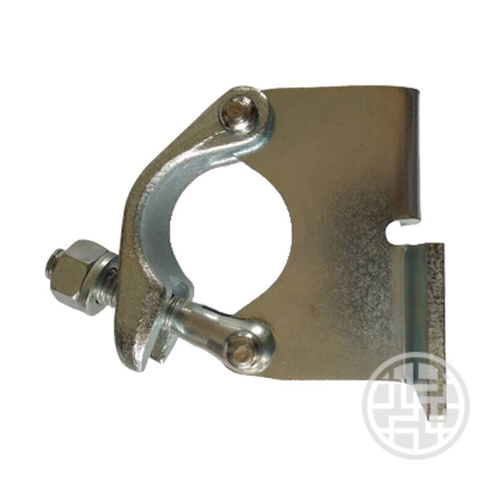
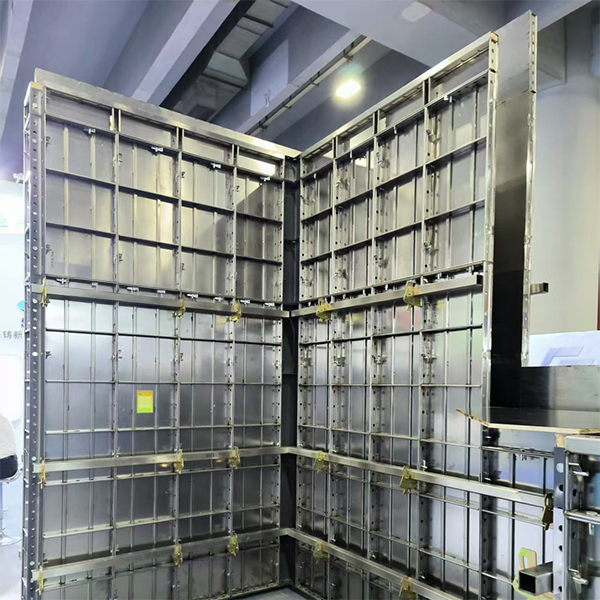
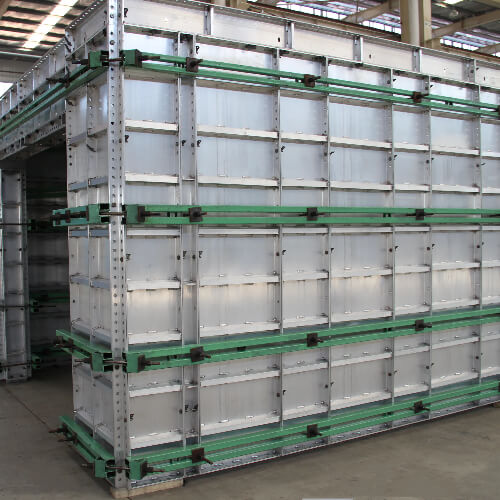
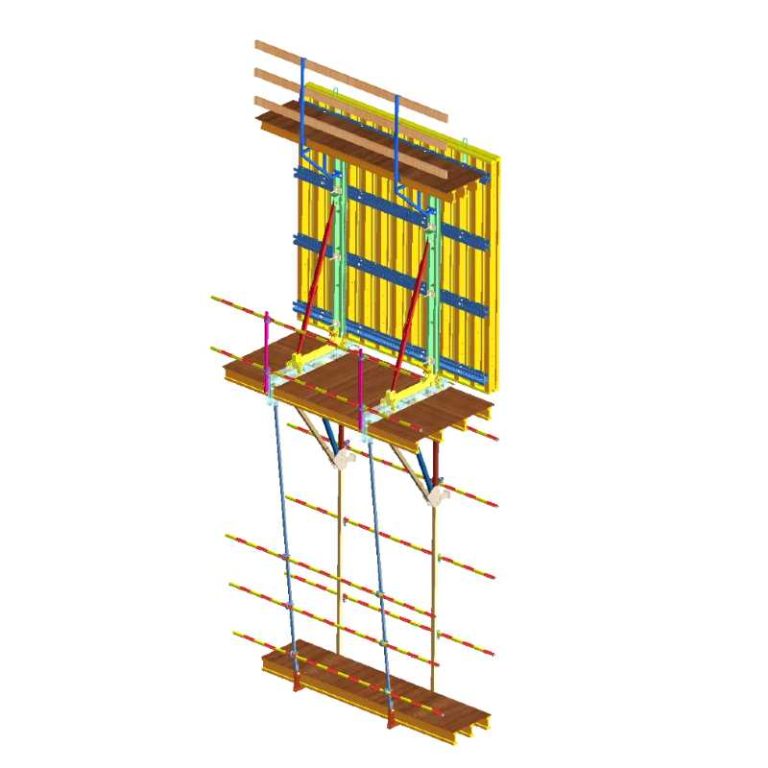
Traditional tube and coupler setups give fine control over dimensions. However, they often lack the speed of modern modular structures. As the industry moves toward 2026, modular scaffolding has become the standard for large developments. It offers better connection consistency and faster installation. Combining this with aluminium formwork creates smooth transitions between structural phases. This is especially useful in high-rise construction, where timing directly affects profit.
3. What Are the Key Scaffolding Safety Requirements You Must Follow?
3.1 Load capacity and structural stability rules
Preventing platform overload is the most effective way to stop collapse. It is essential to follow the manufacturer’s load charts. Base jacks and standards must be placed correctly to manage the planned weight distribution. In GOWE’s detailed engineering guidelines, we require that structural integrity be checked at every assembly stage. This approach puts fail-safes in place before accidents can happen.
3.2 Fall protection systems and worker safety measures
Guardrails, harness systems, and toe boards serve as the last line of defense when mistakes occur. Beyond the equipment, the need for PPE is absolute. Every worker must have the right gear to survive a worst-case situation. We stress that these safety measures are not extra costs. They are basic parts of a successful construction plan.
3.3 Inspection and maintenance safety routines
A daily scaffolding inspection checklist is the normal procedure for site leads. Workers must find damaged parts such as bent braces or corroded base plates before the shift starts. We support a culture of active maintenance. Early detection of wear prevents expensive site shutdowns. It also helps the equipment last through many project cycles.
4. What Are OSHA and International Scaffolding Safety Standards?
4.1 Overview of OSHA scaffolding regulations
U.S. safety compliance guidelines serve as a worldwide reference for construction safety. Following these rules includes clear requirements for planking, access methods, and stability bracing. Ignoring these rules puts both workers’ lives and the company’s legal position at risk.
4.2 Global scaffolding safety codes and best practices
Safety frameworks based on EN and ISO standards form the technical foundation for dependable construction equipment. International contractors need to understand regional differences in compliance. We keep full compliance with these international standards across our complete product range. Our systems meet or exceed the needs of regulatory bodies around the world.
4.3 Why compliance is critical in 2026 construction projects
Legal responsibility and accident prevention are the main reasons for strict compliance. In 2026, the cost of an accident includes delays, legal fees, and damage to reputation. These costs far exceed the expense of keeping high-standard equipment. Compliance is therefore an economic choice. It protects the project’s financial results as well as the workers.
5. What Are the Best Practices for Safe and Efficient Scaffolding Use?
5.1 Proper scaffolding assembly and installation methods
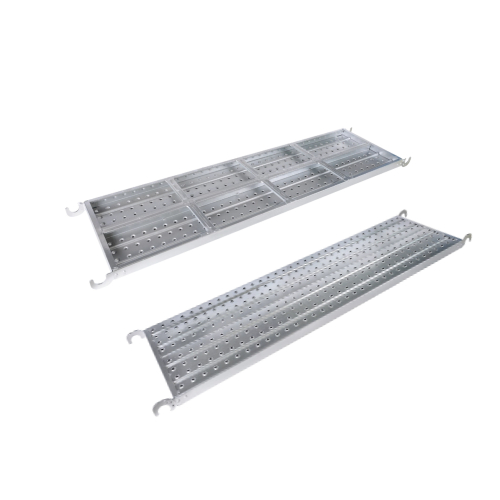
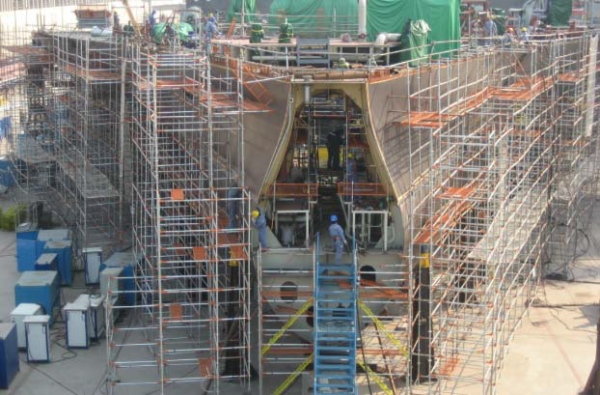
Stable foundations are the basic requirement for every successful build. In our project experience across Southeast Asia, labor costs can change quickly, and timelines are often tight. We found that careful base plate installation and horizontal bracing reduce assembly time. Teams use high-quality factory-prefabricated components. They spend less time adjusting parts and more time making progress. This approach lowers total project labor costs.
5.2 Safe working procedures on scaffolding platforms
Crowding and overloading platforms create hidden dangers on job sites. Good site management means scheduling material delivery to match the immediate needs of the work crews. The scaffolding should not become a permanent storage area. Training workers to move tools and materials safely during vertical transport is a practice we highlight in all our technical documents.
5.3 Training and supervision for construction workers
On-site safety leadership cannot be avoided. Only certified personnel should supervise the assembly and dismantling of complex systems. At GOWE, we focus on sharing knowledge. Our technical guidance often includes training for site leads. They learn the structural logic behind our systems. This helps them manage the equipment safely during the entire project.
6. What Are the Most Common Scaffolding Risks and How Can They Be Prevented?
6.1 Structural collapse and instability risks
Weak foundations and incorrect assembly are the top causes of structural instability. The best prevention is a strict inspection process. High-quality components that fit together properly should be used. Standardized steel parts avoid mismatch problems that often weaken the structure.
6.2 Fall hazards and unsafe access points
Missing guardrails and unsafe climbing methods remain ongoing hazards. Standardized entry systems must be installed during the main assembly. These include properly gated access points and internal ladders. We design our access components to be easy to use. This makes the safe method the only practical choice for workers on site.
6.3 Environmental risks in scaffolding operations
Weather conditions such as strong winds or wet surfaces require clear management plans. Site managers must have the authority to stop work when conditions become unsafe. We suggest including local climate information during early project planning. This helps decide when and how to strengthen structures against wind or extra loads.
7. FAQ
Q: How can project managers balance scaffolding costs with long-term safety?
A: The most effective method is to invest in high-quality, durable materials like Q355/Q235 steel. These materials provide a much longer service life than cheaper options. At GOWE, we support an integrated approach. The durability of our equipment reduces replacement frequency. The standardization of our parts also lowers labor costs for assembly and disassembly. This delivers a higher ROI over the project’s lifetime.
Q: What is the typical lead time for scaffolding products to reach an international site?
A: Delivery timelines depend on the project’s scale, customization needs, and destination logistics. As a global supplier, we maintain strong production and supply chain systems. Once the project schedule is confirmed, we start a detailed production and logistics plan. All components then arrive on-site in line with your construction milestones.
Q: How can buyers verify that scaffolding products meet international safety certifications?
A: Buyers should request complete technical files, including certifications such as ISO, EN, or other region-specific safety standards. We supply full documentation for all our products. This includes material grades, load-bearing capacities, and test results. Our clients receive the clear information needed to satisfy local regulatory inspectors.
Q: Does the manufacturer provide technical guidance on-site after purchasing?
A: Yes, we act as a complete solutions provider and not only a hardware supplier. Depending on the project scale, we can send engineering experts to the site. They offer assembly guidance, training, and troubleshooting. This support usually covers standard floors or key structural stages, so the team receives full assistance.