
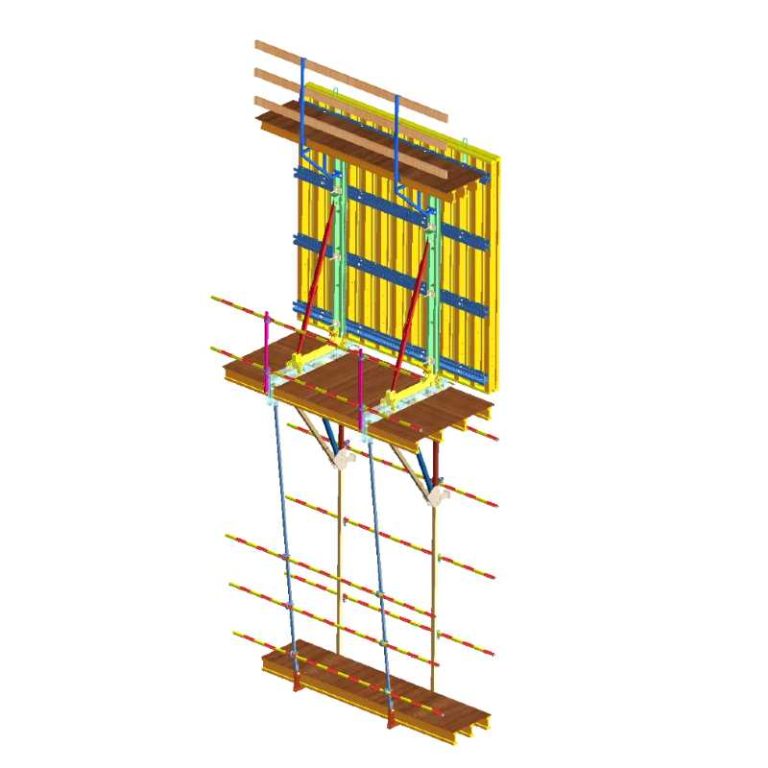
What is main frame scaffolding and how does it work in construction projects?
Main frame scaffolding definition in modern construction engineering
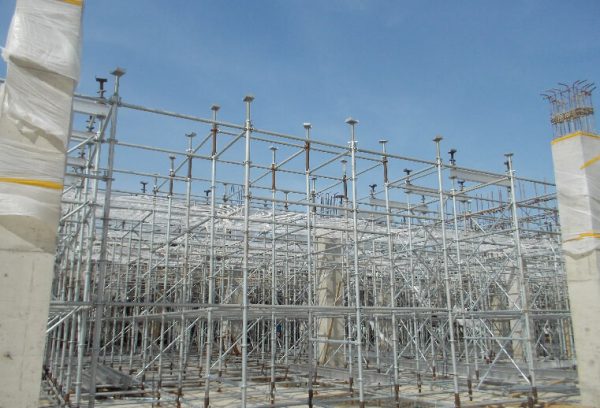
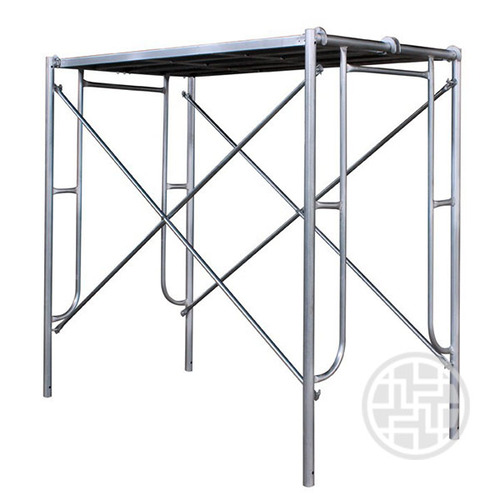
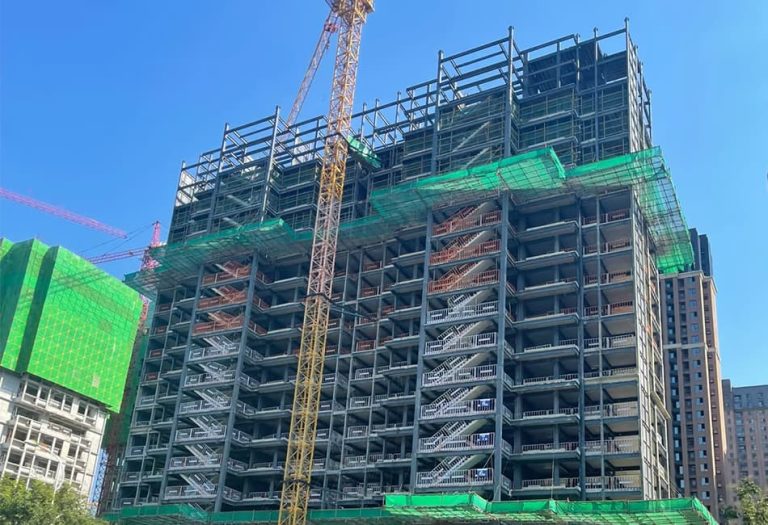
In today’s busy construction industry, main frame scaffolding acts as a key temporary support structure. It holds workers and materials safely. The system uses a connected set of factory-made metal frames. These frames create raised access to building walls and other structural parts.
How modular frame systems support structural stability on-site
The main strength of these structures comes from their design. Modular frame systems spread weight evenly over a steady grid. The frames are built to lock together smoothly. This creates a firm structure that resists side and upright forces. It greatly improves stability on site and avoids complicated last-minute adjustments.
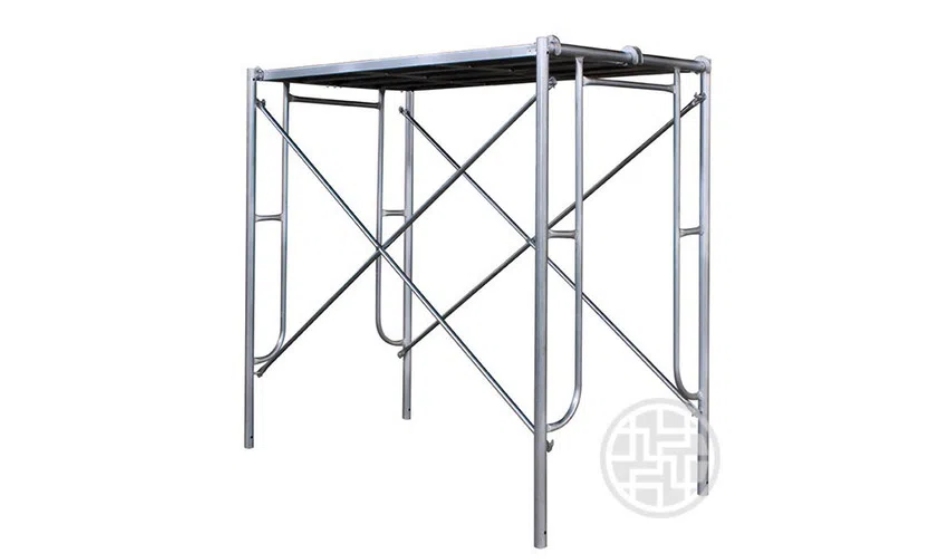
Why main frame scaffolding is widely used in building and renovation projects
Contractors like main frame scaffolding because it offers a good balance between quick setup and strong load capacity. Its standard pieces allow fast assembly and disassembly. This speeds up work on both tall buildings and large business renovation jobs.
Main frame scaffolding key components and structural system overview
Vertical frames, horizontal braces, and base support structure explained
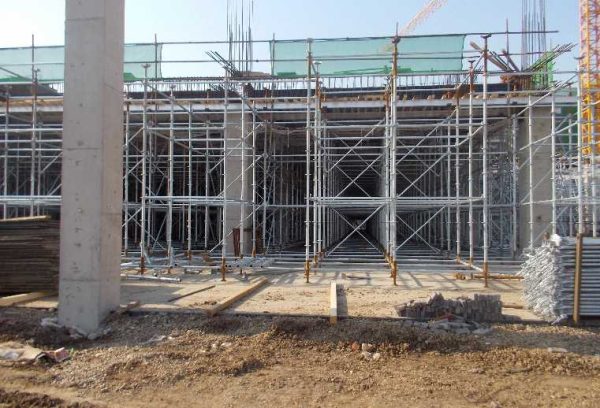
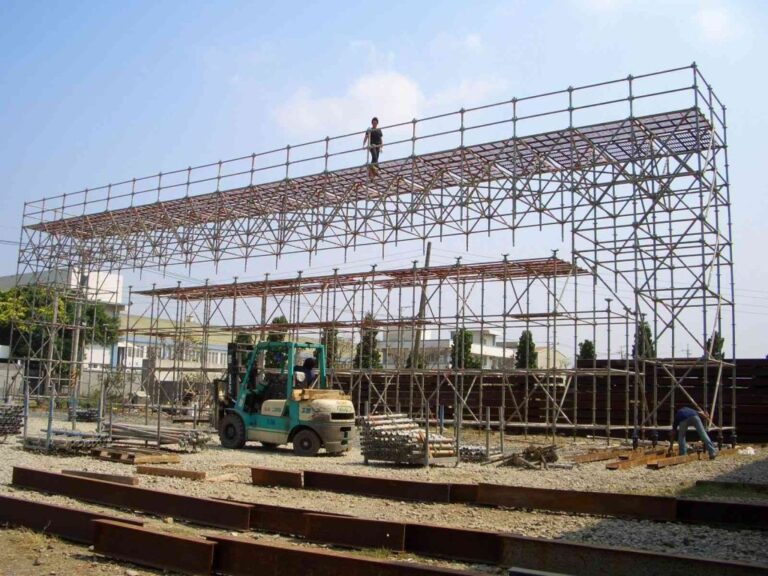
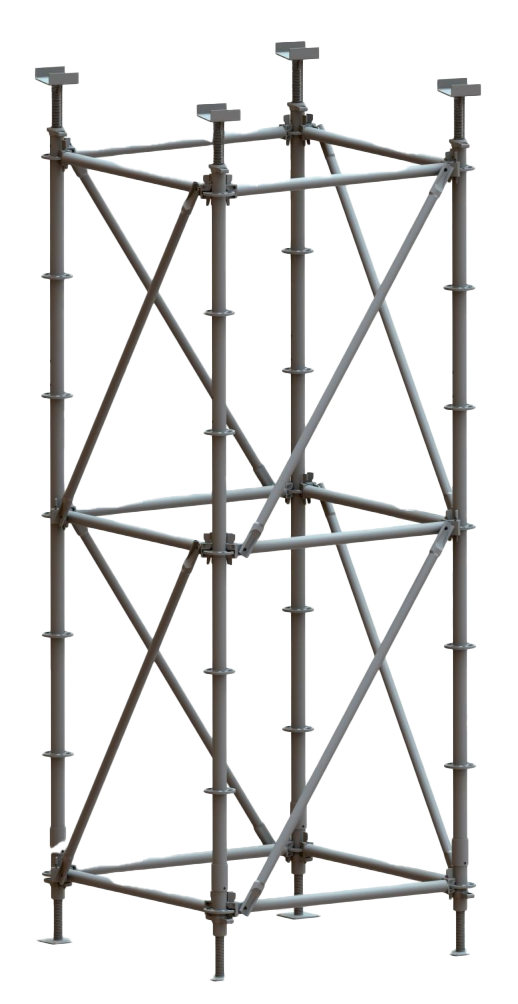
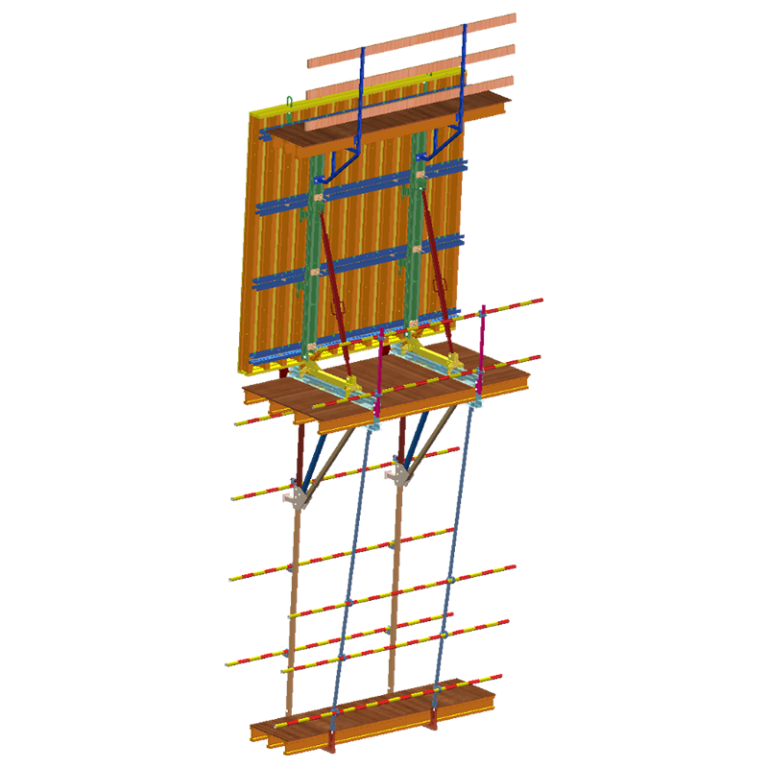
A strong scaffolding system depends on several important load-bearing parts. Vertical standard poles carry downward pressure. Horizontal ledgers and diagonal braces stop the structure from twisting or moving. At the bottom, a base collar and adjustable jack base keep the whole setup level on rough ground.
How connectors and locking systems ensure scaffolding stability
The strength of the complete setup depends on the locking mechanisms. Pin-and-hole setups, wedge locks, and carefully built node connections keep horizontal and vertical tubes firmly joined. When a system uses automatic welding, it provides high accuracy. It also creates strong interchangeability at these connection points. The result is excellent overall quality.
Why component compatibility affects overall system safety and efficiency
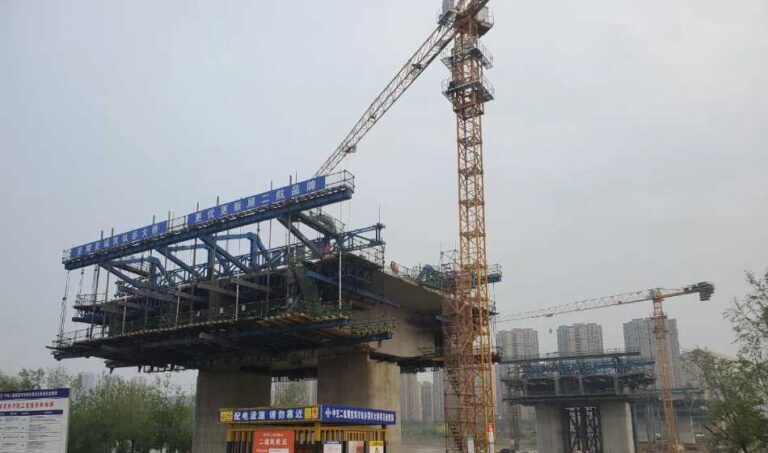
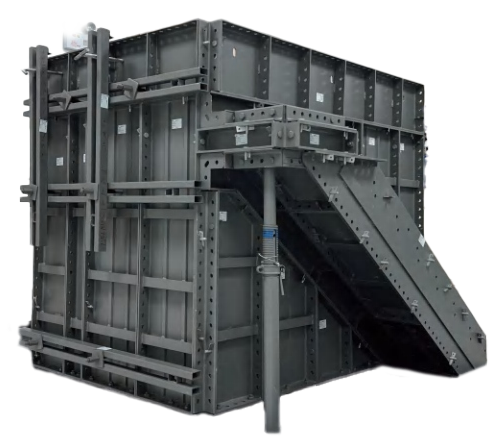
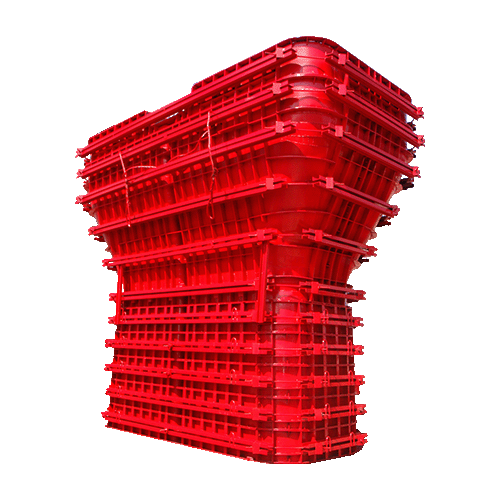
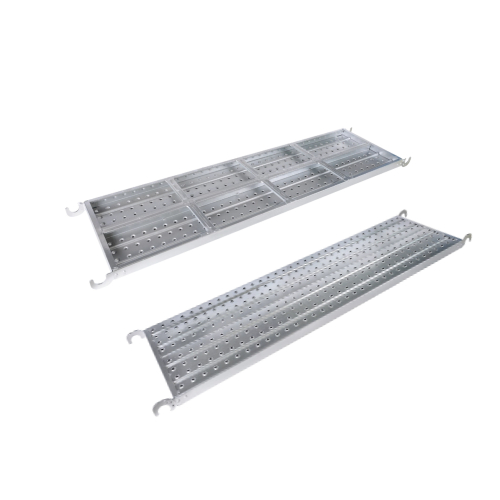
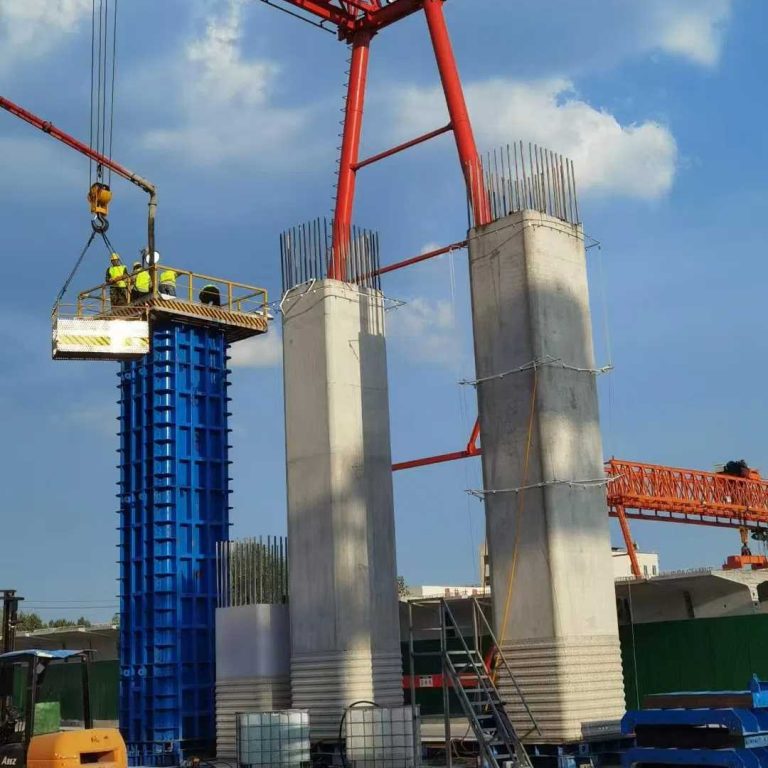
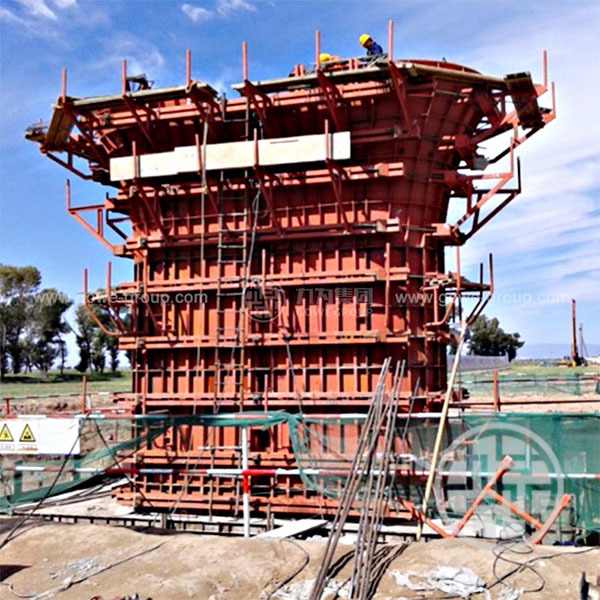
Mismatched parts can cause serious point failures. To show good component teamwork, consider the 1.5mx2.4m Pier Column Scaffolding Platform. It brings together standards, ledgers, diagonal braces, staircases, catwalks, and toe boards into one complete unit. This simple design creates high load-bearing capacity. It is more stable and safer than traditional setups. In the same way, a dedicated Safety Staircase uses perfectly matching steel steps and decking. This allows quick construction speed while keeping a safe path for workers.
Main frame scaffolding applications in different construction scenarios
Residential and commercial building construction use cases
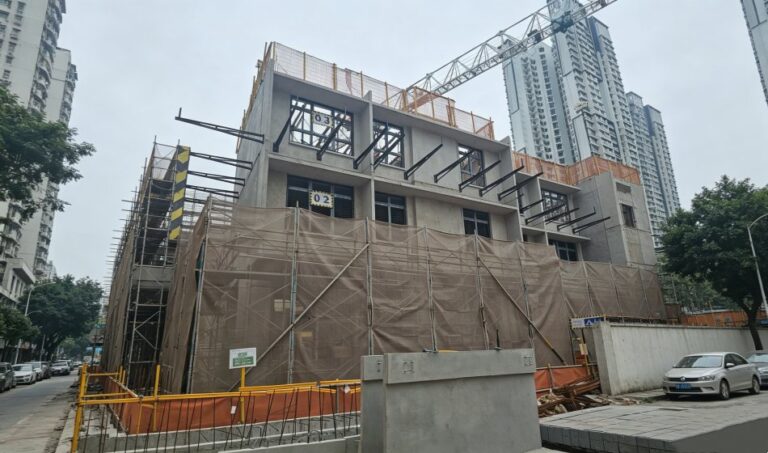
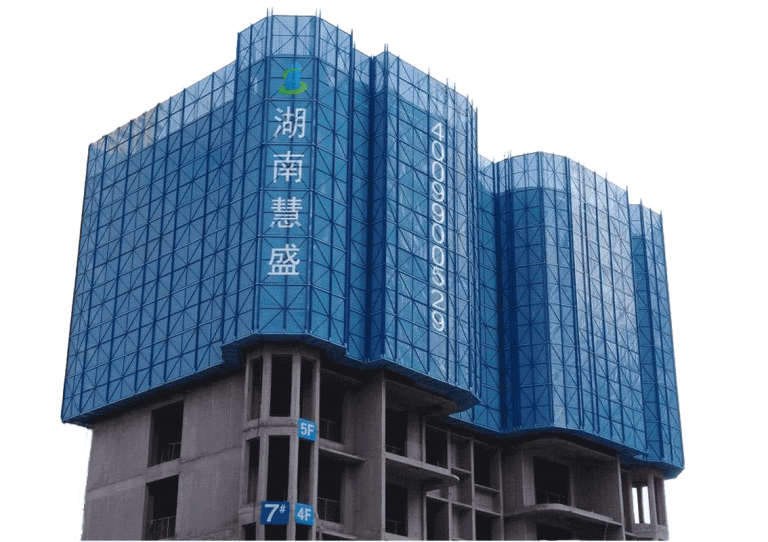
From low-rise homes to tall business centers, main frame scaffolding fits many wall shapes. It supplies a dependable platform for bricklaying, concrete pouring, and window installations.
Maintenance, painting, and facade installation applications
For outside maintenance, the firm nature of modular frame systems gives painters and glaziers a steady platform. This allows detailed work at height without unwanted movement.
How scaffolding systems adapt to height, load, and site complexity
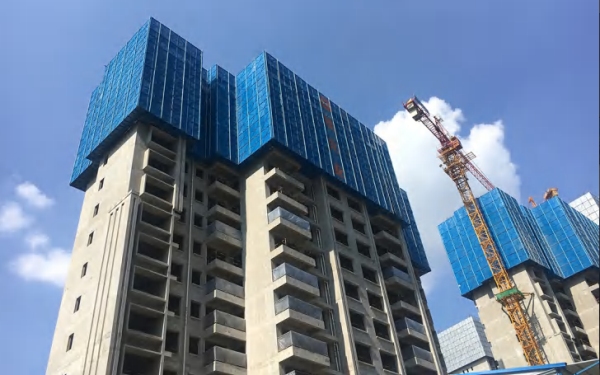
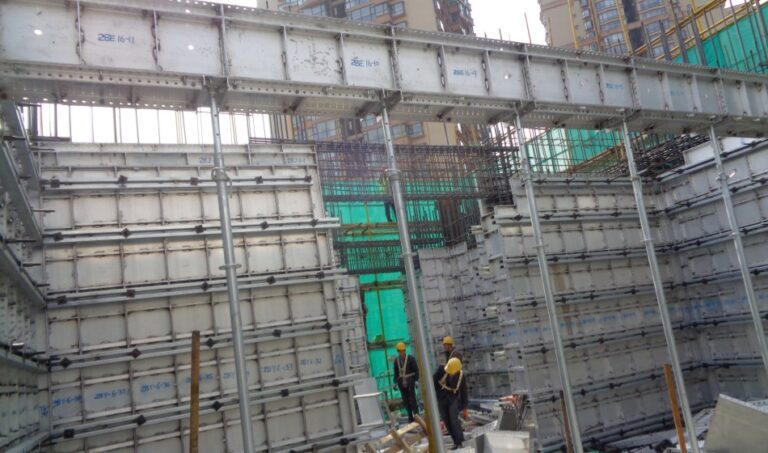
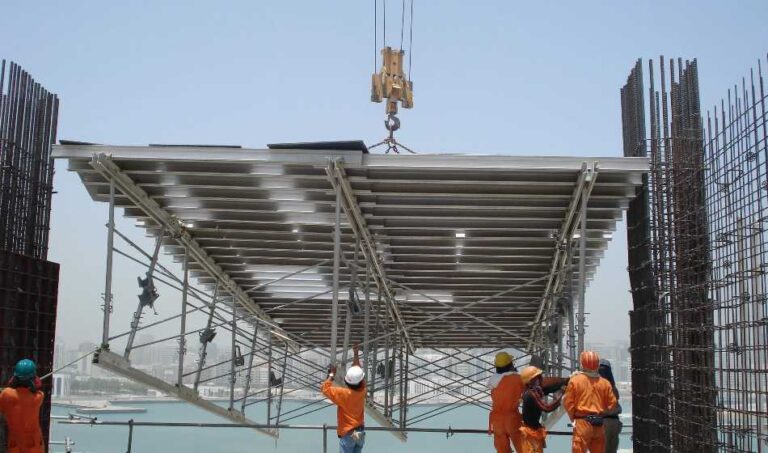
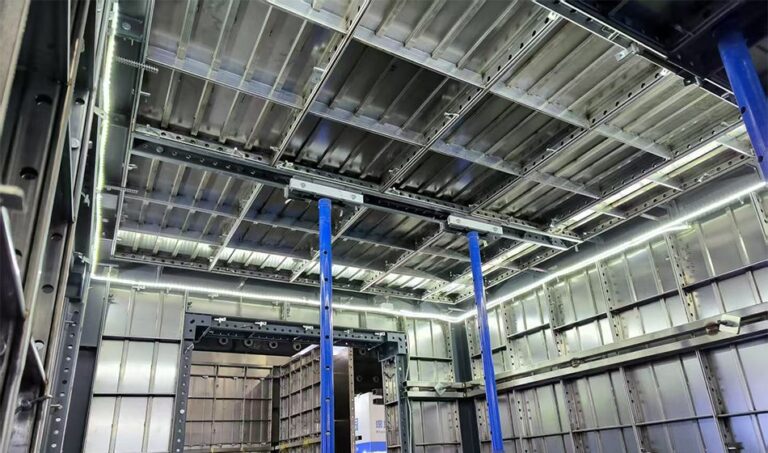
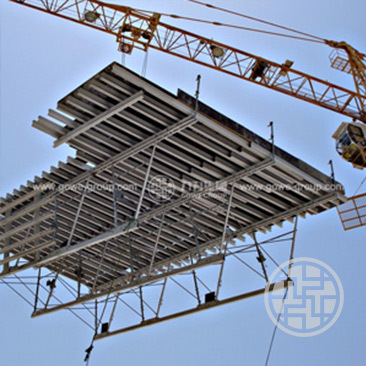
In a recent large infrastructure project in Southeast Asia, the contractor dealt with strong pressure to manage costs. Local labor rates were rising, and the humid climate was highly corrosive. We supplied a custom solution that used internal and external hot-dip galvanized anti-corrosion treatment. This gave the main frame scaffolding a long service life and a clean look. To reduce labor costs further, we used table formwork modules. These units were lifted as complete sections from floor to floor by a tower crane. They did not need to be disassembled each time. The approach created rapid construction and major labor savings.
Main frame scaffolding safety standards and compliance requirements
Load-bearing capacity rules and structural safety considerations
Safety rules require that all parts be made from high-grade materials. Moving to low-alloy structural steel creates a stable structure. It provides high bearing capacity that stays safe and dependable under maximum load.
Installation guidelines to prevent collapse and instability risks
Workers must follow assembly steps exactly. Every diagonal brace must be pinned, and every base jack must be fixed tightly. Leaving out even one bracing piece changes how forces move through the structure. This weakens the scaffolding system.
Why inspection and maintenance routines are critical on construction sites
Regular inspections find small changes before they become serious. Daily checks of ledger connections and deck positions are essential. They help keep the site free of incidents.
Common installation mistakes and risk factors in scaffolding projects
Incorrect assembly and missing structural locking points
The most common cause of local failure is human error during assembly. Missing locking pins or not fully setting wedge locks leaves the main frame scaffolding open to sudden structural movement.
Ground instability and improper base setup issues
Building a scaffolding system on loose soil without proper sole boards causes the jack bases to sink. This uneven settling creates dangerous tilting and affects vertical alignment.
Environmental factors (wind, load shifting, uneven surfaces)
Strong winds push against safety netting and decking like a sail. If the scaffolding is not tied properly to the main building, these outside forces can overcome the system’s own weight.
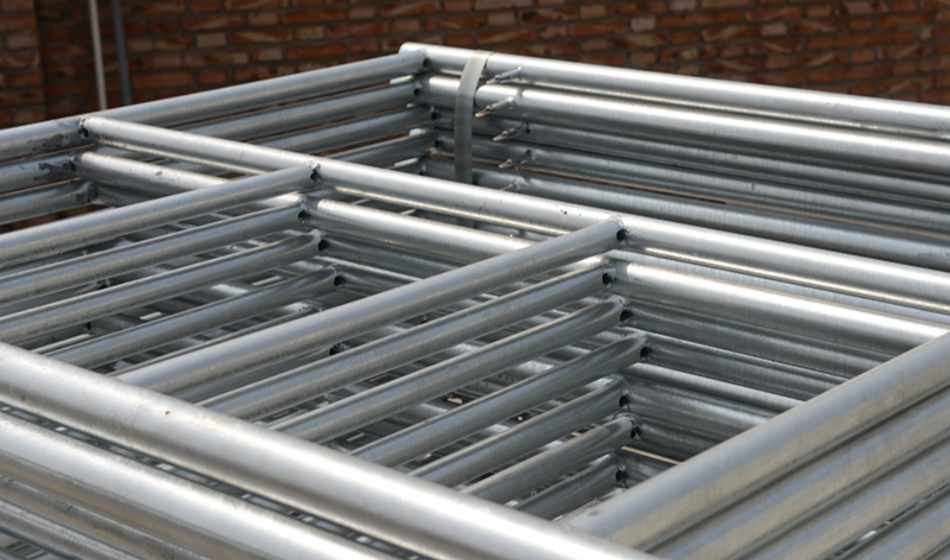
How to choose a reliable main frame scaffolding supplier for long-term projects
Manufacturing quality and material consistency evaluation
Finding dependable equipment means examining the manufacturer’s technical foundation. You should choose suppliers whose materials receive strict anti-corrosion treatments and automated welding. These steps produce lightweight, durable, and cost-effective products.
Importance of system compatibility and engineering support
At GOWE, we know that hardware by itself is not enough. We focus on delivering custom, professional, and smart scaffolding and formwork solutions. Our team includes over 3000 talents and 500 engineers. We offer full engineering advice and custom design drawings. These calculate the exact material amounts needed for your most difficult projects.
Why supplier reliability impacts project safety and construction timelines
Working with a supplier that holds over 460 patents and maintains a strong quality control system brings clear benefits. The products that reach your site will perform exactly as designed. This prevents expensive delays and reduces safety risks.
FAQ
Q: What is the typical lifespan of heavy-duty main frame scaffolding materials?
A: The lifespan depends on the manufacturing process and the environment. When main frame scaffolding receives internal and external hot-dip galvanized anti-corrosion treatment, it offers a very long service life. It resists rust even in difficult, humid conditions. This treatment helps it last much longer than standard painted steel.
Q: How long does the delivery process for bulk modular frame systems usually take?
A: Delivery times depend on order size and project location. Good suppliers keep large production and logistics facilities. These help speed up shipping. Exact delivery dates are set during the engineering consultation stage. This makes sure the modular frame systems arrive exactly when assembly work is planned to start.
Q: What quality certificates should a safe and reliable scaffolding system have?
A: A dependable scaffolding system needs support from strong quality control systems and scientific quality methods. Specific ISO certificates differ by region. Look for suppliers with many industry patents. They should use low-alloy structural steel and automated welding processes. These steps guarantee component safety.
Q: Can standard main frame scaffolding be customized for unique building shapes?
A: Yes. Professional engineering teams can create specific solutions for special structural needs. For example, special main frame scaffolding components can be changed into complex setups like pier column operating platforms. These fit different architectural designs.
Q: Does severe weather affect the structural stability of an installed scaffolding system?
A: Yes, it does. High winds and heavy rain can weaken temporary structures. It is important to confirm that the scaffolding system has a stable structure and high bearing capacity. During bad weather, proper wall ties, diagonal bracing, and secure ground anchoring become essential. These steps prevent the framework from moving or falling.