



A scaffolding ladder is not just a way to climb. On a construction site, it manages how workers move between scaffold levels. It affects how safely tools are carried. It also determines how effectively repeated tasks get finished. Choosing the wrong height, material, or access layout can slow the crew down. It can raise preventable hazards.
For contractors, builders, scaffolders, and site managers, the best choice starts with three questions. What height must workers reach? What scaffold system is being used? What site conditions affect material life and labor cost?
What Is a Scaffolding Ladder and When Is It Needed?
Scaffolding Ladder vs Regular Ladder
A regular ladder is often used as a temporary standalone tool. A scaffolding ladder is different. It should work as part of a stable scaffold access system. It needs secure connection points. It requires safe rung spacing. It also needs enough width for climbing. Its position should not interfere with the working platform.
Scaffolding Ladder vs Stair Tower
A scaffold access ladder is compact and useful when space is limited. A stair tower is better when many workers need to move up and down frequently. It also helps when they carry materials more often. For short-duration tasks, a ladder may be enough. For high-rise, long-cycle, or high-traffic projects, planned access routes can reduce congestion and labor waste.
Common Use Cases in Construction and Maintenance
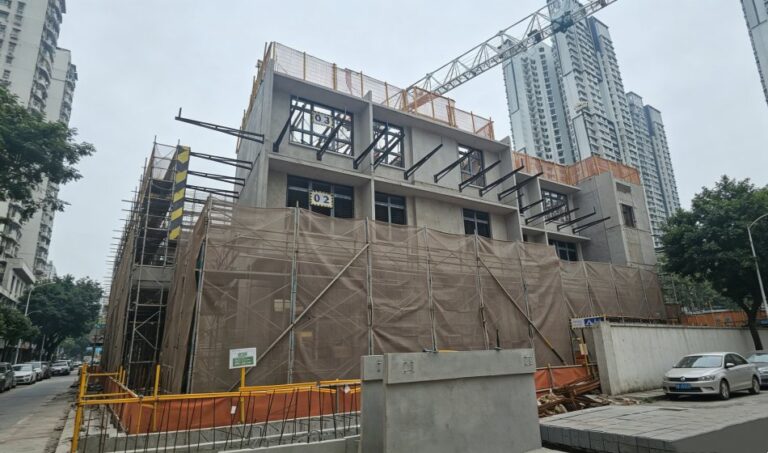
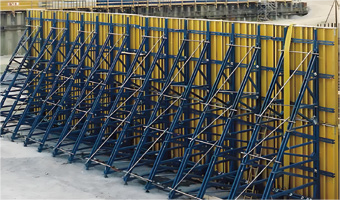
A construction scaffolding ladder is commonly used for building facades, formwork support, maintenance work, and multi-level scaffold platforms. In school, residential, commercial, and infrastructure projects, access design should be considered before installation. It should not be an afterthought once the scaffold is already standing.
How Do You Choose the Right Scaffolding Ladder Height?
Measure the Working Platform Height, Not Just the Building Height
The right scaffolding ladder height should match the actual platform level workers need to reach. Measuring only the building height can lead to overlong ladders. It can create awkward entry points. It may also cause unsafe climbing angles.
Consider Access Points Between Scaffold Levels
Each scaffold level should have a clear access path. If workers must climb across braces or step over loose materials, the access design is already failing. A good scaffold access ladder should guide movement naturally from ground level to the platform.
Plan Rest Platforms for Higher Supported Scaffolds
For taller scaffolds, rest platforms help reduce fatigue. This matters for a clear reason. Tired workers climb more slowly. They are also more likely to make mistakes. Good access planning is also a cost issue. Smoother movement can reduce wasted labor time across repeated daily cycles.
Avoid Overreaching and Improvised Access
A scaffolding ladder should never force workers to stretch sideways to reach the platform. Overreaching may seem minor. Yet it often shows the ladder is too short. It may be poorly positioned. It could also fail to match the scaffold bay.
Which Scaffolding Ladder Material Is Best for Your Job Site?
Steel Scaffolding Ladders for Heavy-Duty Construction
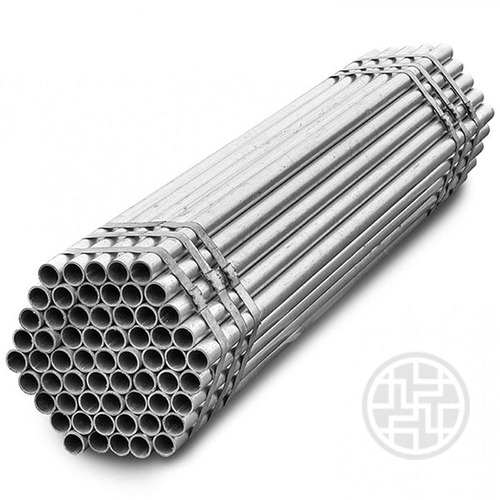
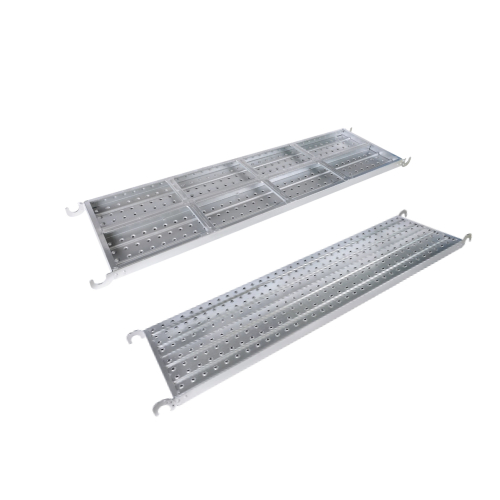
A steel scaffolding ladder is ideal for the heaviest of workplaces, due to the fantastic durability, stability, and long-term use that it can provide. Here at GOWE, we provide high-quality steel scaffolding materials for our customers as opposed to inferior aluminum alloy scaffolding. There are various steel grades that can be used for different structures, such as Q355 and Q235, depending on the job in hand.
Aluminum Scaffolding Ladders for Lightweight Handling
Aluminum scaffolding ladders are lightweight and easy to move around on site. However, for heavy construction projects and other applications where material is to be used for extended periods of time and subjected to repeated use, lighter materials such as aluminum do not necessarily offer the greater long-term value that steel access components can provide.
Fiberglass Ladders for Electrical Risk Areas
Fiberglass ladders are usually selected where electrical insulation is a major concern. However, they are not always the main choice for integrated scaffold systems. Site managers should match material choice with the work environment. They should not focus only on purchase cost.
How Coating and Corrosion Resistance Affect Outdoor Use
Outdoor scaffolds face rain, humidity, concrete dust, and repeated handling. Hot-dip galvanized steel can help extend material life and reduce replacement frequency. This is important for projects that care about cost. Material lifespan directly affects total site spending.
How Should Contractors Match the Ladder to the Scaffold System?
Ringlock Scaffolding and Modular Access Planning
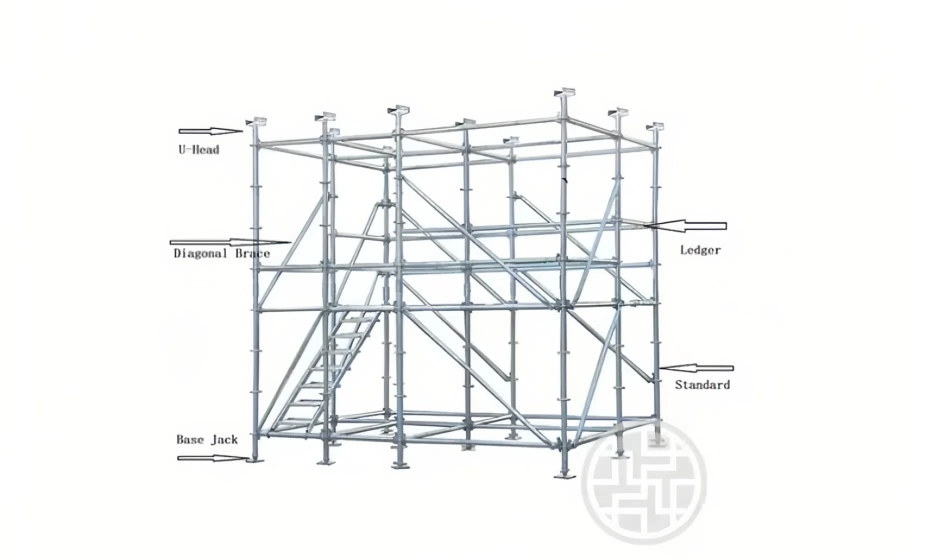
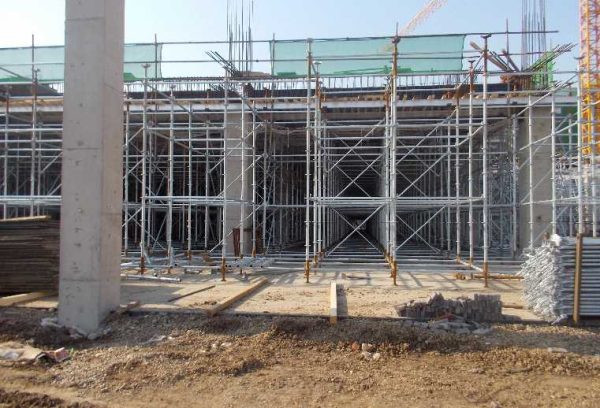
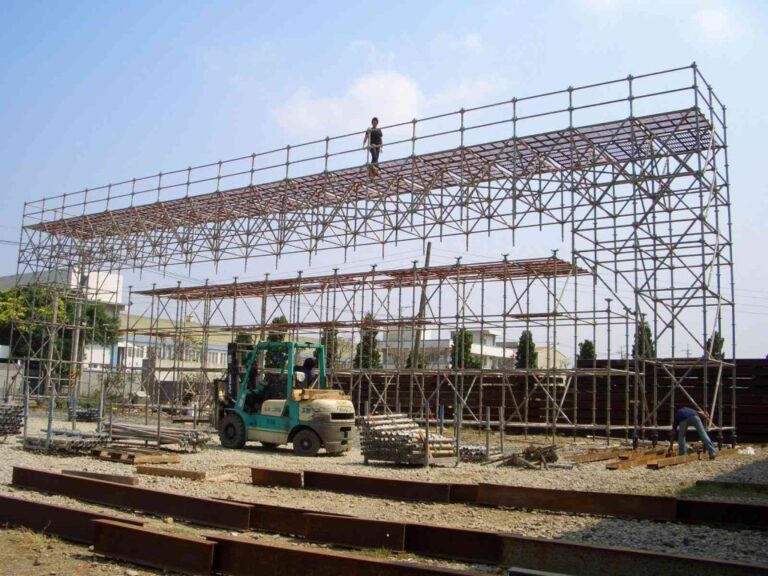
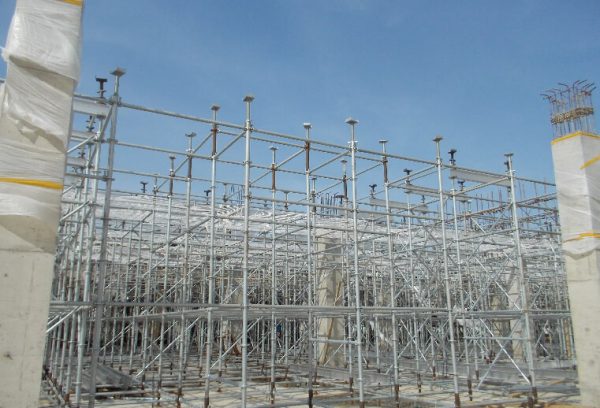
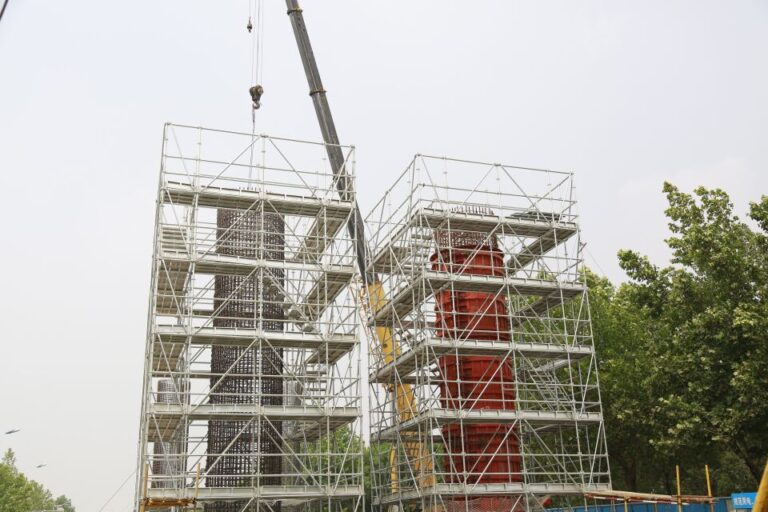
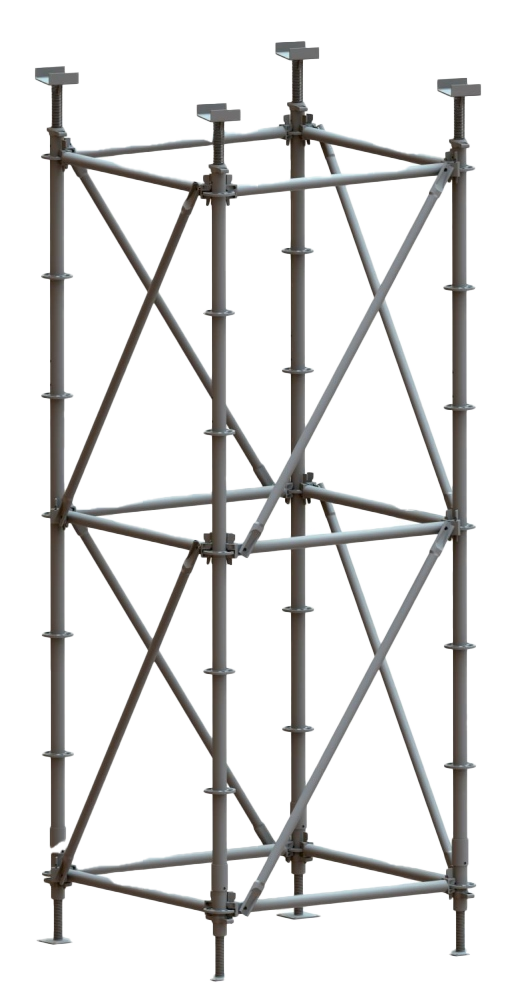
Ringlock Scaffolding is suitable for projects that need a stable structure, quick assembly, and repeatable layouts. A scaffolding ladder should be planned with the scaffold bay, platform position, guardrails, and worker movement route.
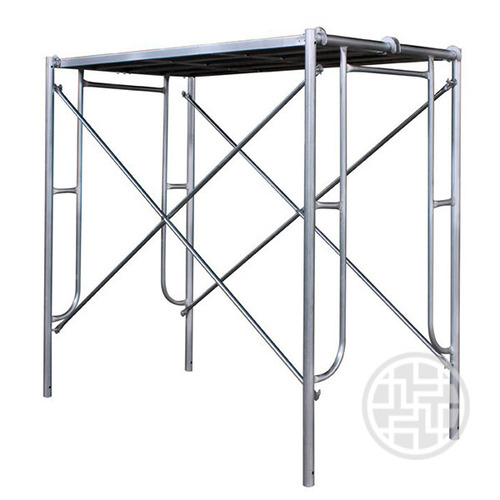
Frame Scaffolding with Built-In Ladder Access
Frame scaffolding can be useful for simpler access needs. However, ladder placement still matters. Workers should be able to enter the platform without stepping onto unstable parts or crossing open edges.
Tube and Coupler Scaffolding for Flexible Site Layouts
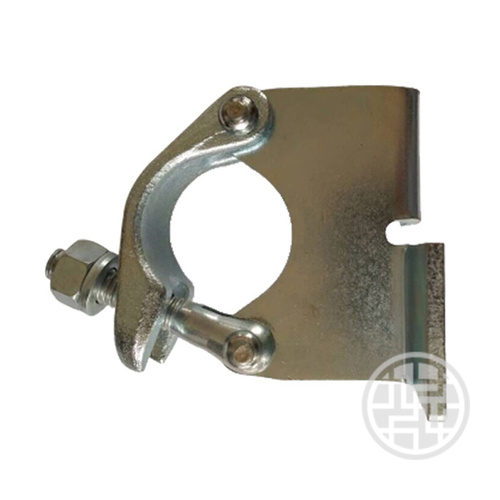
Tube and coupler scaffolding gives more flexibility on irregular sites. In these cases, access planning must be even more careful because the scaffold layout is less standardized. A safe scaffold access ladder should be fixed, visible, and protected from obstruction.
Accessories That Improve Access and Platform Safety
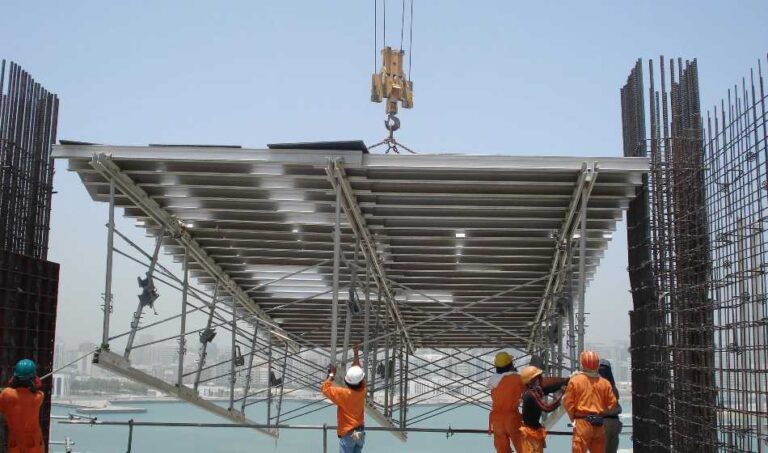
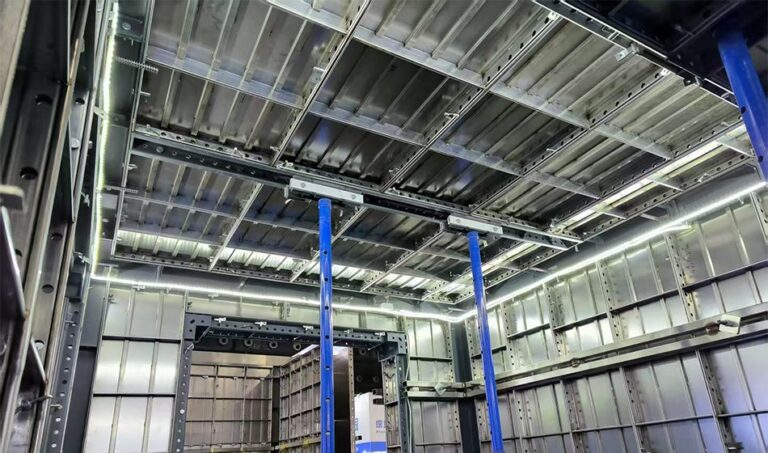
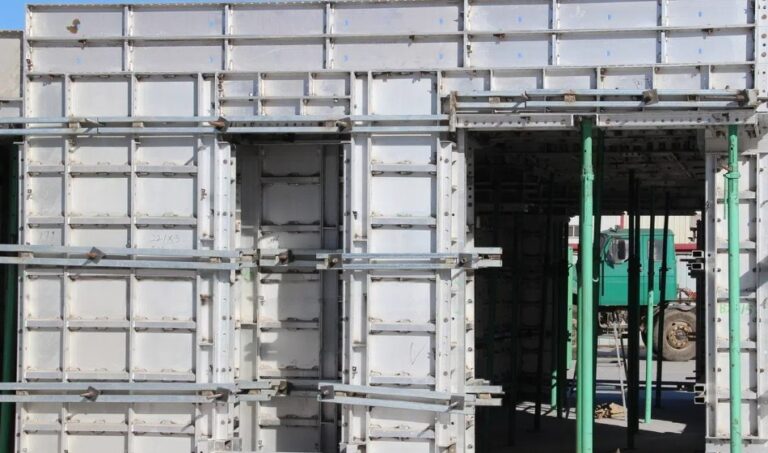
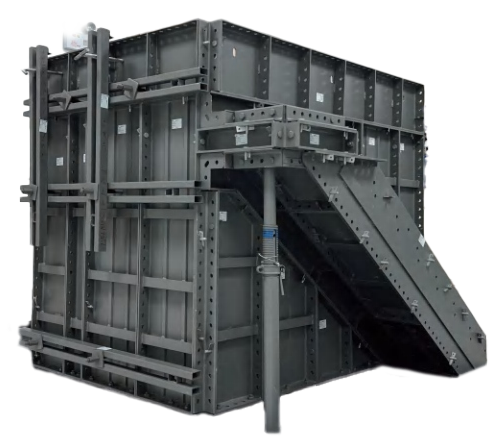
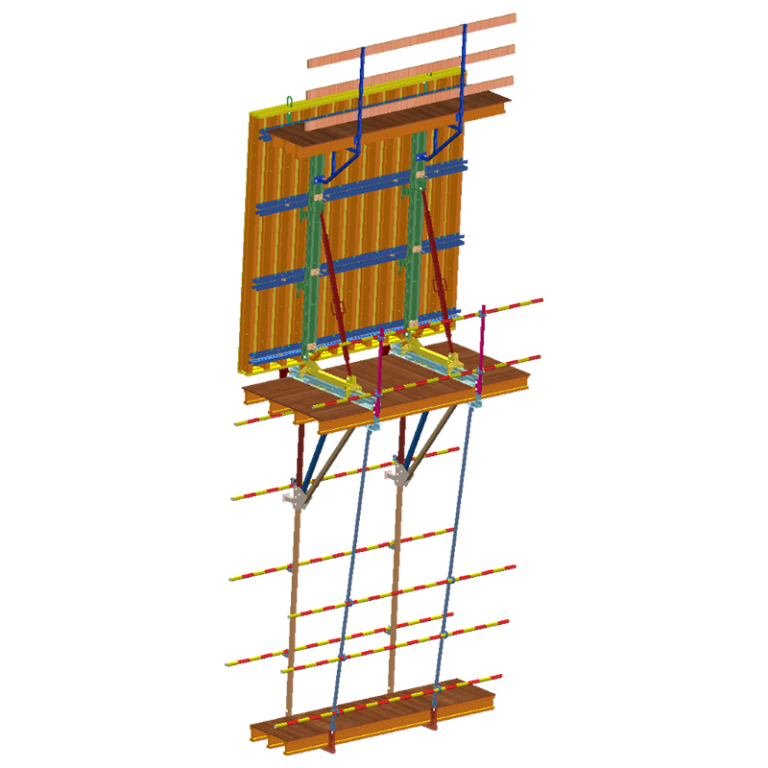
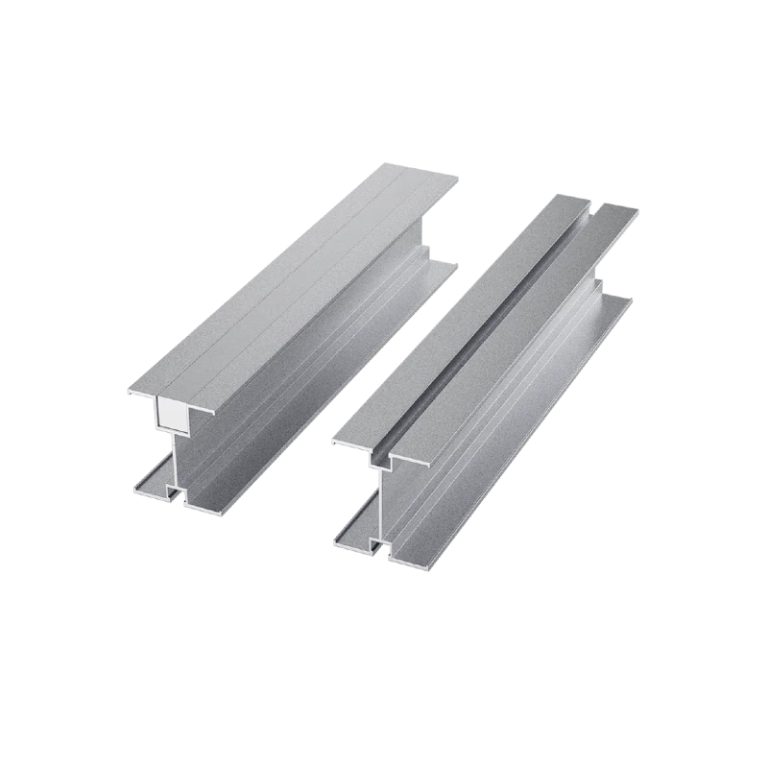
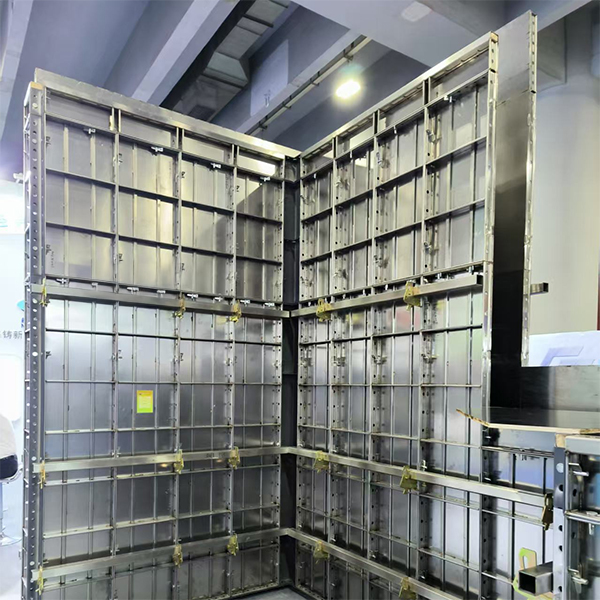
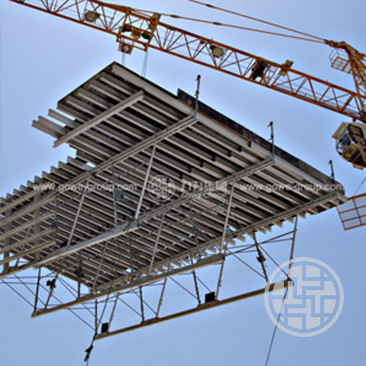
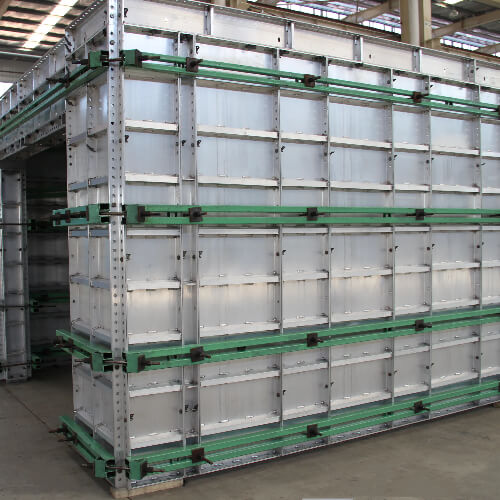
At GOWE, we also provide scaffolding-related accessories and aluminum beams that can work together with scaffold systems. Aluminum beams are used with scaffolding, while aluminum formwork can be combined with scaffolding in high-rise construction to improve coordination between access, support, and concrete work.
What Should Be Checked Before Using a Scaffolding Ladder?
Daily Inspection for Rungs, Welds, Hooks, and Connections
Before use, workers should check rungs, welds, hooks, fasteners, and connection points. A damaged scaffolding ladder should be removed from service instead of being “used carefully.”
Load Capacity for Workers, Tools, and Materials
A ladder is designed mainly for worker access, not bulk material transport. If materials need to move frequently, site managers should consider hoists, stair towers, or other planned logistics routes.
Ground Conditions, Angle, and Stability
Soft ground, debris, uneven slabs, and poor positioning can make even a strong ladder unsafe. The ladder base and scaffold foundation should be checked together.
When to Replace or Remove a Damaged Ladder
Bent rungs, cracked welds, heavy corrosion, or loose hooks are not small issues. Replacing damaged access parts early can protect both safety and schedule.
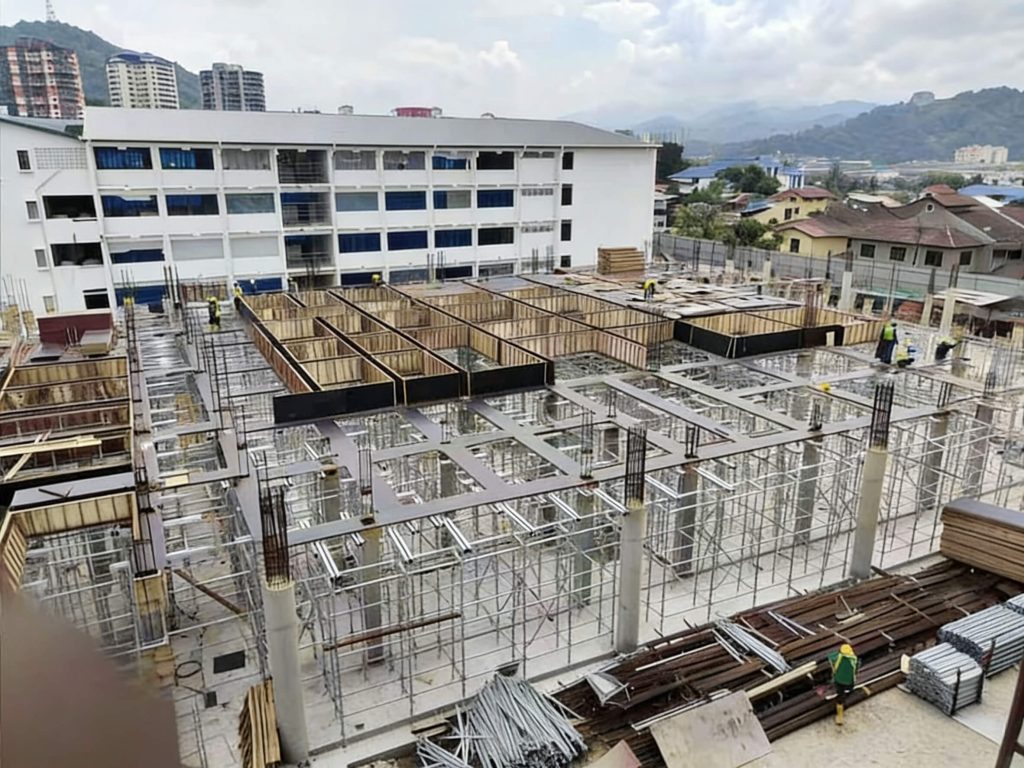
Our project experience shows why access planning matters. In the Asrama Semai Bakti Primary School project, practical site coordination, material use, and construction efficiency were all important. For cost-sensitive projects, the key is not simply choosing the cheapest component, but reducing labor waste and extending material service life.
FAQ
Q: Is a steel scaffolding ladder better than an aluminum scaffolding ladder?
A: A steel scaffolding ladder is most suitable for heavy construction. Such ladders provide the strongest load performance and the longest service life. Lighter aluminum scaffolding ladders are not so suitable for very demanding scaffold systems.
Q: How long is the delivery period for a scaffolding ladder and scaffold system?
A: How long does delivery take? The delivery time will depend on the quantity ordered, the drawings for the project, the degree of customization, and the destination of the delivery. We at GOWE provide project-based planning and production and offer packaging and delivery coordination. We will confirm a delivery time frame once we have reviewed the scaffold system and access requirements for your project.
Q: What certificates should a scaffolding ladder supplier provide?
A: A scaffolding ladder supplier should provide quality-related documents, material information, and project-required compliance documents. At GOWE, we support international construction projects with technical documents, quality control, and project-specific documentation according to client requirements.
Q: Can a scaffold access ladder be used with formwork in high-rise buildings?
A: Yes. A scaffold access ladder can be part of a wider access and support plan. At GOWE, steel scaffolding can be used with aluminum beams, and aluminum formwork can work together with scaffolding systems in high-rise construction.