


Choosing between different types of scaffolding is not only about height. A contractor also needs to consider access, load, ground conditions, building shape, labor efficiency, material lifespan, and how often the system will be reused. A simple facade repair may only need frame scaffolding, while a high-rise or infrastructure project may require ringlock scaffolding, scaffolding tube and coupler scaffolding, or a special climbing platform.
What Are the Main Types of Scaffolding?
Supported Scaffolding vs Suspended Scaffolding
A structure built upwards from the ground or from a solid base is referred to as a supported scaffolding. Scaffolding structures are generally used in building construction, façade work, in industrial maintenance and in the area of formwork support. They are relatively easy to check, extend, or modify during a project.
Suspended scaffolding is a type of scaffolding that is suspended from the top of a building by ropes, cables, or other suspension systems. Such scaffolding is commonly used for high-rise façade cleaning, painting, repair of curtain wall systems, and other exterior maintenance work where access from the ground is not feasible.
Access Scaffolding vs Load-Support Scaffolding
There are some types of scaffolding used as simple working platforms, and there are others that are designed to transfer temporary loads of construction, such as slab formwork, beams, and liquid concrete. A simple access platform is not a support system that has been engineered.
Which Supported Types of Scaffolding Are Most Common?
Frame Scaffolding for Simple Repetitive Work
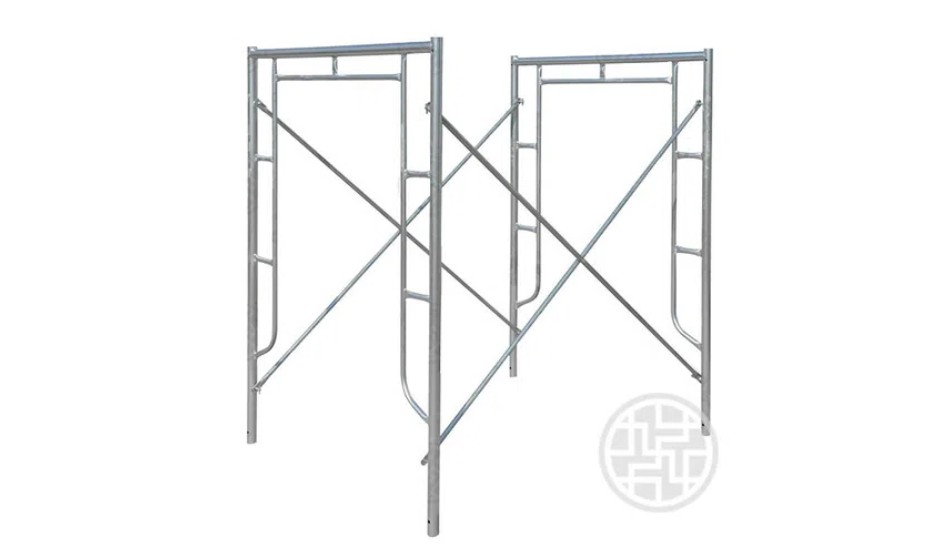
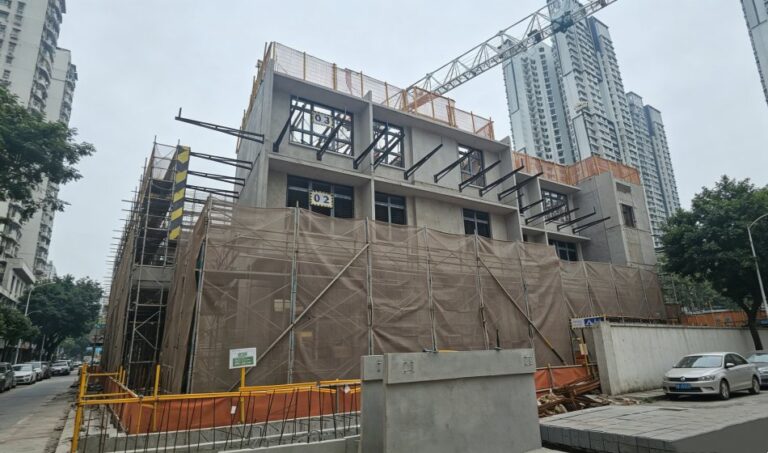
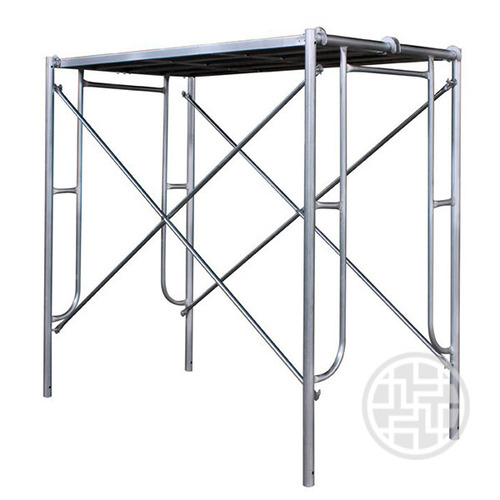
Frame scaffolding is used for a variety of projects, including low-rise buildings, exterior repairs, plastering, painting, and general maintenance. It is simple to assemble as the structure is straightforward and recognized by most as forming a repeated bay.
However, frame scaffolding is not very suitable for irregular building shapes. For buildings with changing floor levels, heavy loads, or irregular plans, a modular system is more appropriate.
Ringlock Scaffolding for Complex and Heavy-Duty Projects
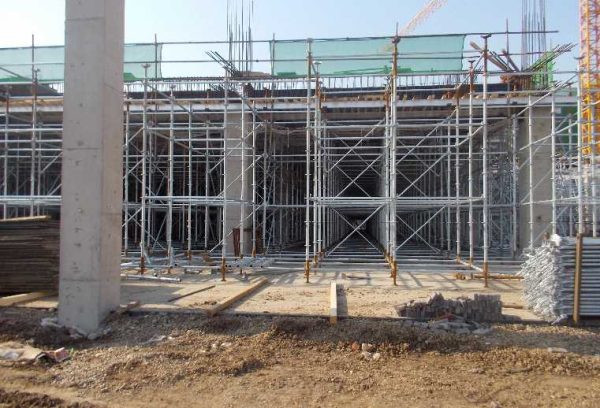
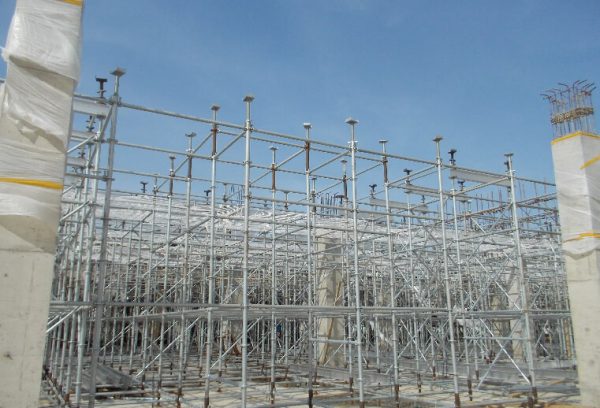
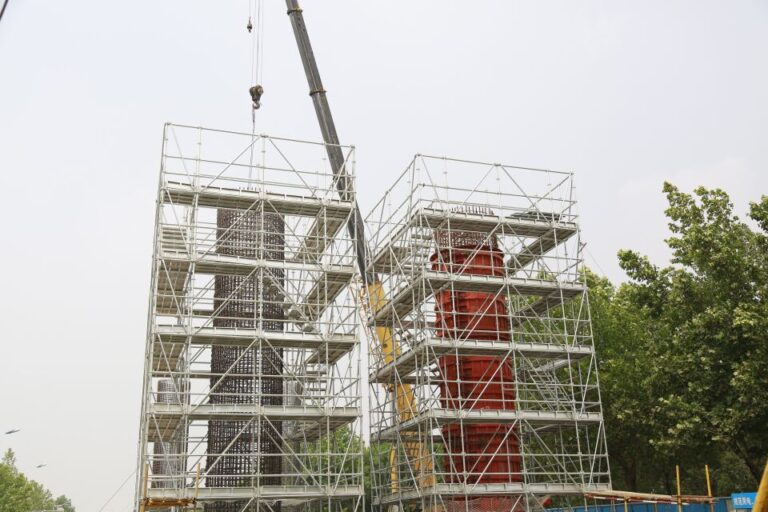
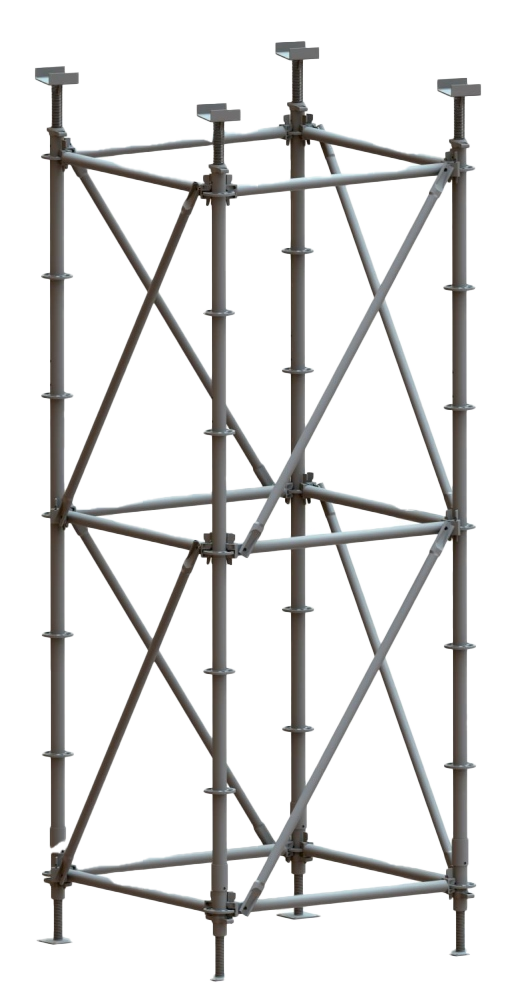
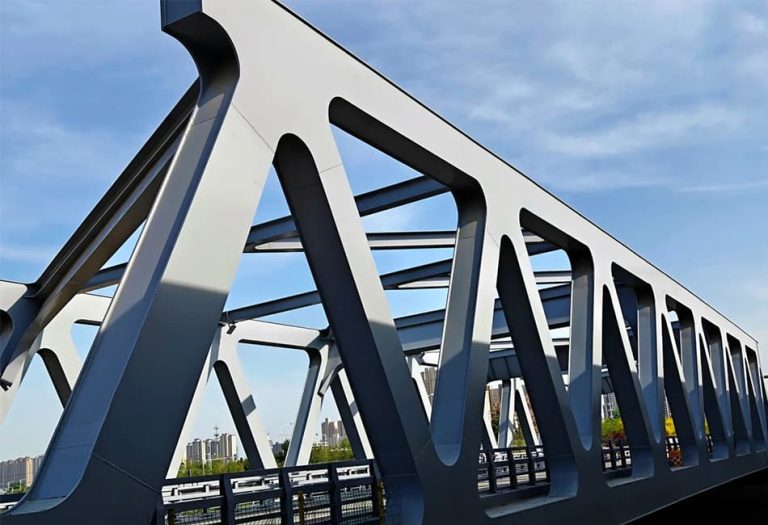
Ringlock scaffolding is a modular scaffolding system for demanding construction tasks. Due to its great flexibility, Ringlock scaffolding develops stable connections and is quick to assemble. It is preferably used for high-rise buildings, for infrastructure, for industrial plants, for bridges, and for complex access scaffolding.
GOWE produces scaffolding systems made of steel in various steel grades to fulfill different structural requirements. Our ringlock scaffolding system is designed for the transfer of loads, for the connection of scaffolding components, and for repeated use during the various phases of a project.
Tube and Coupler Scaffolding for Irregular Structures
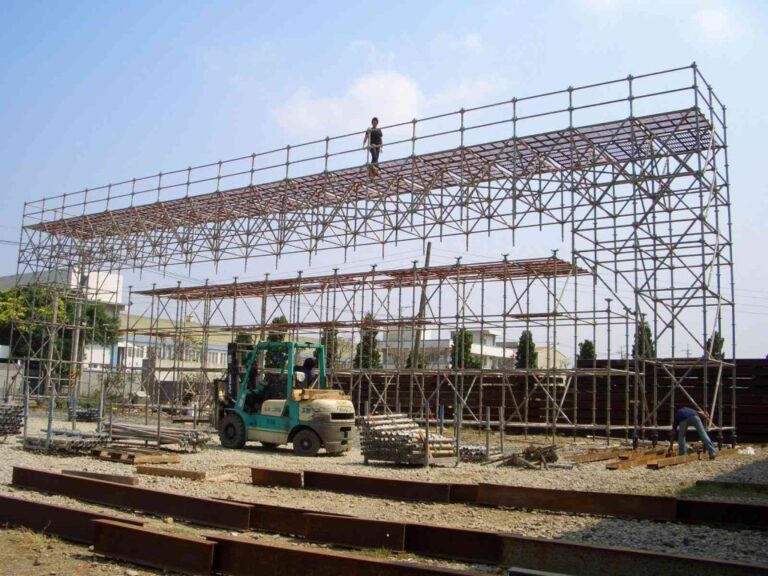
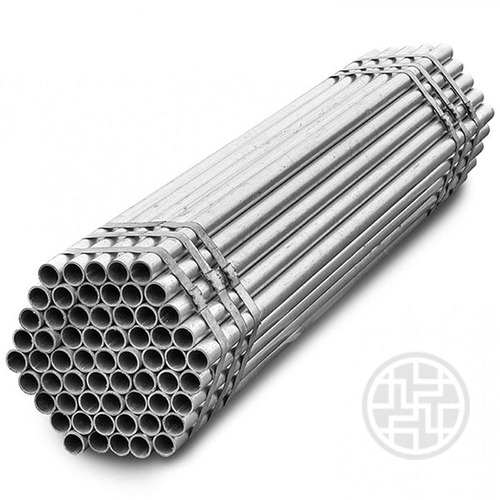
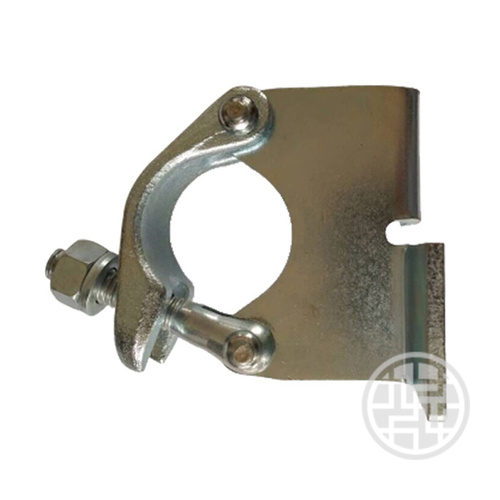
A structure that does not easily lend itself to the use of standard scaffold frames can be formed using scaffold tubes and scaffold couplers. The scaffold allows access to all industrial equipment, and also around awkward curved areas, very narrow areas, and others where special maintenance access is required.
A system that requires some experience in planning and installation. However, it solves many access problems where standard scaffolding is not suitable.
Which Suspended and Special Types of Scaffolding Should Buyers Know?
Suspended Scaffolding for High-Rise Exterior Work
Suspended scaffolding is the most appropriate type of scaffolding when work is to be carried out from a height, and that from ground level would be uneconomical or impractical. It is used for Facade cleaning, repainting, Glass replacement, and all types of external repairs.
Control is the central aspect of planning a suspended platform. In addition to anchoring and lifting, one must also consider the safety of employees, weather, and regular inspections.
Self-Climbing Platforms for Tall Building Protection
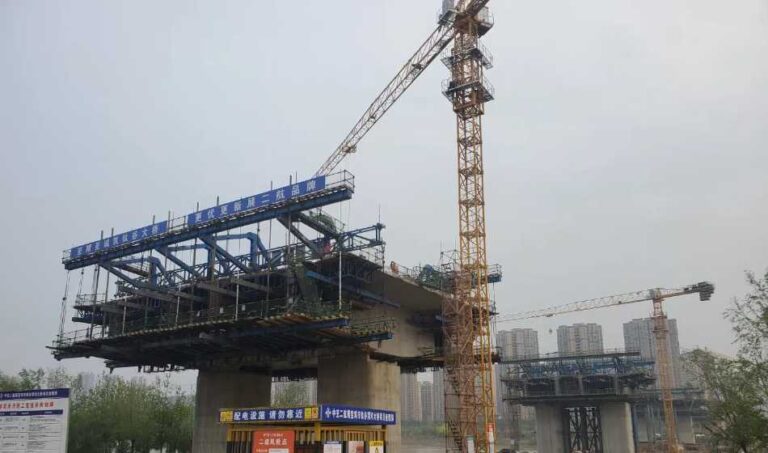
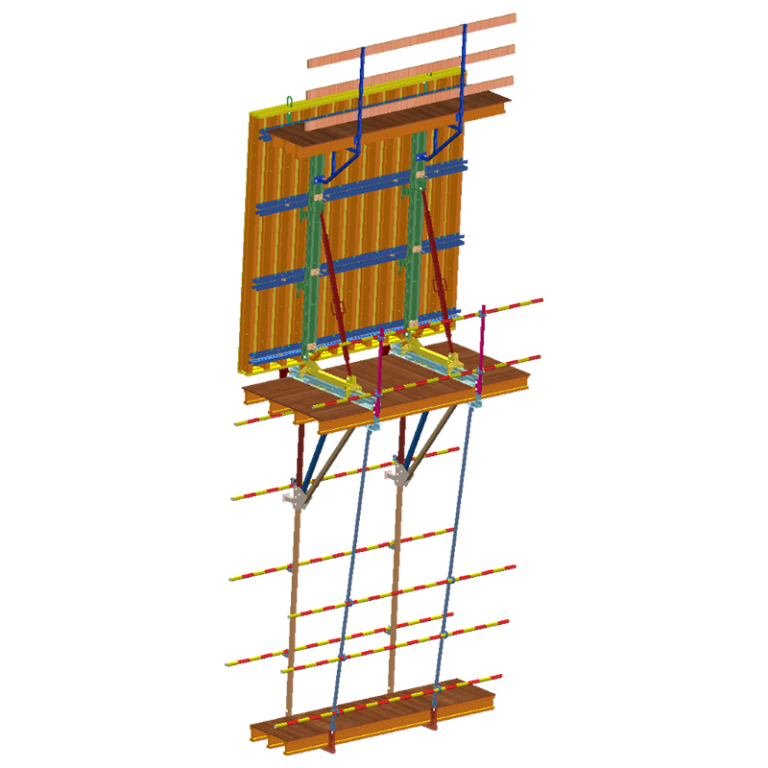
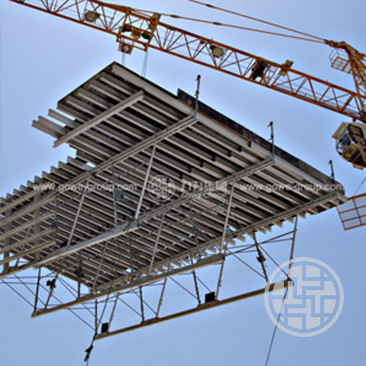
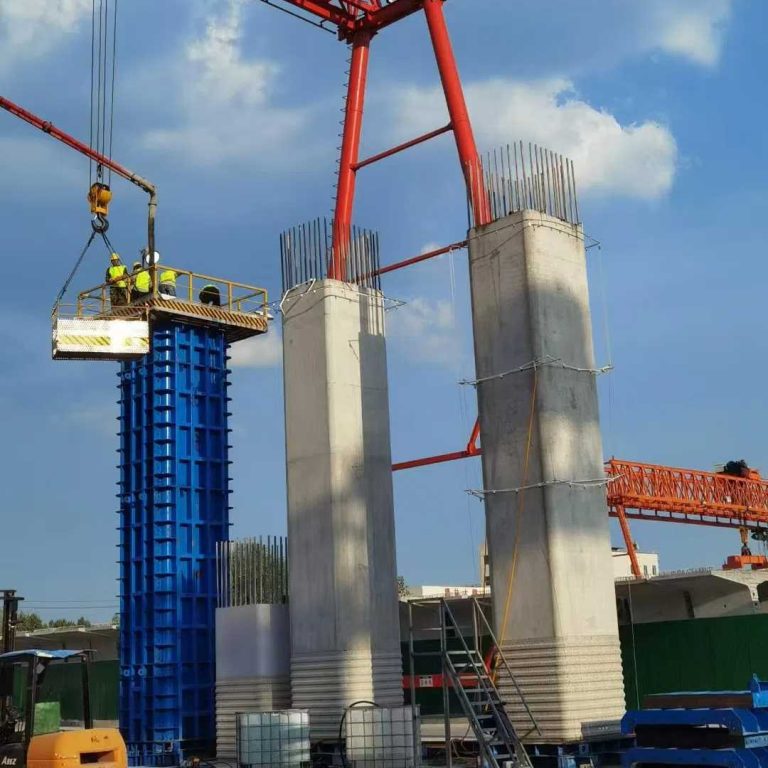
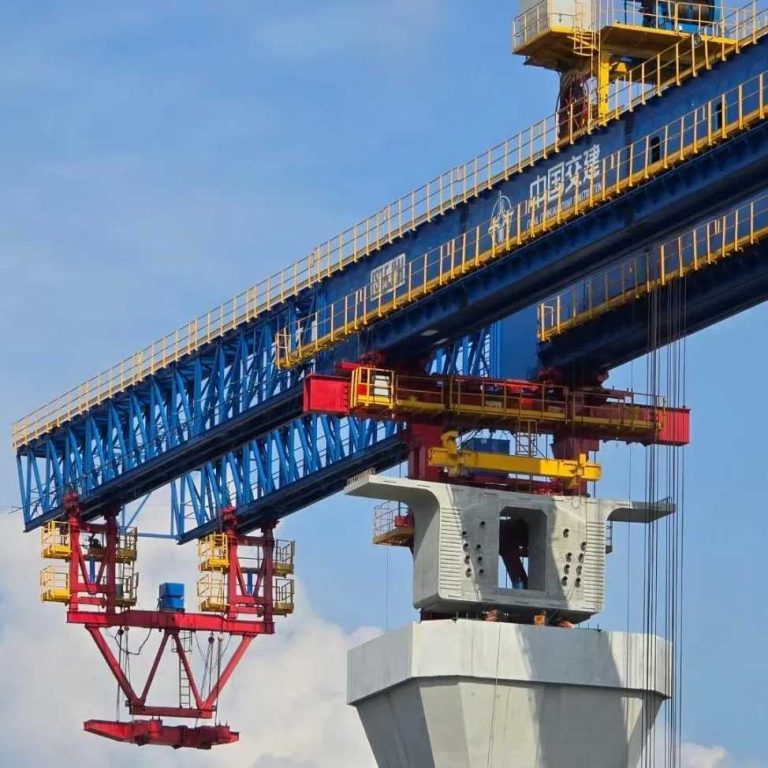
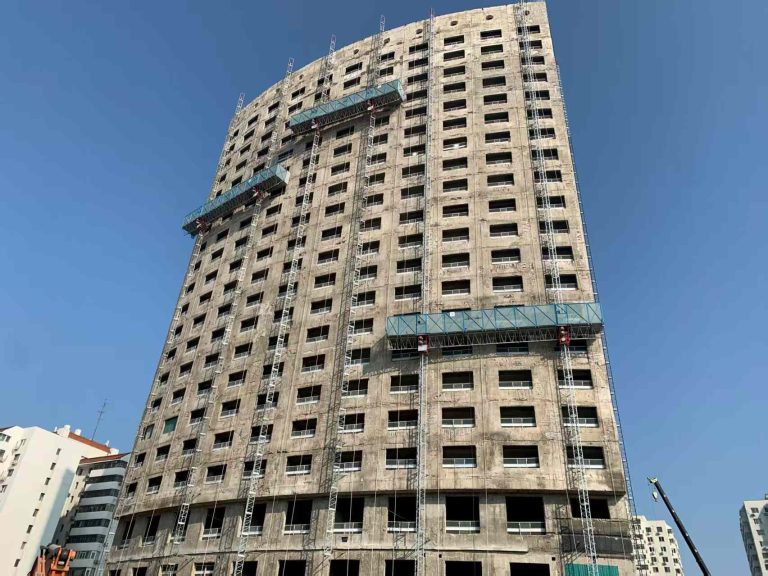
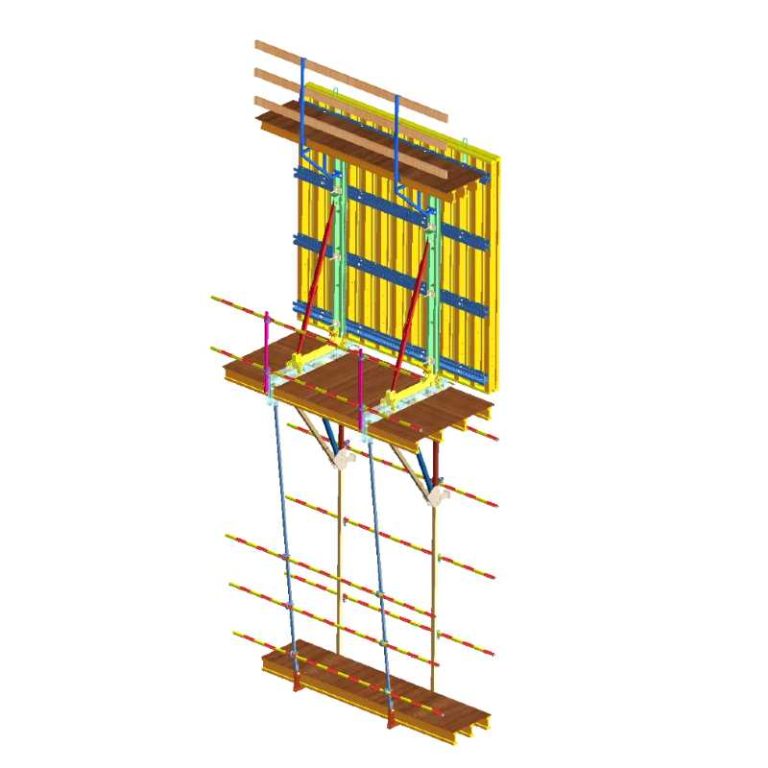
Self-climbing protection platforms for tall buildings move up with the structure. They provide workers on the exterior of the building and save the effort of dismantling and remounting a protection system for each new floor.
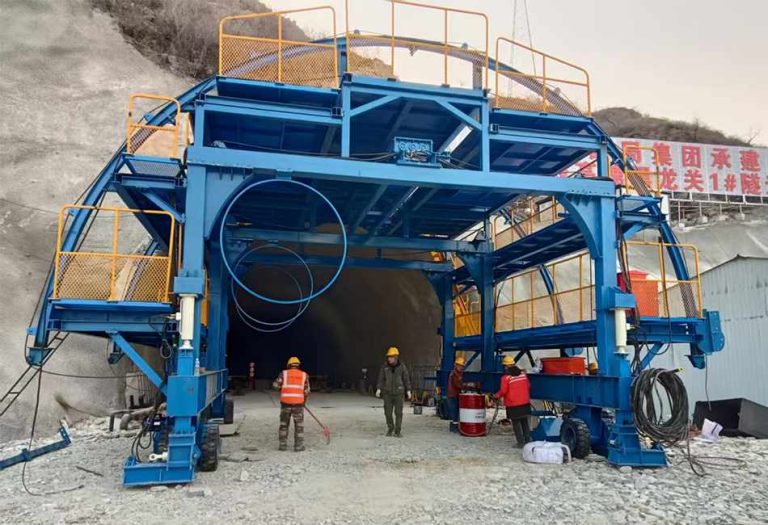
Scaffold types. Specialized Scaffolding types. Typical Scaffolding is not the same as Specialized Scaffolding used on construction projects where the safety of a complete enclosure, synchronized lift operations, or a vertical construction pace or rhythm is critical.
How Do Different Scaffolding Systems Compare by Application?
Best Systems for Residential and Light Commercial Work
Frame scaffolding, small mobile scaffolding, and simple supported working platforms are generally used for residential repair and other short-cycle access work to light commercial buildings. They are most suitable for moderate height and straightforward facade arrangements.
Best Systems for Industrial and Infrastructure Projects
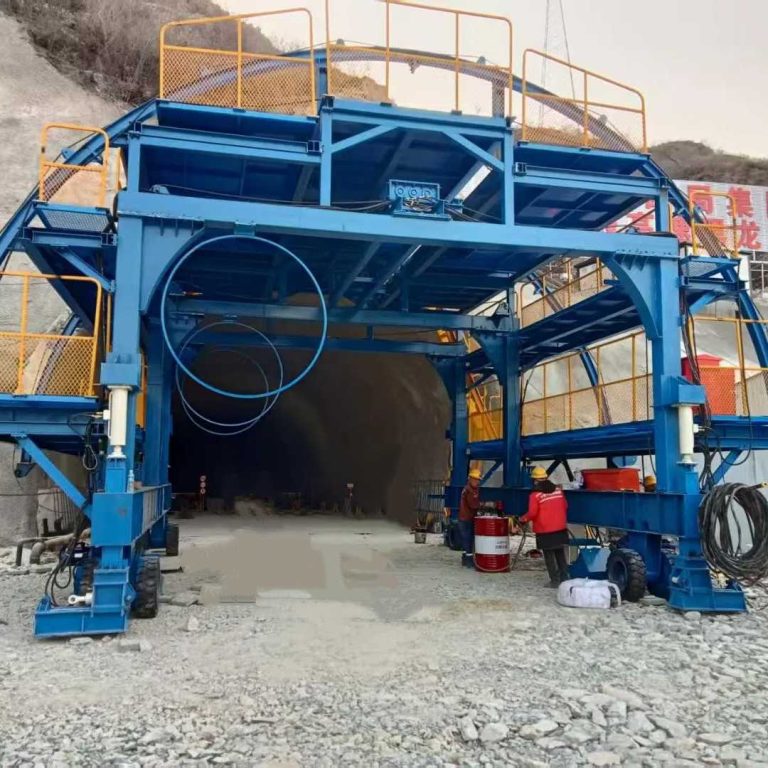
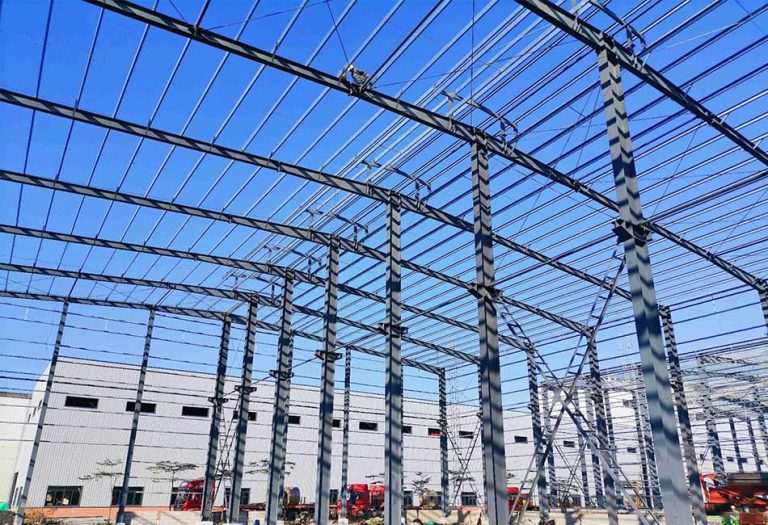
For industrial and infrastructure projects, increased adaptability is often required. Ringlock scaffolding and tube and coupler scaffolding are generally recommended for projects that involve heavy loads, uneven formation, pipe racks, bridges, tunnel work, and multiple work areas.
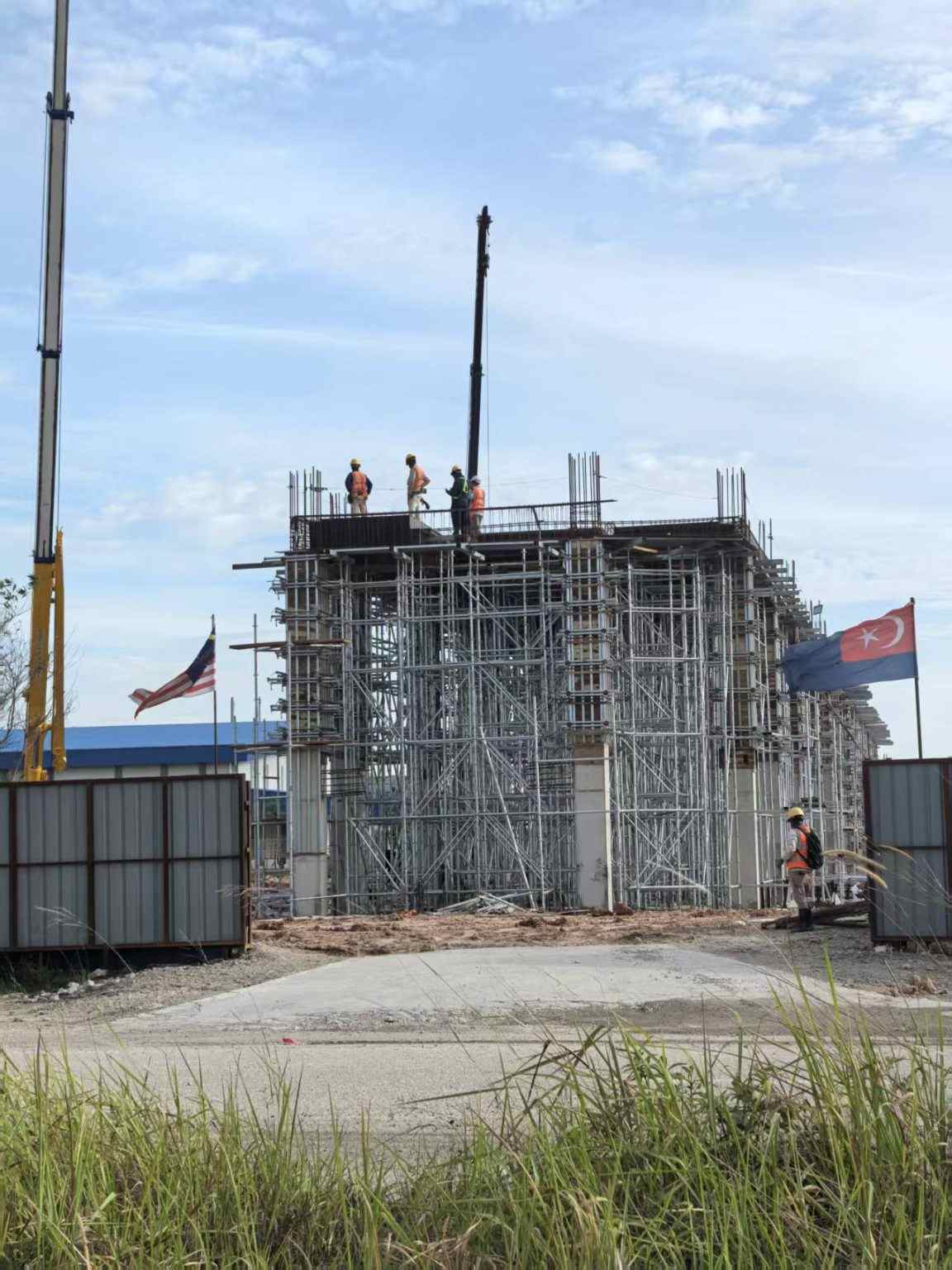
The Xinda Malaysia Project is another example of planning such projects. Cost-effective projects are not only about purchasing price, but also labor, efficient construction, reuse of parts, and efficient lifetime use of materials. Steel with a durable surface finish is ideal to minimize replacement and to allow for an extended lifetime.
Best Systems for High-Rise and Formwork Support
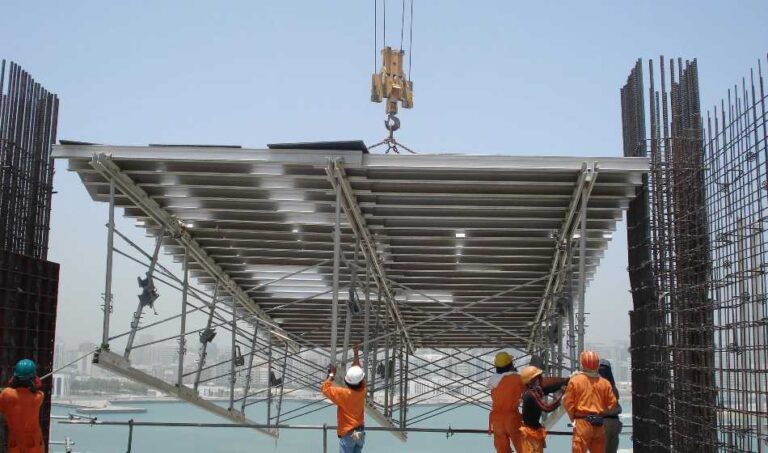
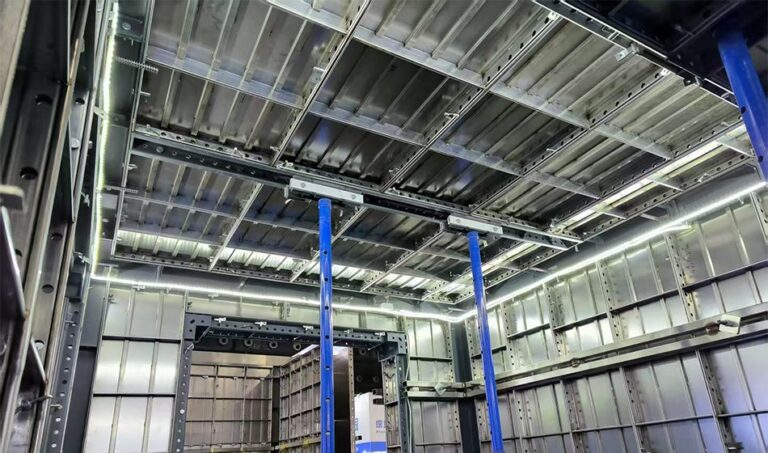
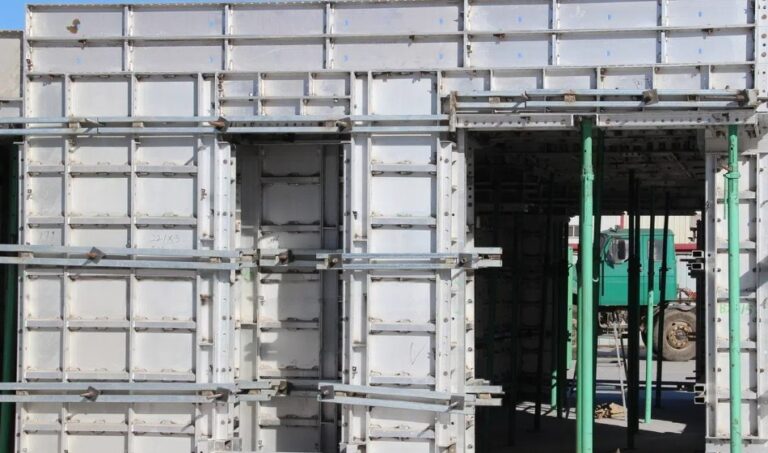
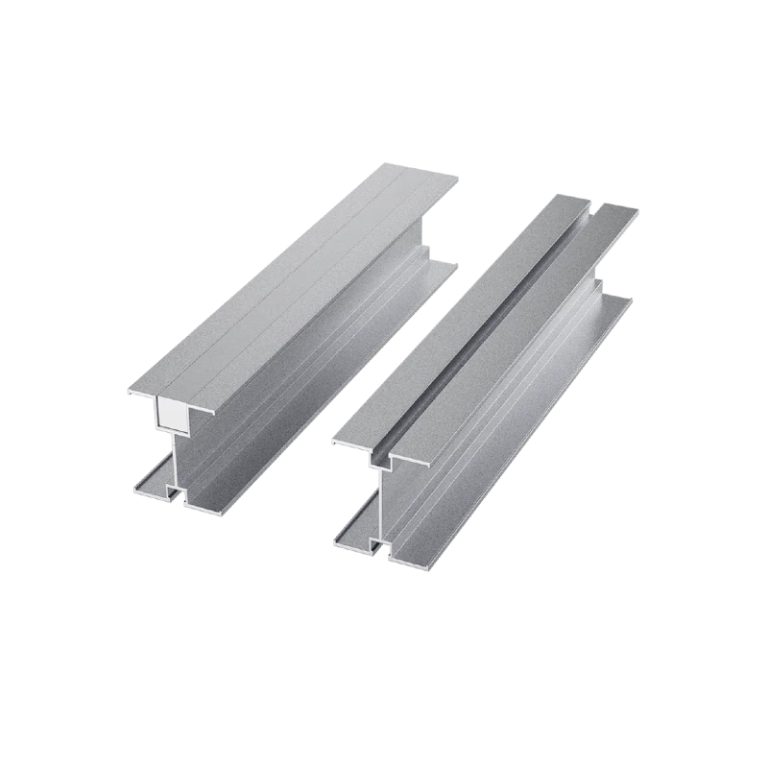
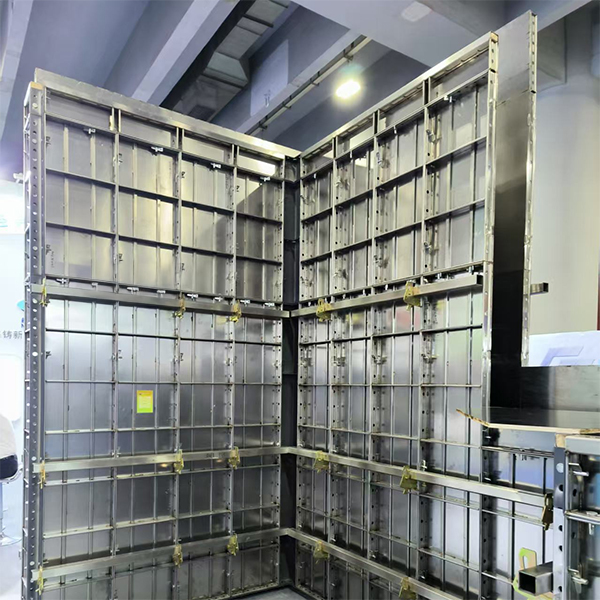
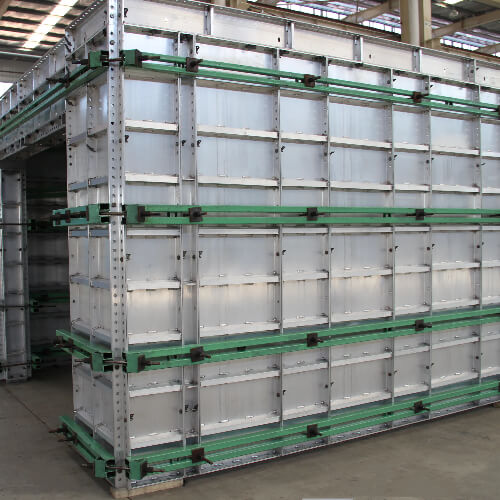
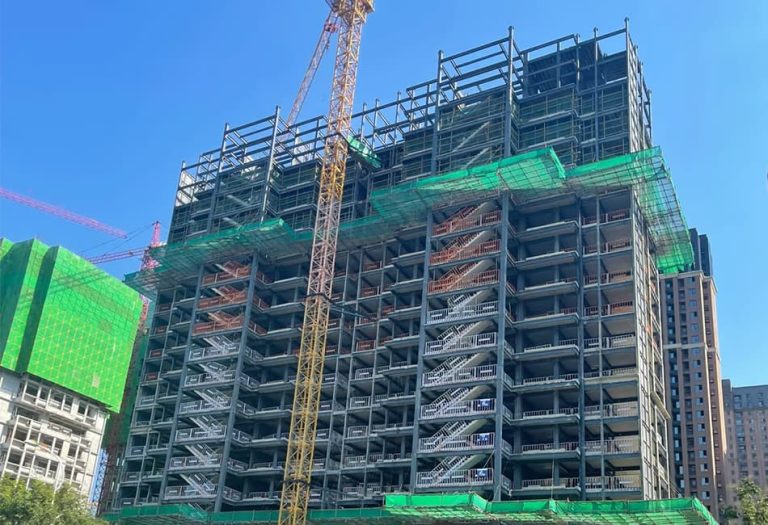
When it comes to scaffolding for high-rise construction, there are numerous alternatives that contractors can mix and match. In terms of constructing access to work areas as well as work in progress platforms, steel scaffolding is generally used. While aluminum beams can be joined to scaffolding to create desired spans, aluminum formwork can be combined with scaffolding systems to construct high-rise concrete structures.
Our GOWE Ringlock Scaffolding Pasir Ris Apartment Singapore Project is an example of ringlock scaffolding used in apartment construction where site efficiency and repeatability of assembly are critical.
How Should Contractors Choose the Right Types of Scaffolding?
Match the System to Height, Load, and Site Access
A practical choice of scaffolding depends on the job conditions. For low-rise, repetitive work such as painting, frame scaffolding is often preferred. For complex structures such as high-rise buildings, ringlock scaffolding can be more suitable. In irregular industrial zones, tube and coupler scaffolding would be more appropriate. For high-rise exterior maintenance work, suspended scaffolding is often used.
Check Material, Compatibility, and Reuse Plan
A system will be optimal when it matches the load to be moved with local regulations / safety expectations and also the flow at the site. All the components – standards, ledgers, bracing, jacks, decking, couplers and guardrails – should be used as a complete system.
We also supply aluminum formwork and aluminum beams to be used in conjunction with scaffolding for high-rise construction. This allows for better access, support, and ultimately better concrete construction.
What Scaffolding Mistakes Should Buyers Avoid?
Confusing Formwork Support With Access Scaffolding
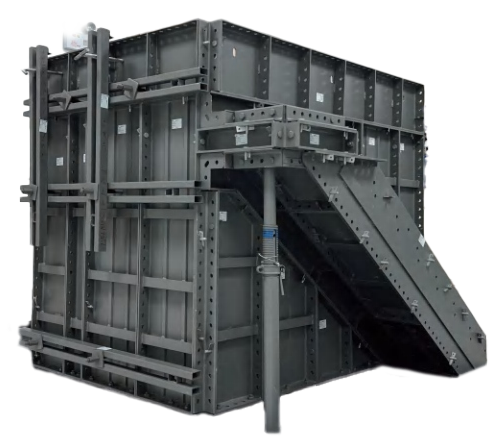
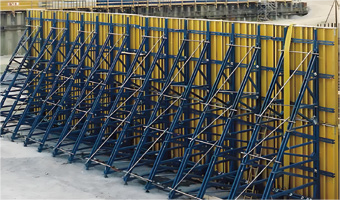
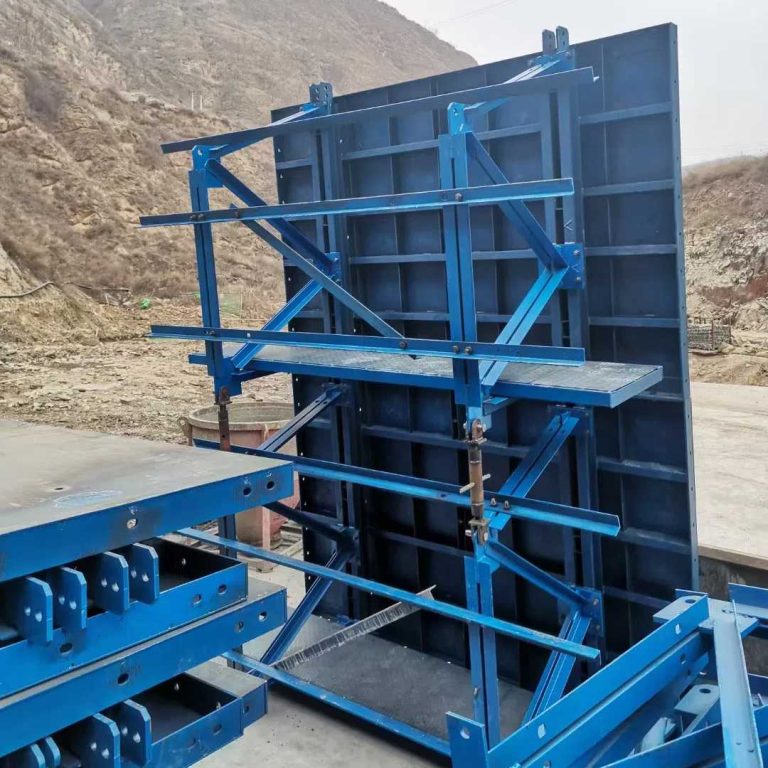
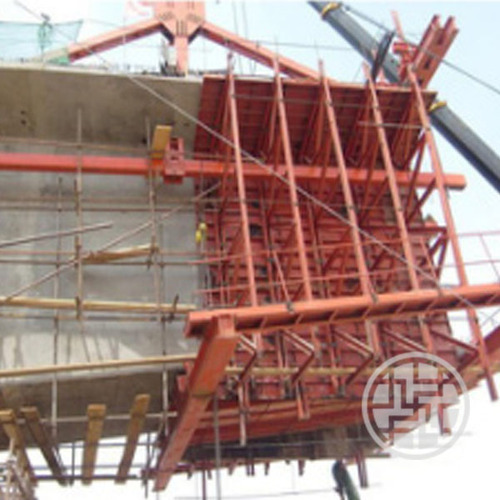
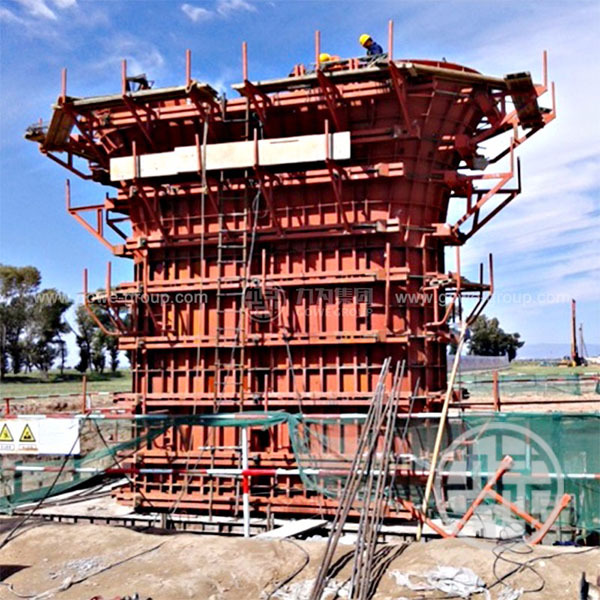
Not all temporary structures are created equal! There is ‘access scaffolding’ to provide a safe working platform, and ‘formwork’ to support and protect the concrete as it is being formed and hardens. Within the two broad categories of table formwork, aluminum formwork, and frame scaffolding, there is also much variation.
Ignoring Accessories and Inspection Needs
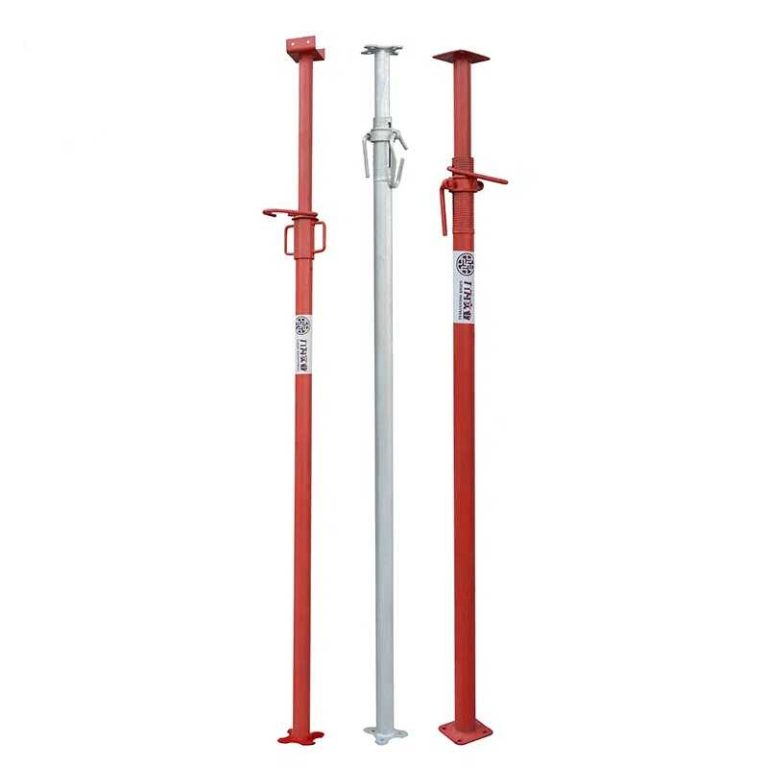
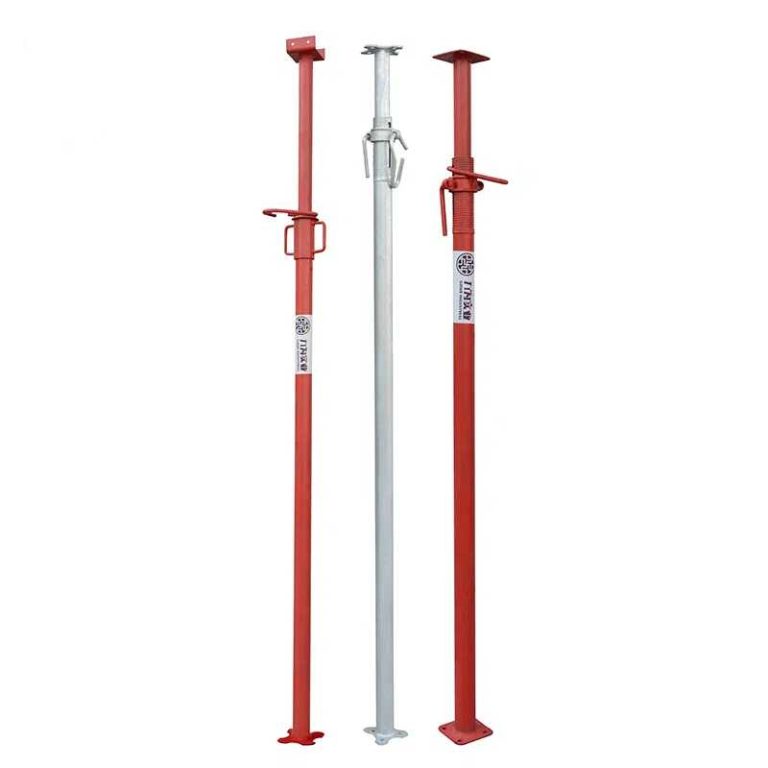
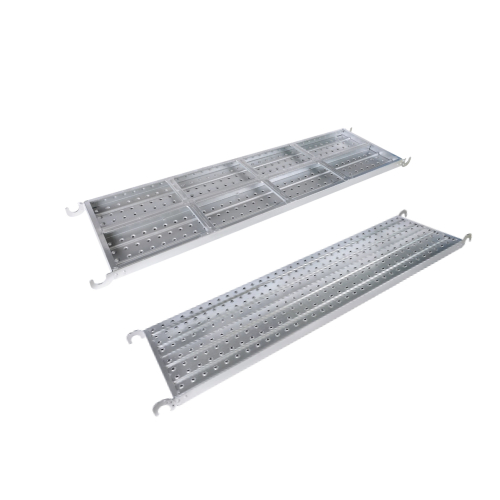
Small parts equal site safety. This includes items such as base jacks, U-head jacks, diagonal braces, guardrails, toe boards, couplers, and scaffolding planks. They all need to be planned in the beginning to avoid delays in construction and additional safety risks.
FAQ
Q: What are the main types of scaffolding used in construction?
A: The different forms of scaffolding include frame scaffolding, ringlock scaffolding, tube and coupler scaffolding, mobile scaffolding, supported scaffolding, and suspended scaffolding. These can be used for different applications, including different heights and loads, and provide different access to a site.
Q: Which types of scaffolding are best for high-rise buildings?
A: The scaffolding used in high-rise construction is mostly Ringlock Scaffolding, Self-Climbing Formwork, and Suspended Scaffolding for exterior works. GOWE also provides Aluminum Formwork and Aluminum Beams, which can be used in combination with steel scaffolding systems in high-rise construction.
Q: How long is the delivery time for different types of scaffolding?
A: The delivery time for different scaffolding types depends on a number of factors. It depends on the order quantity, the degree of individualization, the processing time needed for the steel and other production materials, and the production schedule. Depending on where GOWE is shipping from, it is possible to confirm the delivery time frame using project drawings, a product list, and the required accessories.
Q: What certificates should different types of scaffolding have?
A: Different types of scaffolding should meet the required project standards, material inspection needs, and local compliance documents. GOWE can support project documentation according to order requirements, including material-related and quality-related certificates where applicable.
Q: Which types of scaffolding help control labor and material lifespan?
A: Ringlock scaffolding is primarily used if a project requires high labor efficiency and the material is intended to be used for a long time. In that case, the scaffolding system with its modular components, fast connection, steel structure, and durable surface treatment does not require any repeated readjustment and can be assembled very fast. After disassembly, the material can be reused for a long time.