


When Does Scaffolding on Rent Make Financial Sense?
Short-Duration, Phased, and One-Off Access Work
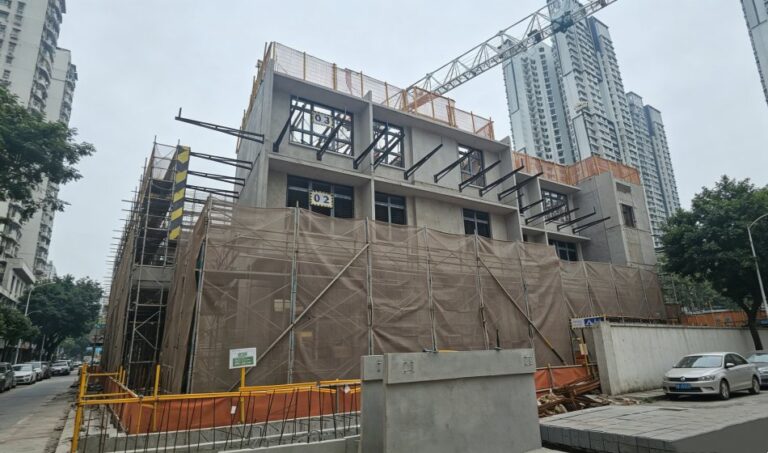
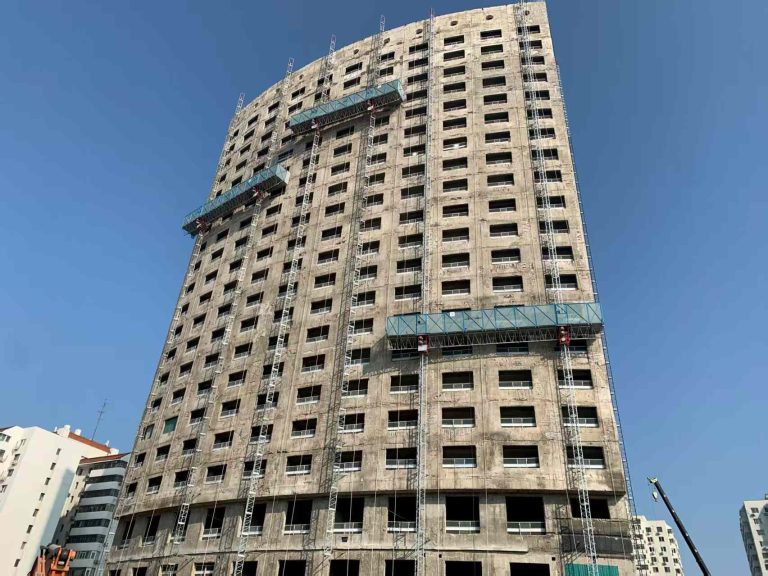
Rental is often practical for renovations, facade repairs, painting, industrial maintenance, and other short-term projects. It allows a contractor to obtain equipment for the required period without making a large capital investment.
It can also suit phased projects where scaffold quantities change as work moves between elevations or buildings. The supplier can coordinate deliveries and collections around the construction schedule instead of sending the entire quantity at once.
At GOWE, we provide leasing and project operation support for projects with different durations, technical requirements, and operating models.
Utilization Rates and Idle Equipment Costs
Buying scaffolding may look cheaper when the same system stays in regular use across several procts. Still, owned equipment grows costly if it sits unused in storage for long periods.
Before you select scaffolding for rent, compare the expected utilization rate with the rental period. A short project with heavy activity may support rental. In contrast, a program over many years with repeated setups may support purchase instead.
Storage, Maintenance, and Capital Costs
Ownership means more than the first purchase price. Contractors must also consider storage space. They need to handle inventory management. Repairs, protection from corrosion, component replacement, transport, and regular inspections add to the total.
Rental shifts some of these duties to the supplier. Even so, the contract must clearly list which services it includes. The contractor still holds responsibility for safe use. He or she must keep proper site control. The contractor must also stop avoidable damage during the rental period.
How Do You Calculate the True Cost of Scaffolding Rental?
Rental Periods, Extensions, and Off-Hire Dates
Begin by defining when the equipment must reach the site. Also, define when it can actually leave. Ask if the quotation uses daily, weekly, monthly, or project-based charging. Find out whether a minimum rental period applies.
The contract should explain how extensions receive approval. A project delay of several days can start another full billing period if the terms stay unclear. An off-hire notice should state the exact date when charges stop. It should also state how soon the supplier must collect the equipment.
Delivery, Erection, and Dismantling Costs
A basic material rate seldom shows the full rental cost. Contractors should confirm whether delivery, unloading, erection, dismantling, inspection, and collection are included.
Site conditions affect labor and transport needs. Limited vehicle access, uneven ground, restricted working hours, or multiple unloading points can raise costs. Clear drawings, site photographs, access details, and a solid program help suppliers prepare more accurate quotations.
Damage, Cleaning, and Missing Components
Rental agreements normally hold the customer responsible for lost or damaged items. Small components such as pins, wedges, couplers, base plates, and braces can create high reconciliation costs when hundreds of pieces are involved.
The quotation should define acceptable wear. It should describe damage assessment methods. Cleaning charges, replacement prices, and the process for settling differences must appear clearly. Recording quantities and component condition on delivery and on return protects both the contractor and the supplier.
Which Rental Scaffolding System Fits the Work?
Frame Scaffolding for Repetitive Facades
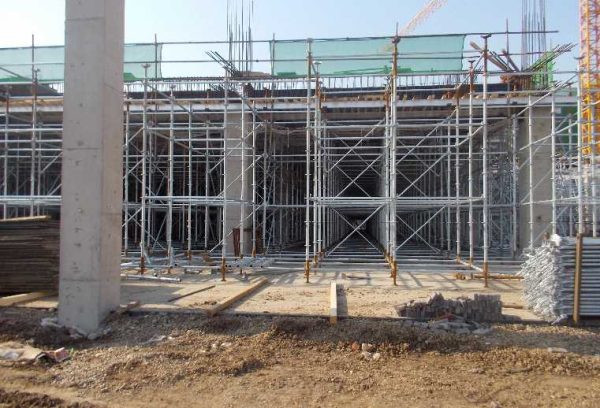
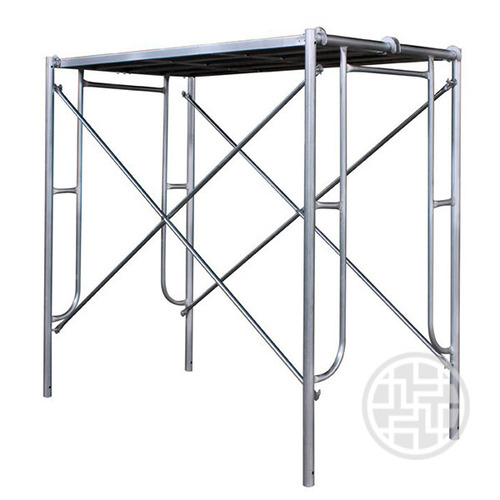
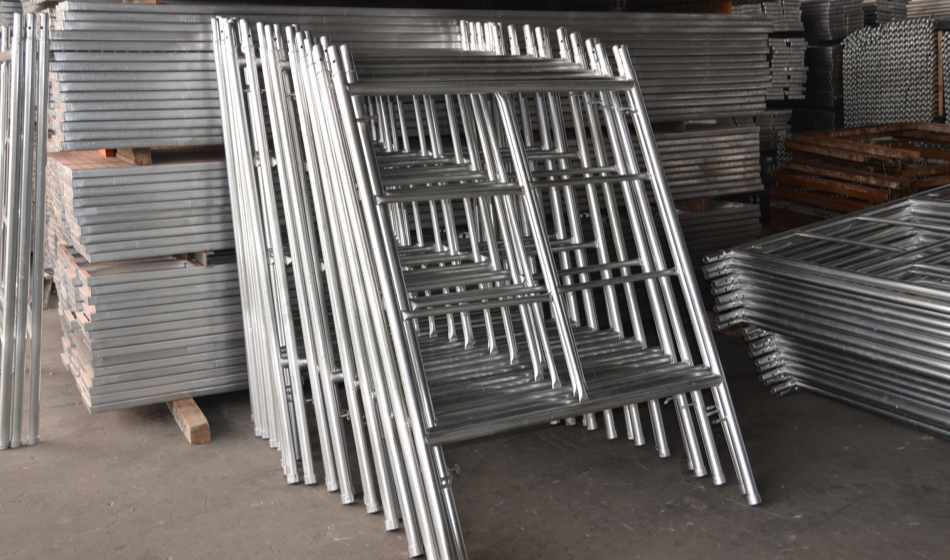
Frame Scaffolding is well suited to straight building elevations and repetitive access arrangements. Its prefabricated frames and cross braces support relatively fast assembly, making it useful for painting, masonry, maintenance, and renovation work.
Its simple configuration can help control erection labor, but the selected frame dimensions, platform levels, access points, and ties must still match the project design.
Ringlock Scaffolding for Complex Structures
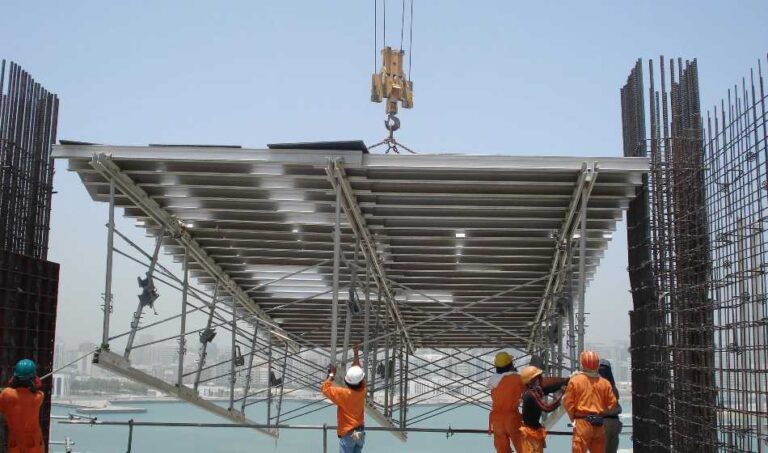
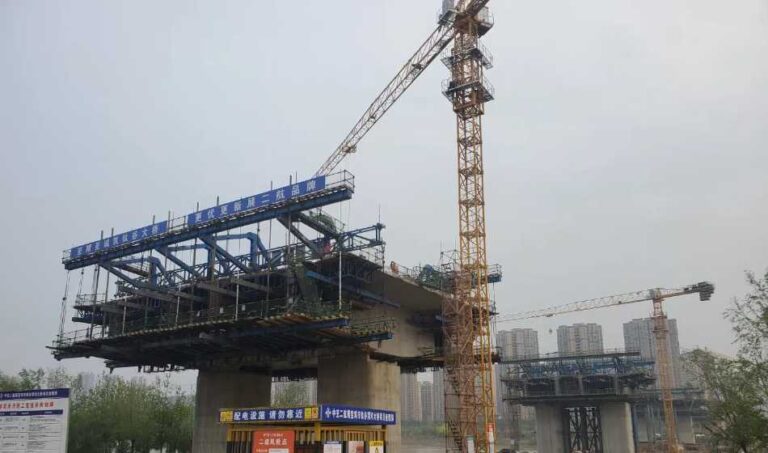
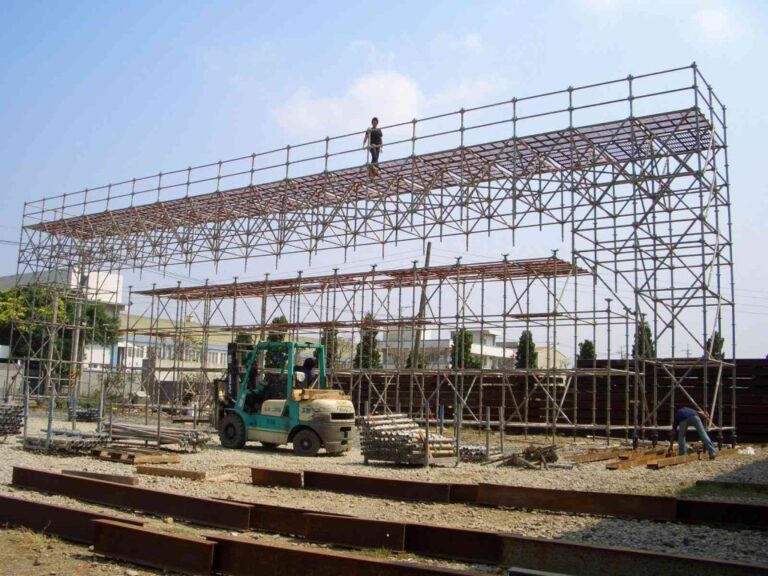
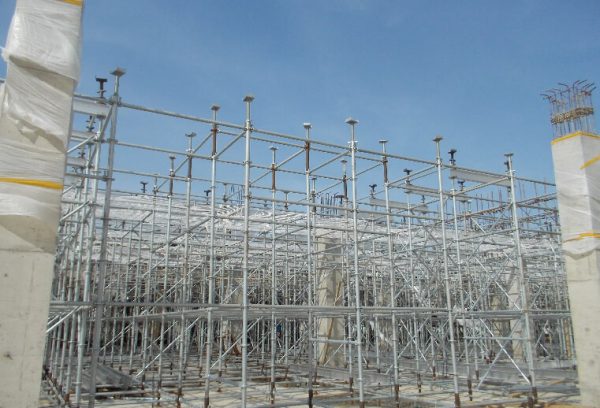
Ringlock systems provide greater flexibility for irregular layouts, industrial facilities, bridges, and structures with changing elevations. Standards, ledgers, and diagonal braces can be arranged around obstacles and adapted to different working heights.
Contractors should not select a system only because its material rental rate is lower. A modular system that reduces erection time or requires fewer site modifications may produce a lower installed cost.
Mobile Towers for Relocating Work Zones
Mobile scaffold towers can be efficient for indoor finishing, services installation, inspections, and other tasks that move frequently. They require a firm, level surface and must not be moved while workers, tools, or unsecured materials remain on the platform.
Wheel locks, stabilizers, platform access, operating height, and environmental conditions must be checked before use. A mobile tower should not replace a designed fixed scaffold where high loads, exposed locations, or complex access are involved.
What Must Be Defined in the Rental Quote and Scope?
Drawings, Load Class, and Component Quantities
The rental inquiry should explain the work activity, scaffold height, platform dimensions, intended loads, site conditions, and required access. The supplier can then determine whether engineering drawings or special calculations are necessary.
Every quotation should list the main components and safety accessories. Guardrails, toe boards, stairways, ladders, platforms, ties, base jacks, sole boards, and loading bays should not be left to assumption.
Responsibility for Erection and Inspection
The contract must establish who will erect, alter, inspect, and dismantle the structure. It should also identify who supplies competent supervision and who approves the scaffold before workers use it.
Site personnel should never remove braces, ties, guardrails, or platforms without authorization. Even a small alteration can change load paths or create an unprotected edge.
Delivery and Replacement Response
Agree on delivery dates, unloading areas, packaging methods, and the sequence in which components will arrive. A poorly sequenced delivery can leave critical parts buried under material that is not yet required.
The scope should also define how quickly damaged or missing components will be replaced. A low rental price offers little value if the project loses working days while waiting for essential items.
How Should Rental Equipment Be Checked Before Handover?
Certificates and Technical Records
Before delivery, ask the supplier for the technical documents relevant to the system and destination market. These may include product specifications, material information, test reports, quality records, and applicable compliance certificates.
Certificates should match the supplied product rather than serve as general company documents. Local regulations and project specifications remain the final basis for acceptance.
Component Condition and Compatibility
Inspect delivered components for excessive corrosion, cracks, bent tubes, damaged welds, distorted platforms, or worn locking points. Quarantine questionable items instead of installing them temporarily.
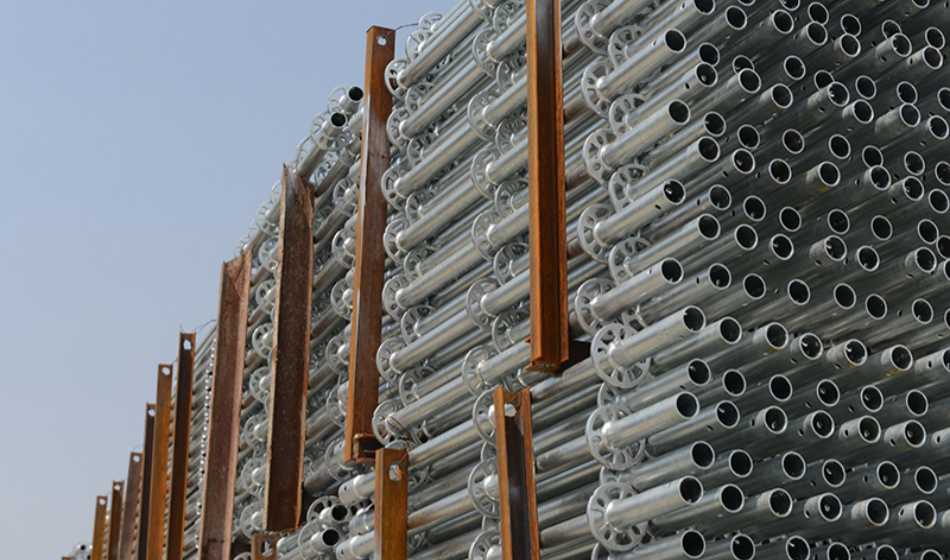
Components must also be compatible. Mixing parts from different systems or manufacturers without engineering approval can create poor connections and unpredictable structural behavior. The specifications for systems such as Ringlock Scaffolding should be reviewed before accepting substitute components.
Foundations, Ties, and Safe Access
The condition of the equipment forms just one part of a safe temporary structure. The site must supply proper foundations. It also needs sole boards or base plates. Ties, bracing, working platforms, edge protection, and safe access must all be in place.
Teams should consider weather exposure before handover. They need to look at overhead electrical lines as well. Vehicle movement matters too. Excavation edges and public access require attention. The scaffold should not be released for use until the installation follows the approved arrangement exactly.
How Can Contractors Control Cost and Safety During the Rental?
Competent-Person Inspections and Tagging
A competent person should inspect the scaffold before its first use. The same person must carry out further inspections at the intervals required by local rules. Additional checks become necessary after any alterations. They are also needed after impacts. Severe weather calls for them, too. Any event that could affect stability requires an inspection.
A clear tagging or handover system helps workers see whether the scaffold is ready for use. It shows if access is restricted or if the structure is unsafe. All inspection findings and corrective actions should be recorded. Verbal communication alone does not meet this need.
Alteration and Weather Controls
Unauthorized alterations often happen when workers seek faster access. They may also occur when materials need to be moved. Project managers should create a formal request process. This step lets qualified personnel review and carry out the changes.
Planning for the weather holds equal importance. Strong wind, heavy rain, flooding, or ground settlement can shift conditions fast. Inspections after bad weather help avoid unsafe conditions. They also reduce the chance of costly damage later.
Inventory and Final Reconciliation
Maintain an inventory from the first delivery onward. Record transfers between work areas and periodically count small or high-value components. Organized storage reduces loss, damage, and unnecessary requests for additional equipment.
Near project completion, coordinate dismantling, cleaning, counting, and collection in advance. Send the off-hire notice according to the contract and obtain a signed return record. This final control prevents rental charges from continuing after the equipment is no longer needed.
FAQ
Q: How far in advance should scaffolding on rent be booked?
A: Lead time depends on system availability, quantity, engineering requirements, destination, and transport arrangements. Contractors should request a confirmed delivery schedule after submitting drawings and project information. Large or customized configurations should be planned earlier than standard stock systems.
Q: Which certificates should accompany scaffolding on rent?
A: Required certificates vary by country and project. Buyers should request applicable compliance documents, technical specifications, material records, test information, and inspection or maintenance records. The project engineer or safety team should verify that the documents apply to the actual equipment delivered.
Q: Who is responsible for inspecting rented scaffolding?
A: The rental contract should define responsibilities, but site inspections generally need to be conducted by a competent person under applicable local regulations. The supplier’s pre-delivery inspection does not remove the contractor’s responsibility to inspect the completed scaffold before and during use.