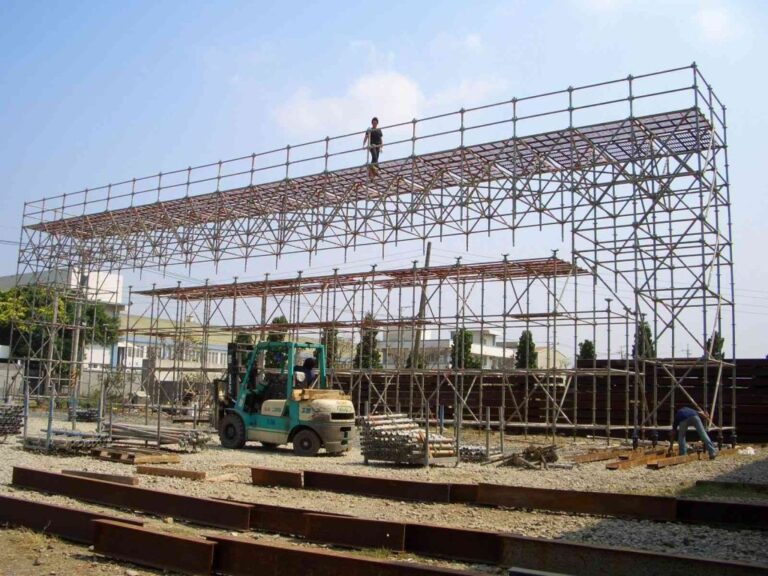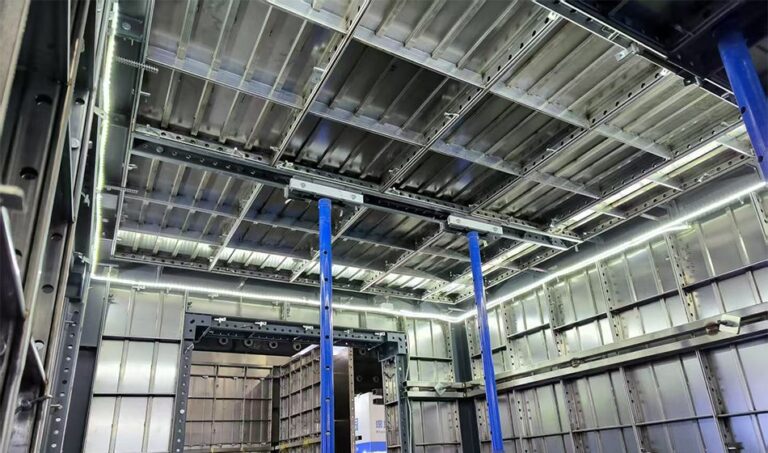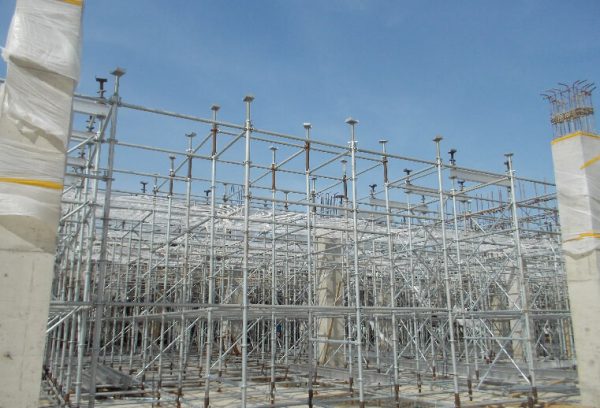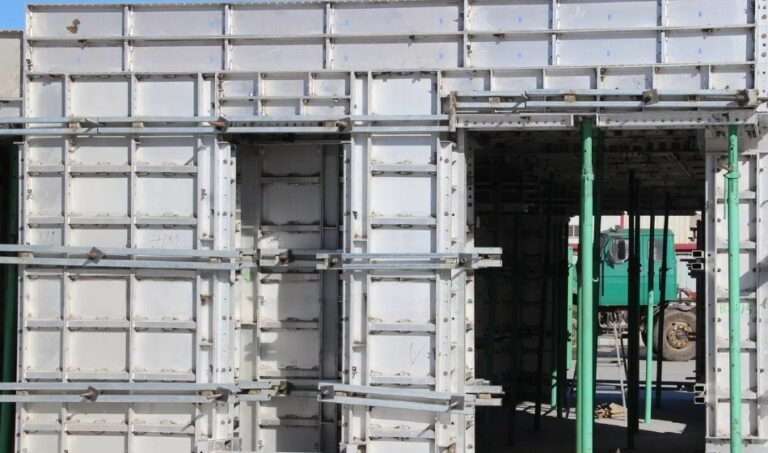



Slab formwork is temporary, but its environmental effects can continue after a concrete pour. Damaged panels, discarded plywood, lost fittings, unnecessary transport, and corrective work all consume resources. A sustainable approach begins by matching the system to the building, protecting components through every cycle, and measuring the useful service each item provides. These controls can reduce waste while supporting slab quality, safe operations, and predictable costs.
Why Slab Formwork Creates Waste Across Repeated Pour Cycles
Design Changes and Poor Panel Matching
Waste often begins before materials reach the site. If panel dimensions, slab edges, beams, or openings are not coordinated, crews may cut standard components to solve conflicts. Late changes can make prepared pieces unsuitable for the next floor. Early layout review helps reserve standard panels for repeated areas and flexible infill for irregular details.
Damage During Assembly, Stripping, and Handling
Components lose service life when they are dropped, pried from concrete, dragged, or stacked on uneven ground. Bent edges and damaged faces can cause leakage, poor alignment, and repairs. Clear lifting points, suitable tools, planned routes, and supervised stripping protect the formwork and finished slab.
Excessive Cutting of Timber and Plywood
Timber and plywood remain useful for closures and unusual geometry, but uncontrolled cutting creates unusable offcuts. A cutting schedule should group similar dimensions, use existing offcuts first, and reserve suitable pieces for edge forms or infill. The aim is to use timber deliberately.
Plan for Reuse Before Slab Construction Begins
Match the Formwork System to Floor Repetition
A one-off slab and a tower with many typical floors should not be evaluated in the same way. Repetition can justify modular panels, aluminium components, or large table units because the same arrangement can move through multiple cycles. Irregular slabs may still benefit from a mixed solution: reusable standard bays across the main deck and adaptable timber zones around changes in geometry.
Standardize Panel Zones, Edges, and Openings
Divide the slab into repeatable panel zones before procurement or fabrication. Keep perimeter strips, column interfaces, and service openings consistent where the design allows. This reduces field cutting and makes damaged components easier to replace from inventory. It also gives the site team a recognizable installation sequence, which can reduce avoidable assembly errors.
Establish a Component Inventory and Reuse Plan
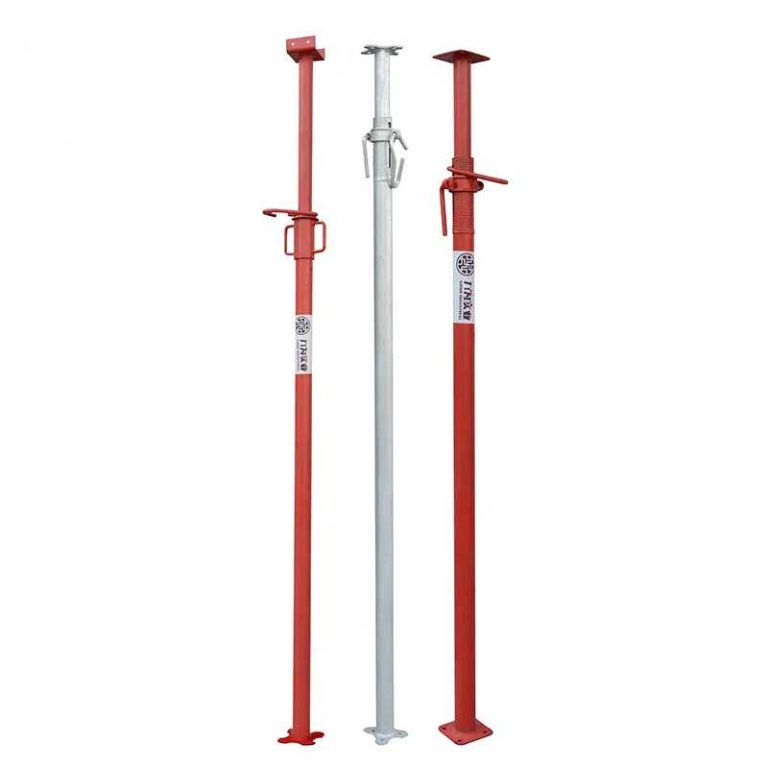
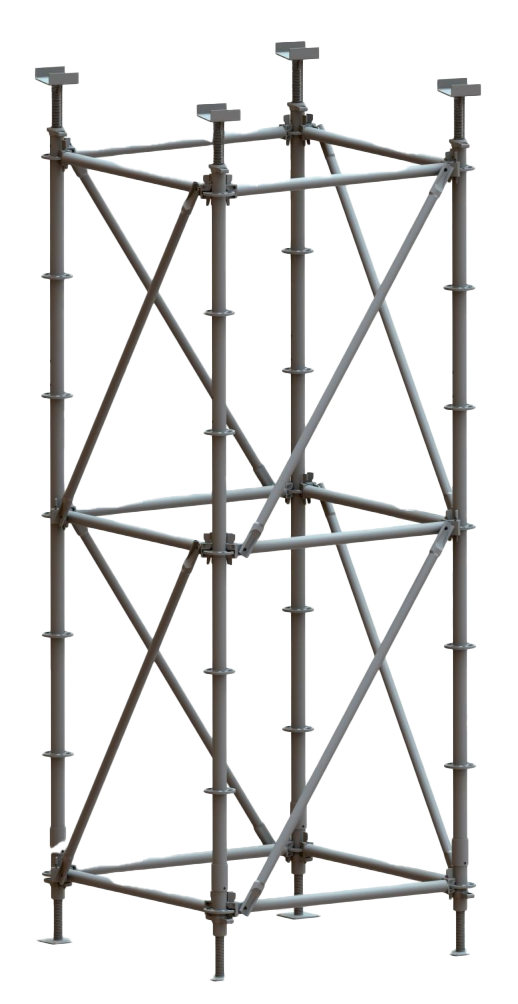
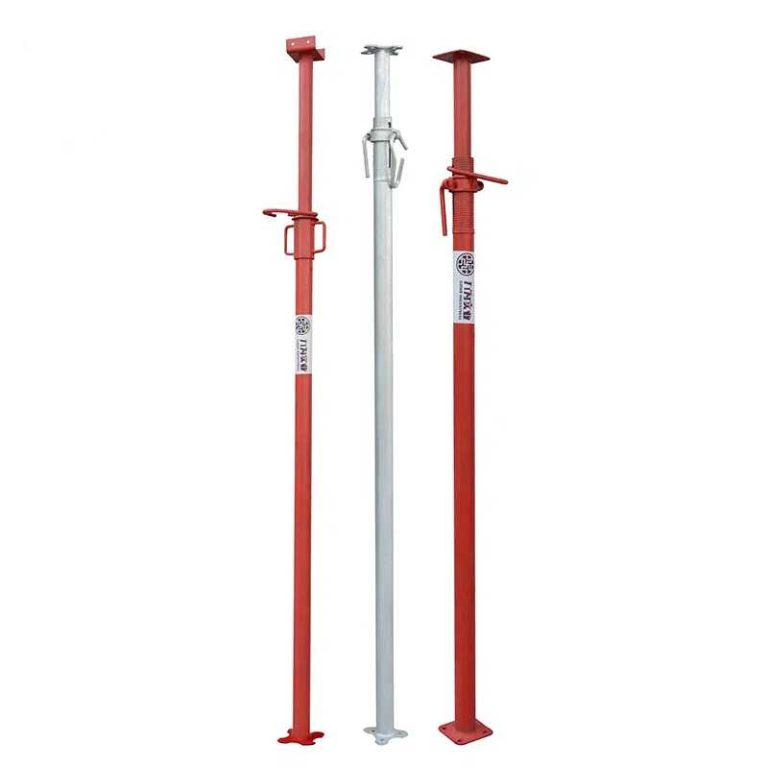
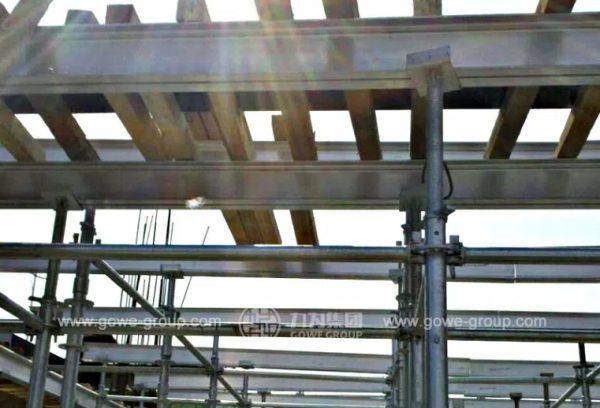
Assign component types, quantities, and zones before the first pour. Record which items remain for backpropping, move to the next floor, or require inspection. A register for panels, beams, prop heads, steel props, and fittings makes losses visible and prevents unnecessary replacement orders.
Protect Slab Formwork Through Better Site Management
Avoid Unnecessary Drilling, Cutting, and Modification
Site modifications should require approval from the formwork supervisor. Drilling a reusable panel or shortening a standard beam may solve one immediate problem but remove that component from future layouts. Where adjustment is unavoidable, teams should use designated infill pieces and record the new size so it can be planned into later pours.
Inspect Connections and Panel Surfaces Before Pouring
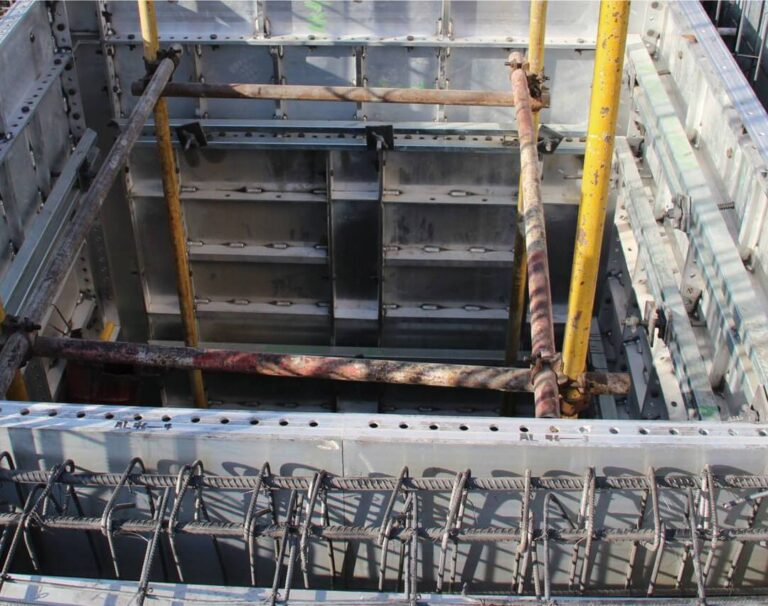
A pre-pour inspection can prevent waste that is difficult to correct later. Check joints, supports, prop heads, levels, edge forms, penetrations, cleanliness, and release-agent application. Tight joints control grout leakage, while correct alignment reduces grinding and patching. The inspection must follow the approved design and site method statement.
Clean, Repair, and Store Components Correctly
Clean panels soon after stripping with tools that do not gouge the facing. Repair minor edge damage before it becomes a larger defect, and separate unserviceable parts from components cleared for reuse. Store panels flat or in suitable racks, keep small fittings in labeled containers, and protect plywood edges and metal connections from standing water and impact.
Reduce Waste During Stripping and Floor-to-Floor Transfer
Follow Controlled Stripping and Backpropping Procedures
Formwork should be removed only under the approved stripping sequence and after the required concrete condition has been confirmed. Excessive force can damage panels, slab edges, and connections. Early removal without proper backpropping can also create structural risk. A controlled sequence protects reusable materials while keeping the support arrangement consistent with the engineer’s requirements.
Move Reusable Units Without Unnecessary Dismantling
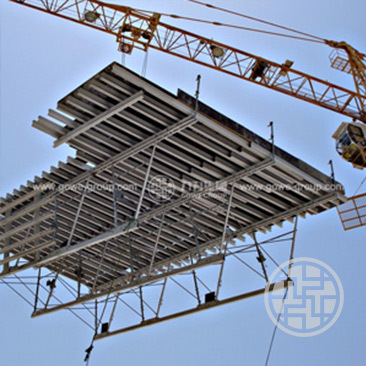
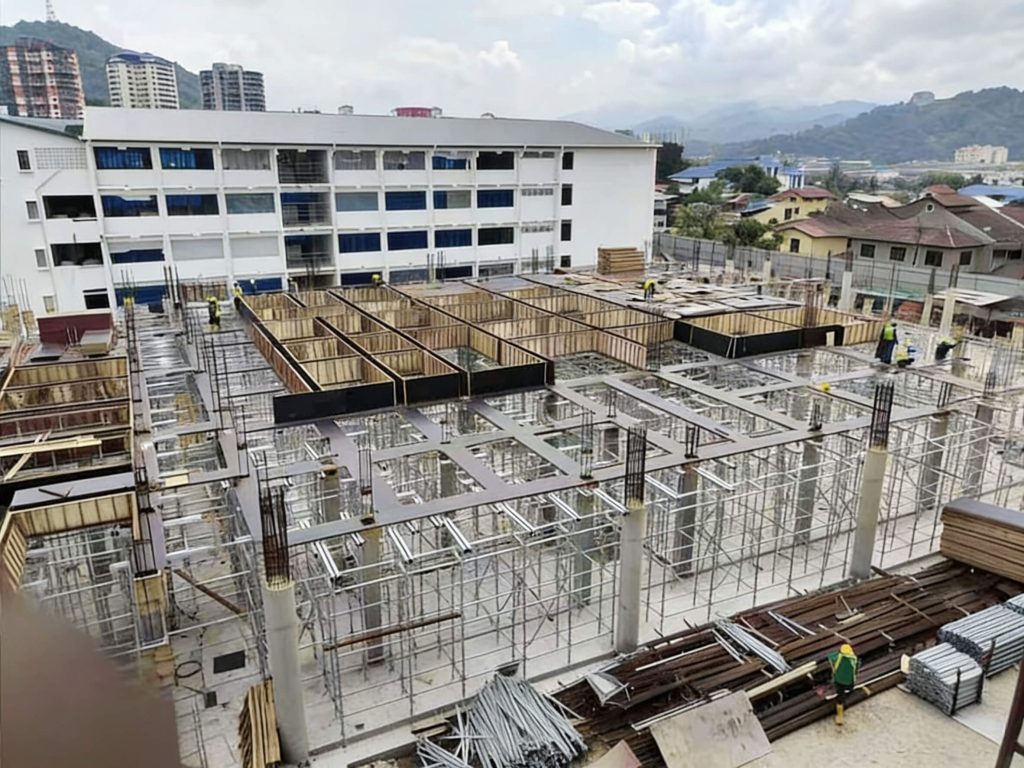
For repetitive and sufficiently open floor plates, table formwork can keep the deck, primary and secondary beams, and supports organized as a reusable unit. The table is lowered, moved to the building edge, and transferred by the planned crane or trolley method. Reducing repeated dismantling can limit handling damage and missing parts, provided access, lifting capacity, edge protection, and crane coordination have been checked.
Sort Damaged Components for Repair or Alternative Use
Not every damaged item needs immediate disposal. Establish categories such as ready for reuse, repairable, reusable in a smaller zone, recyclable, and waste. A plywood sheet that no longer meets finish requirements for a visible soffit may still be suitable for a noncritical closure if the approved design permits it. Structural components, however, must never be reused when damage compromises their specified performance.
Measure Sustainability by Service Life, Not Purchase Price
Compare Initial Cost with Cost per Reuse
Purchase price alone does not reveal environmental or commercial performance. Divide acquisition, transport, maintenance, and replacement costs by the number of successful uses. The same lifecycle view should include material losses and disposal. A system with a higher initial cost may perform better when it completes many reliable cycles, while a low-cost system may be appropriate when repetition is limited.
Include Labor, Replacement, and Rework in the Calculation
Track labor for assembly, cleaning, repairs, and transfer as well as the cost of replacement panels and fittings. Rework also matters: grout loss, surface defects, and inaccurate edges consume additional materials. The most useful comparison is project-specific and records actual outcomes rather than assuming that one material is automatically more sustainable.
Plan Component Transfer, Resale, and Recycling
Before the final pour, decide where usable components will go next. Standard items may transfer to another project, return to a rental fleet, or remain as service stock. Metal components that cannot be repaired should enter an appropriate recycling stream. Plywood and mixed materials require locally available recovery or disposal routes, so end-of-project planning should begin before demobilization.
How GOWE Supports Reusable Slab Formwork Workflows
Table Formwork for Repetitive Floor Construction
At GOWE, we configure table systems around slab dimensions, floor height, handling routes, and the planned transfer method. Keeping compatible beams, plywood facing, props, and shifting equipment in a coordinated system can make repeated use easier to manage and document.
Aluminium Formwork for Standardized Building Layouts
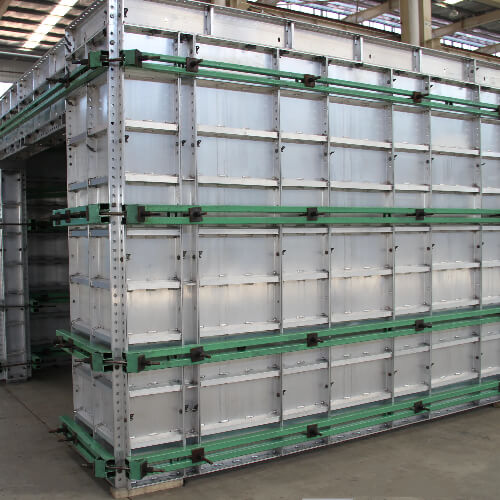
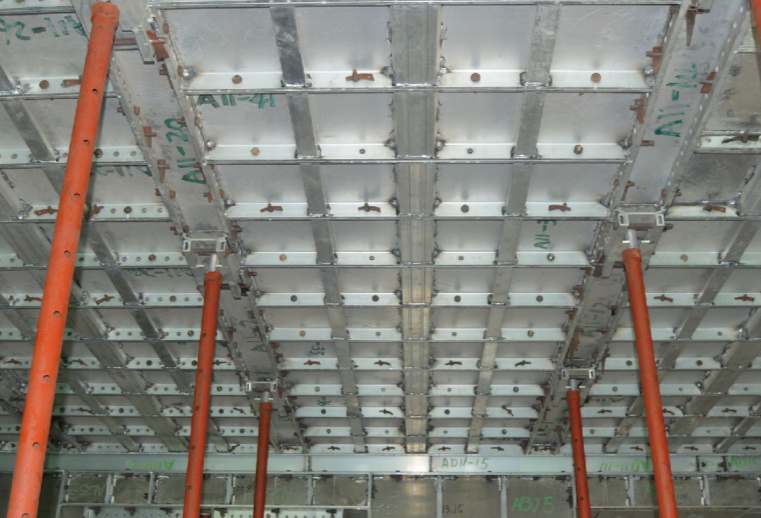
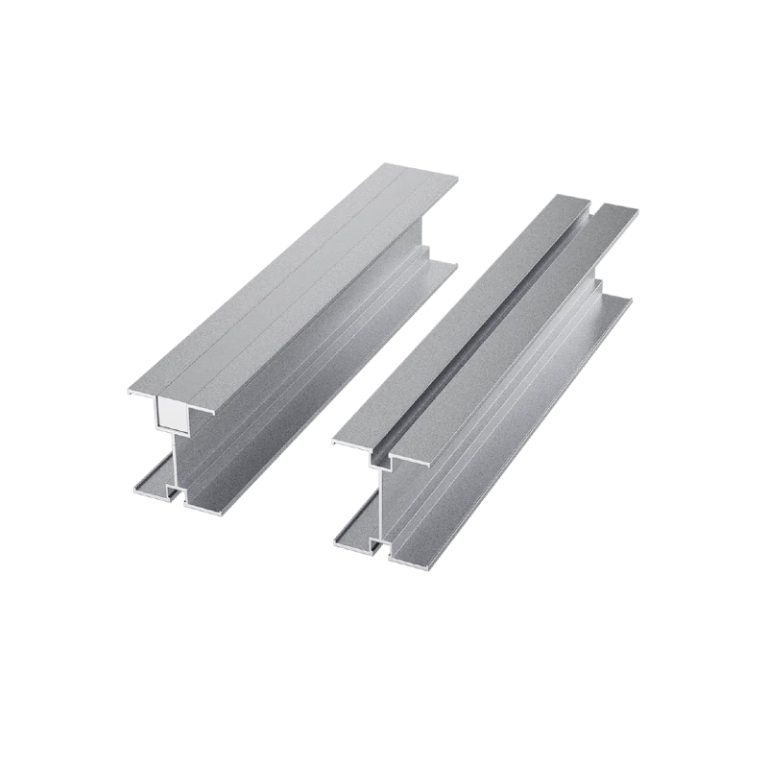
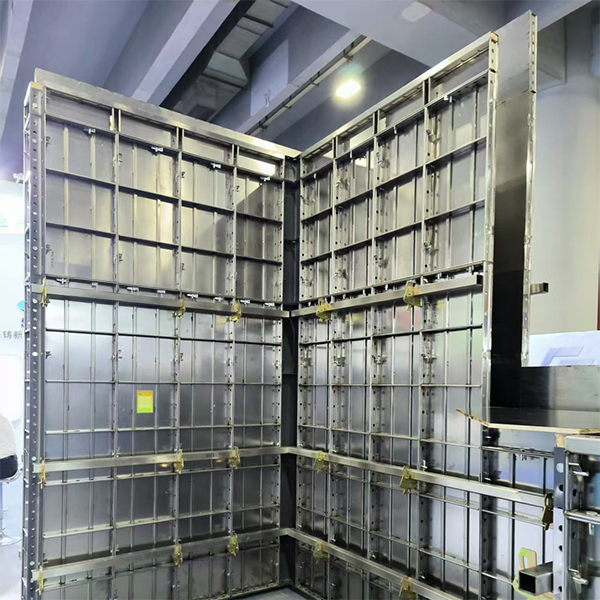
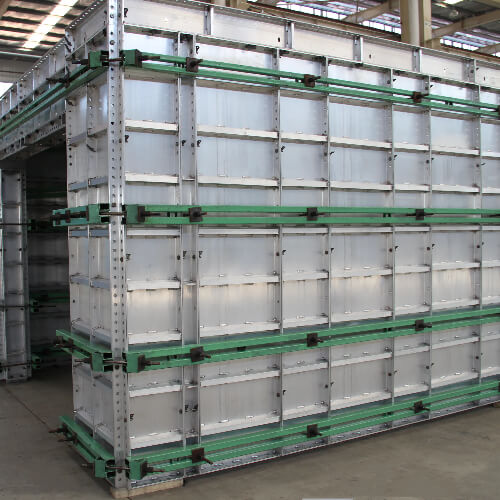
Our aluminium formwork system includes slab panels, beams, prop heads, corner connections, and adjustable steel props for coordinated horizontal work. It is most valuable when the layout provides enough repetition to use the manufactured components through many cycles. Correct cleaning, handling, and storage remain essential; material choice alone does not guarantee a sustainable result.
Project Matching, Delivery Planning, and Product Documentation
We review drawings and project requirements before confirming a system. Buyers should identify the target schedule, typical-floor quantity, delivery destination, required standards, and documentation at the inquiry stage. This allows our team to confirm scope, production needs, available inspection records, and a realistic delivery plan without assuming that one package fits every market.
FAQ
Q: Is aluminium slab formwork always more sustainable than timber?
No. The result depends on actual reuse, transport, maintenance, layout repetition, and end-of-life handling. Aluminium can provide strong lifecycle value on standardized projects, while responsibly managed timber or plywood may be practical for limited or irregular work. Compare the complete project scenario.
Q: How can contractors increase the reuse of slab formwork?
Standardize layouts, minimize field cutting, inspect before pouring, use controlled stripping tools, clean promptly, repair early, and store components correctly. Recording damage and reuse by component type helps managers address repeated losses.
Q: What is the delivery lead time for a slab formwork system?
Lead time depends on system type, quantity, customization, drawing approval, factory preparation, and destination. Standard components and project-specific aluminium packages follow different schedules. Provide drawings and the required site date when you contact GOWE so the applicable production and delivery plan can be confirmed.
Q: What certificates or documents are available for GOWE products?
Documentation depends on the product, specified standard, destination, and contract. State all certificate, material, testing, and inspection requirements before ordering. GOWE can then confirm which product certificates, material records, inspection documents, or test reports apply to the quoted package.
Q: Which sustainability indicators should a project track?
Useful indicators include successful reuse cycles, damaged or lost components, repair quantities, plywood replacement, field offcuts, rework, transport between floors, and the final route for each material. Track cost per successful use alongside material waste to support better decisions on future projects.