
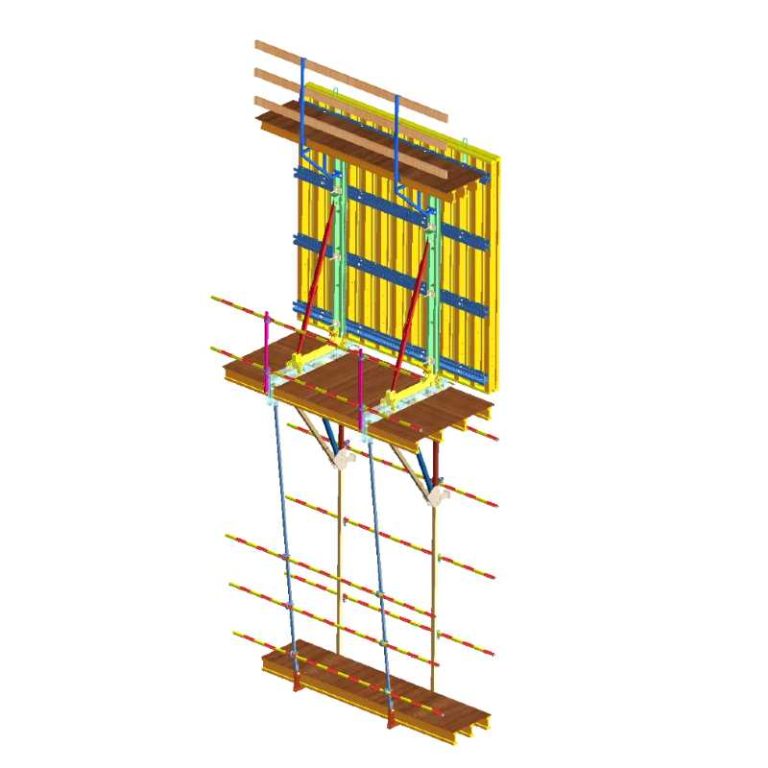
Which Is Faster: Aluminium Formwork or Timber Formwork?
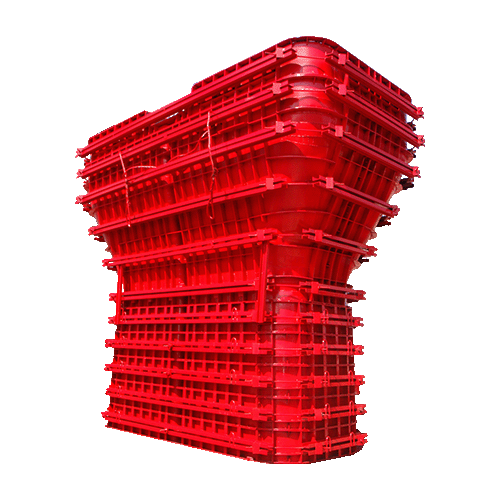
Aluminum formwork is usually faster once a project enters repetitive construction. Standard panels, consistent connections, and a planned installation sequence allow crews to establish a predictable floor cycle.
Timber formwork can be quicker during project start-up or when structural details keep changing. It can be measured, cut, and modified directly on site without waiting for customized metal panels.
The correct comparison must therefore include design, delivery, installation, stripping, turnover, and concrete repair—not installation alone.
How Do Aluminium Formwork and Timber Formwork Differ Before Construction Starts?
How Much Planning Does Aluminium Formwork Require?
Panel layouts must be coordinated with structural dimensions, openings, stairs, and MEP penetrations before production. This preparation may extend the period before the first pour, but it removes repeated measuring and cutting from later cycles.
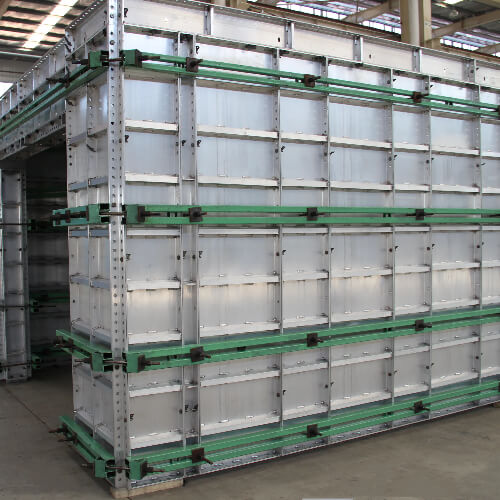
At GOWE, we design panels from approved construction drawings and conduct trial assembly before delivery. This helps identify missing components, dimensional conflicts, and installation problems before materials reach the site.
Why Can Timber Formwork Start More Quickly?
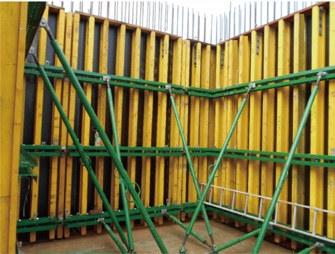
Plywood, timber beams, and supporting components are often locally available. Carpenters can fabricate the system around actual site dimensions, making traditional timber formwork practical when construction must begin before every detail is fully standardized.
Which Formwork Takes Less Time to Install?
How Fast Is Aluminium Formwork Installed?
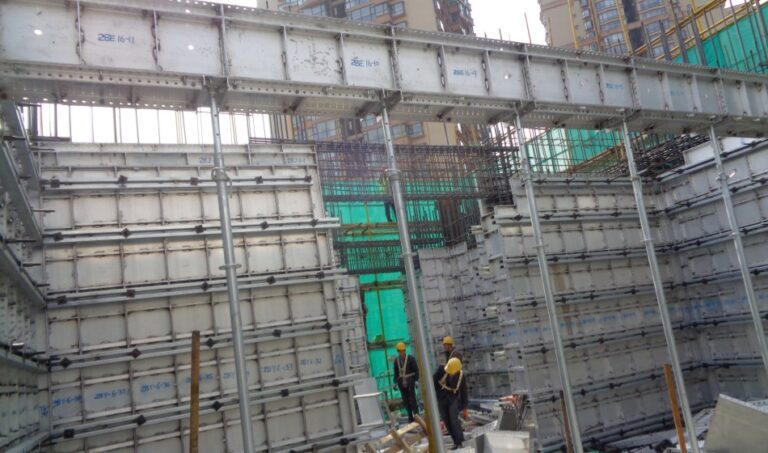
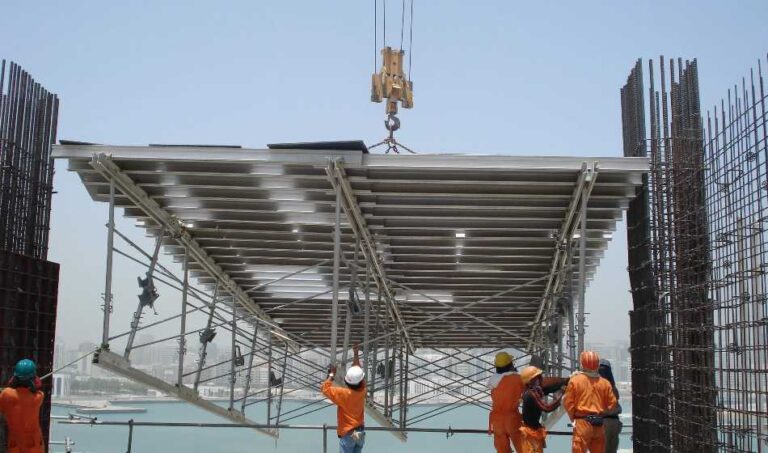
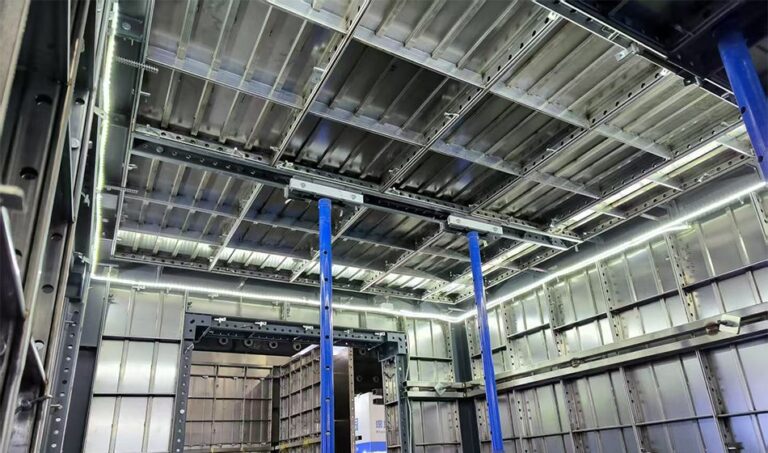
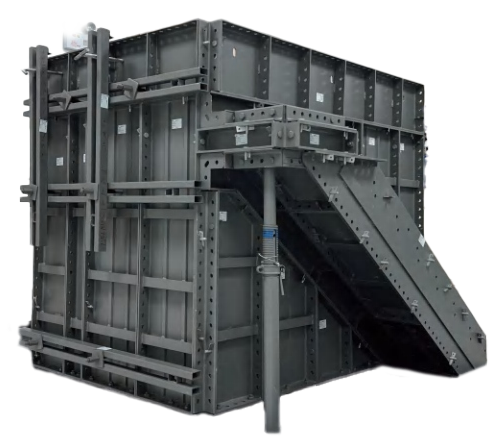
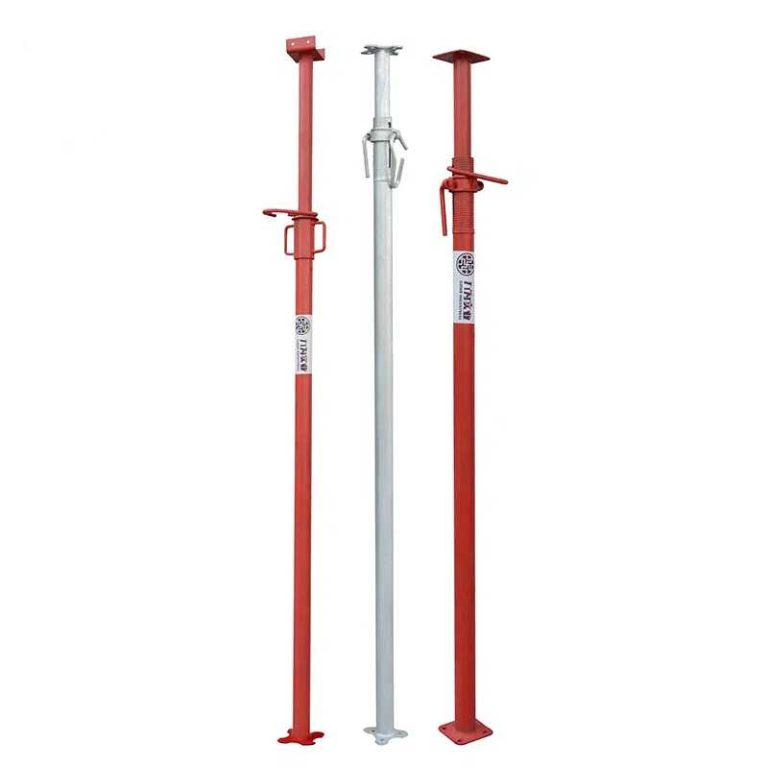
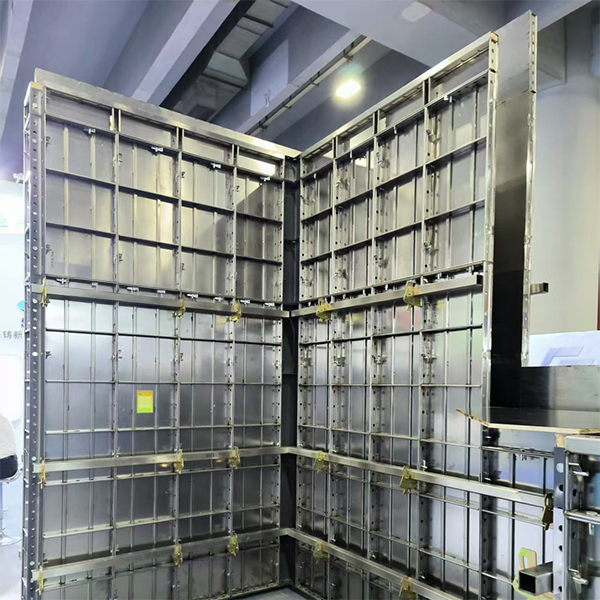
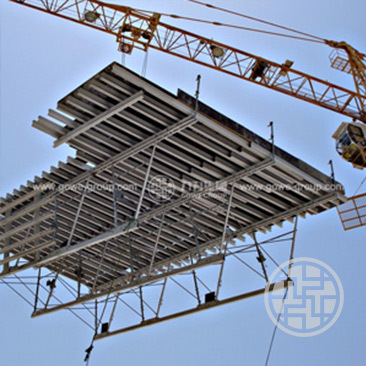
Numbered panels and repeatable connections reduce decision-making during assembly. GOWE aluminium systems combine wall, slab, and prop components so vertical and horizontal structures can be prepared for one coordinated concrete pour.
The first cycle may be slower while workers learn the sequence. After that, installation usually becomes progressively faster.
How Fast Is Timber Formwork Installed?
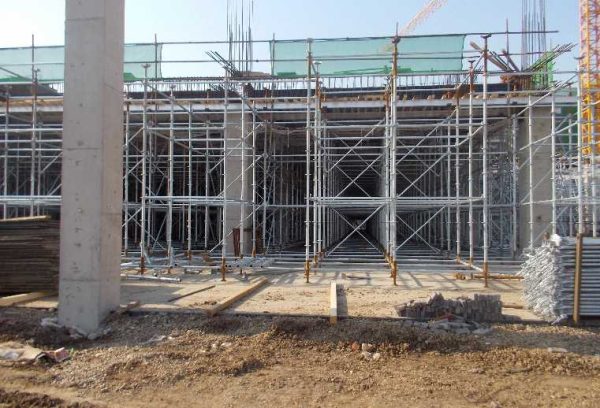
Timber installation includes measuring, cutting, fastening, bracing, and alignment. These tasks are manageable in a small area, but labour hours increase when they must be repeated across many identical floors.
How Does Crew Training Affect Installation Time?
Aluminium systems depend on standardized training and disciplined panel sequencing. Timber systems depend more heavily on carpenter experience and on-site judgment. A trained aluminium crew can repeat the same workflow, while timber productivity may vary between teams.
Which Formwork Has a Faster Floor Cycle?
How Long Does Aluminium Formwork Take per Floor?
The main advantage appears after the first few pours. With aluminium formwork for repetitive floors, installation, inspection, stripping, cleaning, and panel transfer can follow the same sequence on each level.
This creates a stable aluminium formwork construction cycle, especially when walls and slabs are cast together, and horizontal components can be stripped early under an approved reshoring plan.
How Long Does Timber Formwork Take per Floor?
Each cycle may require new cutting, damaged-sheet replacement, and dimensional adjustment. Even when carpenters work efficiently, these small tasks accumulate across a tall building.
What Can Delay Both Formwork Systems?
Concrete strength, reinforcement progress, MEP installation, inspection access, and pouring sequence can delay either system. Formwork cannot create a fast floor cycle when other trades are not coordinated.
When Does Aluminium Formwork Save the Most Time?
High-Rise Buildings with Repetitive Floors
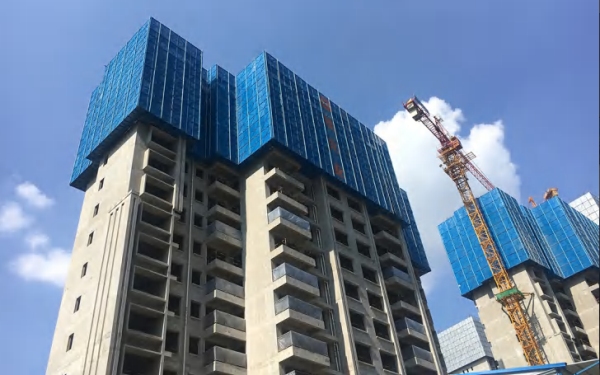
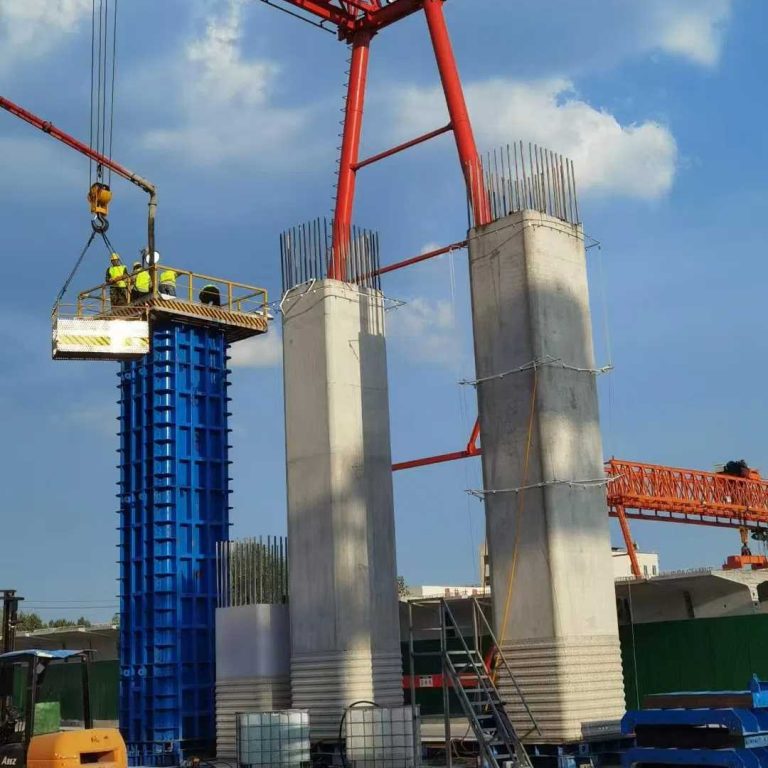
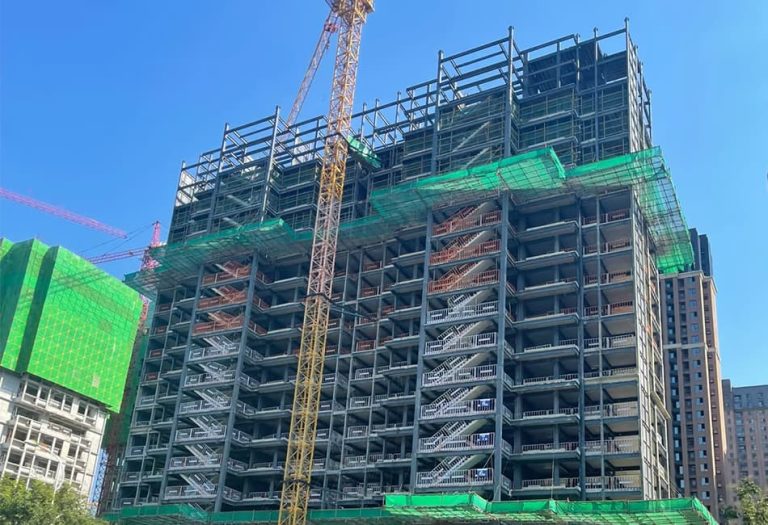
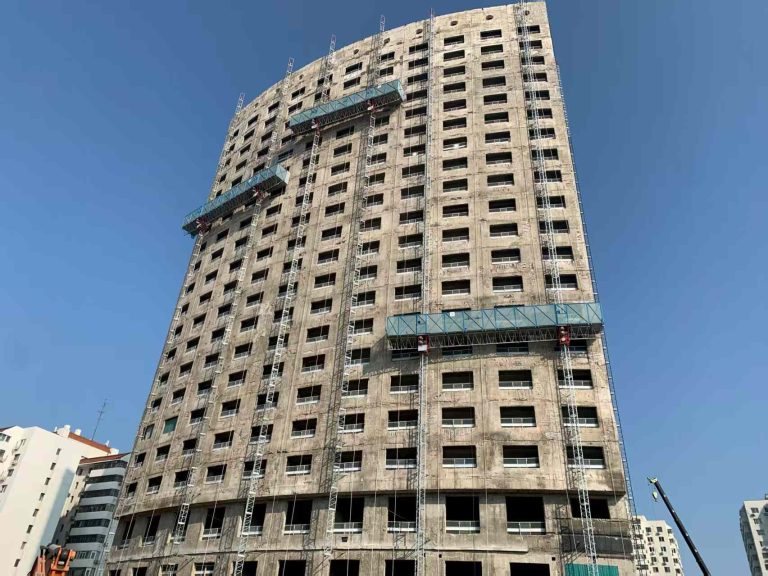
Aluminium formwork for high-rise buildings becomes more efficient as the number of identical levels increases. The initial design period is distributed across many cycles, while crews gain speed through repetition.
Large Residential and Housing Projects
Repeated apartments, standard wall dimensions, and consistent slab layouts reduce the number of special panels and site modifications.
Projects with Standardized Wall and Slab Layouts
Early design approval allows panels, openings, and MEP reservations to be coordinated before manufacturing. This is where a modular fast formwork system performs best.
Projects Requiring Consistent Construction Cycles
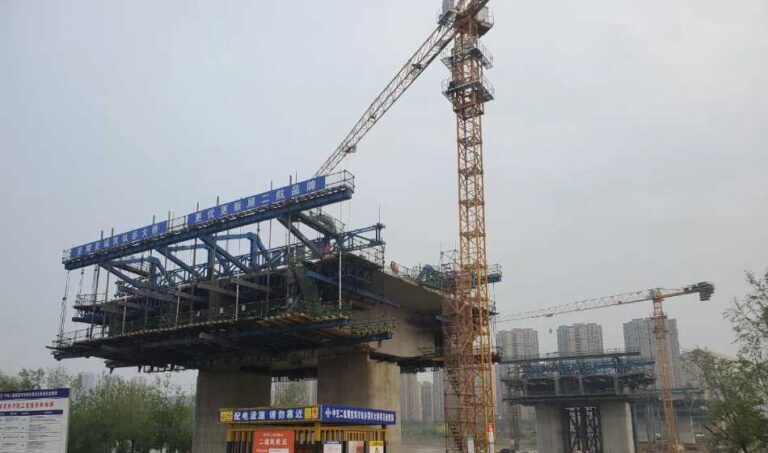
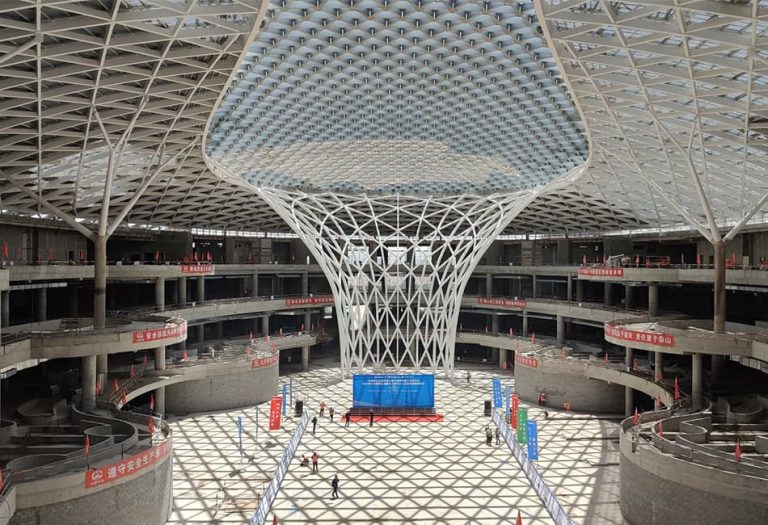
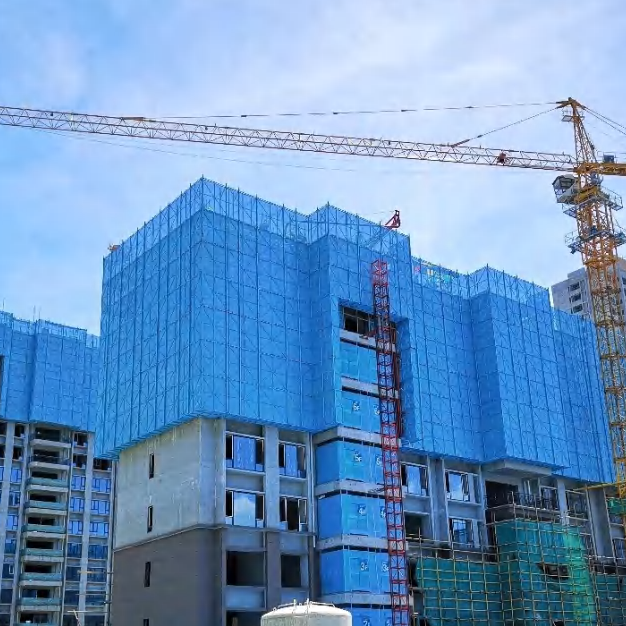
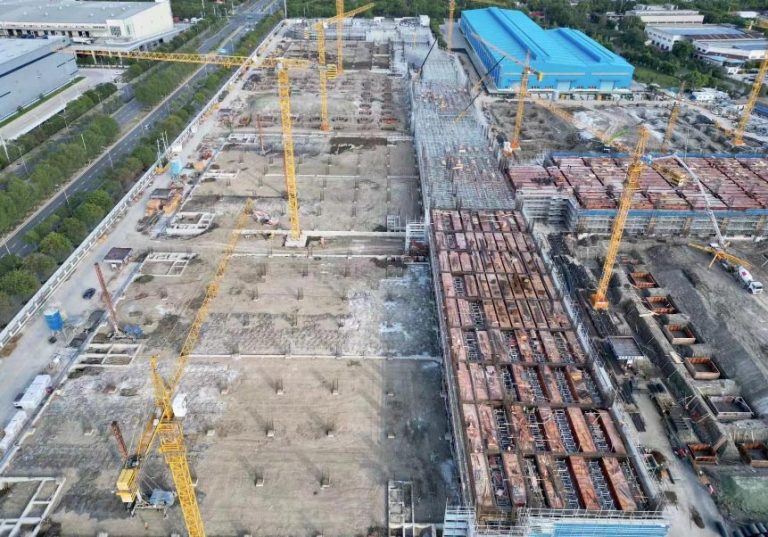
Large developments need predictable labour, concrete, and lifting schedules. At the Haitian South China Headquarters Phase II project, our participation involved the development of substantial scale and complexity. Such projects show why design coordination and standardized site execution matter as much as panel installation speed.
When Can Timber Formwork Save More Time?
Small or One-Off Concrete Projects
Timber formwork for small projects can avoid the engineering and manufacturing lead time associated with customized aluminium panels.
Irregular and Frequently Changing Structures
Timber can be recut when dimensions change. This makes it a flexible formwork system for transfer levels, unusual columns, and frequently revised details.
Curved or Customized Concrete Shapes
Timber formwork for complex shapes is often easier to fabricate around curves, slopes, and non-standard connections.
Projects That Need Immediate On-Site Adjustments
When drawings remain under revision, direct site fabrication may keep work moving. The trade-off is additional measuring, quality checking, and possible rework.
Which Hidden Tasks Affect the Total Construction Time?
How Does Formwork Affect Concrete Finishing Time?
Smooth, accurately aligned panels can reduce joint repair, plastering, and surface correction. Poorly sealed timber joints or damaged plywood may increase leakage and require patching.
How Much Time Is Spent Cleaning and Repairing Formwork?
Aluminium panels mainly require cleaning and inspection of pins and connectors. Timber may absorb moisture, warp, or suffer edge damage, creating additional cutting and replacement work.
How Do Design Changes Affect the Schedule?
Aluminium modifications may require revised drawings or supplementary panels. Timber changes are quicker on site but require renewed measurement and alignment checks.
How Should Contractors Choose the Faster Formwork System?
Choose Aluminium Formwork When
Choose it for many identical floors, finalized structural dimensions, repeated panel reuse, and a workforce able to follow standardized procedures.
Choose Timber Formwork When
Choose it for small projects, irregular structures, changing dimensions, or work requiring immediate site fabrication.
Consider a Hybrid Formwork Approach
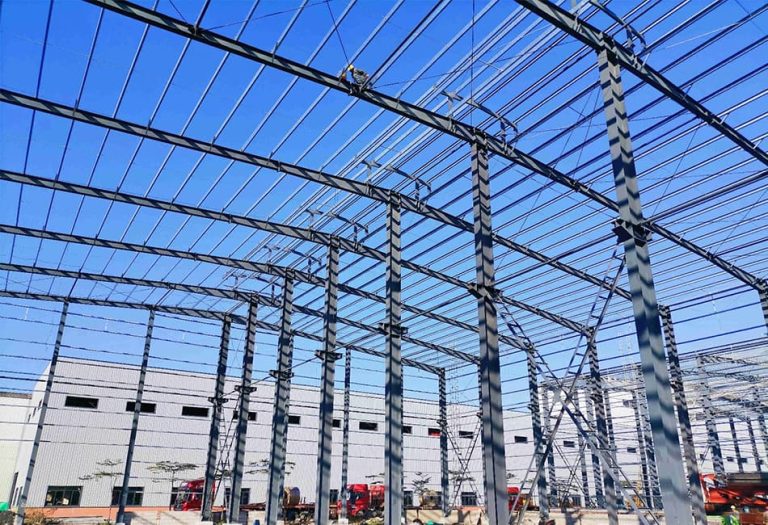
Use aluminium in repetitive zones and timber around special details. Our Goodman Huiyang Industrial Park reference covered 14 warehouses within a 435,000-square-metre construction area. On multi-building developments of this type, separating repeatable zones from special structural areas can prevent a few complex details from slowing the complete programme.
FAQ
Q: Is aluminium formwork faster than timber formwork?
A: It is generally faster on repetitive floors after the initial design and crew-learning stages. Timber may be faster for immediate start-up or one-off structures.
Q: Is timber formwork suitable for small projects?
A: Yes. Timber formwork for small projects avoids customized panel production and can be fabricated from locally available materials.
Q: How does the aluminium formwork construction cycle save time?
A: Standard panels allow installation, stripping, cleaning, and turnover to follow a repeatable sequence on every typical floor.
Q: Can aluminium formwork for high-rise buildings handle design changes?
A: Minor adjustments may be possible with fillers or supplementary panels, but major changes should be finalized before production.
Q: Can aluminium formwork and timber formwork be used together?
A: Yes. A hybrid system can use aluminium for standard walls and slabs while timber handles curves, transfer levels, and irregular concrete details.