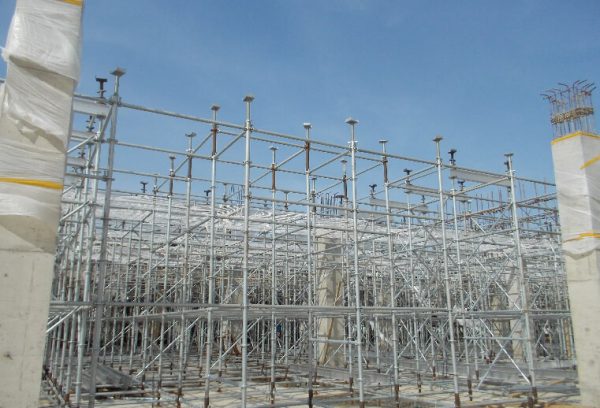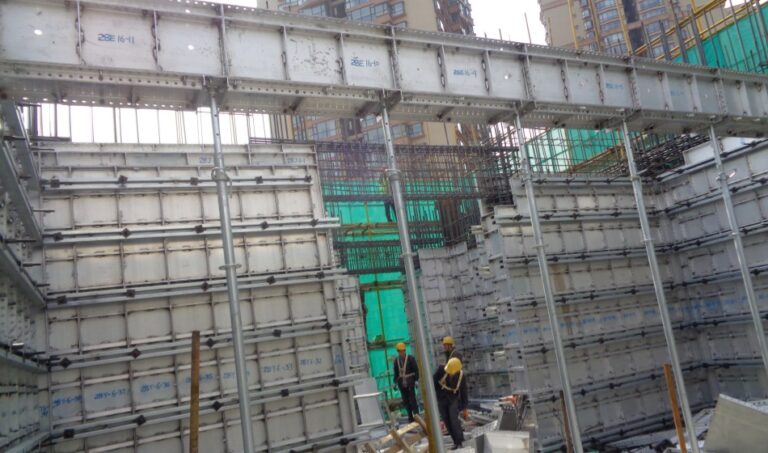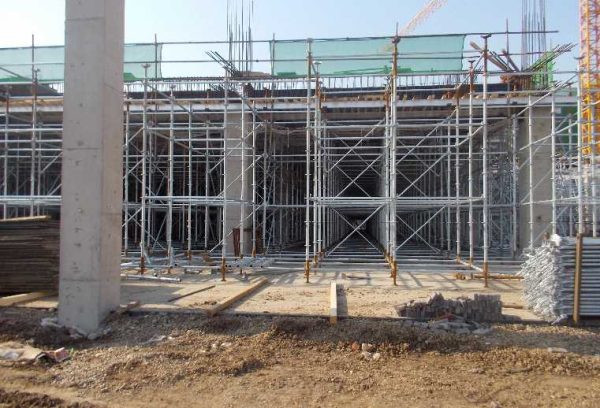





Access towers deliver better results when they are considered during project planning rather than treated as temporary solutions after equipment arrives on site. Contractors need to define where elevated work will take place, how frequently workers need access, how the tower will be transported and positioned, and who will inspect and approve it before use. Early coordination helps prevent delays caused by unsuitable equipment, missing components, unnecessary relocation, and conflicts with other trades.
Why Should Access Tower Planning Start Before Delivery?
How Does Early Planning Prevent Access Problems on Construction Sites?
Early planning helps identify working areas and access requirements before access towers are ordered. The right tower should be selected based on the actual task, required working height, number of users, tools and materials involved, access routes, and site conditions. This ensures the equipment matches the construction environment and becomes part of the planned workflow rather than an afterthought.
What Project Information Should Be Confirmed Before Ordering Access Towers?
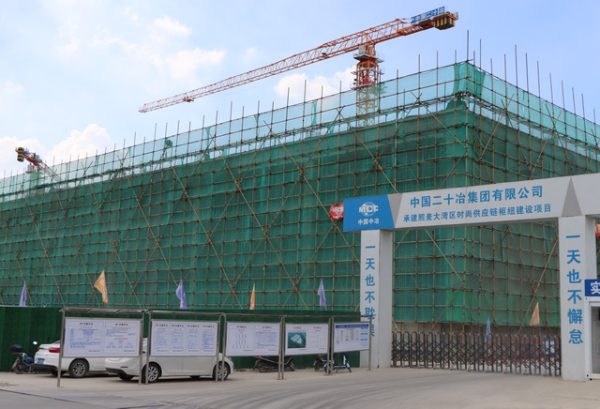
Confirm the working locations, required height, access frequency, indoor or outdoor conditions, and number of working areas. Also confirm whether the tower must pass through corridors, unfinished floors, ramps, gates or temporary roads. These points matter more at ordering stage than specifications alone because they describe the real access duty.
How Can Access Tower Planning Support Different Construction Stages?
Structural work, MEP installation, finishing work and maintenance tasks often need different access patterns. A tower used for repeated ceiling work may need frequent relocation, while finishing tasks may need tighter floor protection. For related safe-use decisions, contractors can compare this planning approach with our guide to choosing and using access towers safely.
How Should Contractors Prepare Access Towers Before They Arrive on Site?
How Should Delivery Routes and Storage Areas Be Planned?
Plan the unloading location, site access route, temporary storage area and component protection before delivery. Large projects may have cranes, concrete trucks, material hoists and pedestrian routes competing for space. A delivery plan should show where components are received, protected from impact or loss, and moved to the first assembly area.
What Site Conditions Should Be Checked Before Access Tower Installation?
Check ground condition, floor capacity, working area clearance and overhead hazards. Tower stability depends on firm, level ground, correctly supported and locked castors or base plates, and stabilisers or outriggers when required by the instructions. Bricks and building blocks are not suitable substitutes for proper support, so the installation area must be ready before assembly starts.
How Should Access Towers Be Coordinated with Other Site Activities?
Coordinate access towers with cranes, material movement, pedestrian routes and other trades. Before a move, check overhead power lines and obstructions, ensure ground is firm, level and free of potholes, and do not move while people or materials remain on the tower. When these rules are built into the look-ahead schedule, the tower supports work instead of blocking it.
What Should Be Checked When Access Towers Are Delivered to Construction Sites?
How Should Access Tower Components Be Verified After Delivery?
After delivery, verify quantity, visible damage, missing components and identification records. Guardrails, toeboards, bracing and proper access are required system components, and leaving required parts out can change the approved configuration. A receiving checklist should separate damaged, incomplete and ready-to-assemble components so assembly crews do not discover shortages at height.
Why Are Delivery Documents Important for Access Tower Management?
The manufacturer, supplier or hirer should provide an instruction manual covering the erection sequence, bracing requirements and safe erection height. Delivery documents also help site teams connect product information, inspection records, assembly instructions and maintenance information. Without documents, supervisors cannot easily confirm whether the tower being approved matches the supplied system.
How Can Contractors Organize Access Tower Components Before Assembly?
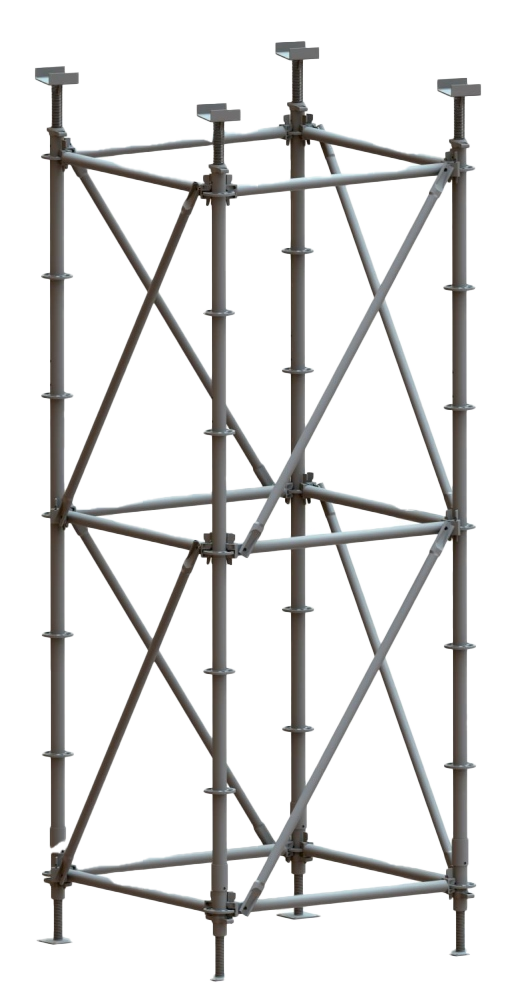
Classify components by tower set, level, function and condition. Store platforms, frames, braces, guardrails, castors and stabilisers so they are visible and countable. This prevents loss, protects parts from deformation or contamination, and improves assembly efficiency when multiple towers are being prepared at the same time.
How Are Access Towers Approved Before Workers Use Them?
What Should Be Included in an Access Tower Pre-Use Inspection?
A pre-use inspection should check correct assembly, access platform condition, guardrails, stability and working condition. It should also confirm castor locks, base support, stabilisers or outriggers, bracing, safe internal access and the absence of broken or incompatible components. The aim is project approval for that tower in that location, not a general statement that all towers are safe everywhere.
Who Should Approve Access Towers Before Site Use?
Towers should be erected by trained and competent people. Inspection after assembly and at suitable regular intervals should be handled by a competent person, with the site supervisor and safety personnel confirming the approval status before users enter the platform. Users still have responsibility to check the visible condition before each shift and report changes.
What Records Should Be Maintained After Access Tower Approval?
Keep records for inspection date, location, approval status, restrictions and follow-up inspections. If an inspection shows that work cannot continue safely, work should stop and faults should be corrected before release. The record should show who approved the tower and whether it can be moved, modified or used only in a defined zone.
How Can Large Projects Manage Multiple Access Towers Efficiently?
Why Is Access Tower Tracking Important on Large Construction Sites?
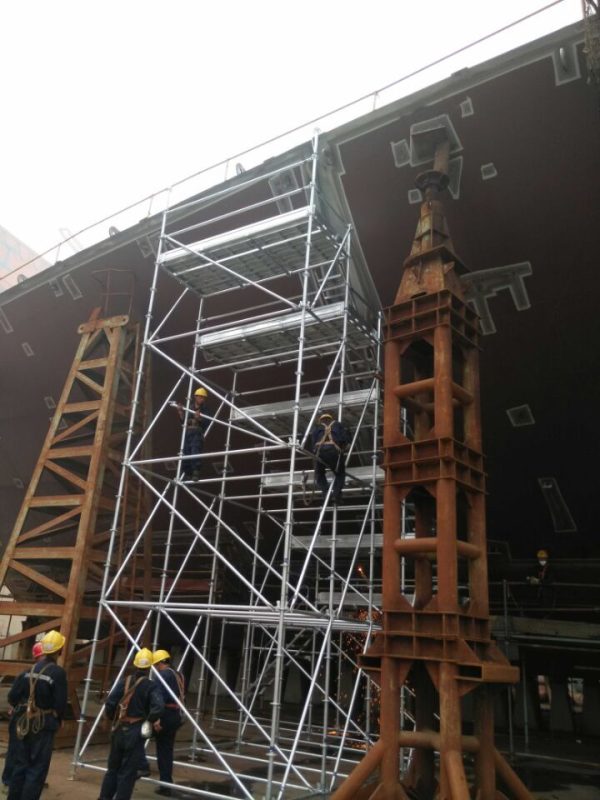
Large sites may use several towers across different floors, zones and trades. Tracking location, user group, inspection status and maintenance records prevents one tower from being used after relocation without approval. It also helps supervisors see whether a tower is idle, waiting for inspection, damaged, or assigned to a later construction stage.
How Can Standardized Access Tower Planning Improve Site Coordination?
Standardized planning gives contractors consistent procedures, easier training, reduced confusion and faster deployment. The same receiving checklist, storage method, pre-use inspection form and approval label can be repeated across work areas. This does not remove site judgment; it gives site teams a common workflow for making decisions.
When Should Contractors Consider Different Scaffolding Solutions Instead?
Access towers suit light access work, short-duration tasks and localized work areas. Complex facades, long work fronts, heavy material handling or irregular structures may need ringlock scaffolding, frame scaffolding, tube and coupler scaffolding, or other scaffold systems. GOWE works across formwork and scaffolding solutions, and our Ringlock Scaffolding includes system context for broader project-approved configurations.
How Can Suppliers Support Better Access Tower Project Planning?
Why Does Technical Support Matter Before Access Tower Delivery?
Technical support matters because the planning risk appears before delivery. A supplier can review the project, discuss application advice and help confirm the configuration approach before components reach site. This is especially important when access towers interface with temporary floors, facade work, MEP zones or changing construction stages.
How Can Customized Solutions Improve Access Tower Deployment?
Customized solutions improve deployment when they connect access planning with project constraints. GOWE provides project-based scaffolding support across research and development, production, sales, leasing, construction and operation. Through our tailored formwork and scaffolding solutions, we can support planning conversations around system selection, delivery coordination and construction use.
What Should Contractors Expect From an Access Tower Supplier?
Contractors should expect product documentation, delivery coordination, technical communication and after-sales support. They should also expect clear limits: exact configuration, load, height and compatibility for a specific tower must come from the applicable manufacturer instructions and project approval. A responsible supplier helps the contractor make that approval process easier to manage.
FAQ
Q: What information should be prepared before ordering access towers?
A: Prepare work locations, required height, access frequency, indoor or outdoor conditions, number of work areas, access routes, floor conditions and delivery constraints before ordering access towers.
Q: How should access towers be delivered and stored on construction sites?
A: Access towers should be delivered to a planned unloading area, checked against delivery records, sorted by component type, protected from damage and stored where assembly crews can count and retrieve parts efficiently.
Q: What should be checked before approving access towers for use?
A: Check correct assembly, platform condition, guardrails, toeboards, bracing, base support, castor locks, stabilisers or outriggers, safe access, working condition and any restrictions for that location.
Q: Who is responsible for inspecting access towers before site use?
A: A competent person should inspect access towers after assembly, while supervisors and safety personnel manage the approval chain and users report visible changes before and during use.
Q: How can access tower planning improve construction site efficiency?
A: Access tower planning improves efficiency by matching equipment to the work area, avoiding missing components, reducing delivery conflicts, speeding approval and helping large projects track tower status across multiple zones.