

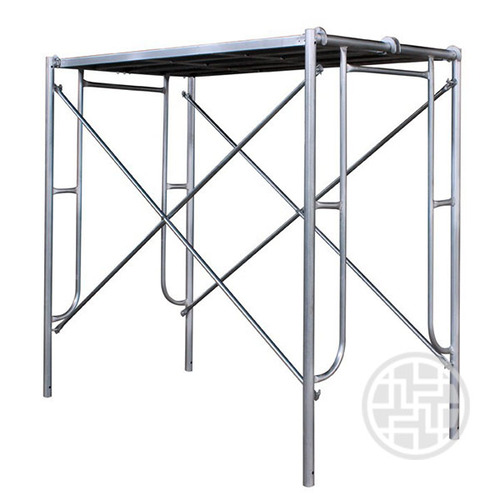

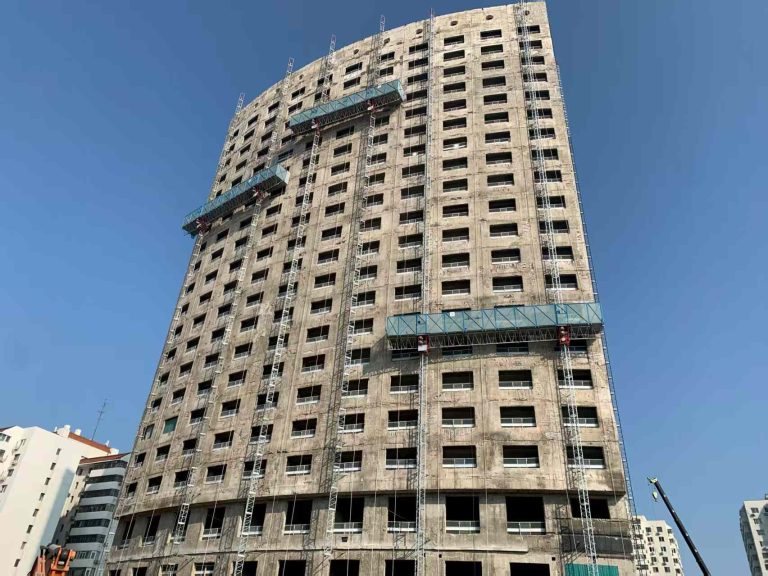

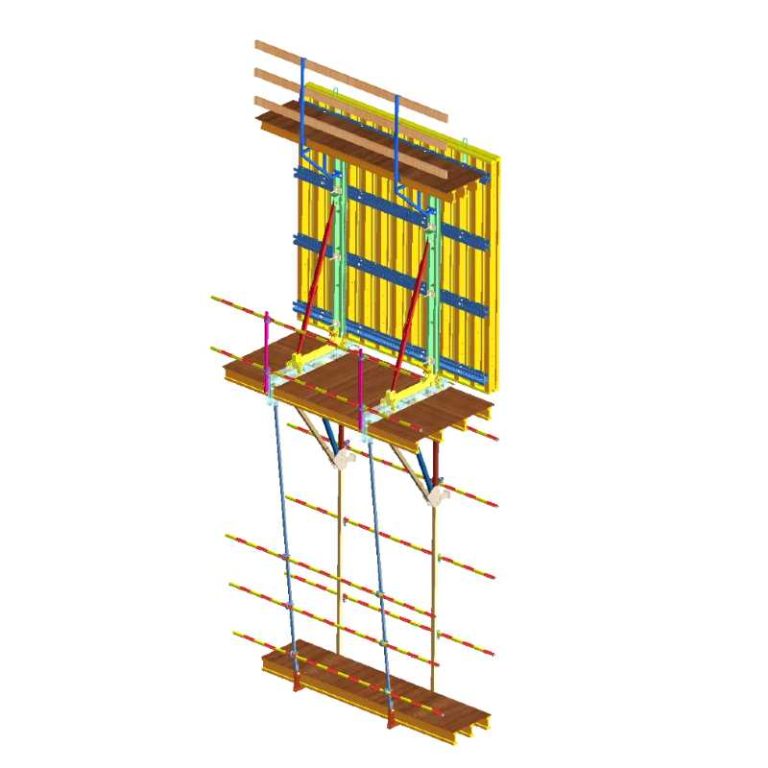
Access towers provide a guardrail-protected platform positioned close to elevated work. Choosing the right tower safely involves more than checking height; contractors must also consider the work package, materials, access route and surrounding site activity.
When Are Access Towers the Right Choice for a Construction Task?
Which Jobs Need a Guarded Platform Instead of a Ladder?
Access towers are suitable when installation, finishing, mechanical, electrical and plumbing (MEP), or maintenance crews need both hands free, must carry tools, work at height for an extended period or climb repeatedly. A ladder may still be appropriate for brief, light-duty tasks when permitted by the risk assessment, but it should not replace a proper working platform.
When Are Access Towers Too Limited for the Work Area?
Long, continuous façades may require a wider scaffolding system. Heavy materials may exceed the available platform space or load capacity, while complex overhangs can require an engineered access solution. When crews must constantly reposition the tower or reach outside its footprint, the access tower is no longer well matched to the task.
How Do Task Duration and Repositioning Frequency Affect the Decision?
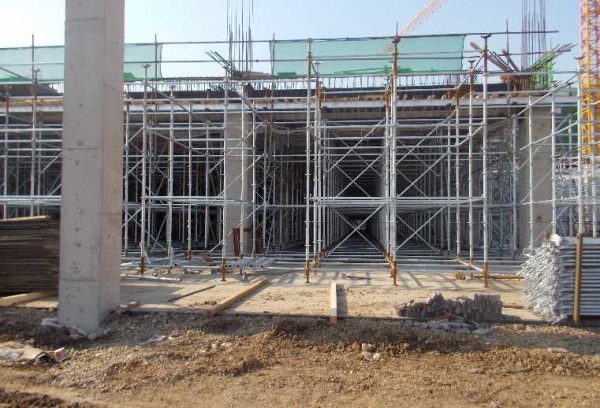
Compare setup time with useful platform time and how often the tower must move. A mobile configuration can suit repeated work points on a controlled route; long-term fixed work may justify another solution. The mobile scaffold selection guide adds context, but the manufacturer-approved configuration controls the decision.
How Do You Choose Access Towers Around the Work Package?
Separate Platform Height From Working Height and Required Reach
Platform height refers to the level where the worker stands, while working height is a planning estimate and required reach is the actual position of the worker’s hands and tools. Choose a platform level that allows comfortable access without leaning beyond the guardrails or standing on boxes or ladders. Base the decision on the manufacturer’s permitted height and the worker’s actual reach rather than a fixed universal allowance.
Match Platform Space and Load to Workers, Tools and Materials
Confirm the platform rating for the approved tower configuration, then assess how the space will be used in practice. Account for workers, tool cases, cables, fittings and enough room to turn and move safely. Total weight alone does not provide the full picture, as concentrated material stacks may overload one section or obstruct the access hatch. Distribute loads evenly and keep the access route clear.
Choose Tower Width and Mobility for the Actual Access Route
Measure doorways, corridors, lifts, corners and floor routes before the access towers arrive on site. Include thresholds, slopes, openings and other restrictions that may affect movement. Determine whether the approved tower can be moved while assembled, requires partial dismantling or must be completely dismantled. When the tower cannot pass through the route safely, select a more suitable configuration.
Match Access Towers to Indoor, Outdoor and Restricted-Space Work
Level indoor slabs present different conditions from exposed façades, stairwells, plant rooms, equipment areas and occupied retail spaces. Outdoor work requires closer attention to wind, rain and ground conditions, while indoor projects may be more affected by tower width, access restrictions and nearby occupants. At GOWE, we relate formwork and scaffolding solutions to the complete work package rather than selecting equipment by height alone.
What Must Be Planned Before Access Towers Reach the Work Area?
Check Ground Strength, Level and the Full Travel Route
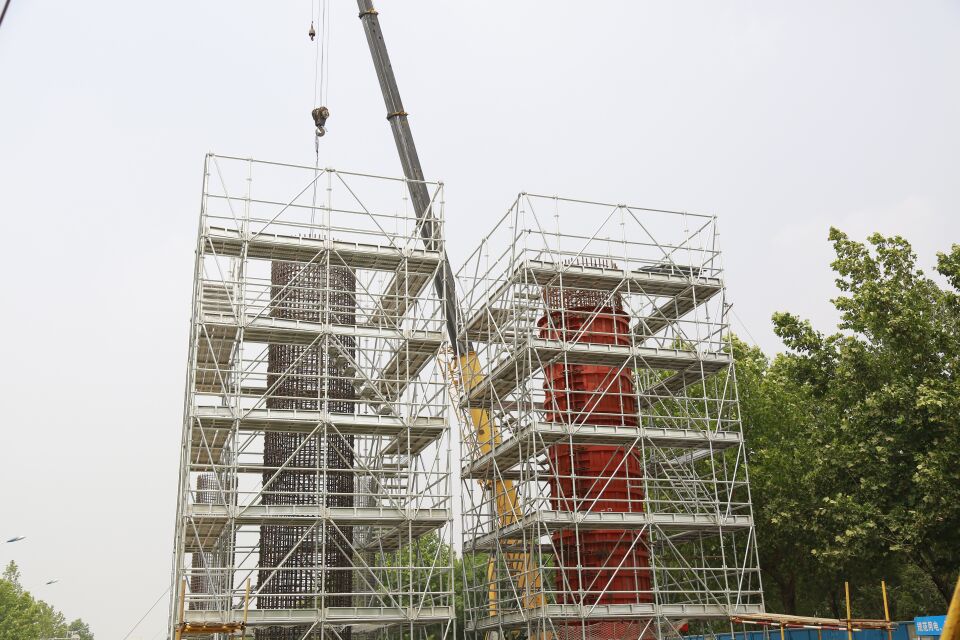
Confirm that the ground or floor supports the loaded tower. Check level, settlement, potholes, slab edges, openings and thresholds from unloading to the final position. Castors or base plates need proper support; bricks are not levelling devices. Reserve space for required stabilisers or outriggers.
Control Overhead Services, Vehicles, Cranes and Nearby Trades
Mark power lines, lights, pipework, sprinklers, lifting zones and door tracks on the site plan. Coordinate vehicles, cranes, mobile plant and nearby trades so the tower never crosses an uncontrolled operation. Check its full clearance envelope, and stop if a new obstruction or activity makes the route unsafe.
Protect Pedestrians and Create a Practical Exclusion Zone
Use barriers, signs, a spotter or banksman, or scheduled access suited to site traffic. Keep people away from the platform and movement route without blocking emergency exits. Set separation distances through the site assessment, not a generic number.
Define Weather Limits and Other Stop-Work Triggers
Set weather limits from the manufacturer and local rules. Stop for strong winds, rain exposure, settlement, impact, missing parts, unauthorised alteration or changed overhead hazards. A related access tower compliance checklist can support briefings; the site plan defines the response.
How Should Access Towers Be Released for Use?
Confirm the Correct Configuration and Compatible Components
Compare the tower with its manual and approved task configuration. Verify platforms, guardrails, toeboards, bracing, access, castors, supports and stabilisers. Two parts may look as though they fit and still be incompatible. GOWE’s ringlock source similarly describes connected components working as a system, not interchangeable loose parts.
Assign Assembly, Supervision and Inspection Responsibilities
Name the competent assembler, supervisor, inspector and person authorised to release the tower. Users must follow restrictions, report damage and avoid alterations. Inspect after assembly and at intervals required locally. If a check fails, stop work and correct the fault before use.
Record the Handover, Location, Load Limit and User Restrictions
Record tower ID, location, approved configuration, permitted task, manufacturer-stated platform load, inspection status, restrictions and owner. A later crew should be able to determine whether the tower may be used and for what purpose.
How Should Crews Use and Move Access Towers During the Shift?
Keep Internal Access and the Working Platform Clear
Use the designed internal access, manage hatches as instructed and keep climbing routes clear. Store tools so they cannot fall or obstruct movement. Guardrails and toeboards must remain in place. The platform is a working area, not bulk storage.
Control Material Loading and Prevent Overreaching
Distribute materials within the approved rating and keep bulky items away from access points. Do not lean on guardrails, pull heavily against the tower or stretch beyond its footprint. If the task cannot be reached normally, reposition or reselect the tower. Never add makeshift height.
Move Access Towers Only After Clearing People and Loose Items
Remove workers, tools and materials before a move. Check overhead clearance and the route, follow the approved sequence, and push or pull near the base. Do not move in windy conditions. Lock the castors (casters) when stationary; follow the manufacturer’s procedure for partial dismantling and stabilisers.
Recheck the Tower After Relocation or Site Changes
Treat relocation as a change. Recheck level, castor locks, support, stabilisers, platforms, hatches, guardrails, braces and nearby hazards. Repeat after impact, weather or ground change. Release the tower only when its new location and configuration are acceptable.
How Can Site Managers Control Multiple Access Towers Across a Project?
Assign Ownership and Prevent Unauthorised Alterations
Give every tower a visible ID and accountable owner. Define who may move, alter or dismantle it. Shared use can lead to missing braces, moved platforms or unapproved height changes, so crews should request configuration changes rather than make them themselves.
Track Tower Location, Status and Inspection History
Maintain a register showing tower ID, location, trade, configuration, load limit, last move and inspection status. Use plain labels such as available, awaiting inspection and quarantined. After every move, confirm that the register and physical tag agree.
Quarantine Damaged Parts and Separate Incompatible Components
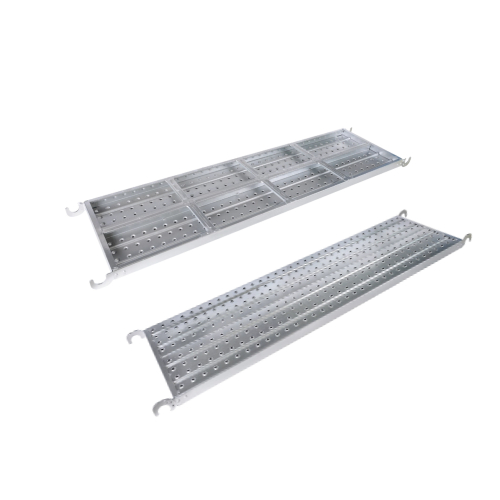
Remove bent, cracked, corroded or unknown-origin parts from usable stock and physically separate them. Do the same with components from another system. A GOWE scaffolding plank is related product context, but any plank used on a tower still requires verified compatibility, condition and capacity.
Review Whether Each Tower Still Fits the Next Work Phase
Partitions, façade closure, floor finishes and new services can change routes, exposure and work points. Review each tower before reassignment. A configuration that suited open structural work may become too wide, exposed or poorly positioned once the next trade occupies the area.
FAQ
Q: How Do I Choose the Correct Working Height for Access Towers?
A: Start with the work point and the user’s normal reach. Select an approved platform height that avoids overreaching or makeshift elevation, then confirm the permitted configuration in the manufacturer’s manual.
Q: How Much Weight Can Access Towers Carry on Construction Sites?
A: Use the rating for the specific tower and configuration. Count every worker, tool and material, distribute the load, and keep access clear. No universal capacity applies to all towers.
Q: Can Access Towers Be Moved While Workers Are on the Platform?
A: No. Clear people, tools and materials, check the route and overhead hazards, and control movement near the base according to the manufacturer’s instructions and local rules.
Q: How Often Should Access Towers Be Rechecked After Relocation?
A: Recheck immediately after every relocation and after impact, weather or site change. A competent person must also complete formal inspections at locally required intervals.
Q: Can Access Towers Be Used Outdoors in Windy Conditions?
A: Do not use or move a tower in strong winds. Follow manufacturer limits and local rules, consider gusts and exposure, and stop when conditions or ground stability change.