


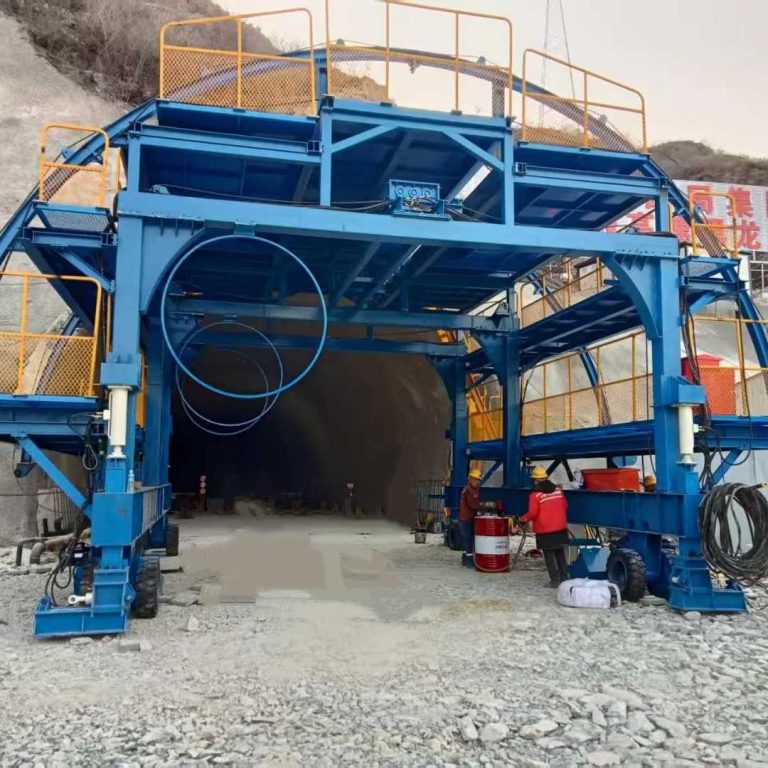

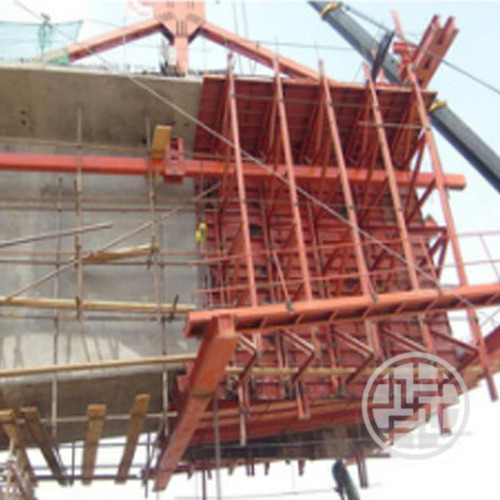
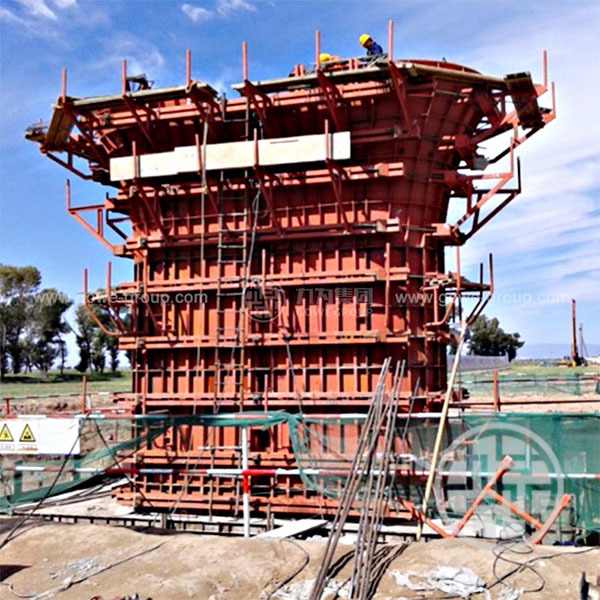
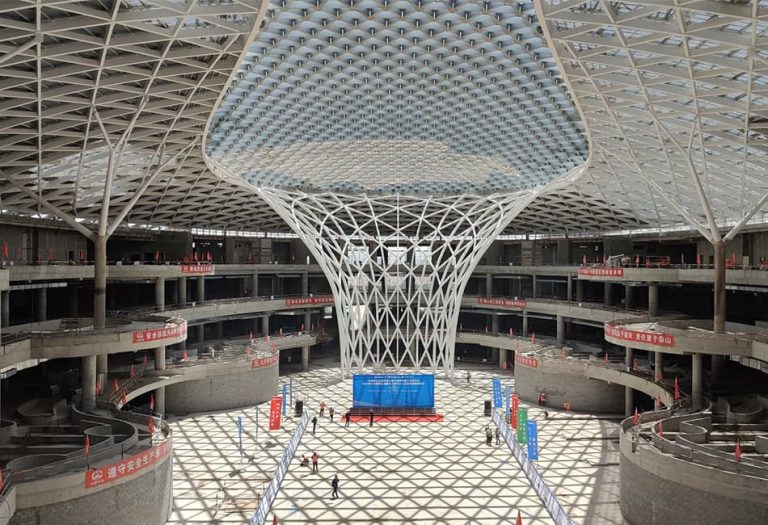



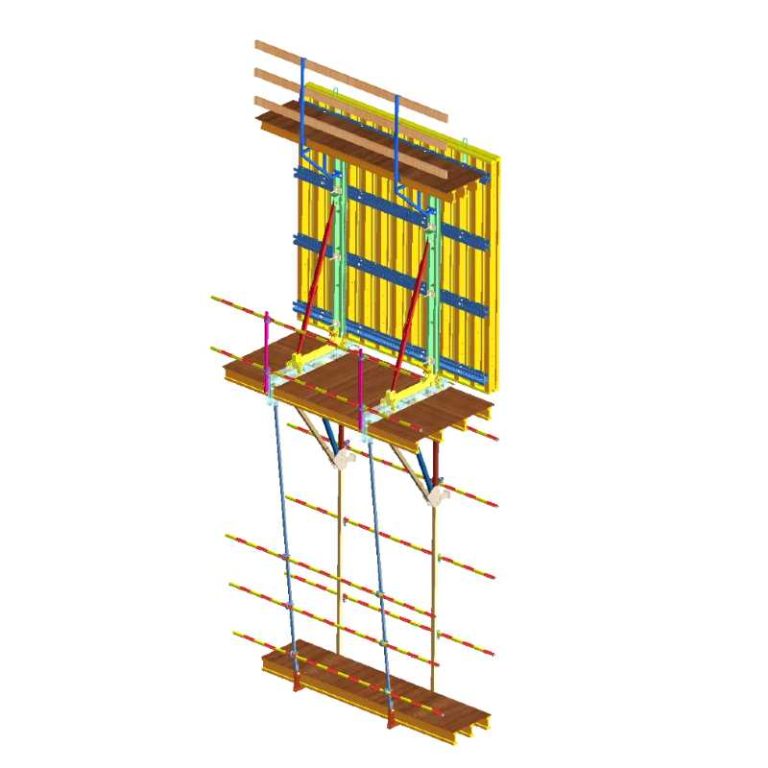
Shuttering for sale should be compared as a working system, not as a simple panel price. A low quotation can become expensive if it leaves out accessories or slows pour cycles. Contractors should compare scope, site use, delivery, documents, and later adjustments together.
What Does a Shuttering for Sale Quotation Actually Include?
Complete Formwork Systems Versus Panels-Only Quotations
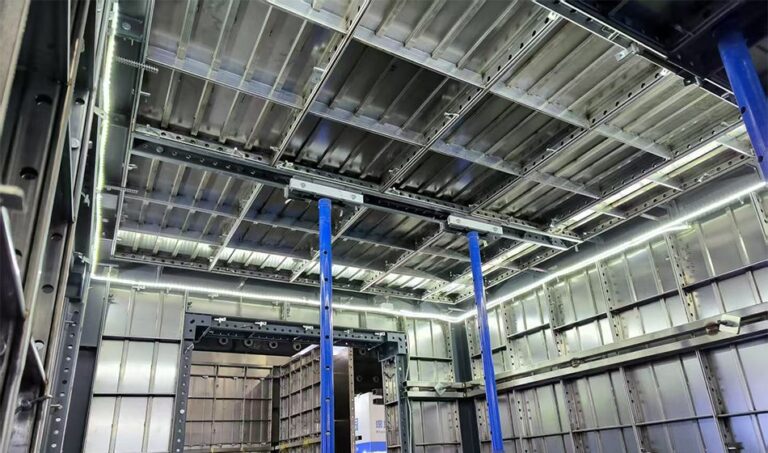
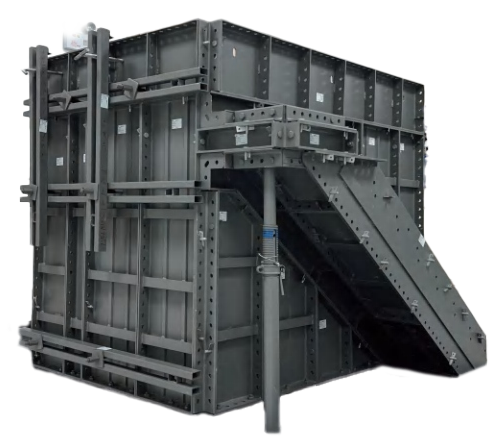
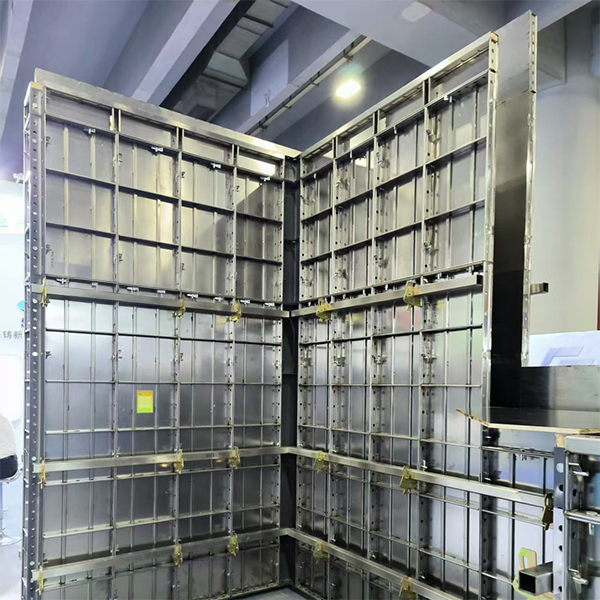
A useful quotation should show whether the offer covers a complete system or only loose panels. That difference matters because a panel stack cannot perform on its own. Contractors need to know whether the package is closer to a full Aluminium Formwork System or a partial supply that still needs supports, connectors, and site engineering.
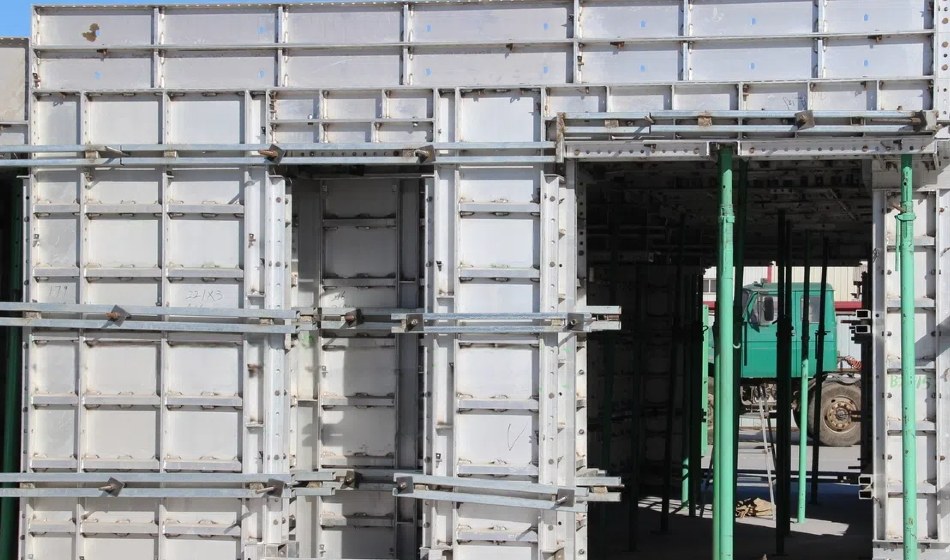
The buyer should ask whether design, fabrication, trial assembly, transport protection, and project-specific adjustments are included or billed separately.
Essential Props, Bracing, Ties, Connectors and Working Accessories
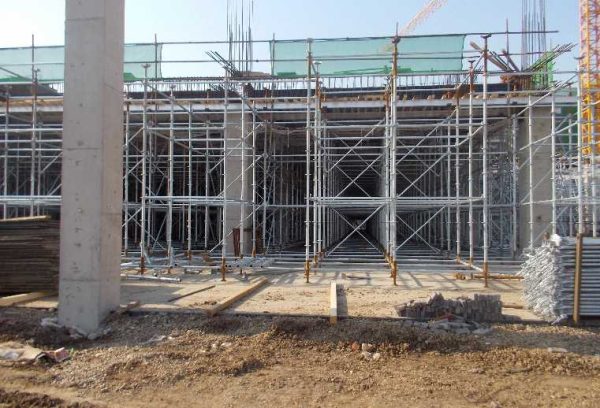
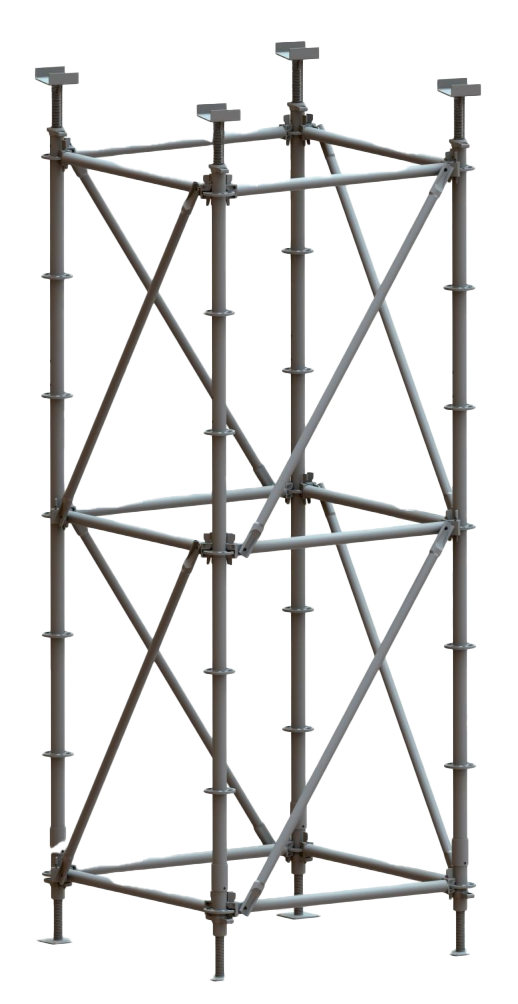
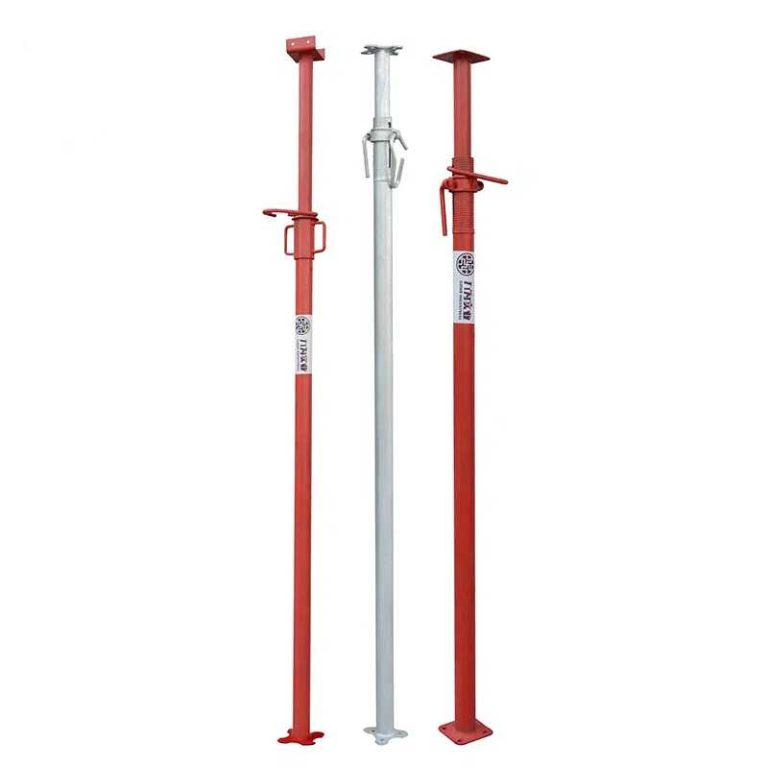
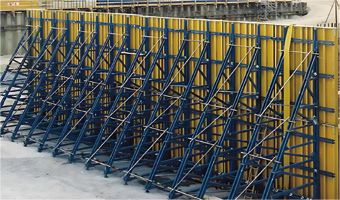
Accessories are not minor extras. Props, bracing, ties, connectors, alignment pieces, and handling tools decide whether the system can be assembled quickly and reused without trouble. GOWE accessory context includes pins and wedges, steel props, adjustable support bases, walers, raking shores, tie bars, flat ties, waler brackets, transfer boxes and removal tools. If a quotation leaves these items out, the panel price is incomplete. A separate Steel Prop line often shows how much of the working system still depends on support equipment.
The practical question is whether the crew can build, align, strip, clean, and move the system with what is quoted. Missing parts become delays or second purchases.
New, Refurbished and Used Shuttering Supply Options
New shuttering usually brings cleaner condition, easier documentation, and fewer unknowns. Refurbished or used shuttering can reduce entry cost, but only if the buyer can verify condition, missing parts, and repair history. The lowest sticker price is not always the lowest project cost.
For repetitive work, a used package may still make sense when geometry is stable and usable life is clear. For one-off work, compare service value.
Should Contractors Buy, Rent or Lease Shuttering?
Match the Procurement Method to Project Duration and Floor Repetition
Buying works best when the system will be reused many times and the layout repeats. Renting fits short schedules or uncertain layouts. Leasing can suit longer work without buying outright.
The right method depends on repetition. Repeated slabs and similar wall positions can justify purchase faster than changing zones.
Consider Storage, Cleaning, Repair and Future Utilization
Ownership only works when the contractor can store, clean, repair, and redeploy the system well. Reuse depends on inspection, transportation, site handling, dismantling, accessories, release-agent use, cleaning, storage, repair records and geometry compatibility.
Future utilization also includes accessories. A reusable system needs a plan for lost parts, damaged edges, post-strip inspection, and repair records.
Compare Availability Risks Against the Construction Schedule
Schedule risk can matter more than unit price. If shuttering is late, the next pour waits. Compare production availability, shipping reliability, and site arrival dates against the construction sequence.
When the schedule is tight, the best offer is often the one that coordinates release, shipping, and site sequencing.
How Should Contractors Compare Shuttering for Sale by Project Fit?
Confirm Coverage for Walls, Columns, Beams, Slabs and Stairs
Project fit starts with the concrete structure. If the quotation does not show each area, the buyer is comparing a sales package instead of a formwork solution.
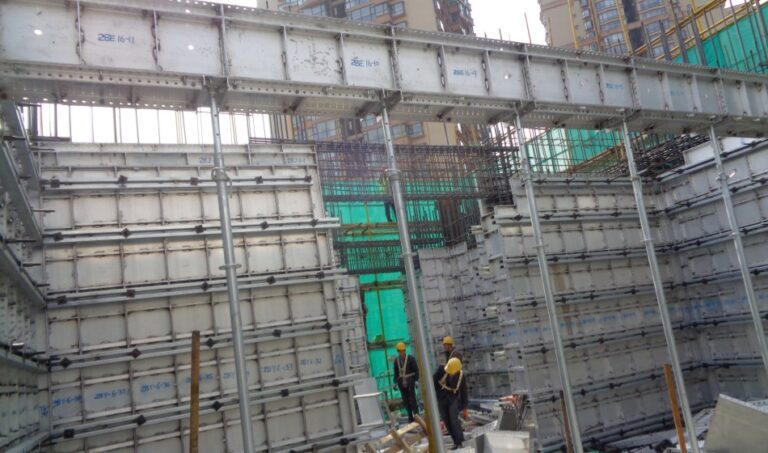
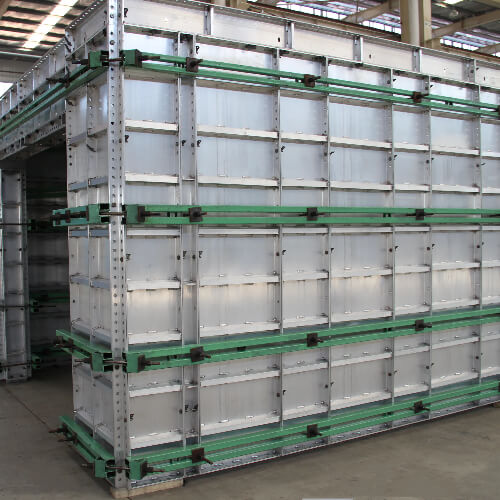
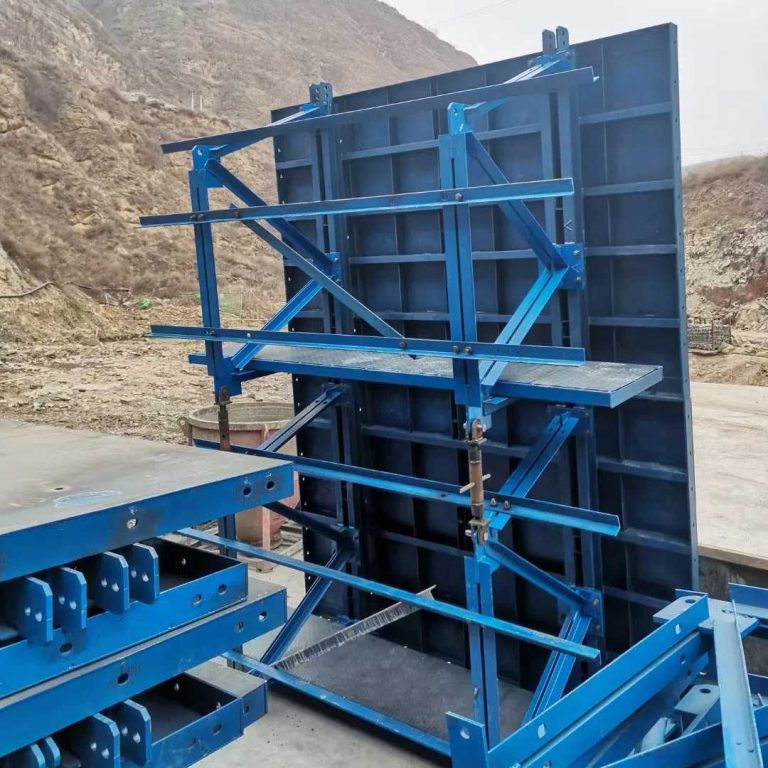
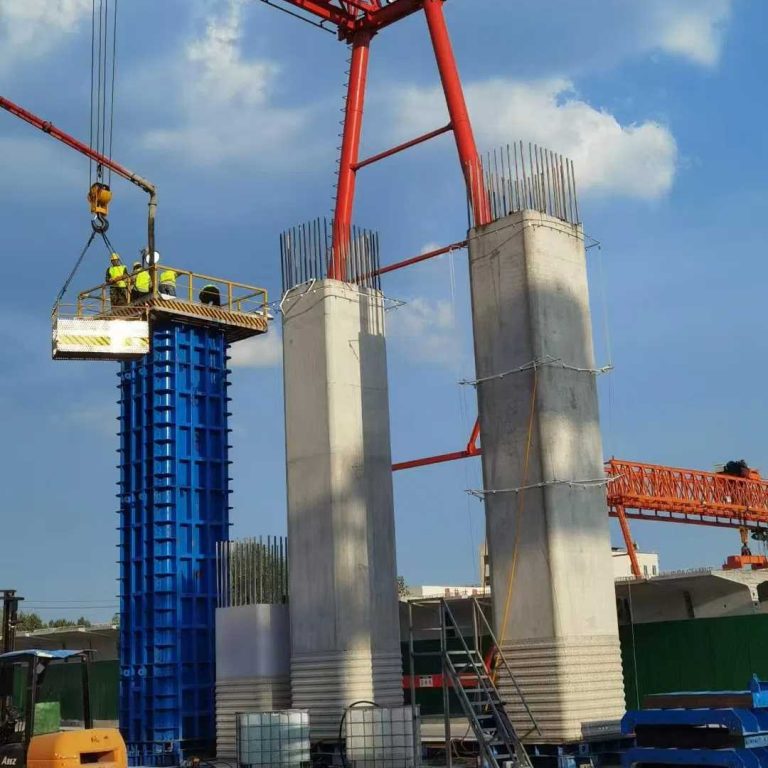
GOWE aluminium formwork covers wall, beam, slab and stair formwork. Wall panels support vertical structures such as walls and columns; stair formwork includes tread, riser and side panels, connectors and supports. That type of coverage statement helps buyers confirm whether a package fits the whole project or only one zone.
Match the System to Geometry, Pour Pressure and Finish Requirements
Geometry drives shuttering value. Straight repeated layouts can use a standardized package, while irregular cores, balconies, and transfer floors need more adaptation. Pour pressure and finish expectations affect support spacing, joint control, and finishing work after stripping.
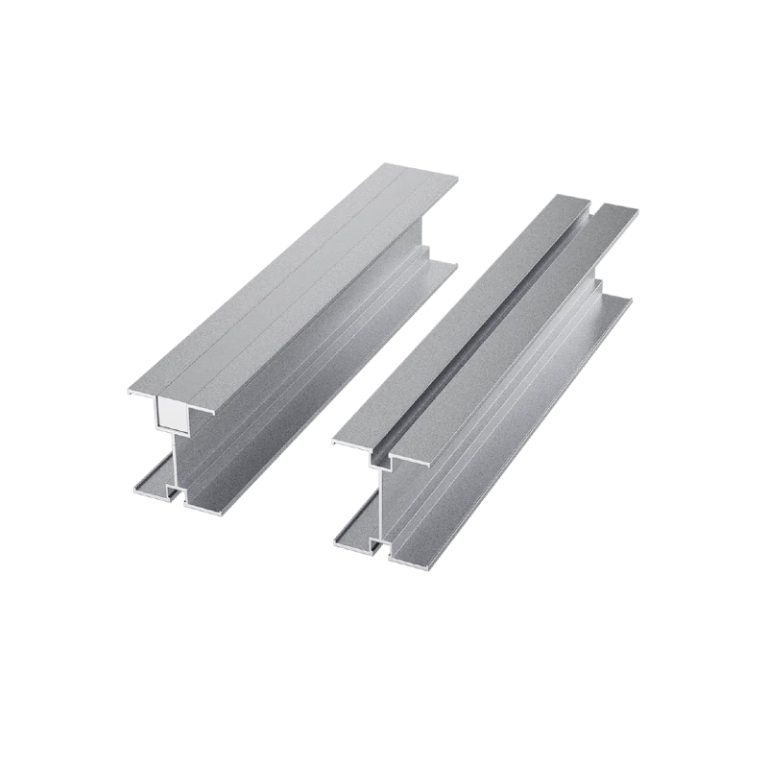
Hollow sections support wall-panel straightness and a flat wall surface; raking shores adjust wall-formwork verticality; tie-rod and flat-tie reinforcement approaches affect forming and installation characteristics.
GOWE carries out precise design and customized production according to engineering drawings, and factory trial assembly is used to identify problems before transport and improve construction speed and accuracy. A system that fits the drawings is easier to compare than one that only looks strong on paper.
Assess Panel Handling, Crane Access and Workforce Experience
Handling is part of the product. Heavy or awkward panels can raise labor cost even when the quotation is competitive. Buyers should ask how panels are moved, lifted, stacked, and reset.
If the workforce is used to another system, a simpler package may reduce training time and mistakes.
What Quality Documents Should Come With Shuttering for Sale?
Engineering Drawings, Material Records and Load Information
A serious offer should include engineering drawings and material records, not only a product list. Buyers need to see material and arrangement details.
Without those records, the quotation becomes a promise rather than a usable technical package.
Inspection Reports, Quality Procedures and Applicable Certificates
Inspection reports show how the system was checked before shipment or release. GOWE’s aluminium formwork quality process includes incoming material inspection, in-production inspection, finished-product inspection, pre-shipment debugging, finished-product transportation inspection and controlled transportation to site.
Oxidation can create dirt spots on aluminium alloy formwork without compromising material quality or concrete-finish quality; powder coating may mitigate oxidation but can peel under variable site conditions.
Applicable certificates, where relevant, help confirm that the system has been handled inside a formal quality framework.
These documents do not replace project approval, but they reduce uncertainty and help compare a sales offer with a supplier that can prove process discipline.
Trial Assembly Records and Component Identification Documents
Trial assembly records show whether the system was checked as a working package before shipment. Component identification documents help the site team confirm that what arrived is complete and organized.
If parts are not identified clearly, missing accessories are harder to catch and assembly becomes slower.
How Do Delivery and Technical Support Affect a Shuttering Purchase?
Production Lead Time, Shipping Route and Customs Planning
Delivery timing can make or break a purchase decision. A technically suitable system still fails if lead time misses the pour sequence or shipping creates avoidable delay.
The best comparison is simple: can the supplier deliver the right system when the site needs it?
Packaging the System According to the Site Installation Sequence
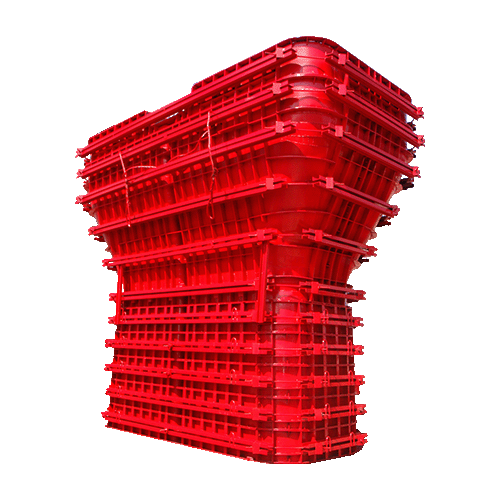
Shuttering should be packed in the order it will be installed. That reduces searching, shortens unloading time, and protects the parts that need to arrive first. A system that is sorted by sequence is easier to hand over, verify, and install.
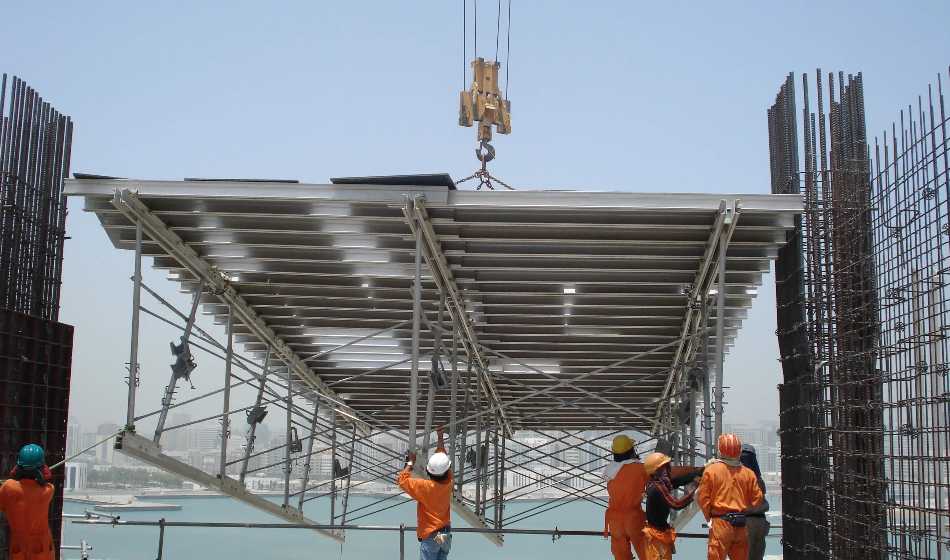
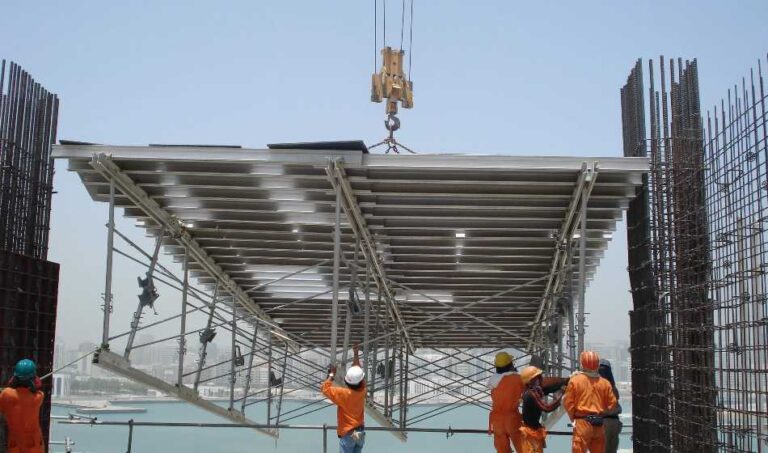
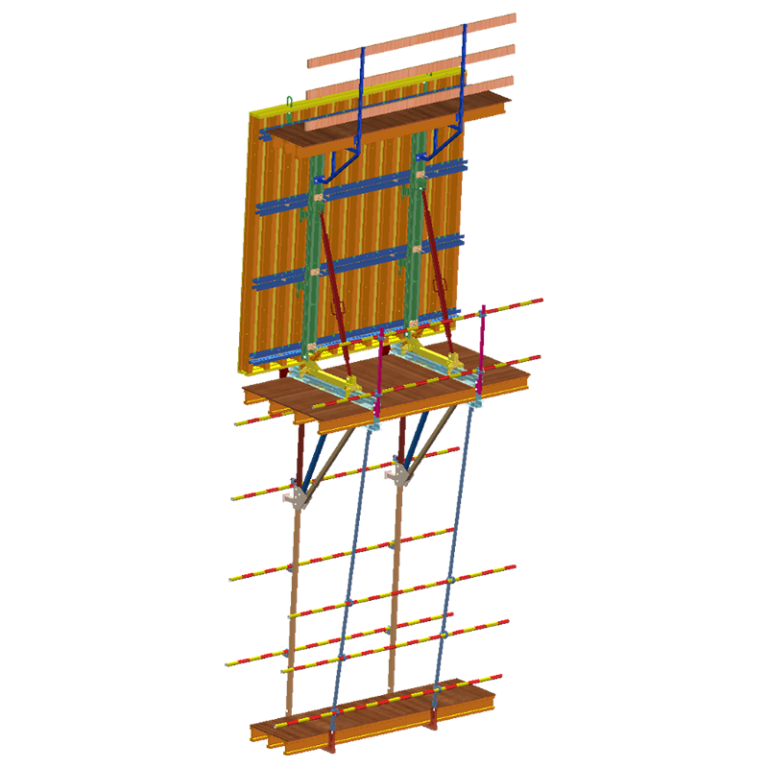
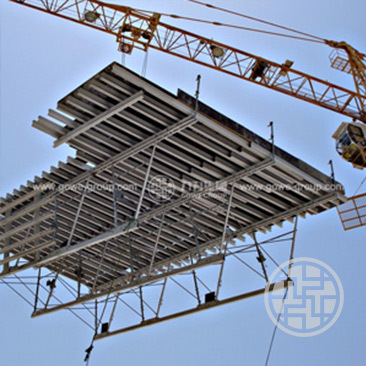
The Table Formwork example makes the relationship between packaging, crane access, and floor-cycle speed easier to see.
Design Revisions, Spare Parts, Training and On-Site Assistance
After-sales support should be treated as part of the quotation. Design revisions, spare parts, training, and on-site assistance determine how quickly the system can be adjusted if drawings change or the crew finds an issue during assembly.
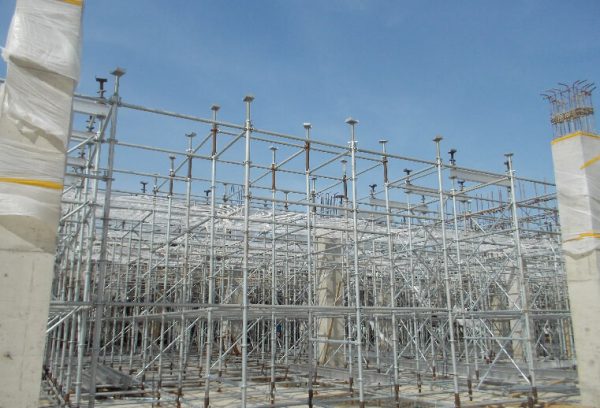
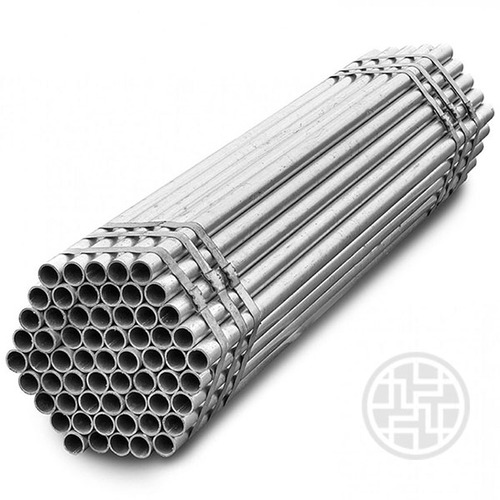
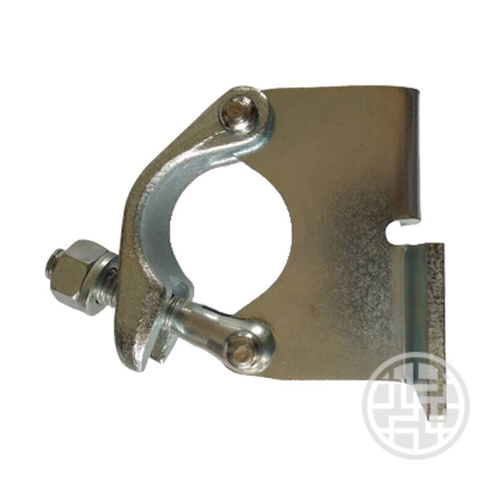
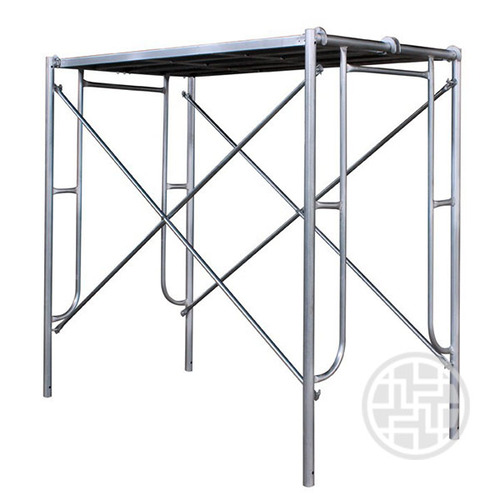
GOWE works across formwork and scaffolding systems, and we integrate research and development, production, sales, leasing, construction and operation. If the project needs broader access than shuttering alone can provide, ringlock scaffolding, frame scaffolding, or tube and coupler systems may be the better fit for the access portion of the job.
FAQ
Q: What Should Contractors Check Before Choosing Shuttering for Sale?
A: Check what is included, whether the system fits the structure, how it will be delivered, and whether the supplier can support the schedule and documentation.
Q: Is New or Used Shuttering for Sale Better for Repetitive Projects?
A: New supply is easier to document and control, but used supply can work if the geometry repeats and the condition, accessories, and repair history are clear.
Q: How Much Does Shuttering for Sale Cost per Square Meter?
A: There is no single answer. The real cost depends on system scope, accessories, labor, reuse, repair, storage, and site handling.
Q: Can Shuttering for Sale Be Customized From Structural Drawings?
A: Yes. A stronger quotation shows drawing-based customization, trial assembly, and the ability to adjust the system to the actual layout.
Q: What Documents Should Be Supplied With Shuttering for Sale?
A: Buyers should ask for drawings, material records, inspection reports, quality procedures, applicable certificates, trial assembly records, and clear component identification.