
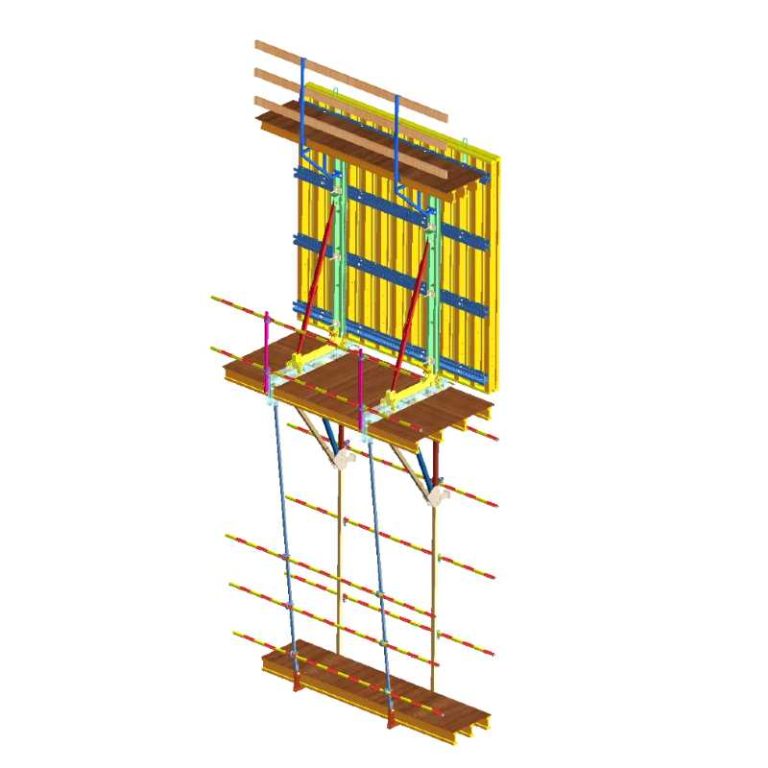
Introduction
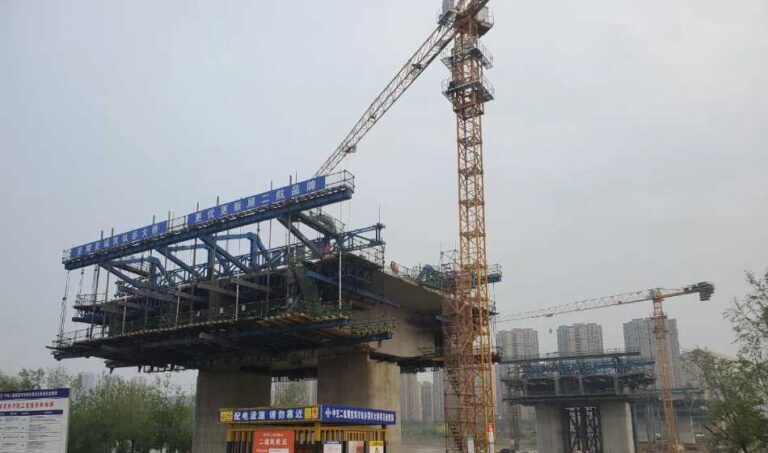
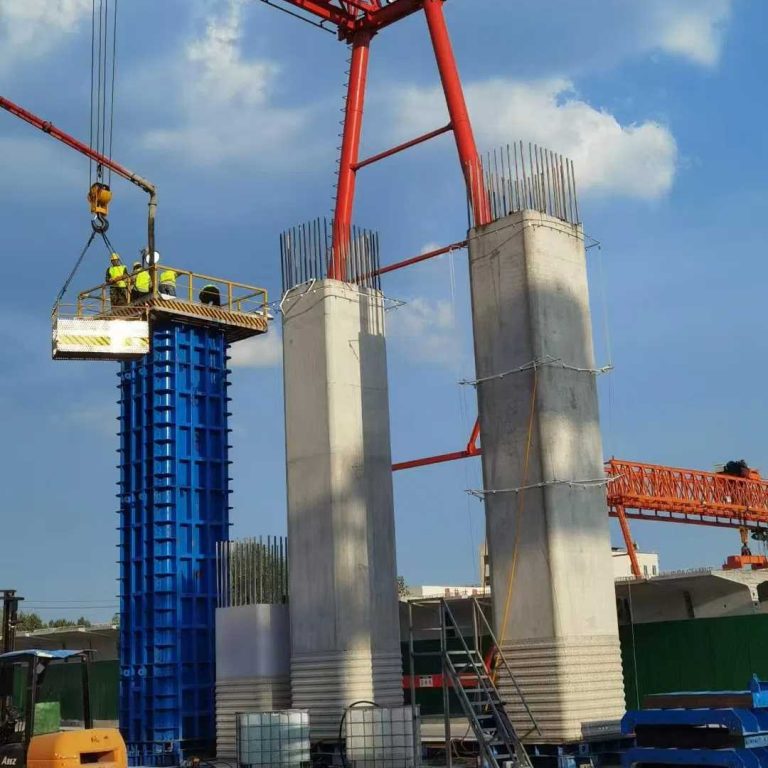
When constructing large bridges, highway overpasses, and elevated railways, the time taken to build the lower support structures determines the overall speed of the project. The bridge piers, columns, and supports are on the critical path of the construction schedule, so any delay in pouring concrete for these supports triggers a chain reaction that delays the whole project.
If you fail to meet the completion deadline under EPC (Engineering, Procurement, and Construction) contracts, you will have to pay substantial financial penalties, which can quickly wipe out your project’s profits.
Although complex mechanical or hydraulic lifting systems receive considerable attention in the industry, they are generally expensive and unnecessary for ordinary bridge piers. In most bridge projects, heavy-duty modular steel pier formwork is the most practical, reliable, and cost-effective option. When well-engineered steel formwork is used, EPC contractors can avoid job-site delays, prevent costly concrete repairs, and maintain their project budget.
3 Big Formwork Risks Facing EPC Projects
It is necessary to exercise strict risk control when managing an EPC contract; at the stage of column molds and formwork, job sites encounter three major risks that can spoil the project schedule.
- Delays in assembly and crane bottlenecks are caused by poorly constructed formwork panels, which require workers to spend time cutting, welding, and adjusting components on site. This delays the workforce and keeps the site crane busy when it is required for other tasks.
- Quality defects and the cost of the repair work are such that if the formwork panels bend when pressure is applied or do not seal closely, the wet concrete seeps out, and this results in rough holes and unsightly patches on the finished column; the defects have to be corrected with days’ worth of manual grinding and patching before the inspectors will give their approval.
- If the formwork arrives at the site late, the concrete work comes to a full stop, and there are significant daily financial losses due to having to pay idle workers and the rental equipment while waiting for the formwork to arrive.
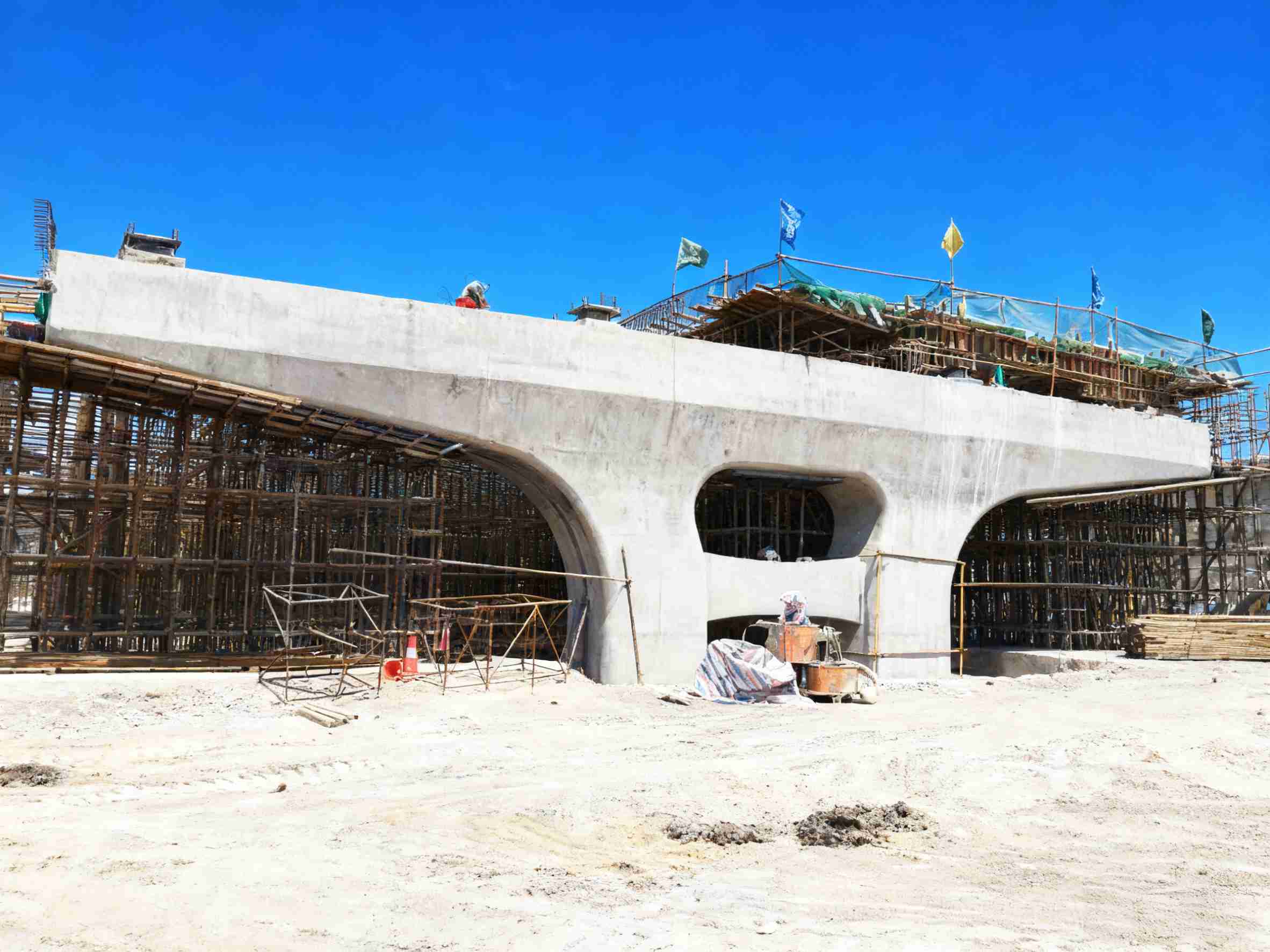
How Modular Steel Pier Formwork Keeps Projects on Schedule
1. A high strength that ensures a clean finish on the first attempt
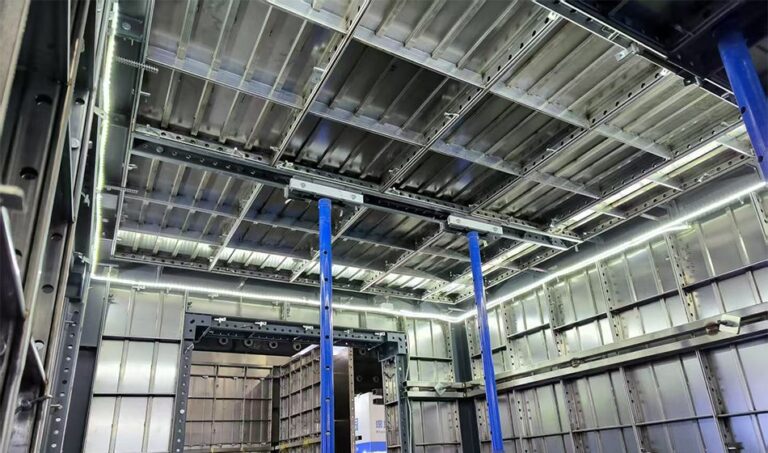
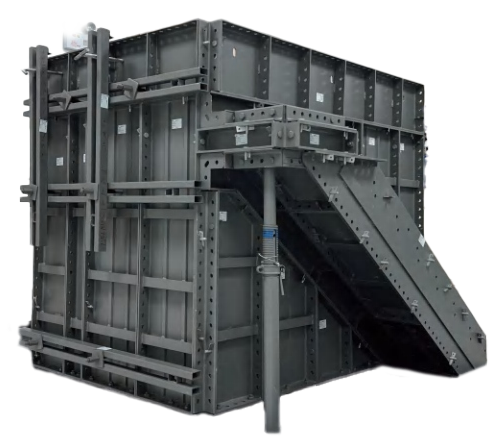
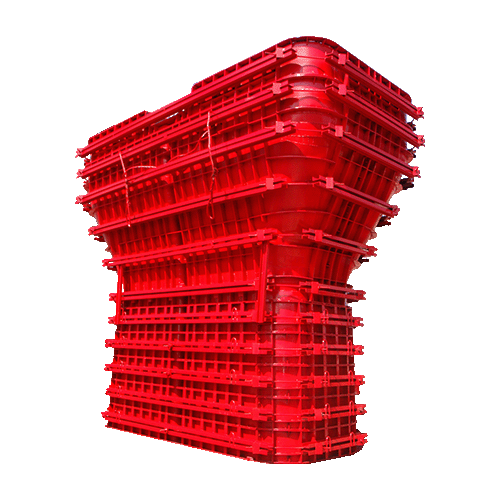
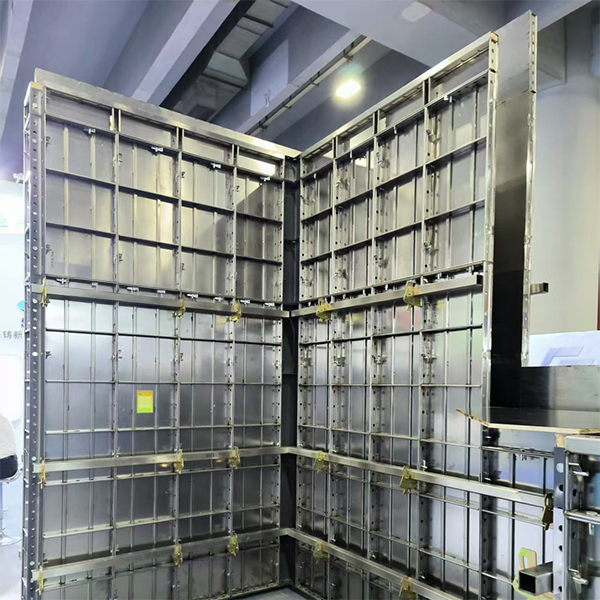
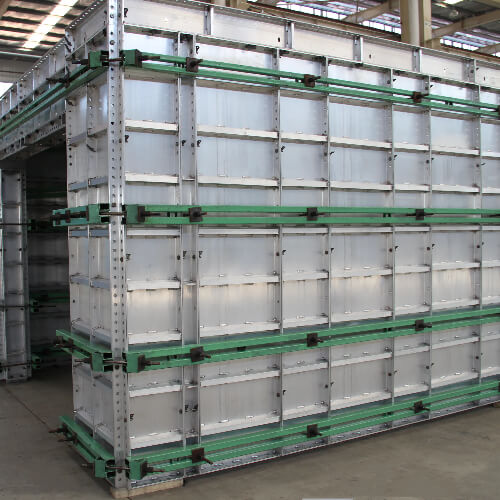
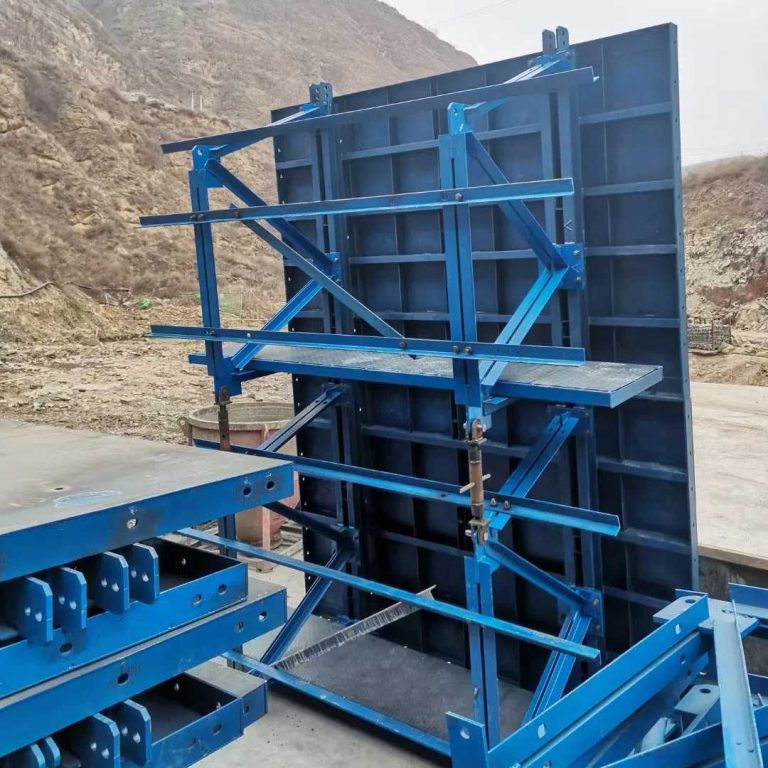
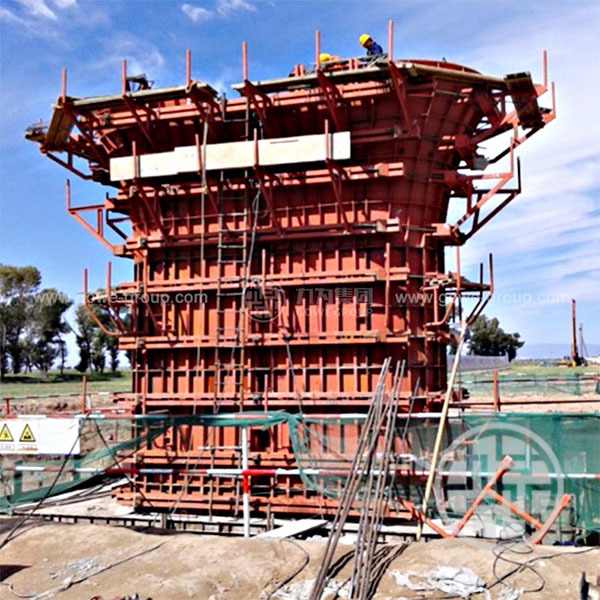
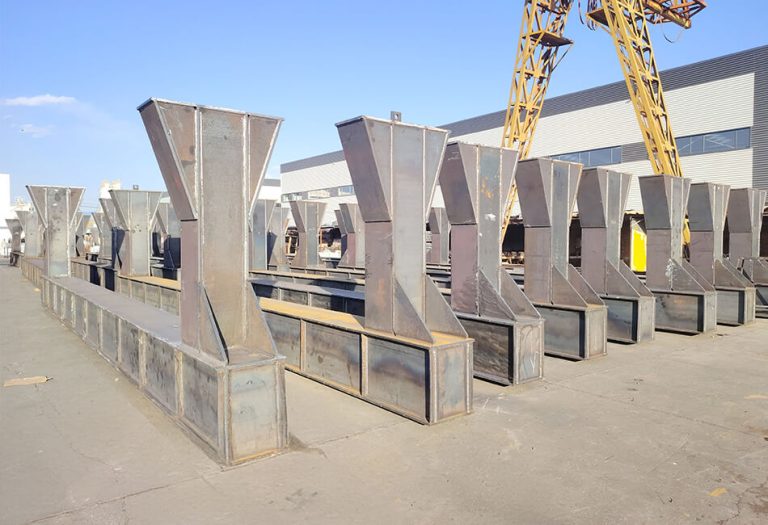
The heavy-duty steel pier formwork is constructed using thick steel plates and robust support beams. The strength of this structure enables it to endure the pressure of thick, wet concrete without bending or bulging.
High-strength [steel pier formwork systems] prevent wet concrete from leaking when used with accurately shaped panel edges and tight rubber seals. If a smooth concrete finish is achieved on the first pour, the entire time normally spent grinding and patching unsightly surfaces is eliminated.
2. Quick assembly and high reusability
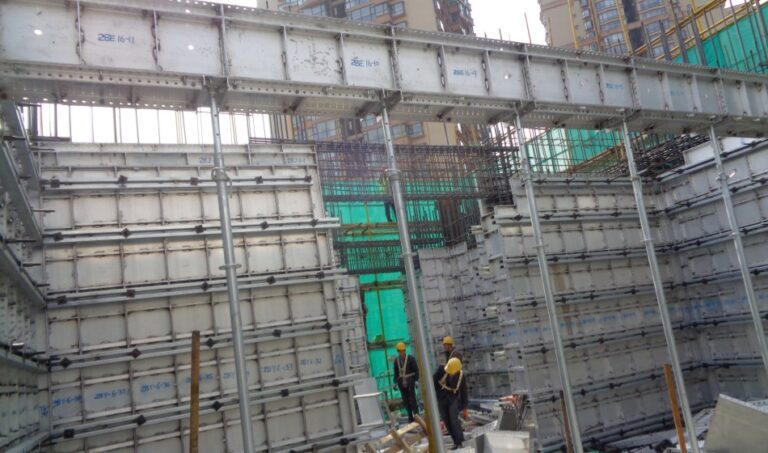
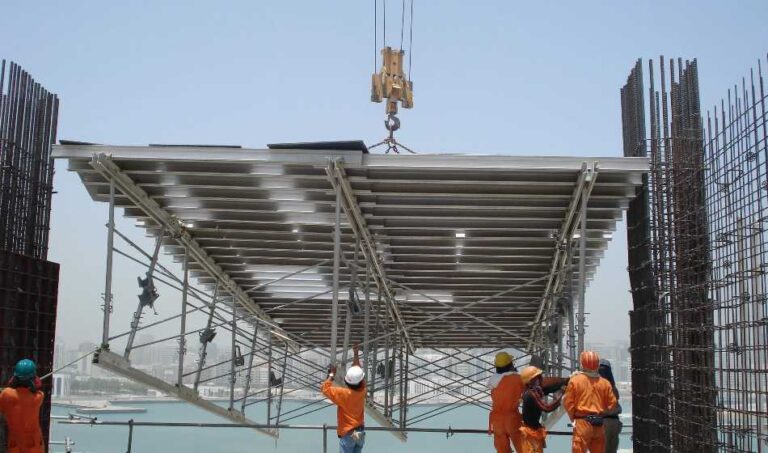
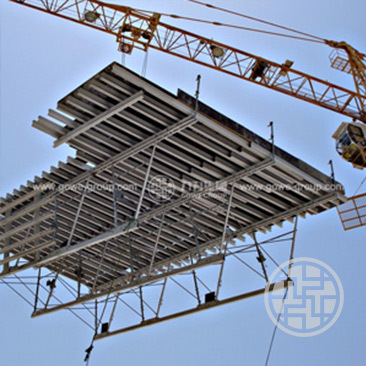
Steel formwork in modular systems uses standard panel sizes and simple locking bolts. The workers on site can quickly join the panels into large sections on the ground and then lift them into position with a single crane movement.
- The reuse rate is high: although wood and light aluminum molds wear out rapidly, heavy-duty steel formwork can be reused between 100 and 150 times if it is simply cleaned and oiled.
- The cost per pour decreases when the same steel mold is reused.
3. Factory Pre-Assembly Checks
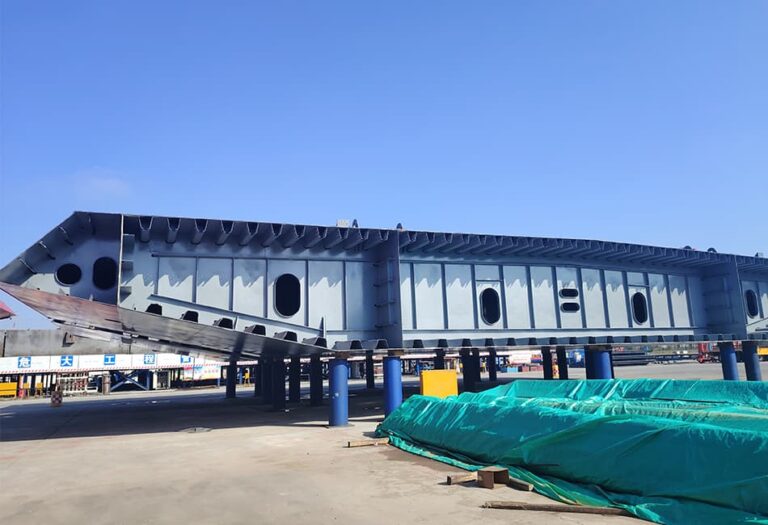
To ensure everything proceeds without trouble at the job site, experienced formwork manufacturers assemble and test the molds in their own factory. By checking the fit of the panels, bolt holes, and connection parts in the factory, they ensure that all components fit together exactly in use, thus preventing your team from having to carry out any additional drilling or cutting in the field.
Vendor Checklist for EPC Procurement Teams
When choosing formwork suppliers for large bridge projects, procurement teams should grade vendors using these four key areas:
|
Evaluation Area
|
What to Look For
|
Why It Matters for EPC Contractors
|
|
1. Manufacturing Quality
|
Smooth steel surfaces and precise bolt-hole alignments. | Prevents gaps between panels and stops wet concrete leaks. |
|
2. Production Capacity
|
Large factories and reliable raw steel supplies. | Ensures on-time equipment delivery for big projects. |
|
3. Technical Help
|
Experienced technicians sent directly to your site. | Ensures safe setup, correct vertical alignment, and easy stripping. |
|
4. Engineering Plans
|
Certified CAD drawings and concrete pressure calculations. | Guarantees safety and satisfies official inspector checks. |
Frequently Asked Questions (FAQ)
Q1: Why is modular steel pier formwork more economical than complex mechanical formwork systems?
A: Modular steel formwork costs much less to buy, has no complex moving parts to break, and requires simple worker training. This makes it the most cost-effective option for standard round, square, or moderately tall bridge piers.
Q2: How does steel pier formwork adapt to unique or curved pier shapes?
A: Manufacturers use a smart hybrid strategy: standard flat or curved panels make up most of the column height, while [custom-engineered formwork transition sections] are built for unique shapes like flared caps or Y-shaped pier tops. This hybrid strategy keeps equipment costs low while meeting exact project designs.
Q3: What engineering support does GOWE provide to international EPC contractors?
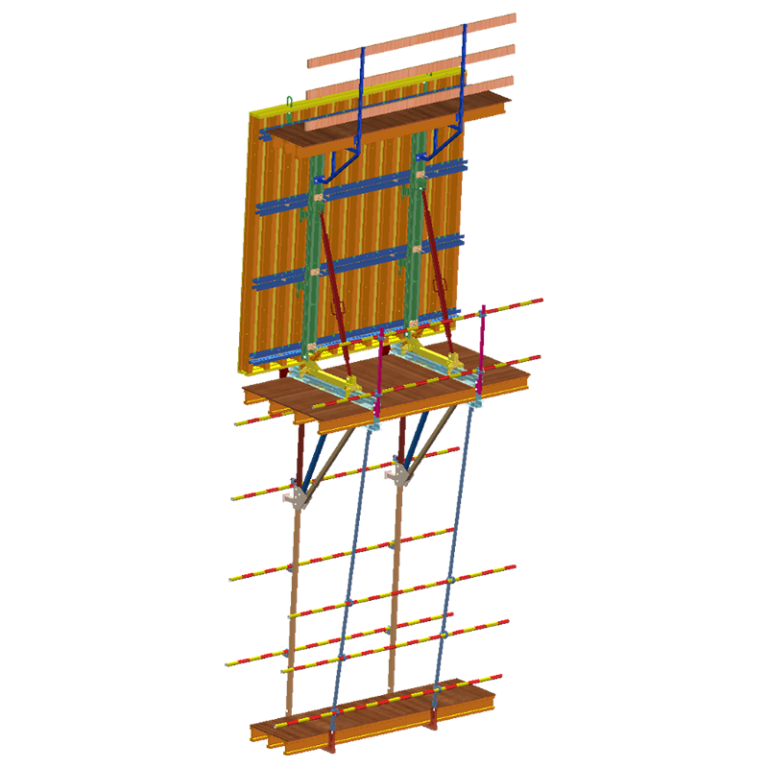
A: GOWE provides complete engineering support, including 3D CAD panel layouts, concrete pressure calculations, factory test-assembly checks, and on-site technical guidance. Check out our GOWE bridge project case studies to see how our steel formwork helps contractors finish major projects on time.
Conclusion
For EPC contractors, it is just as crucial to manage time and risk as it is to pour the concrete. Selecting an appropriate pier formwork system is a business decision that directly impacts your schedule, your workers’ safety, and your final profits. Project managers can avoid costly on-site delays by opting for strong, reusable steel formwork, thereby meeting their major contract deadlines. Contact our engineering team today to get a custom formwork plan and quotation for your next bridge project.