
Introduction
1. Total Cost of Ownership vs. Initial Purchase Price
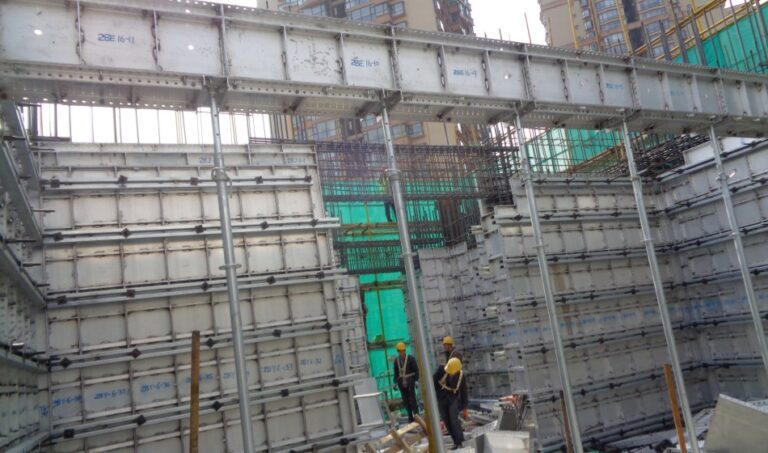
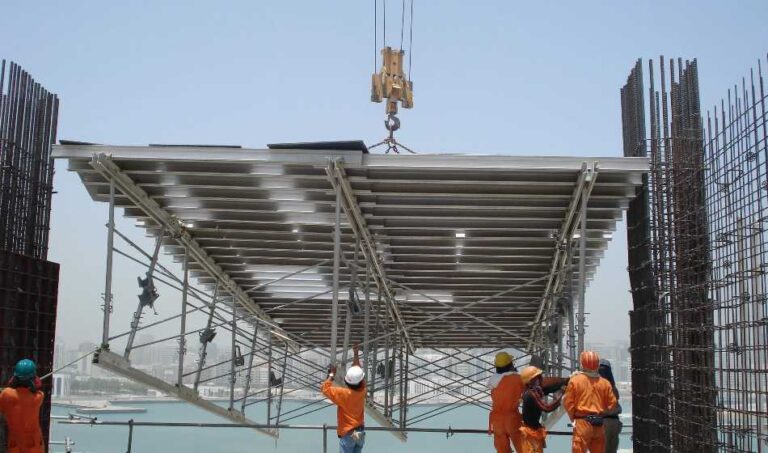
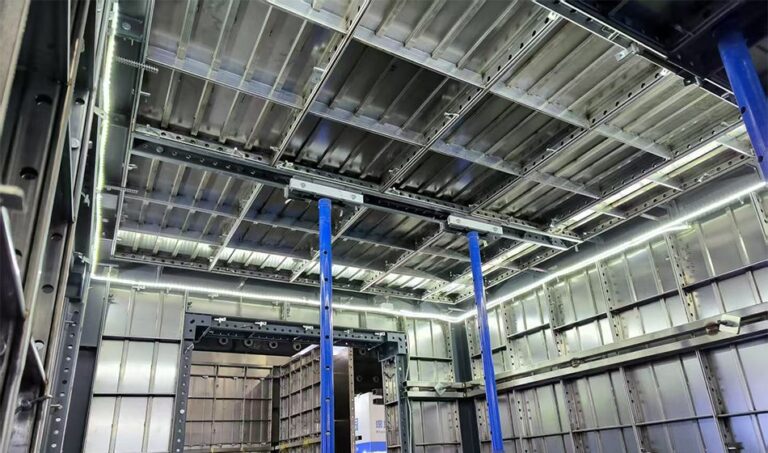
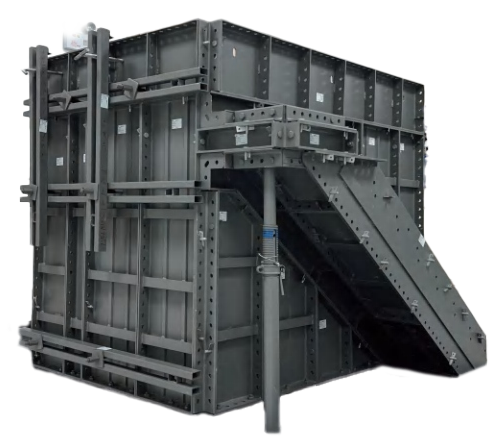
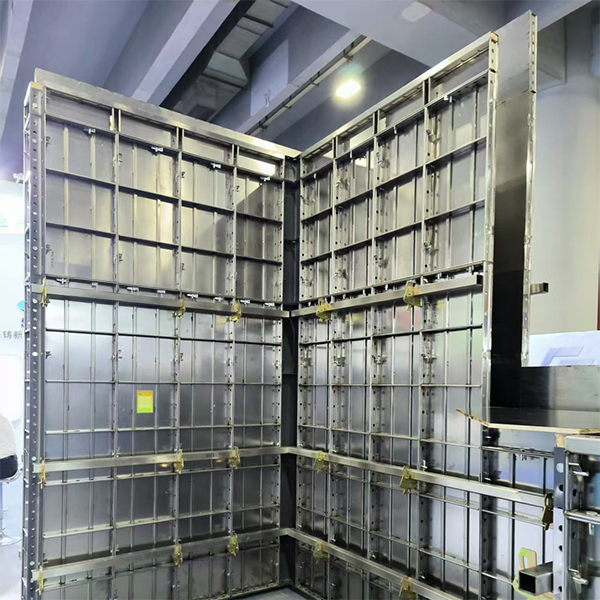
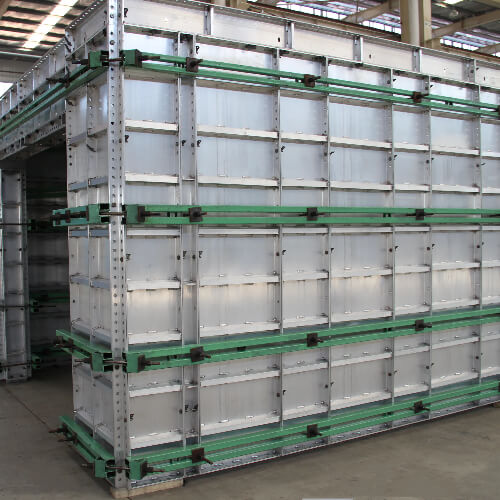
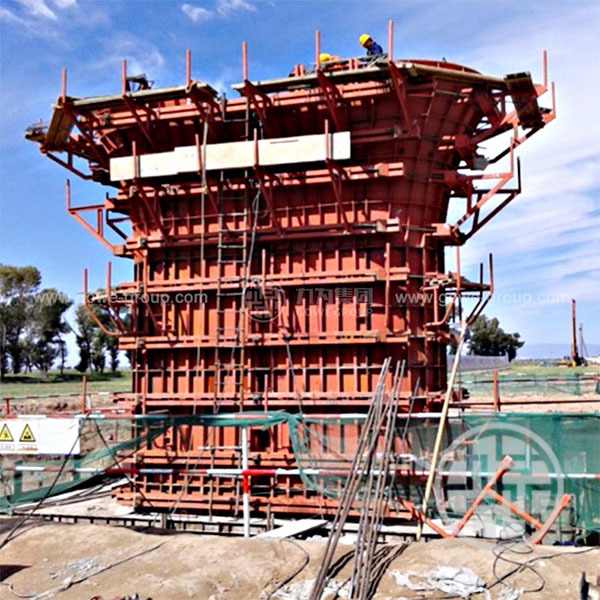
- High Reusability and Material Durability: Heavy-duty modular [steel formwork systems] can be used for many pours. A good steel system can often be reused more than 100 times with simple maintenance. This greatly lowers the cost per pour compared to wooden or aluminum options that wear out faster.
- Reducing Expensive Site Labor: Labor is one of the highest and most unpredictable costs in heavy construction. Systems that are easy to assemble with simple locking pins or automatic hydraulic lifts help your crew work faster. Spending less time putting up, taking down, and moving molds saves money on every pour.
- Eliminating Post-Pour Repair Costs: Cheap or poorly fitting formwork panels can bend under pressure, letting wet concrete leak out. This causes rough spots, holes, and uneven surfaces that workers must spend days fixing. High-precision formwork gives a smooth finish right away, so you avoid these extra labor costs.
2. Structural Load Capacity and Safety Margins
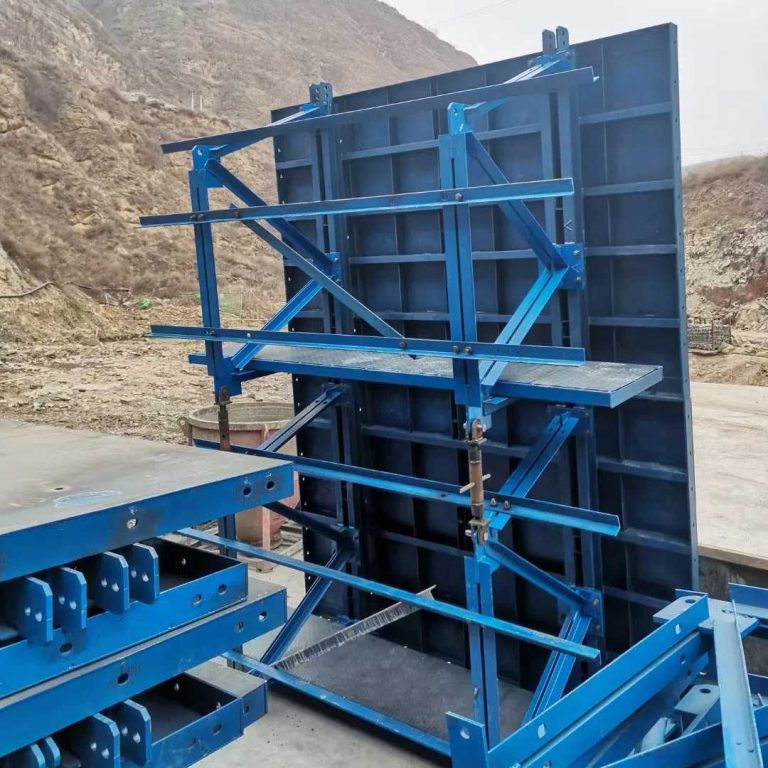
- High Concrete Pressure Ratings: The panel structure, steel walers, and tie-rod systems must easily handle concrete lateral pressures ranging from $60\text{ kN/m}^2$ to $90\text{ kN/m}^2$ or more. This high load capacity is especially critical if your project uses Self-Consolidating Concrete (SCC) or rapid-pouring methods.
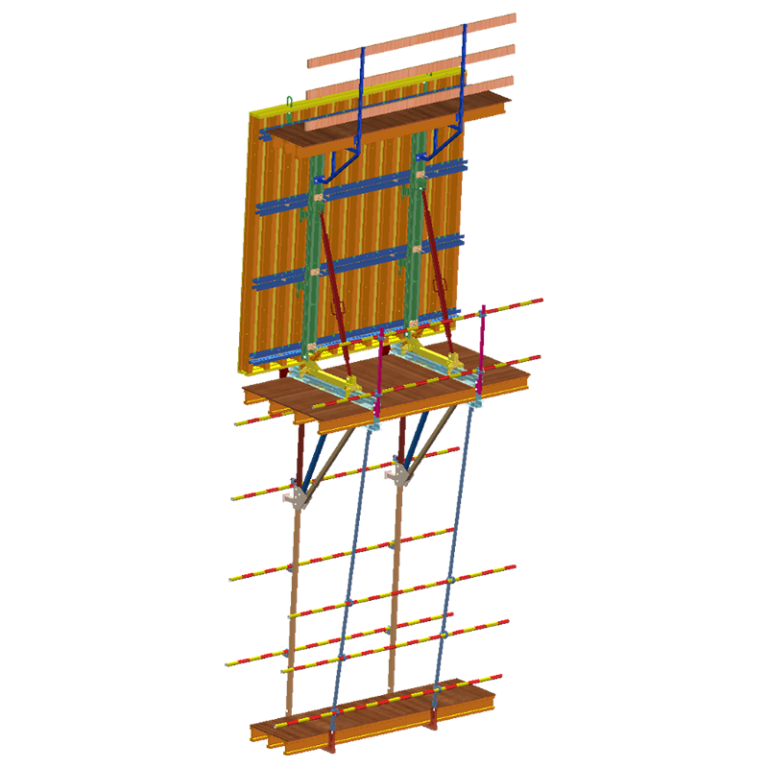
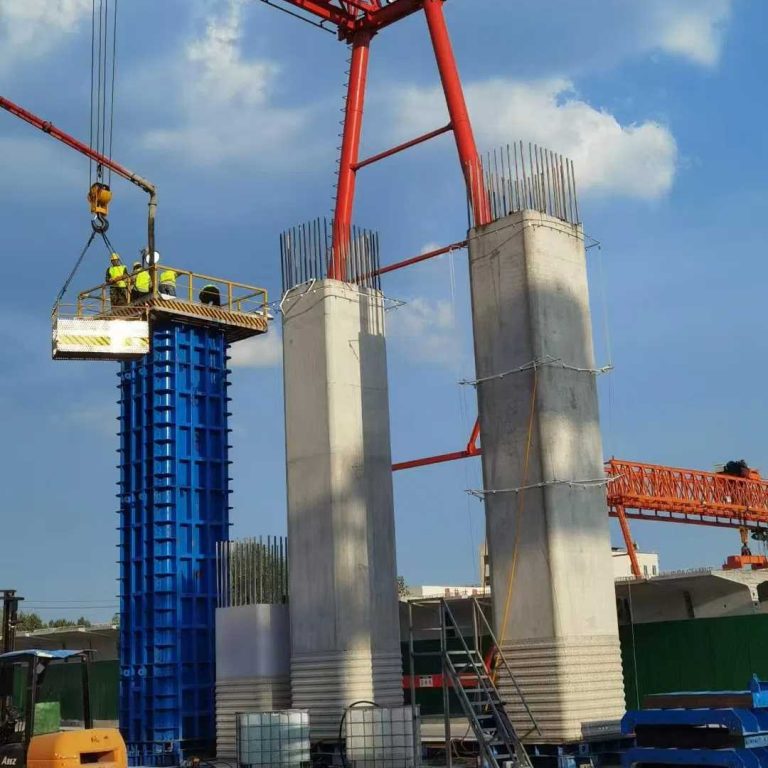
- Integrated Worker Safety Systems: Working high above the ground on bridge piers is always risky. Modern formwork systems should have strong working platforms, secure guardrails, anti-slip surfaces, and built-in safe access ladders. These safety features must remain attached as the formwork moves to keep workers safe and comply with all international safety rules.
3. Fitting Complex Geometries and System Versatility
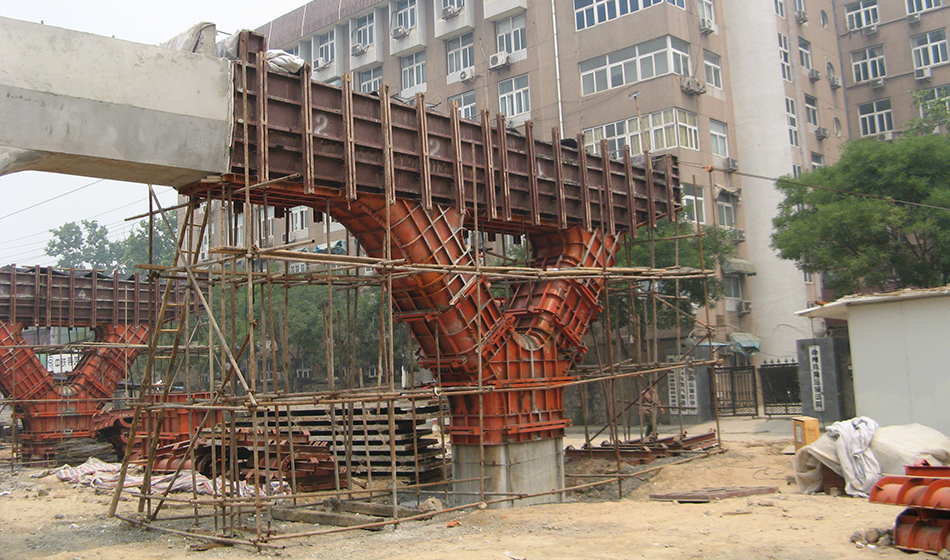
- Modular Panels with Custom Extensions: Choose a formwork supplier that offers standard modular panels you can easily adjust to accommodate different column sizes. For unusual shapes, the supplier should offer custom transition pieces that connect to the standard panels. This approach keeps equipment costs low and gives you the flexibility to handle complex shapes.
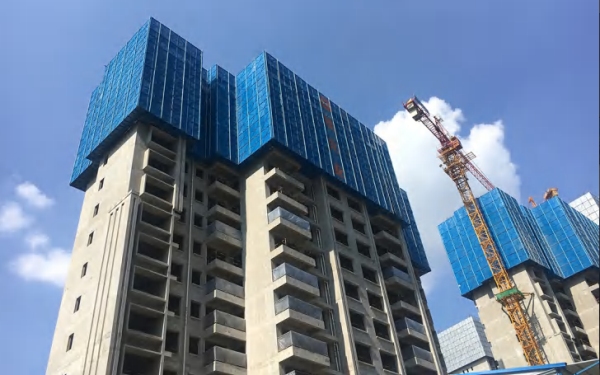
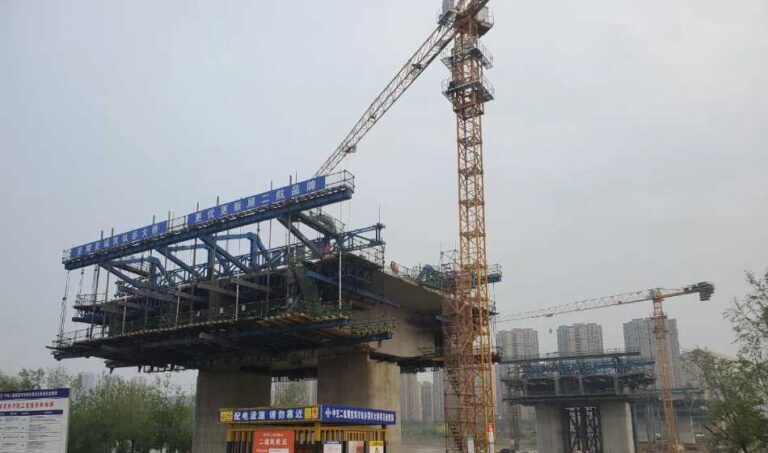
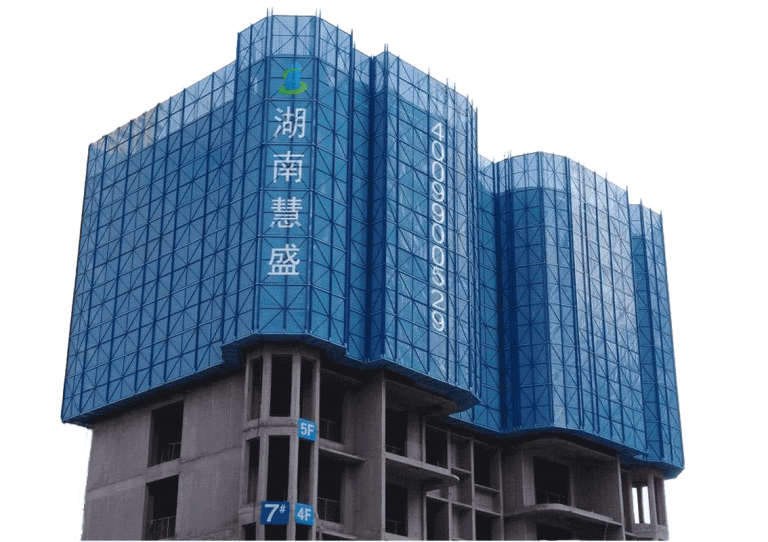
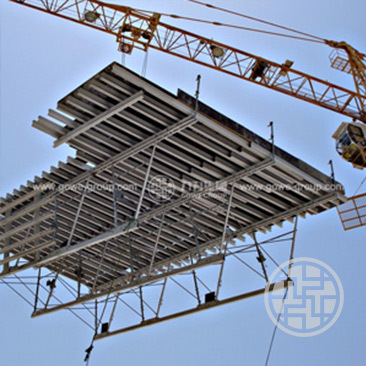
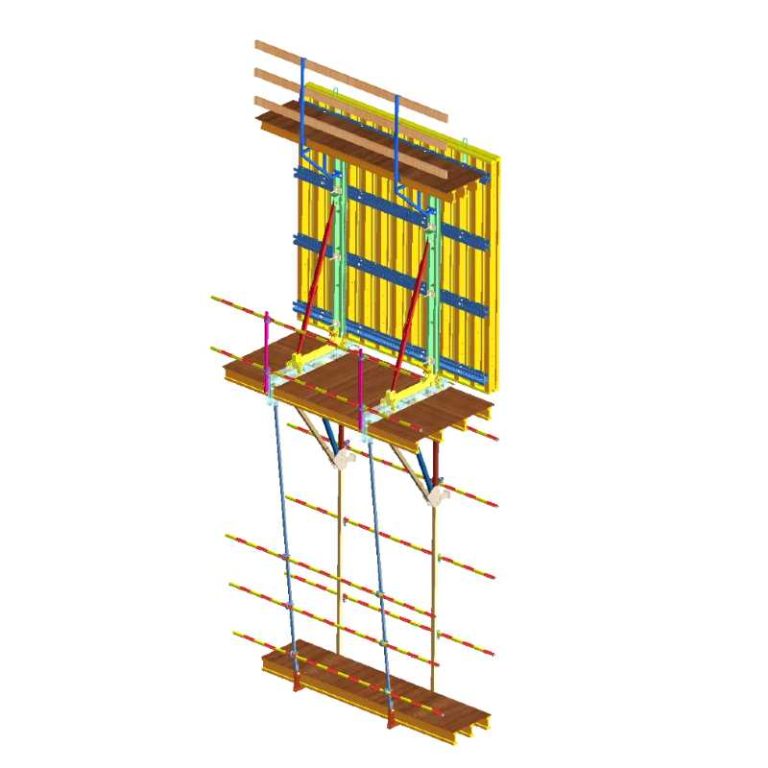
- Self-Climbing Systems for Tall Piers: For bridge piers over 20 meters tall, relying on traditional scaffolding or keeping cranes on site is slow and costly. In these cases, check if the pier formwork works well with [hydraulic self-climbing formwork]. Self-climbing systems use built-in hydraulic pumps to lift themselves up the column, one step at a time. This lets your tower cranes handle other heavy materials on the site.
4. The Importance of Turnkey Engineering and Field Support
- 3D BIM and CAD Design: Detailed shop drawings showing precise panel layouts, tie-rod placement, fresh concrete pressure calculations, and pour sequence plans.
- On-Site Technical Supervision: Sending qualified field technicians to your job site to train your workforce, supervise the first assembly, and double-check vertical alignment before the first concrete pour.
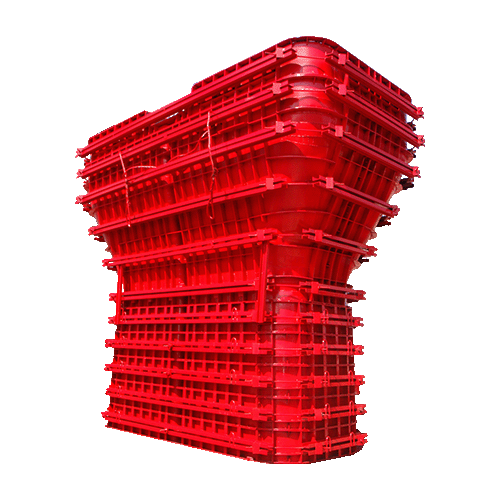
- Smart Logistics: Delivering pre-assembled panel units that are neatly packaged for compact flatbed truck transport and easy storage on crowded job sites.
Conclusion
Q&A
Q1: What is the main difference between custom steel pier formwork and modular systems?
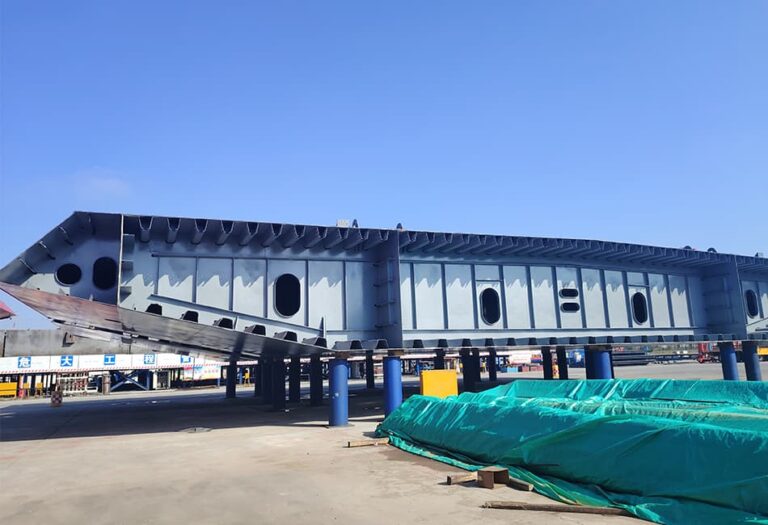
A: Standard modular systems use interchangeable, factory-sized panels that can be reconfigured for different rectangular or circular column shapes. Custom steel pier formwork is specially designed and built for unique, non-standard bridge pier designs—such as tapered piers, Y-shaped caps, or vase-shaped piers. For projects with complex shapes, contractors often combine modular panels with custom transition pieces to lower total equipment costs.
Q2: How do I choose between jump-form systems and hydraulic self-climbing formwork for high piers?
A: Jump-form systems rely on site cranes to lift the formwork panels up to the next pour level. [Hydraulic self-climbing formwork] uses built-in hydraulic cylinders to lift itself smoothly up the pier without needing a crane. If your site has limited tower crane availability or high wind conditions at extreme heights, self-climbing systems offer much higher safety, speed, and crane cost savings.
Q3: How many times can a heavy-duty steel pier formwork system be reused?
A: High-grade steel pier formwork from reputable manufacturers can be reused over 100 to 150 times with proper cleaning, oiling, and site maintenance. This high reusability drastically reduces the cost per pour compared to timber or aluminum systems, making steel the preferred choice for long-span bridge projects.
Q4: Can GOWE supply custom engineering calculations and on-site guidance for bridge projects?
A: Yes. GOWE provides complete end-to-end technical support. Our engineering team prepares detailed 3D CAD/BIM shop drawings, calculates fresh concrete pressure ratings, and sends experienced field supervisors directly to your project site to assist with assembly, alignment, and first-pour inspections.