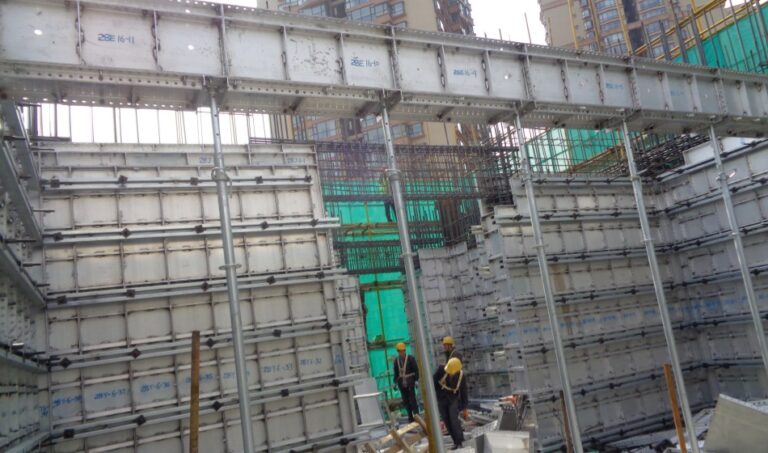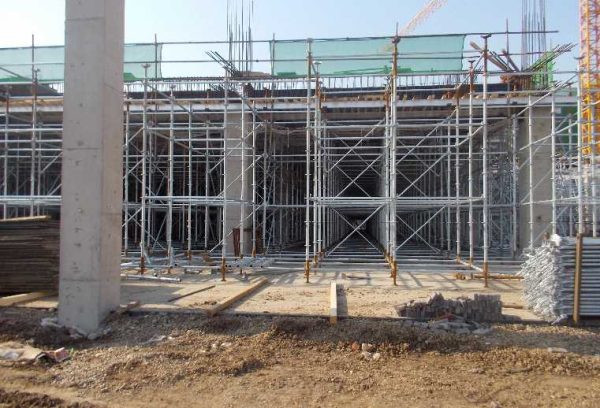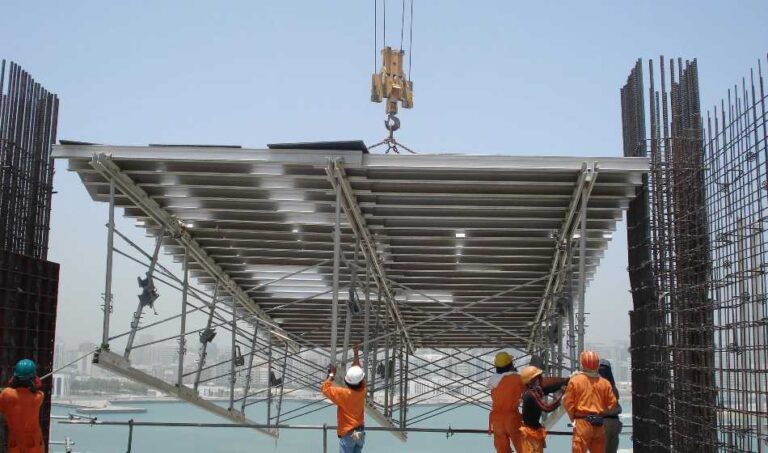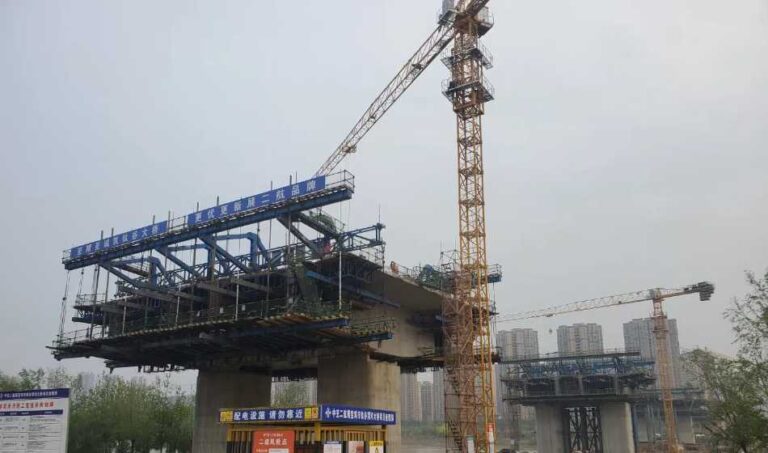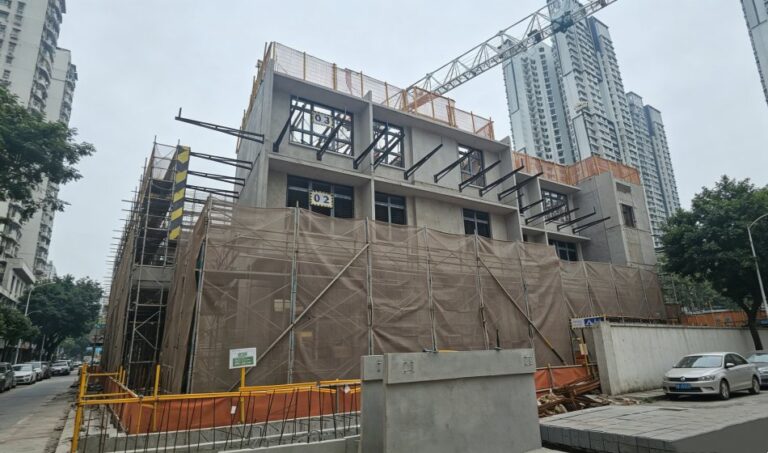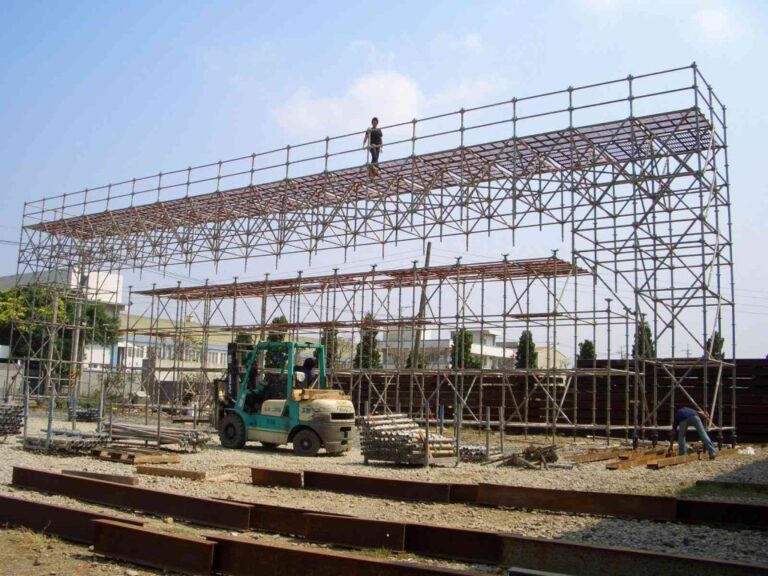
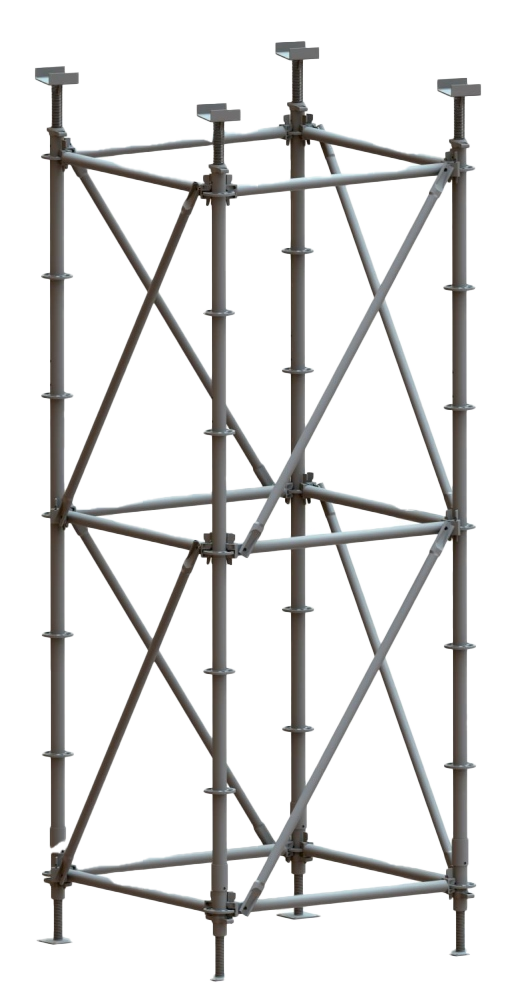
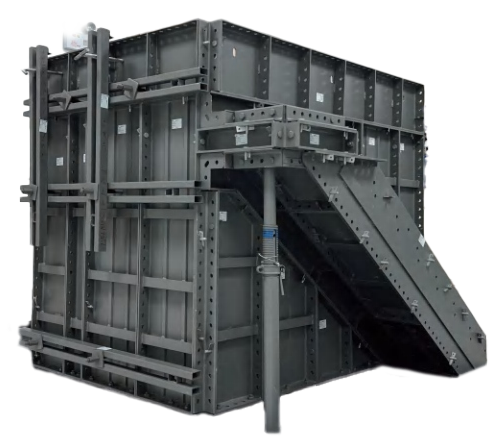

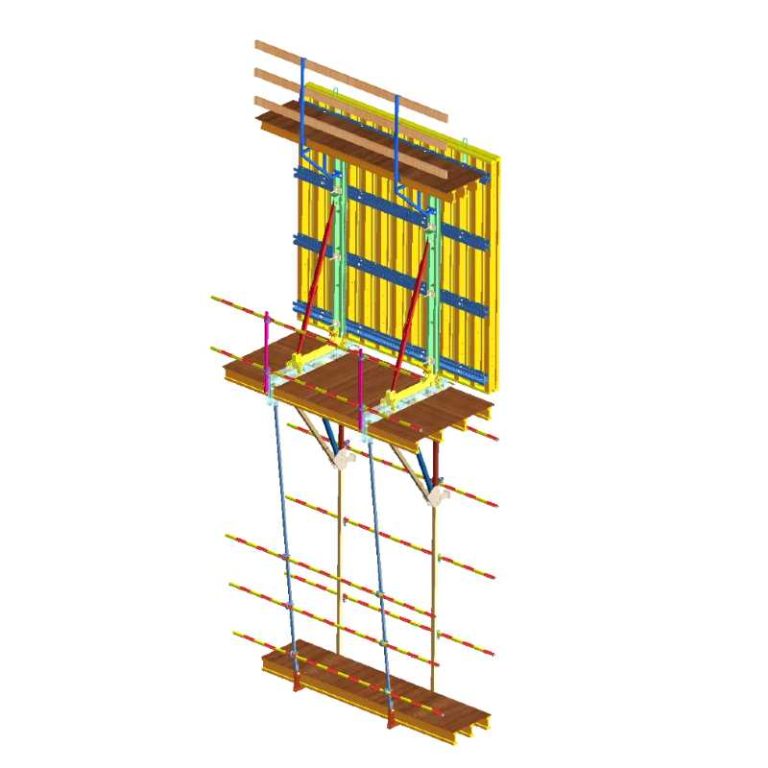
Aluminium formwork installation improves floor-cycle performance only when the entire concrete workflow is controlled as one process. The goal is to reduce waiting time between stripping, panel transfer, installation, reinforcement, MEP coordination, inspection and the next concrete pour. Faster cycles depend on clear handoffs, prepared materials and stripping decisions based on verified strength and approved procedures.
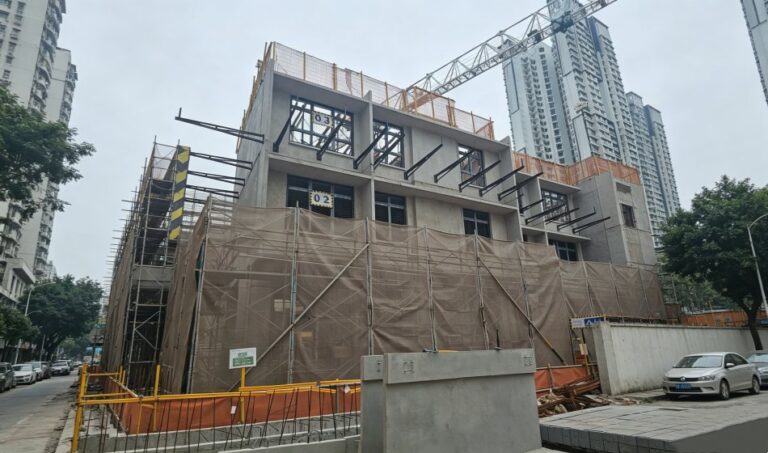
Where Does Aluminium Formwork Installation Lose Time in a Typical Floor Cycle?
Which Activities Sit on the Critical Path From Stripping to the Next Concrete Pour?
The critical path usually passes through six key stages: stripping panels, transferring materials, installing wall and slab zones, completing rebar and MEP works, passing inspections and preparing for concrete pouring. If the following trade cannot begin on time, the floor cycle has not truly improved.
Which Delays Come From Formwork and Which Come From Rebar, MEP, Inspection or Logistics?
Not every delay should be attributed to formwork installation. Wall panels may be completed while reinforcement work prevents closure. Slab panels may remain idle due to delayed MEP sleeves. Concrete pouring may also be postponed because alignment issues are discovered too late. A proper delay analysis should distinguish between formwork issues, panel logistics, MEP revisions, inspection feedback and material transfer waiting time.
How Should Aluminium Formwork Installation Be Planned Before the First Typical Floor?
Freeze Panel Layouts, Openings and MEP Interfaces Before Fabrication
Efficient installation begins with accurate preparation. Typical-floor panel layouts, wall corners, beam edges, stair areas, sleeves and MEP openings should be coordinated before fabrication starts. Late design adjustments can lead to additional modifications, non-standard panels and unnecessary inspection delays.
GOWE works with construction partners across China and major Southeast Asian countries and has presence in Singapore, Malaysia, Thailand, Indonesia and the Philippines. In Southeast Asia, approvals and logistics often control floor-cycle speed.
Use Factory Trial Assembly, Panel Coding and Zone-Based Packing
GOWE carries out precise design and customized production according to engineering drawings. Factory trial assembly helps minimize fit-up issues before transport. Panel coding should follow the work sequence, not only the drawing number.
We use trial assembly and zone packing to reduce site-side surprises before the first pour.
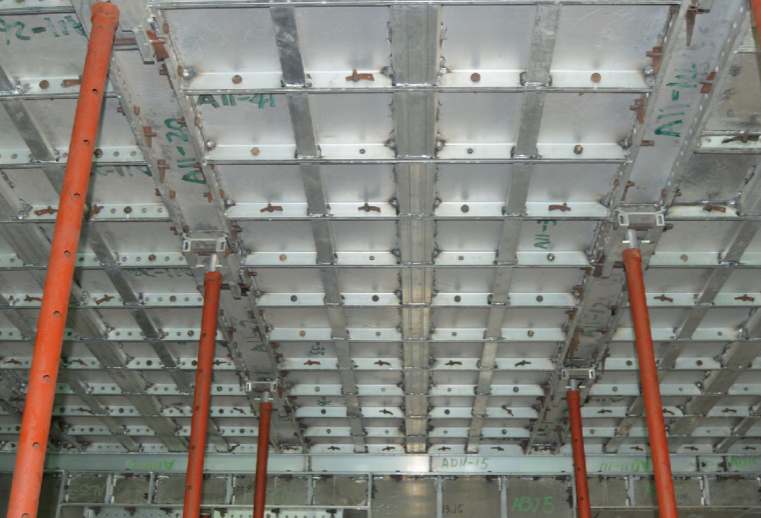
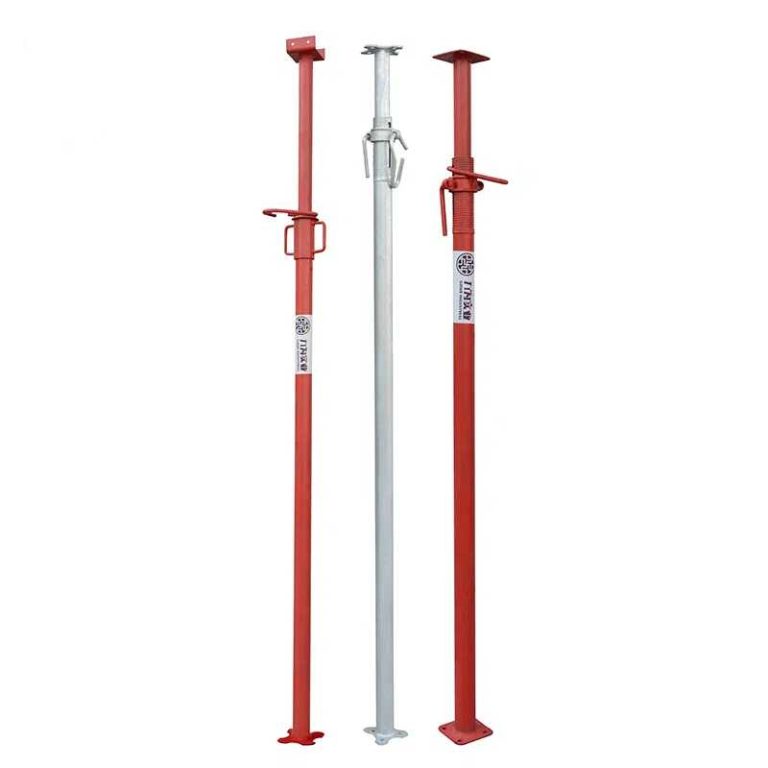
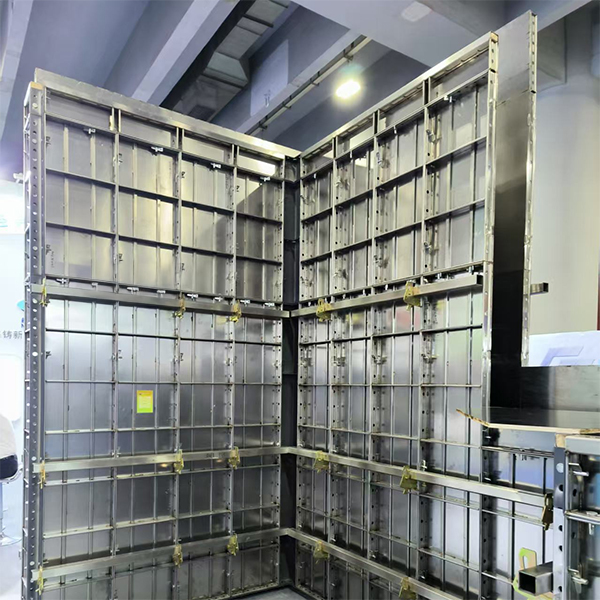
A coded Aluminium Formwork System should arrive by zone: starter walls, corners, slab infill, prop heads, steel props, tools and inspection accessories. Crews can then open the right bundle.
Train Crews Around a Repeatable Installation Sequence and Clear Roles
Crew training should define sequence and ownership. One team can start wall panels and corners, another follows with slabs and beams, while support workers check props, heads and levels. The foreman controls grid lines, damaged accessories and zone release.
How Can Aluminium Formwork Installation Be Sequenced for Faster Crew Handoffs?
Start From Fixed Control Lines and Stable Reference Zones
Start from stable control lines, not from the place where materials land first. Reference walls, cores, stairs and repeated grids should be checked early because slab levels and beam locations depend on them.
Balance Wall, Slab and Support Work So One Crew Does Not Block Another
The sequence should create parallel work fronts. Wall panels can release measured zones while slab crews prepare bottom forms and support lines. Steel props, support bases and prop heads should be ready before the slab crew waits.
GOWE’s Aluminium Formwork vs Timber Formwork discussion highlights repeatable layouts. On site, repeatability creates speed only when one crew’s finish point is the next crew’s clean start point.
Create Fixed Handoff Points for Reinforcement, MEP and Pre-Pour Inspection
Each work zone needs a fixed handoff point: panels set, accessories complete, alignment checked, penetrations confirmed and access clear. Other trades can then enter without dismantling finished formwork.
Which On-Site Bottlenecks Most Often Slow Aluminium Formwork Installation?
Missing, Mis-Sorted or Damaged Panels and Accessories
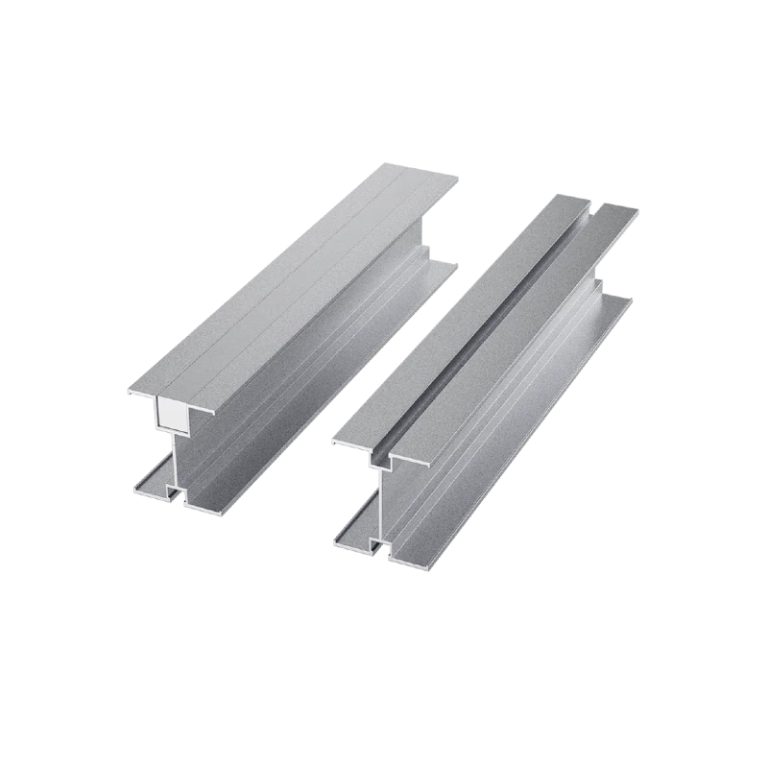
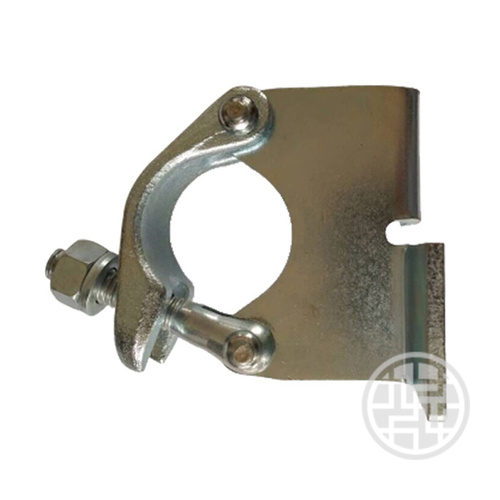
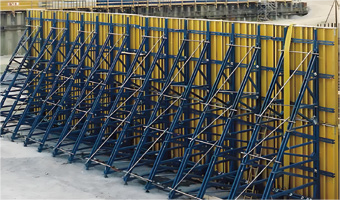
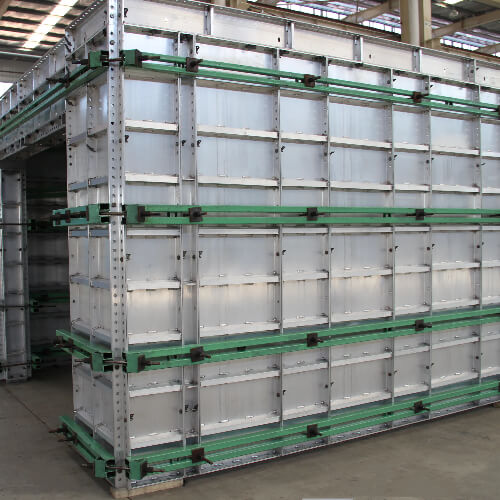
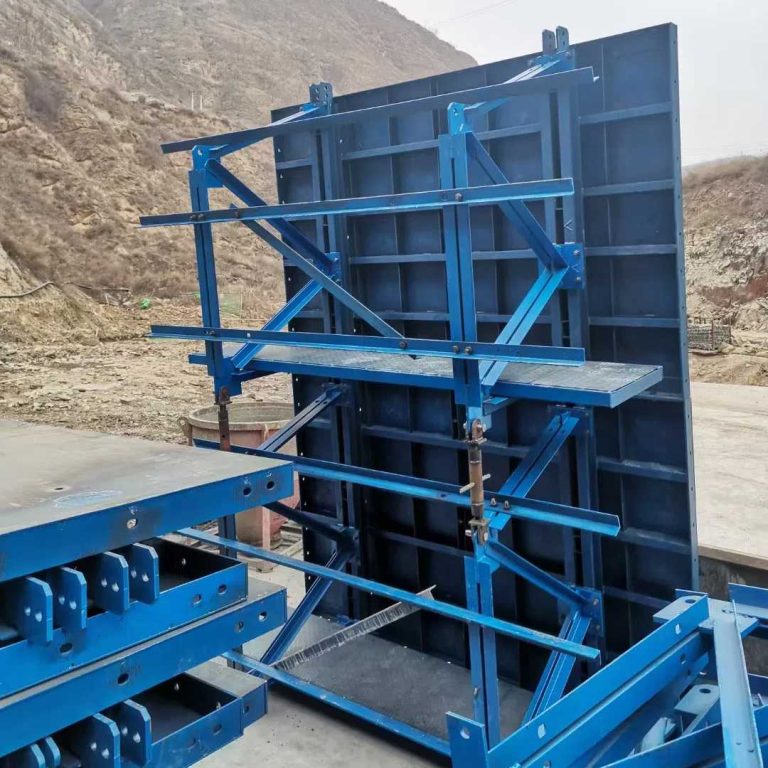
Small accessories can stop large areas. Pins and wedges join panels; walers support wall formwork; raking shores adjust verticality; hollow sections help straightness; transfer boxes move panels after dismantlement. Missing parts turn labour into waiting time.
GOWE’s quality process includes incoming material inspection, in-production inspection, finished product inspection, pre-shipment debugging and controlled transport to site. Site teams should extend that discipline with zone racks and damage tags.
Late Design or MEP Changes That Trigger Cutting and Rework
Late opening changes are expensive because one sleeve can affect panels, props, rebar spacing and inspection release. Use change control: decide whether the change waits, needs engineered modification or requires a revised panel. For context, see GOWE’s article on Slab Formwork for High-Rise Buildings.
Alignment Errors Found Too Late in the Installation Cycle
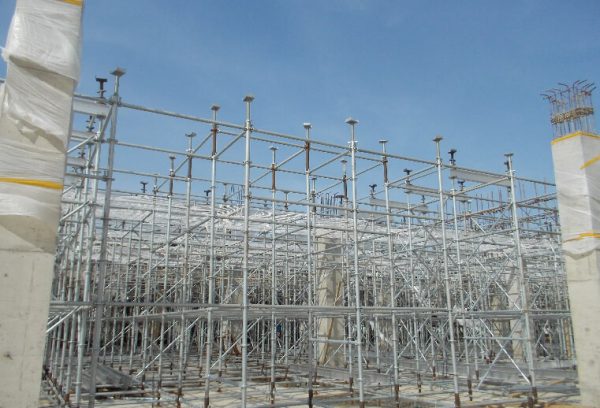
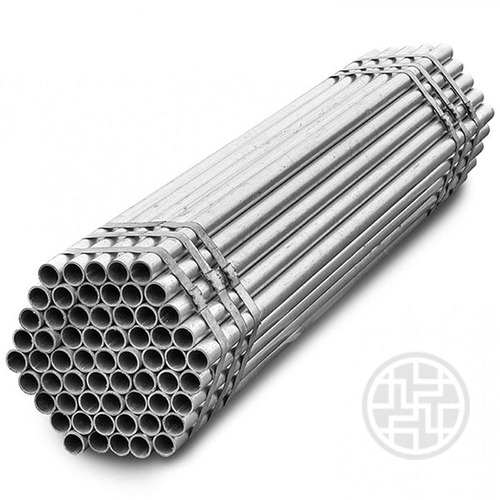
Alignment must be checked while correction is easy. Hollow sections support wall straightness and flat wall surfaces, while raking shores adjust wall verticality. Measure control lines, plumb, level, joint tightness and support seating before rebar and MEP fill the zone.
Congested Material Transfer Between Floors
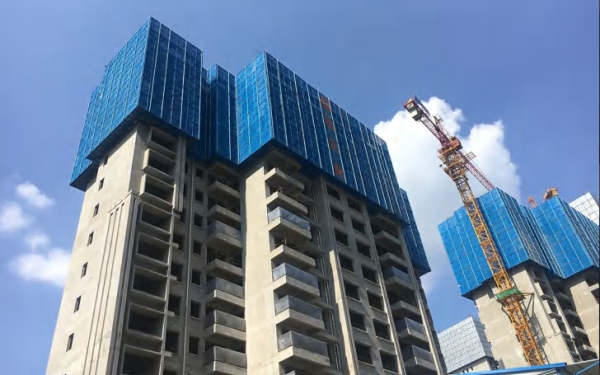
Panel transfer should work like a production line. Stripped panels should move directly into next-floor zones when possible. Hoist time, openings, landing areas and accessory return flow affect installation speed.
How Do Early Stripping and Panel Turnover Speed Up Floor Cycles Safely?
Separate Reusable Panel Release From the Support That Must Remain in Place
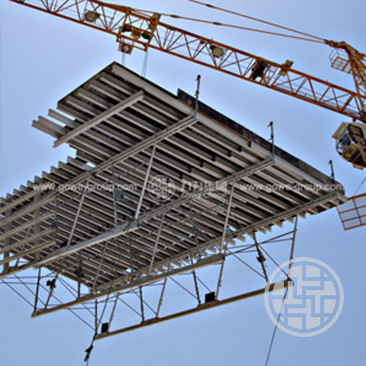
Early turnover can speed the cycle, but reusable panel release is not the same as removing support. GOWE aluminium formwork can be dismantled in advance for horizontal structure, and slab formwork uses prop heads, beams, corner joints and steel props. The plan must define what can move and what must remain.
Clean, Inspect and Transfer Panels Directly Into Next-Floor Work Zones
After release, panels should be cleaned, inspected and transferred into the next sequence. Surface condition, complete accessories, release-agent practice, storage, transport protection and repair records all affect usable reuse.
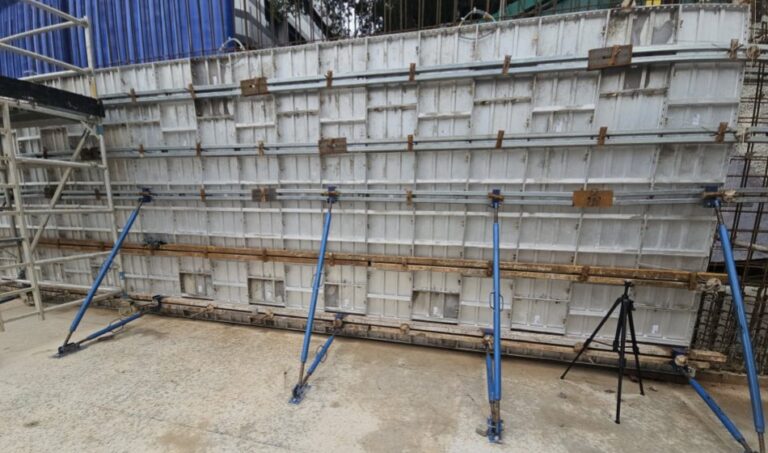
Transfer boxes help move panels after dismantlement, but the destination must be ready. Without a coded next-floor landing zone, transfer moves the bottleneck upward.
Base Stripping and Reshoring Decisions on Verified Strength and Engineer-Approved Criteria
Do not treat fixed-hour stripping claims as universal rules. Formwork, shores and reshores should remain until concrete can support its own weight and applied loads, or until adequate reshoring is in place. Follow drawings, specifications, strength results, structural conditions, engineer-approved criteria and local requirements.
How Can Contractors Keep Aluminium Formwork Installation Fast After the First Few Floors?
Use the First Typical Floors as a Controlled Learning Cycle
Treat the first typical floors as controlled learning cycles. Track crew waiting, panel searches, MEP changes and repeated inspection comments. Then adjust zone packing, crew roles and handoff timing.
Track Labour Hours, Waiting Time, Rework and Inspection Delays
A predictable floor cycle needs simple measurements: labour hours by zone, waiting time by trade, rework causes, missing accessories and inspection delays. These records show whether aluminium formwork installation, design release, logistics, rebar, MEP or inspection is slowing the pour.
Maintain Spare Accessories and a Fast Repair-and-Replacement Loop
Spare accessories should be managed deliberately. A missing wedge or damaged connector can stop a larger panel set. GOWE source knowledge supports reuse discussions through material, system composition, panel dimensions, accessories, inspection and transportation, but not a fixed guaranteed reuse-cycle number. The better target is stable turnover quality on later typical floors.
FAQ
Q: How long does aluminium formwork installation take for one floor?
A: The duration depends on floor-plan repetition, crew experience, panel organization, vertical transportation, reinforcement and MEP coordination, inspection progress and concrete readiness. There is no universal installation time for every project. The objective is to achieve a predictable floor cycle by reducing unnecessary waiting while following approved stripping and reshoring requirements.
Q: What is the correct aluminium formwork installation sequence for a typical floor?
A: A typical sequence includes checking control lines, installing wall and corner panels, assembling slab and beam formwork, verifying props and supports, completing accessories, coordinating rebar and MEP works, conducting pre-pour inspections, pouring concrete, carrying out approved stripping and transferring panels to the next floor. The final sequence should always follow project drawings, engineering requirements and site approvals.
Q: How can aluminium formwork installation reduce floor cycle time?
A: Aluminium formwork installation reduces cycle time when repetitive layouts, coordinated openings, factory trial assembly, organized panel delivery, trained crews and clear trade handoffs work together. Faster cycles are achieved through better workflow coordination rather than simply increasing panel installation speed.
Q: What checks are required before concrete pouring during aluminium formwork installation?
A: Before pouring concrete, teams should verify control lines, plumbness, level accuracy, joint closure, support positioning, prop stability, wall alignment, slab levels, accessories, openings, sleeves, embedded items, working access and inspection approval. Any unresolved issue should be identified and corrected before concrete placement begins.
Q: When can panels be stripped and reused after aluminium formwork installation?
A: Panels should only be stripped and reused after meeting approved stripping requirements. The decision should consider verified concrete strength, structural conditions, remaining support requirements, reshoring plans, engineer approval and applicable project standards. Releasing reusable panels does not automatically mean that all temporary supports can be removed.