
Reuse-cycle claims can make aluminium formwork look simple to compare, but the number on a brochure rarely tells the whole story. Buyers need to ask what is counted, what site conditions are assumed, and whether the same panel set can still deliver alignment, safety, and concrete finish after repeated pours.
How Many Reuse Cycles Can Aluminium Formwork Actually Achieve?
What Counts as One Aluminium Formwork Reuse Cycle?
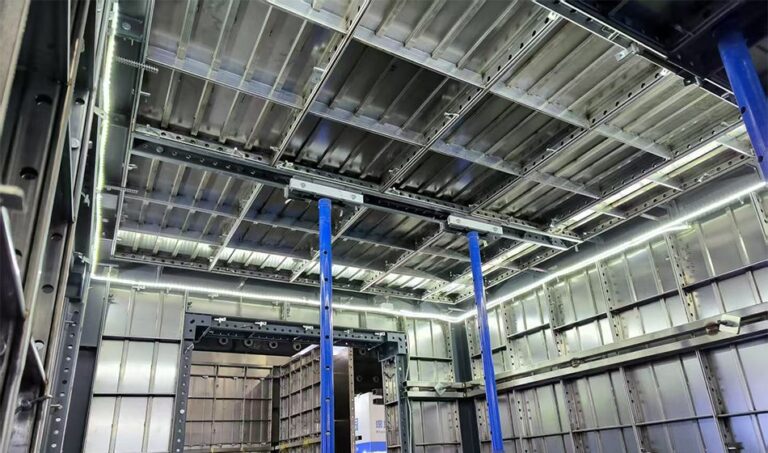
One reuse cycle usually means one complete use of a panel or set for concrete casting, followed by stripping, cleaning, inspection, storage, and preparation for the next pour. For a wall and slab system, the practical cycle includes accessories, props, ties, wedges, transfer boxes, and records, not only the aluminium panel face.
Why Are Rated Reuse Cycles Different From Actual Site Reuse?
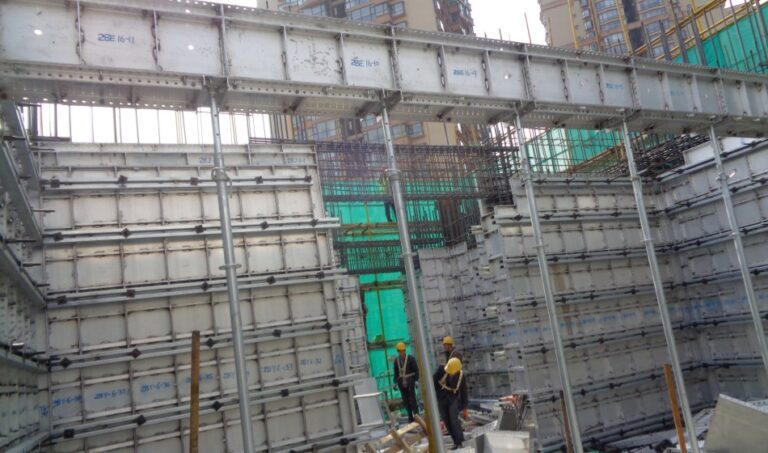
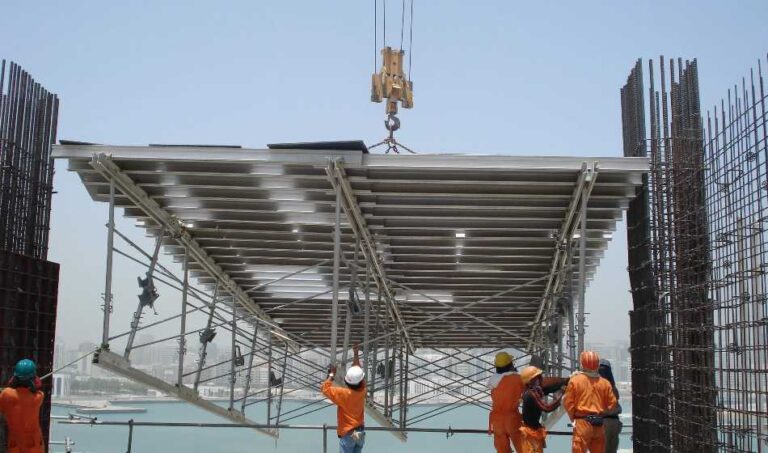
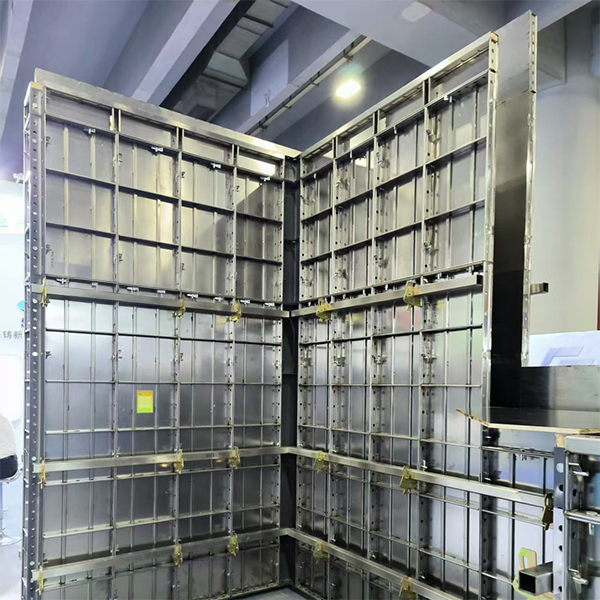
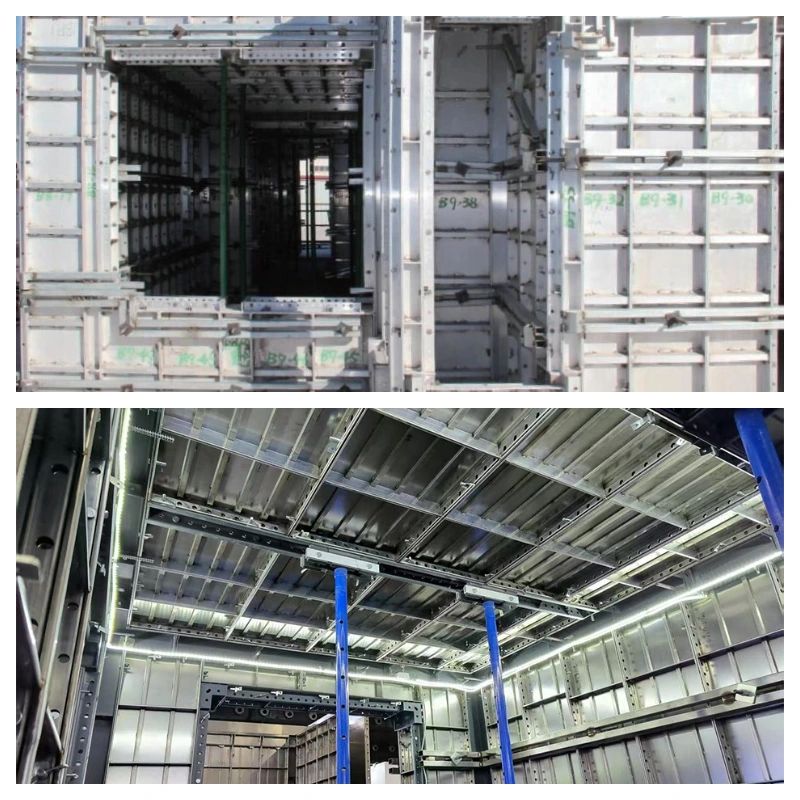
Rated numbers usually assume controlled installation, proper release agent, careful dismantling, and normal loading. Actual site reuse changes with crew habits, concrete pressure, cleaning quality, storage, transport, and how many special panels are needed. GOWE aluminium formwork is a high-strength, lightweight system that can withstand 60 kN/m² concrete side pressure, but usable life still depends on correct operation.
Why Should Buyers Treat Reuse Numbers as a Range Rather Than a Guarantee?
Buyers should treat aluminium formwork reuse cycles as a working range because a set contains many parts with different wear patterns. A standard wall panel may remain usable while a corner piece, prop head, flat tie, pin, or wedge becomes lost or damaged. Our advice is to compare cost per successful pour, not only the highest claimed number.
What Factors Reduce Aluminium Formwork Reuse Cycles?
How Do Stripping and Handling Damage Shorten Panel Life?
Rough stripping bends edges, damages corners, and marks contact surfaces. Removal tools should release panels without prying against weak points, and transfer boxes should move dismantled panels without scraping or impact. If crews hammer panels into place repeatedly, small alignment errors can become long-term loss of usable cycles.
How Do Cleaning and Release-Agent Practices Affect Reusability?
Poor cleaning leaves concrete buildup around ribs, holes, joints, and panel edges. Too little release agent increases sticking; too much can stain concrete or attract dirt. A good routine removes residue before it hardens, checks tie and pin holes, and keeps the surface ready for the next casting sequence.
How Do Storage and Transportation Conditions Affect Aluminium Formwork Life?
Storage and transport affect panel flatness as much as material strength. GOWE uses incoming material inspection, in-production inspection, finished product inspection, pre-shipment debugging, transportation inspection, and controlled transport to site. After delivery, buyers still need dry stacking, separated accessories, protected edges, and clear lifting routes.
Can Missing Accessories Reduce the Effective Reuse of an Aluminium Formwork Set?
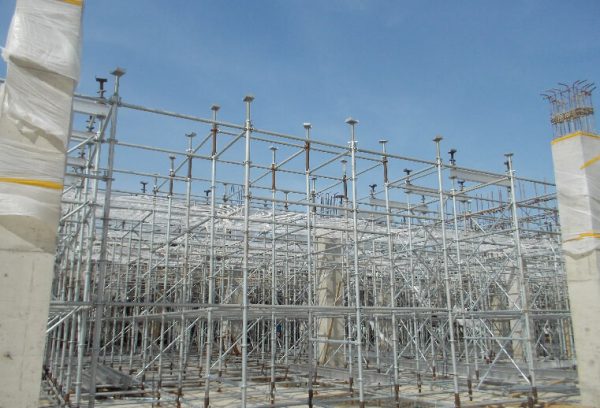
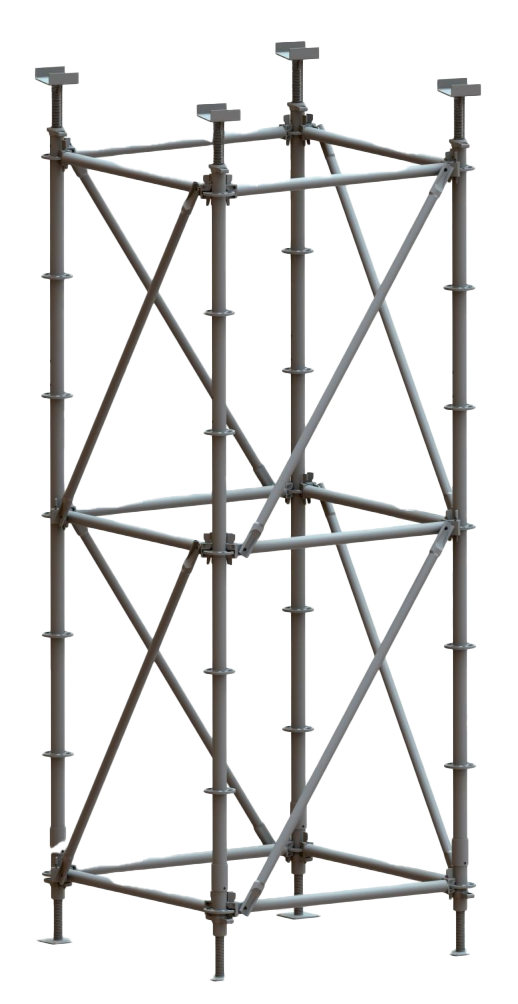
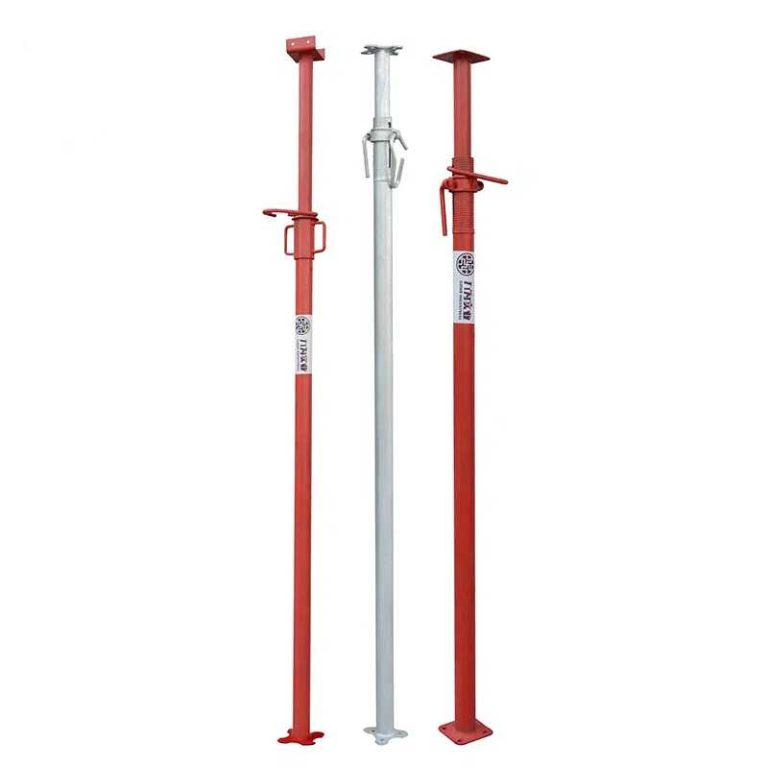
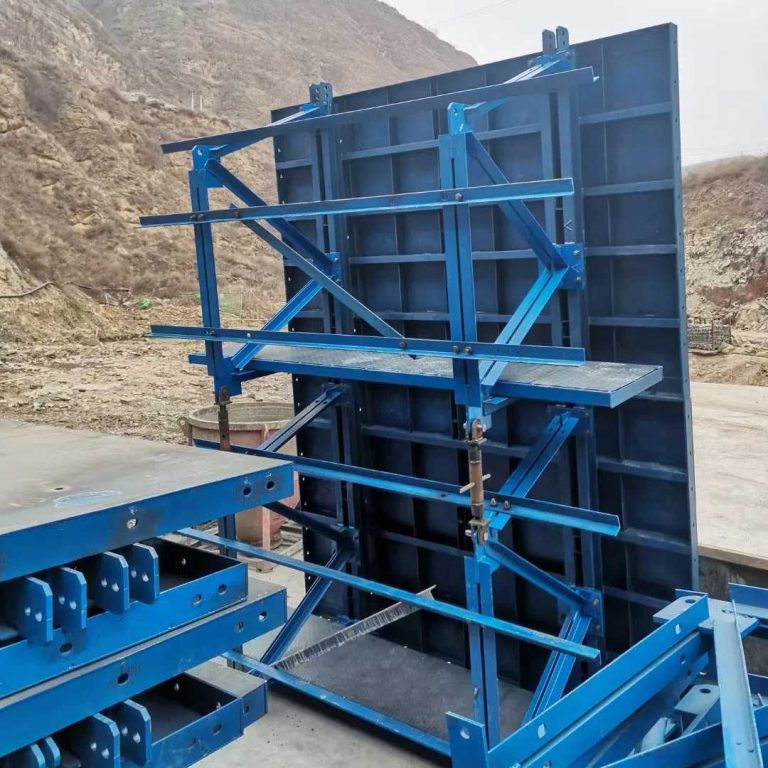
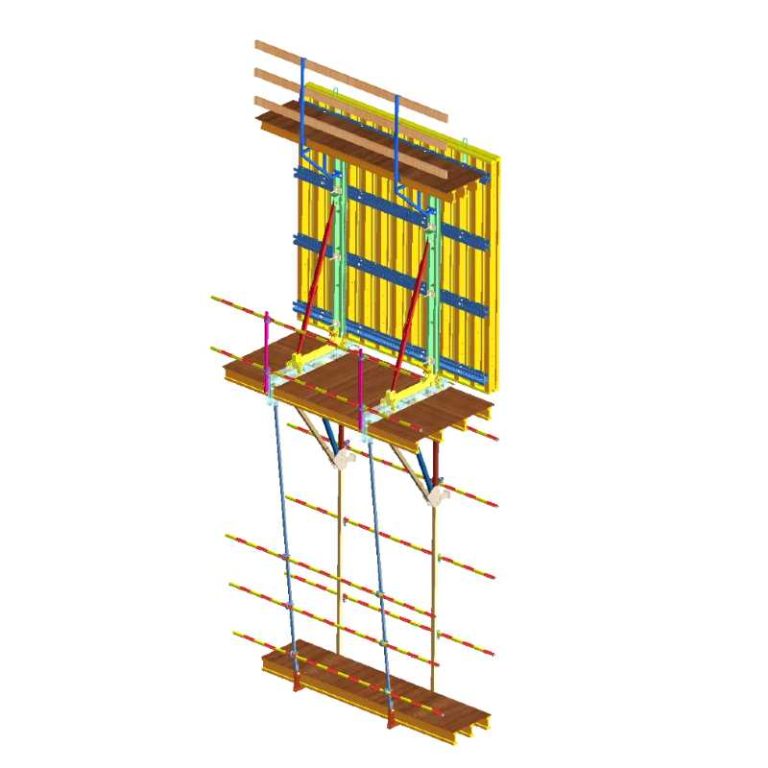
Yes. Missing pins, wedges, props, walers, raking shores, tie bars, flat ties, waler brackets, hammers, podgers, or removal tools can stop a panel set from being reused efficiently. GOWE aluminium formwork includes these functional accessories because alignment, verticality, support, dismantling, and movement all affect whether a set remains complete.
Can Aluminium Formwork Be Reused Across Different Projects?
Why Does Repetitive Building Geometry Make Aluminium Formwork Easier to Reuse?
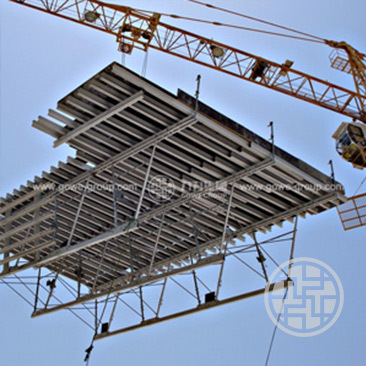
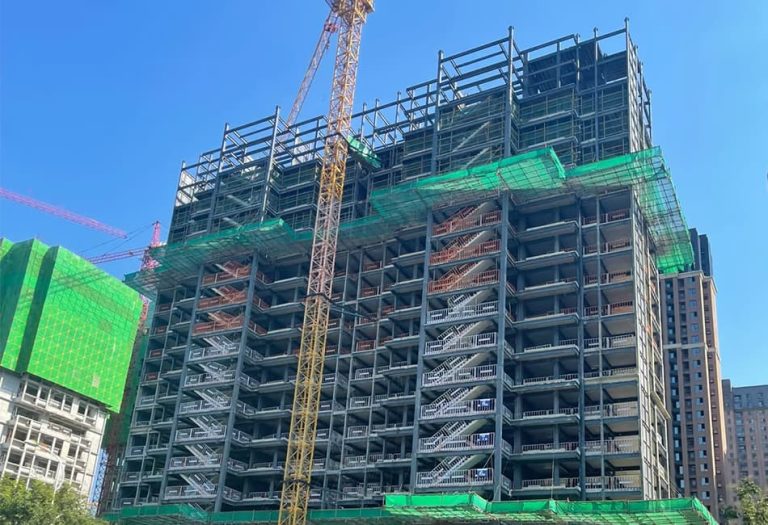
Repetitive floors, stable wall grids, repeated openings, and similar slab layouts make reuse easier because fewer panels need redesign. That is why aluminium formwork for high-rise projects is often evaluated around typical floors, drawing stability, and the number of repeated pours before exceptions appear.
How Do Openings, Special Panels, and Layout Changes Limit Cross-Project Reuse?
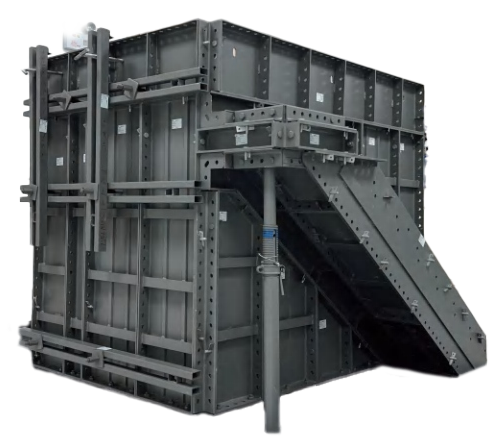
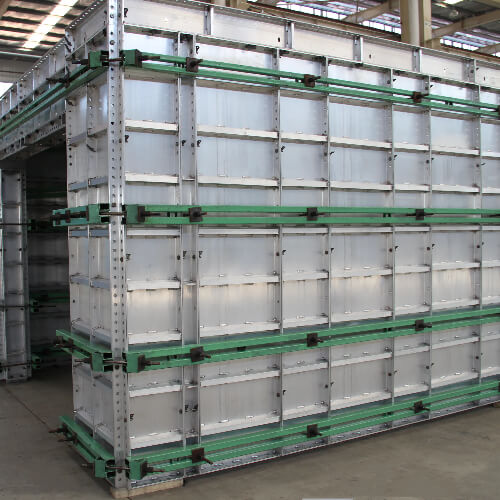
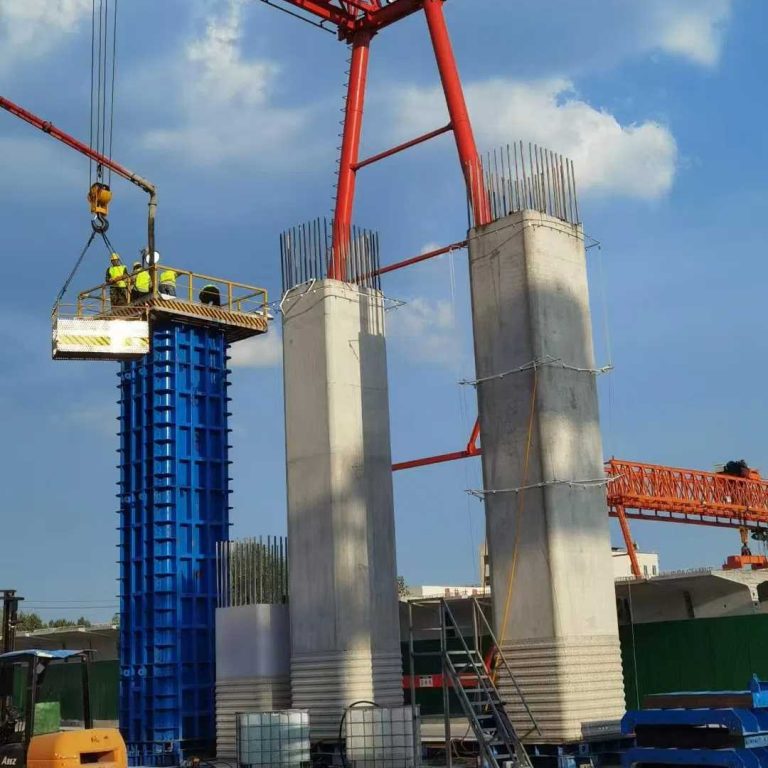
Openings, stair cores, balconies, service shafts, wall thickness changes, and unusual corners can reduce cross-project reuse. GOWE wall panels support walls and columns, wall end panels fill areas where standard panels cannot fit, and stair formwork uses tread, riser, side panels, connectors, and supports; each special area can limit transferability.
When Does Aluminium Formwork Need Modification Before the Next Project?
Modification is needed when project drawings change enough that existing panel dimensions, shapes, or surface treatments no longer match. GOWE carries out precise design and customized production according to engineering drawings, and factory trial assembly helps reduce problems before panels are transported to site. Reuse planning should start before the first project is fabricated.
How Can Buyers Tell Whether Aluminium Formwork Is Still Fit for Reuse?
Which Panel Defects Can Affect Alignment and Concrete Finish?
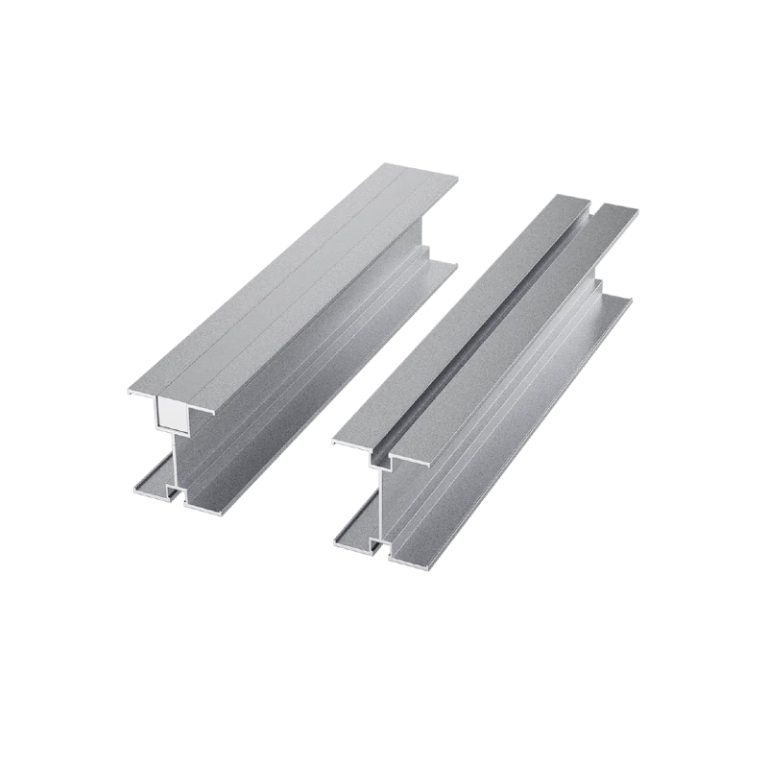
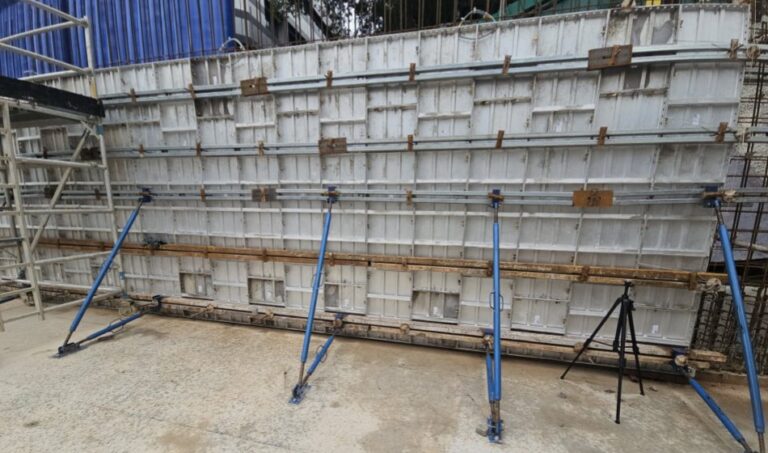
Check panel faces, ribs, joints, corners, holes, and bearing points. Hollow sections help wall straightness and flat wall surfaces; raking shores adjust verticality; tie-rod systems can deliver a very smooth forming effect. If these alignment functions are compromised, the panel may still look usable but fail quality expectations.
Do Surface Stains or Oxidation Mean Aluminium Formwork Cannot Be Reused?
Not always. The GOWE source notes that oxidation may create dirt spots on aluminium alloy formwork, but this does not compromise material quality or concrete finish quality. Buyers should separate cosmetic staining from dents, deep corrosion, warped frames, broken welds, and connection damage.
When Should Aluminium Formwork Be Repaired Instead of Replaced?
Repair is reasonable when the panel can be restored to correct geometry, fastening reliability, and surface performance. Minor edge dressing, cleaning, accessory replacement, and controlled straightening may extend usable cycles. The repair decision should include inspection records, not a casual visual check after stripping.
When Should a Damaged Aluminium Formwork Panel Be Retired?
A panel should be retired when it can no longer hold alignment, connect securely, resist expected concrete pressure, or produce an acceptable finish after proper repair. Panels with repeated deformation, cracked structural parts, unsafe connection holes, or untraceable damage history create more risk than value.
How Can Buyers Get More Usable Cycles From Aluminium Formwork?
Why Does Correct Dismantling Matter for Long-Term Reuse?
Correct dismantling protects the edges and joints that make the next pour accurate. Crews should remove wedges and pins in sequence, use suitable removal tools, avoid dropping panels, and move components with transfer boxes. A simple dismantling checklist often saves more cycles than late-stage repair.
How Should Aluminium Formwork Be Cleaned and Stored Between Cycles?
Clean panels before concrete residue hardens, inspect the contact surface, keep accessories grouped by zone, and store panels on level supports. For broader planning, compare concrete formwork systems by achievable reuse, labor, repairs, and finish quality instead of purchase price alone.
Why Do Panel Coding, Inspection Records, and Spare Parts Matter?
Panel coding lets site teams know where each piece belongs, which cycles it has completed, and whether it has been repaired. Spare pins, wedges, ties, props, and small tools prevent downtime. Without records, buyers cannot tell whether reuse loss came from product quality, project changes, or site handling.
What Should Buyers Confirm When Evaluating a Supplier’s Reuse-Cycle Claim?
Ask what the claim includes: panel material, accessories, stripping method, release agent, cleaning, storage, transport, repairs, and project geometry. Also confirm whether the supplier can design, customize, inspect, and support an aluminium formwork system around the actual drawings instead of offering a headline number alone.
FAQ
Q: How many times can aluminium formwork be reused?
A: aluminium formwork can be reused many times. The practical number should be seen as a range. It depends on dismantling. It depends on cleaning. It depends on accessory completeness. It depends on storage. It depends on transport. It depends on repair quality. It also depends on whether the next project matches the original panel layout.
Q: What affects the reuse life of aluminium formwork?
A: The main factors are panel deformation, edge damage, and concrete buildup. They include poor release-agent use. They include missing accessories. They include rough transportation. They include bad storage. They also include layout changes. Inspection records help buyers separate normal wear from damage. This damage shortens useful life.
Q: Can aluminium formwork be reused on different construction projects?
A: Yes. aluminium formwork can be reused across projects. This works when geometry is repetitive or similar. Reuse becomes harder when openings change. It becomes harder when wall thicknesses change. The same holds for stair details, balconies, and special panels. These changes may require redesign or modification.
Q: How should aluminium formwork be inspected before reuse?
A: Inspect flatness, corners, ribs, joints, holes, welds, fasteners, props, ties, walers, and surface condition. Also check whether the panel code matches. Check the repair history. Confirm the accessory set matches the next pour area.
Q: When should aluminium formwork panels be repaired or replaced?
A: Repair panels when defects can be corrected. This must occur without losing alignment, safety, or finish quality. Replace or retire panels when deformation is present. Connection damage is another reason. Cracked parts call for replacement. A repeated repair history does too. These issues make the next pour unreliable.